Crew
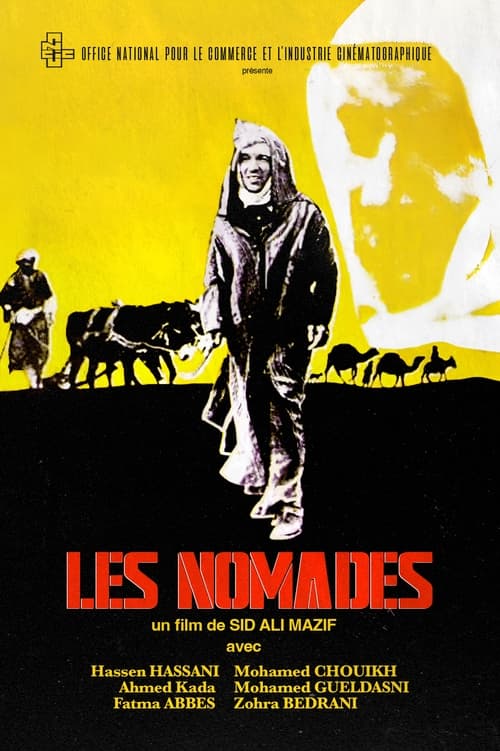
When their father dies, three nomadic sons choose different voices. The first part for the city, the second tries to live as its ancestors develop and the third integrates one of the new agricultural cooperations. "A pastoral society (1,500,000 inhabitants) on the threshold of decisive choices, destructured by the evolution of economic relations which lead to the concentration of herds in the hands of a few, to the support of rangelands and to the movement of impoverishment and proletarianization of the greatest number. The attitudes of the protagonists occur in relation to the economic and political involved in the process of agrarian revolution. The alternative lies only in the free adherence of small breeders to the forms of economic and social reorganization of the Agrarian Revolution and their insertion in the profound movements of social and political change that affect Algerian society." Sid Ali Mazif
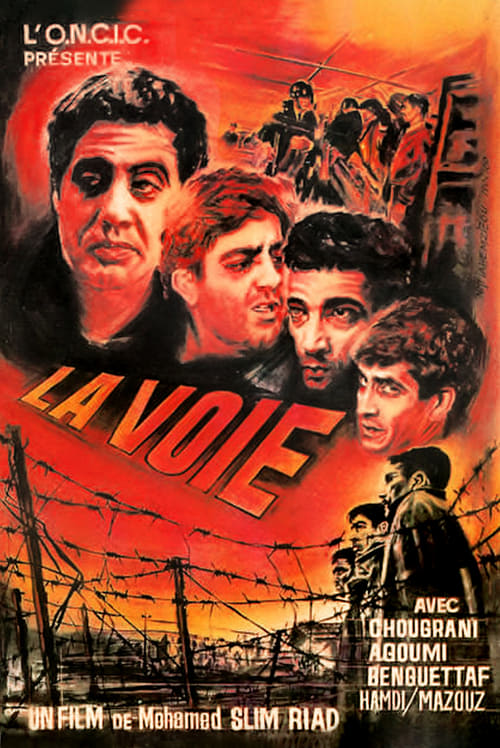
The Algerian War is seen through the eyes of a group of Algerian freedom-fighters who have been captured and incarcerated in French-run military prisons both in France and Algeria. In addition to attempts at escape, this prison drama also includes propaganda and brainwashing attempts by the French and scenes of torture. In what is possibly the most horrible torture of all, the inmates are forced to listen to broadcast speeches by General Charles de Gaulle -- speeches which illustrate the changing relations between the French and the Algerians.
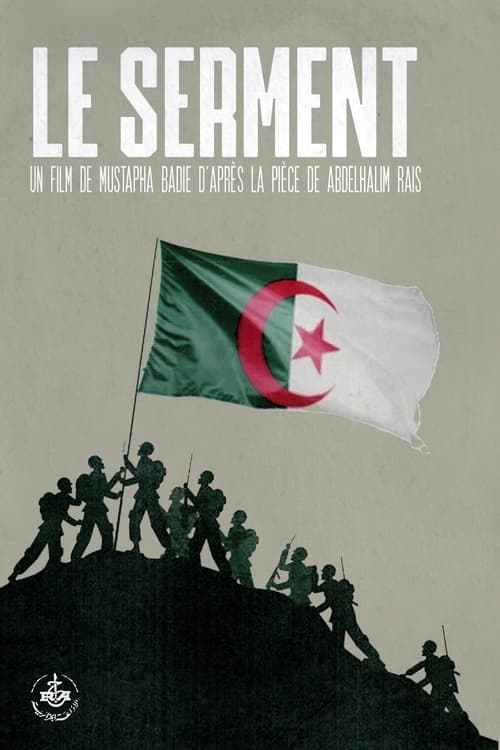
The Oath, a TV film produced by Algerian television in 1963 following the end of the war of independence, tells the story of young Algerians who joined the resistance after the bloody repressions of May 1945 in Constantinois by the French colonial army .
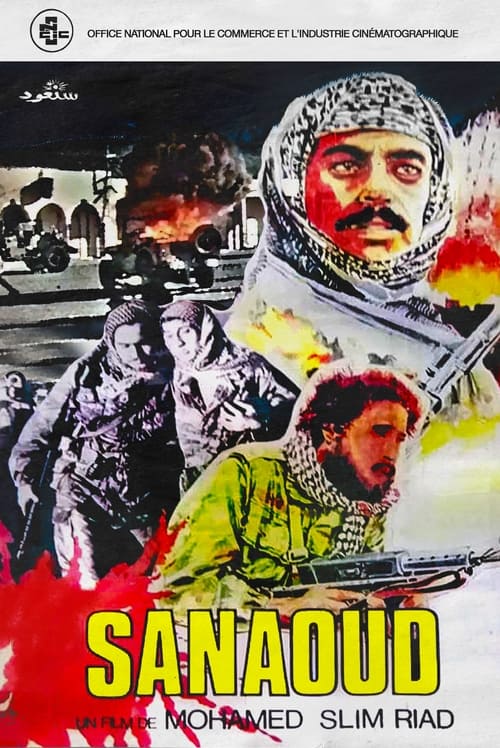
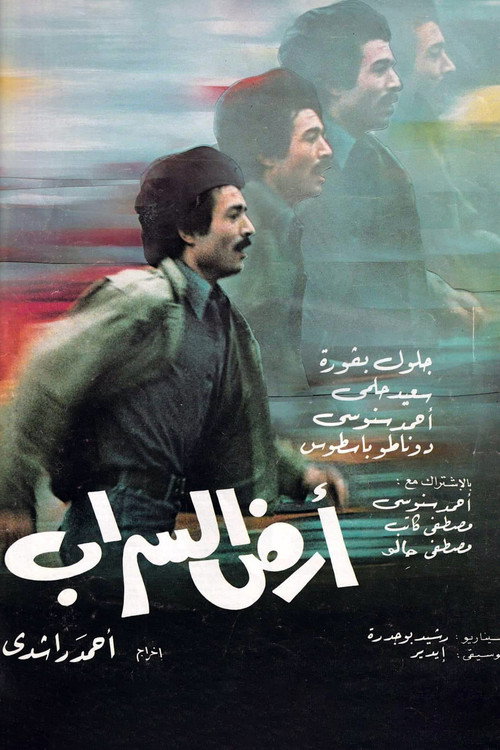
The story of a young Palestinian who left his refugee camp to become a resistance fighter in the Palestine Liberation Organization.
Maamar (Sid Ali Kouiret), a young fisherman working in a small port in western Algeria, is forced to sell his goods at a discount every day to Si Khelifa (Abdelhalim Rais), owner of many trucks and a cannery where the wives work fishermen. He has a strange encounter. As he returns from fishing, bassinet in hand, he witnesses a car accident. Indeed, a car hits a tree with a beautiful girl “Hayat” on board who has lost consciousness. Maamar pulls her out of the car and saves her. It is at this precise moment that he realizes the existence of another world. As if awakened from a long sleep, he realizes that this exploitation can no longer continue. He leaves his village and his wife Laâlia (Fatima Belhadj) on a whim for three years. He finds himself in the capital which he leaves to return to his village and carry out a saving action...
At the outbreak of the Second World War, two friends, Mokrane and Menach, abruptly interrupt their studies and return to their remote native Kabylian village of Tagsa. While waiting to be drafted into the French Army they have time to woo. Mokrane falls for beautiful Aazi and soon marries her only to find out that she can bear no child. Menach, on his part, is stongly attracted to Davda, but the latter is already married to a rich merchant...Happiness does not seem to be in store for the two former students...
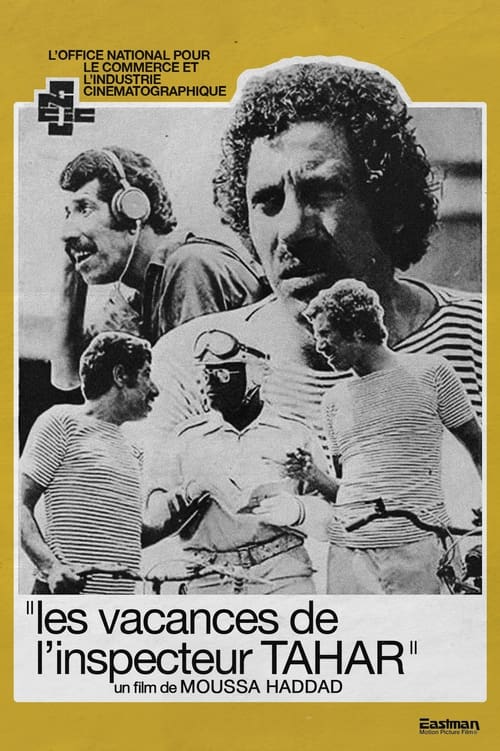
Inspector Tahar and his apprentice are invited by Mama Traki, a popular Tunisian heroine, to spend their vacation in Tunis. Before leaving Algiers, they stop at a tourist complex where a murder has just been committed. The investigation full of surprises and twists and turns will take them to Tunis where they will find Ommi Traki and his family...
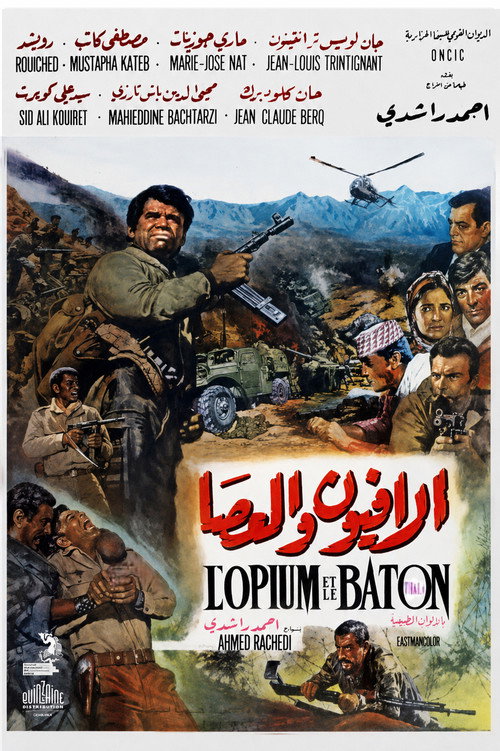
In 1950, in Algeria, in a village in Kabylia, Algerian resistance fighters resisted the French occupation army. Bachir returns to the village to escape the clashes ravaging Algiers. In Thala, he has two brothers, Ali and Belaïd. The first is engaged with the ALN (The National Liberation Army) and fights against the colonizer. His second brother, Belaïd, the eldest, is convinced of a French Algeria. His family torn apart, Bachir decides to join the war and takes sides against the repression of the French army. The French army is trying in vain to turn the population against the insurgents by using disinformation. The more time passes, the more the inhabitants of the village and surrounding areas, oppressed, rally to the cause of the FLN, their houses and their fields will be burned... Adaptation to the cinema of the eponymous novel Opium and the Stick, published in 1965, by Mouloud Mammeri, the film was dubbed into Tamazight (Berber), a first for Algerian cinema.
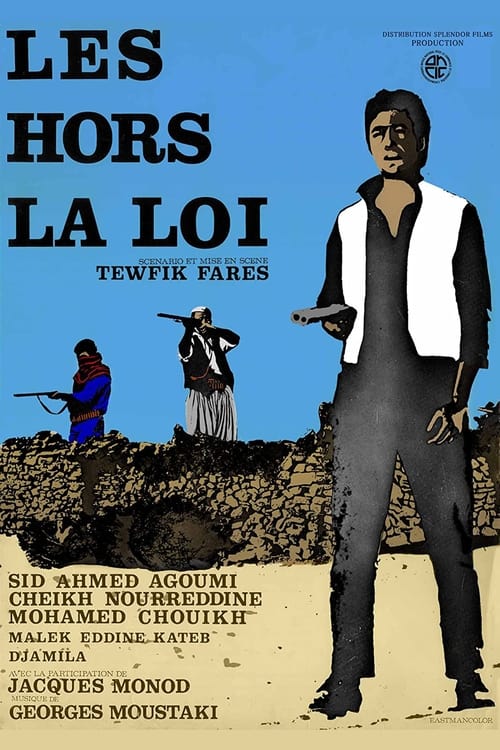
In prison in colonial Algeria, shortly after the end of the Second World War, three indigenous cellmates make out. Once free, they attack the authority represented by the triad of the boss, the gendarme and the administrator. “Living the colonial condition,” confided Tewfik Farès, “is something! It’s not sociologically or historically speaking. It’s life. And I think that’s all there in it. [...] For a hundred and thirty years, we wait. We hold back. We push back. We hope. At the same time, on different occasions, there are skirmishes, unrest.
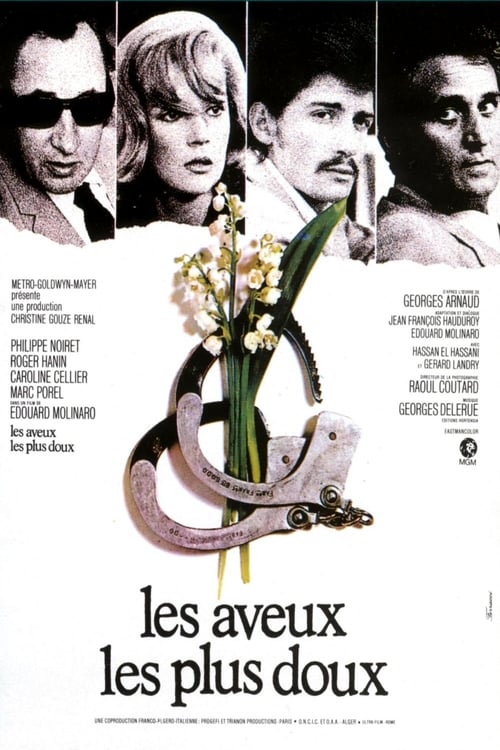
A sunny seaside town... Jean and Catherine are in love. They are young, beautiful, and poor. One of Jean's friends suggests he rob the cash box of a traveling circus. But the plan goes wrong: a circus employee is seriously injured, and Jean is arrested. He chooses to proclaim his innocence. To force him to confess and denounce his accomplice, the two detectives in charge of the investigation devise a Machiavellian plan...
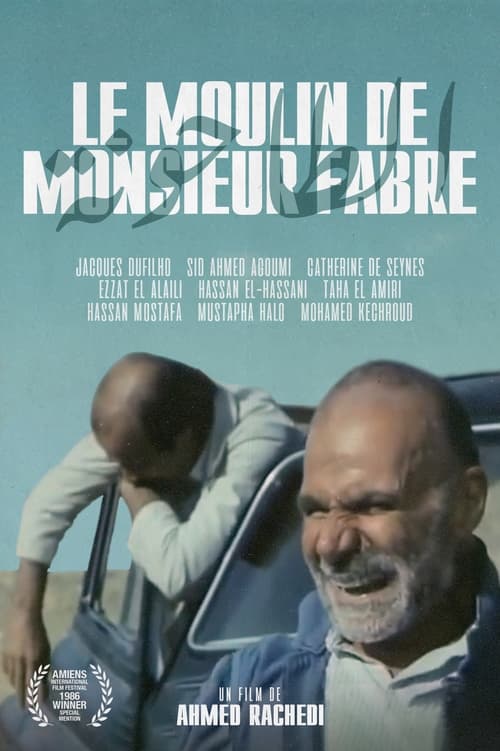
The story of the post-independence nationalization of the mill of Monsieur Fabre, an old man attached to the land of Algeria where he was born. In this small town in eastern Algeria, there was nothing else to nationalize and they were actively preparing for the arrival of high dignitaries who would elevate the mill to the rank of an industrial flour mill even though it was threatened with ruin. The comedy gets worse when the football player from the local team withdraws for love, the officials' visit is canceled and Mr. Fabre returns.
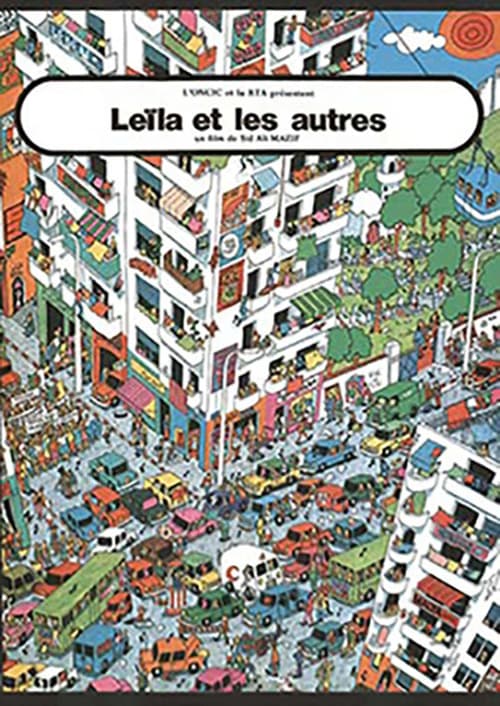
In the 1980s, barely 18 years after Algeria's independence, Algerian immigration to France massively fueled the construction industry, responding to a demand for hard, undervalued labor. Behind the idea of "selective immigration," these men were recruited primarily for their bras and their knock-kneed hands, shaped by construction sites. Invisible yet essential, they built roads, buildings, and infrastructure, often at the cost of precarious conditions. Ali, an Algerian crane operator in France, philosophically accepts the harassment faced by immigrants like himself on construction sites and in daily life. He hopes to escape his situation with the money he wins in the lottery, and from the top of his crane, he allows himself to dream, observing the world through binoculars. One day, the jackpot falls...
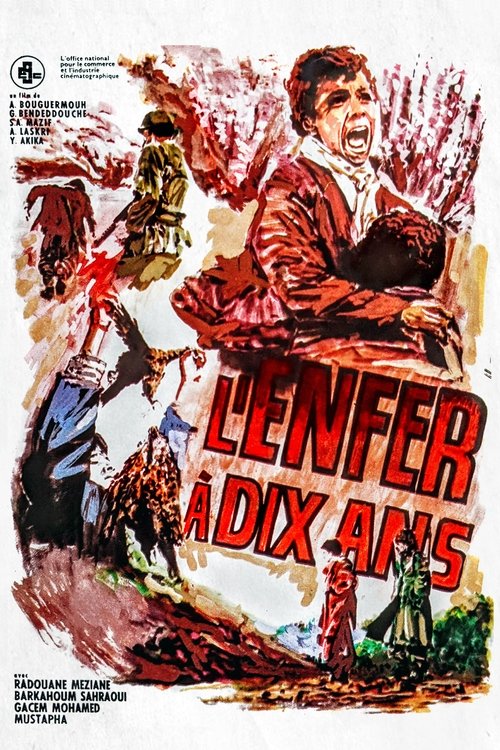
This film was considered a testing ground for young O.N.C.I.C. directors. Today there is no longer a copy and the negative was accidentally destroyed. The Algerian Cinematheque has a copy of the very beautiful part shot by Abderrahmane Bouguermouh "La Give": A young schoolgirl from Kabylia is tasked by the resistance fighters with transmitting a message which is hidden in a thrush...
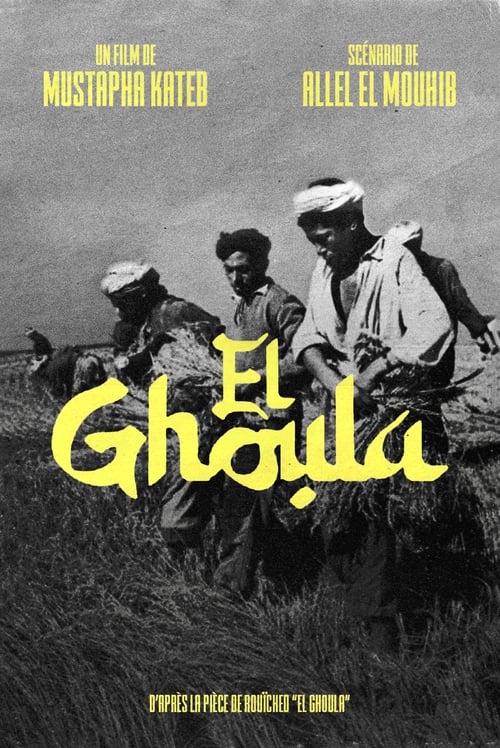
An adaptation of the satirical play of the same name by comedian Rouïched (Ahmed Ayad). "El-Ghoula" (The Vampire) tells the story of a corrupt official who lives off the peasants of an agricultural cooperative. Instead of solving problems, this official manipulates empty rhetoric and "revolutionary" slogans to galvanize them and encourage them to continue working. Opportunistic, he will transform the fellahs' work into chaotic bureaucratic procedures for his own personal gain.
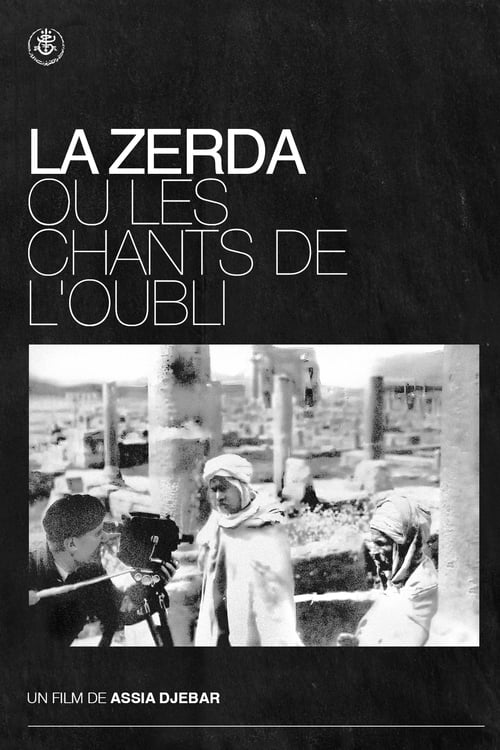
“La Zerda and the songs of oblivion” (1982) is one of only two films made by the Algerian novelist Assia Djebar, with “La Nouba des femmes du mont Chenoua” (1977). Powerful poetic essay based on archives, in which Assia Djebar – in collaboration with the poet Malek Alloula and the composer Ahmed Essyad – deconstructs the French colonial propaganda of the Pathé-Gaumont newsreels from 1912 to 1942, to reveal the signs of revolt among the subjugated North African population. Through the reassembly of these propaganda images, Djebar recovers the history of the Zerda ceremonies, suggesting that the power and mysticism of this tradition were obliterated and erased by the predatory voyeurism of the colonial gaze. This very gaze is thus subverted and a hidden tradition of resistance and struggle is revealed, against any exoticizing and orientalist temptation.
The story of Algerian women trying to live in 1970s Algeria where the society is between conservative values and progressive modern Algeria.
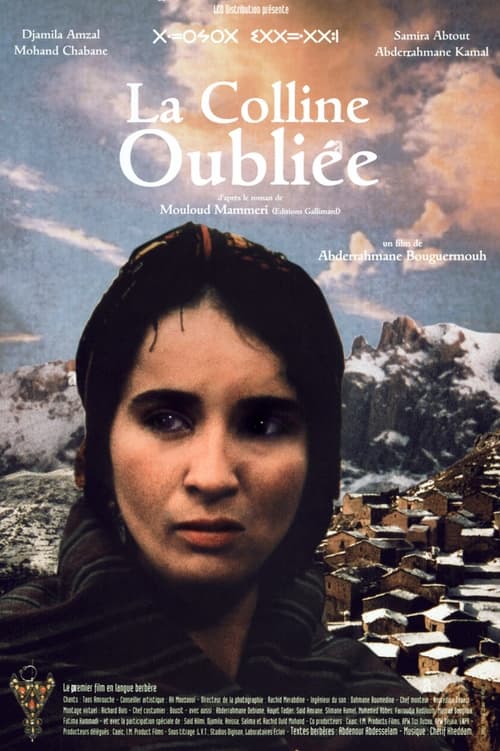
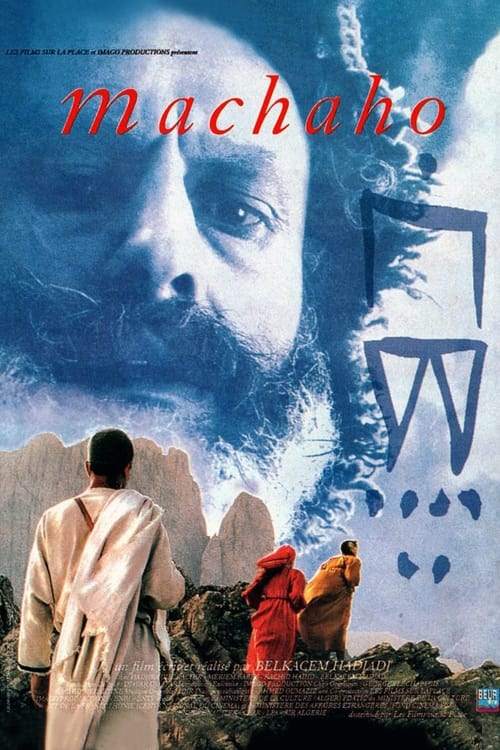
In Kabylie, rude mountain region in the north of Algeria. Arezki finds the young Larbi exhausted, buried under the snow. He takes him in and nurses him until he's recovered. The host seduces Arezki's daughter. She is pregnant. This is an unsupportable shame to the father of the female sinner. Arezki claims vengeance. He leaves his house and takes the oath not to come back before having killed Larbi who betrayed him under his own roof.
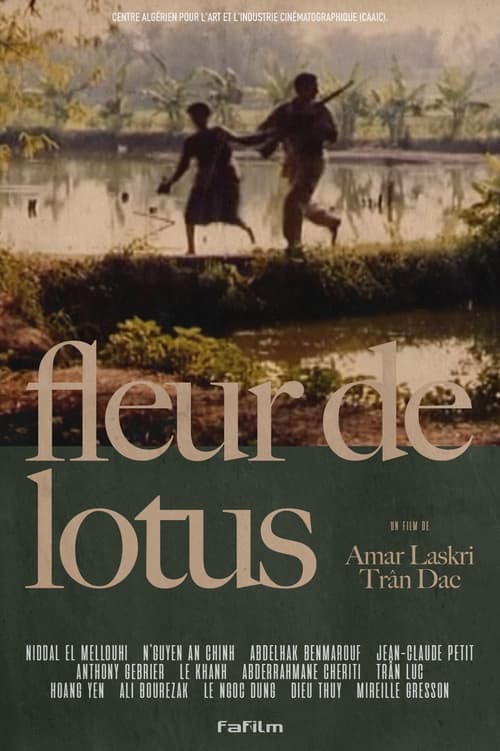
After his family was brutally murdered by French settlers on his wedding day, an Algerian man joins the French army and is sent to Vietnam to fight in the First Indochina War.