
Zina Saro-Wiwa
Directing
Known For

A weekly BBC Two magazine programme focusing on the best of the week's arts and culture news, covering books, art, film, architecture and more.
The Culture Show
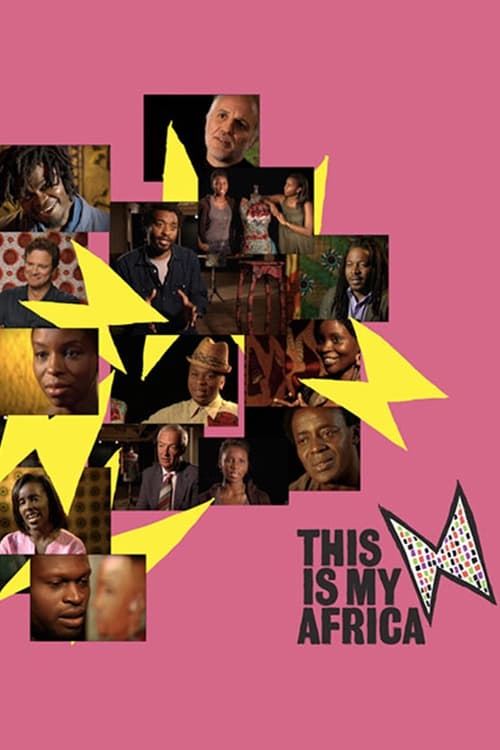
Interviewees discuss the memories, tastes and experiences that they associate with Africa for a personal vision of the continent.
This Is My Africa
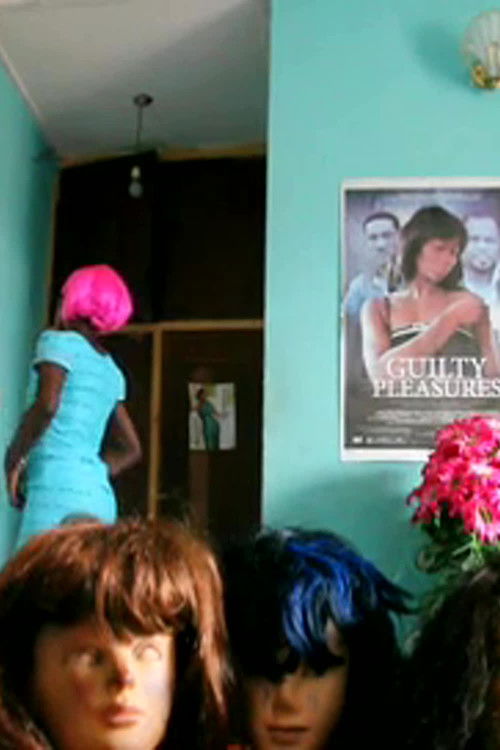
Phyllis is a moving and atmospheric portrait of a ‘psychic’ vampire, a woman obsessed with synthetic Nollywood dramas, that lives alone in Lagos, Nigeria. The central idea of this short experimental film is the practise and significance of wig-wearing in Nollywood film; a practise the director has invested with deeper psychological as well as science-fiction layers. Underpinning this central idea however is a critique of the unforgiving treatment of single women in Nollywood and Nigeria. The film is an example of what the director, Zina Saro-Wiwa, has termed “alt-Nollywood”, a genre that plays with and reworks certain narrative, stylistic and visual conventions of Nollywood. Phyllis explores the gothic possibilities of the Nollywood aesthetic creating a new kind of low-budget atmospheric film that is very much of Nollywood and yet subverts the genre. Using Nollywood to subvert Nollywood.
Phyllis

Short satirical fable about a 'child witch' called Comfort. The Deliverance of Comfort is a critical and densely-layered response to the belief in child witches in some parts of rural Nigeria and Africa. The film questions the very nature of belief and comments on the complex relationship between pre-Christian pagan belief and modern day Nigerian Christianity. The relationship between Exu, The Devil, the human spirit and God. Inspired by the low-fi special effects employed in Nigerian Nollywood films especially when the supernatural is being evoked, "The Deliverance of Comfort" uses these same techniques but challenges the conservative and unchanging ideas about the supernatural drawing uncomfortable conclusions. In essence using Nollywood to subvert Nollywood.
The Deliverance of Comfort
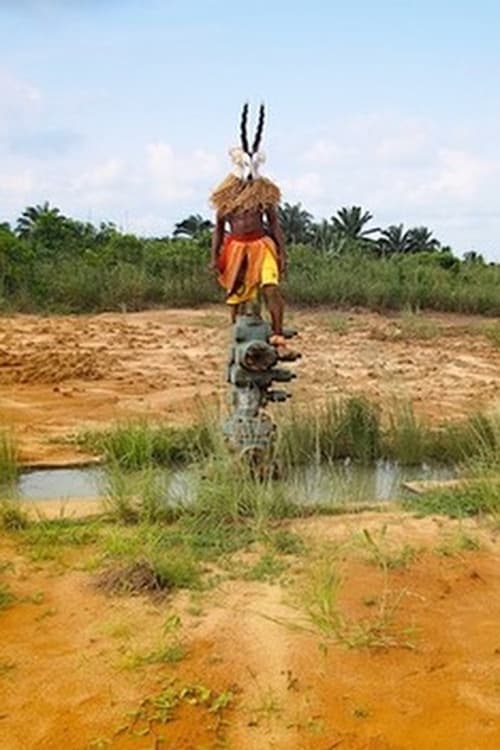
The Karikpo masquerade - a traditional dance of the Ogoni tribe - is transposed onto the remnants of a faded oil industry programme in the Niger delta.
Karikpo Pipeline
For this installation, each actress was asked to sit in front of the camera – baring their shoulders and covering their heads – and cry when prompted by Zina. They needed to produce real tears and engage with the camera as much as possible during the process, turning their emotions into a true performance as well as a test of endurance. The work explores the role of performance in expressing grief, drawing the viewer into the territory between the emotive and the emotional. The minimal, ghostly sound leaving room for the viewer to engage with the physical performance of grief. The lack of narrative and context but direct engagement of the subject also draws out the viewer’s own personal narratives engineering a form of catharsis.
Mourning Class: Nollywood
In the deeply meditative, 40-minute video triptych Kum: Soul of the Shadow (2021), we are confronted with a magnificent ancient Banyan tree that occupies a central place in an Ogoni village, around which the community gathers to make important decisions. The tree is named “Kum” by the people that live around it. Interacting with the tree is The Invisible Boy, a figure that appears in the works of Saro-Wiwa and represents a messenger between worldly dimensions. The work is a vision of the relationship between man and tree from an interdimensional spiritual lens. A place where the susurrations of the leaves and the singing of the birds take on a new meaning and where the human breath speaks and converses with the being of the tree. Together they suggest a winged angelic force and the revelation of a psycho-spiritual ecological system, forever at work, hidden in plain sight.
Kum: Soul of the Shadow
“Song of the Medicine Man" (approx 40mins) is a multichannel video work by Zina Saro-Wiwa, delving into the complex landscapes of herbal medicine in sub-Saharan Africa, with a specific focus on the Niger Delta region, central to the artist's practice.
Song of the Medicine Man
The Invisible Man is a series of works made between 2014 and 2016 in Ogoniland, Zina Saro-Wiwa’s ancestral homeland and the site of one of the most catastrophic international clashes between Big Oil and indigenous farmers. Her father, writer and Nobel Nominee Ken Saro-Wiwa, was murdered by the Nigeria government for his peaceful campaigning against Shell Oil’s pollution of the beautiful farming Eden that is Ogoniland. Saro-Wiwa decided in 2013 to return to Ogoniland to make work about the region which she saw being murdered all over again with the storytelling that emerged from the troubled region that focused on and fed the endemic violence that flourished. She knew instinctively that restitution did not lie in simply reporting violent clashes or oil spills, but rather she went to Ogoniland to listen to the land and feed the stories that connected the people to their environment and celebrated their way of life.
Invisible Man: The Weight of Absence
In this seminal performance-lecture-film, artist Zina Saro-Wiwa navigates the moral, philosophical and cultural conundrums that arise from the very existence of contemporary traditional African art. A large part of Saro-Wiwa’s artistic practice explores the masquerade traditions of Ogoniland, her ancestral ethnic group from the Niger Delta. Yet Saro-Wiwa’s hybrid identity has forced her to consider how African masks live concurrently in the West and in present-day Africa and how these African art worlds impact one another especially at a moment when restitution is being demanded. In Worrying the Mask, Saro-Wiwa challenges the call for the restitution of African art by privileging storytelling over geographical location.
Worrying The Mask: The Politics of Authenticity and Contemporaneity in the Worlds of African Art
Looped video from the Illicit Gin Institute studio.
Baptism
The video performance of the Eaten By The Heart series is represented by a 62-minute video installation featuring 12 different African and diasporic couples kissing for between 4 and 7 minutes each and a trilogy of short documentary films that explore love and heartbreak in the black diaspora.
Eaten By The Heart
“Opera di Muxaro: Ballata dell’Africana Errante” (Ballad of the Wandering African) is a new short film by British-Nigerian artist Zina Saro-Wiwa shot entirely in Sant’Angelo di Muxaro in the Agrigento region of Sicily. The film, which was conceived, shot and edited in two weeks is about existing in peace during war and existence as war during peace time. The film is about the cognitive and emotional dissonance of surviving societal collapse but finding yourself in an almost problematically beautiful place that suggests sanctuary and maybe even the afterlife.
OPERA DI MUXARO: Ballante dell’Africana Errante
Niger Delta: A Documentary is a looped video that was shot at a beachfront in Ogoniland. A red plastic chair sits, apparently unoccupied, with the Omo river flowing behind it. The scene seems to be a still life but in reality it is anything but.
Niger Delta: A Documentary
In 2011, Zina made Sarogua Mourning, a video installation that confronted her inability to mourn her father’s death and explored the relationship between performance and catharsis.