Directing
Who owns the public space? Urban Contradictions documents the State's poorly planned interventions in public spaces, segregating social strata, the neglect of the problems resulting from this social exclusion. Condomínio Selva de Pedra, Cruzada São Sebastião, both in the upscale neighborhood of Leblon, Rio de Janeiro. And the traditional neighborhood of Catumbi: Solutions, Organizations and Contradictions. Urban Contradictions is the report of an investigation on citizen identity and the use of urban spaces.
No description available.
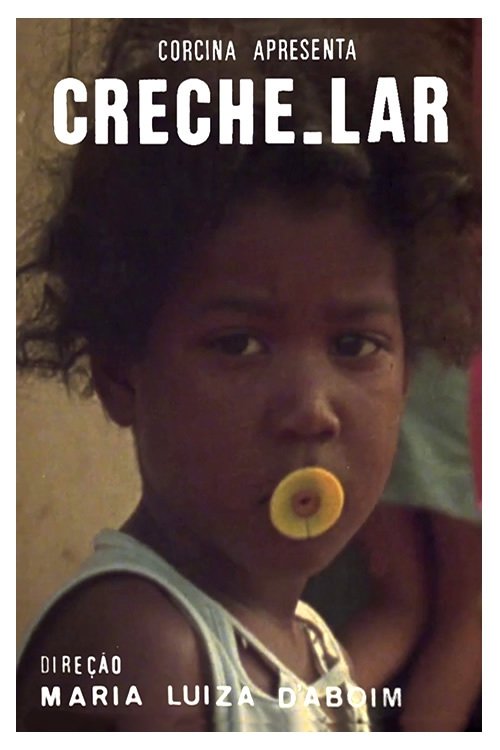
A community daycare experience in Vila Kennedy, Rio de Janeiro, where resident mothers works in the neighborhood.
Documentary-manifest in defense of the inclusion of the Brazilian short film in the national cinema circuit, accompanying each foreign feature film as a market reserve
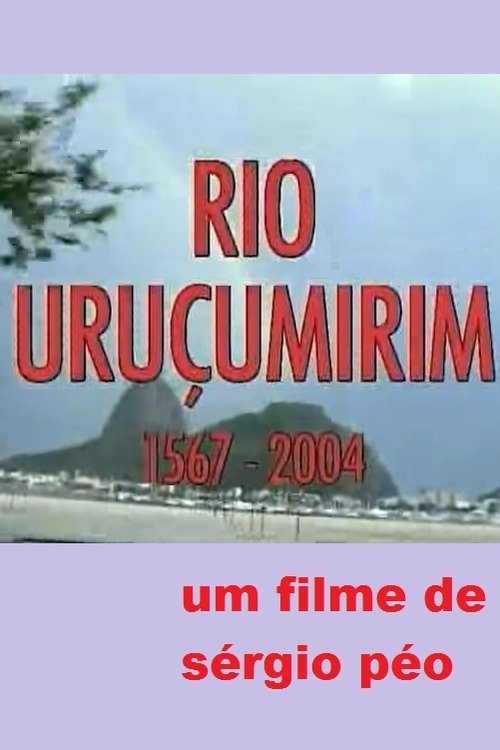
Rescue bridge of the Tupinambá de Uruçumirim village, headquarters of the Tamoia Confederation until 1567, when it was destroyed in a genocidal operation, commanded by Portuguese led by Estácio de Sá, with the support of the Jesuits Manuel da Nóbrega and Anchieta, here founding the city of Rio de January. Testimony and contemporary point of view from Pajé Sapaim Kamayurá.
Biographical profile of the painter Guido Viaro, relating his experience in fascist Italy to the dictatorship of Getúlio Vargas.
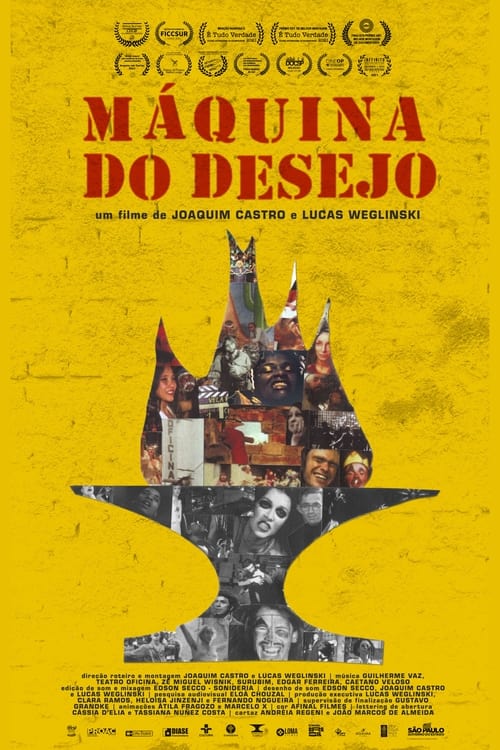
In six decades, Teatro Oficina has done more than revolutionize theatrical language in the country: the aesthetic influence of José Celso Martinez Corrêa's company extends from Tropicalism to the renewal of Brazilian audiovisual languages from the 1960s onwards. The film revisits a story that it involves personalities such as Caetano Veloso, Glauber Rocha, Lina Bo Bardi, Chico Buarque and Zé do Caixão, brings together scenic art, ecology, architecture and sexuality, and mixes art and life in the search for a Brazilian based language.
Criticism of renowned filmmakers to the boycott of the 1976 Law that regulated the exhibition of short films in commercial movie theaters in Brazil. The success of the result of this Law fostered the production of films in this category that were very well received by the public. Olho no Olho is a denunciation of the colonialist power that strangles the national audiovisual media and aims to reformat the world in its image.
After assaulting a Hollywood film crew, a group of residents of a community in Rio de Janeiro decided to produce a film that would express the reality of Brazil - with the theme of Inconfidência Mineira.
Filming of the historical montage of Oswald de Andrade's play, where decadent millionaires, depraved children, corrupt and implacable capitalists are the characters interpreted by the Grupo Oficina, in a celebrated theatrical performance from 1967, fundamentally recorded in 1971 and released only in the 1980s.
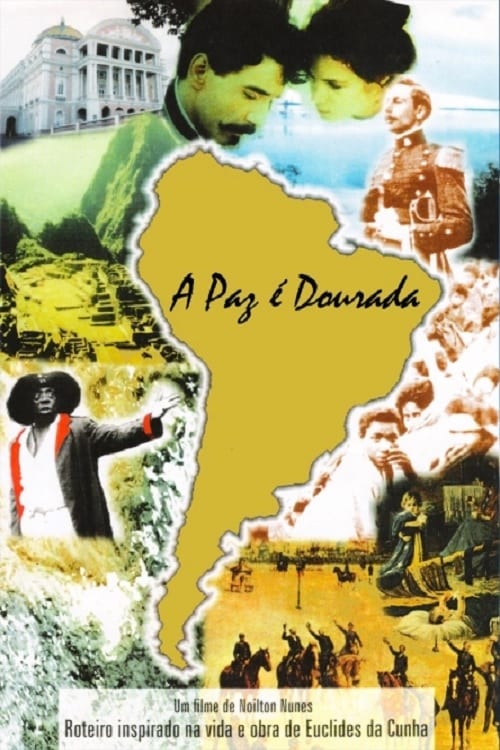
The film chronicles both the life and work of Brazilian author and engineer Euclides da Cunha and a failed attempt at directing his biopic in the 1980s and 1990s. Footage from the unfinished film is included alongside archive and documentary material.
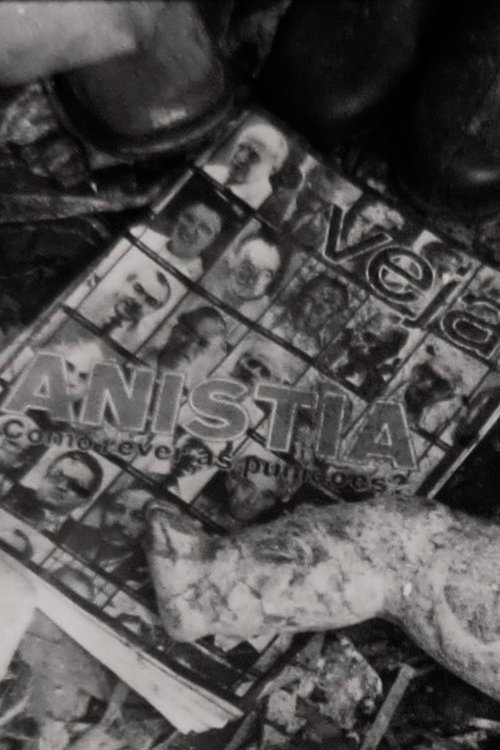
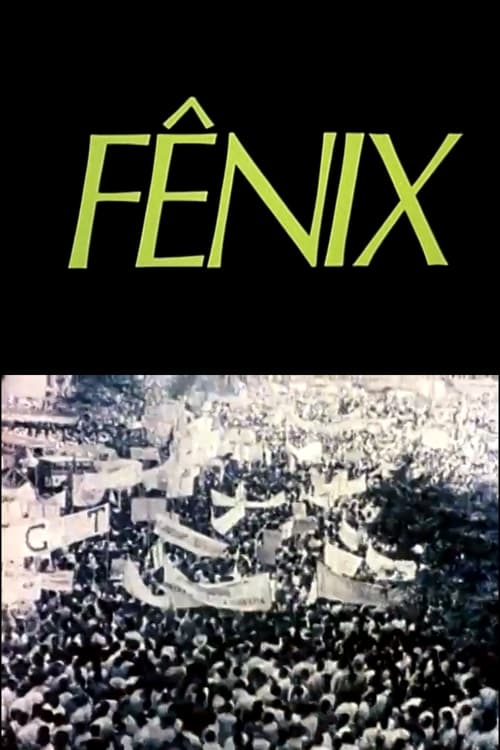
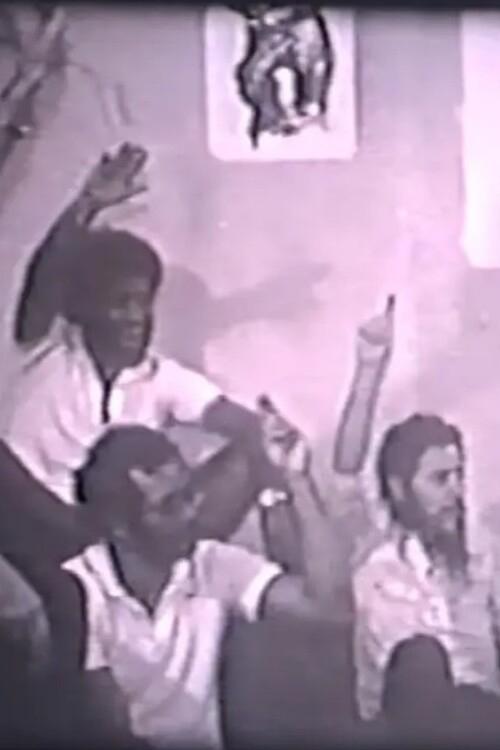
In August 1979, during the military dictatorship in Brazil, a hunger strike that began at the Frei Caneca prison in Rio de Janeiro spread across the country, demanding the expansion of the Amnesty Law, which initially did not intend to include political prisoners who had committed homicides. To document this moment and strengthen the strike, the prisoners conceived and clandestinely produced the short film "Água, Açúcar e Sal".
Manifesto of the Pataxó tribe, with the testimony of the chief José Guajajara, in front of the Monument to Estácio de Sá, where the Tamoios massacre took place in 1567, on the coincident day that celebrates the foundation of the city of Rio de Janeiro, 20 January.
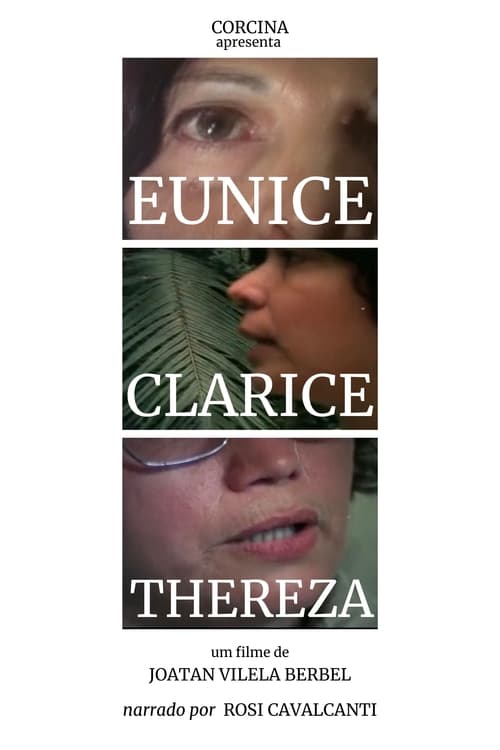
Three widows of political prisoners united against the dictatorship in Brazil and the repression of the military regime.
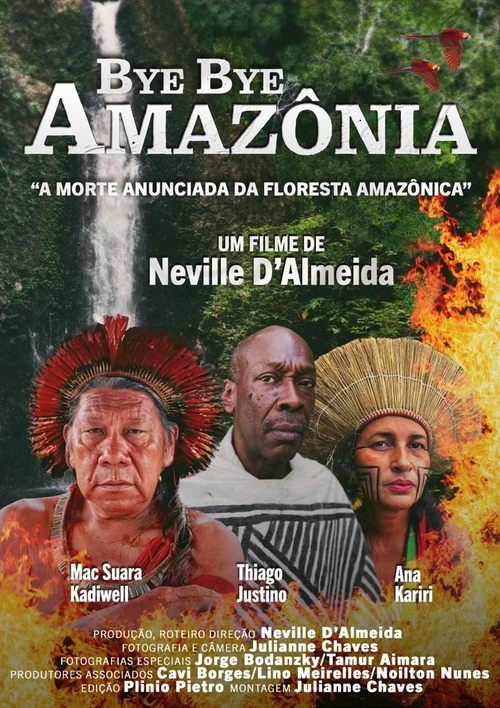
Neville D'Almeida’s “Bye Bye Amazônia” tackles on the problems that plague the world’s biggest rainforest and its native people.