Directing
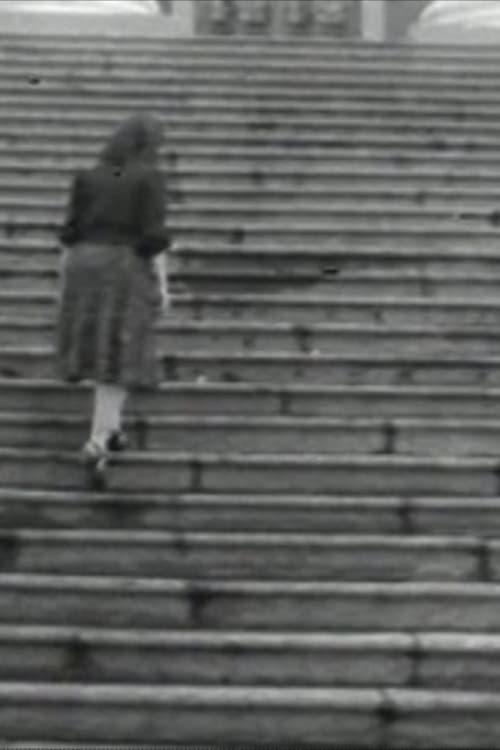
A woman is followed as she walks through a building and up sets of stairs.
Documentary about João Nogueira, popular singer and composer from Rio de Janeiro
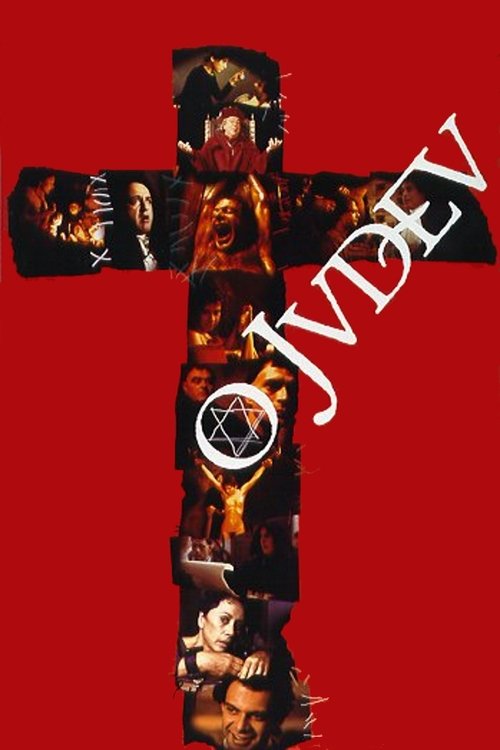
The story of Brazilian Antônio José da Silva, a jewish poet, playwright and lawyer living in the 18th Century Lisbon, who managed to avoid Inquisition by converting himself to Catholicism, after being tortured. But his fierce criticism of Portugal's élite led him to persecution and torture, becoming kind of a scapegoat.
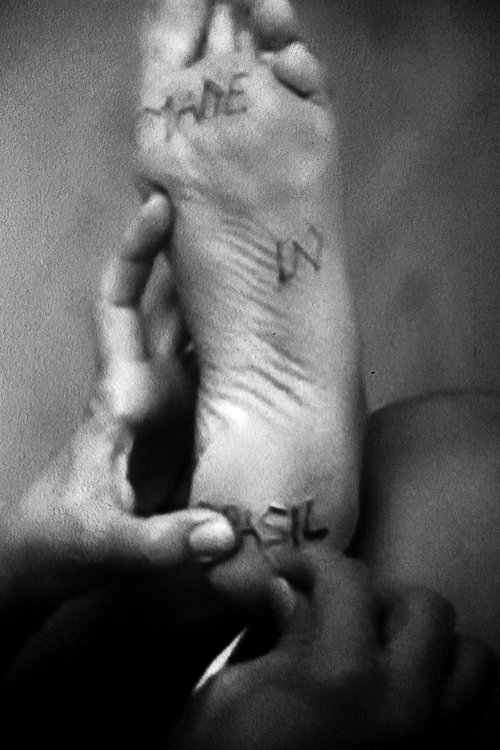
The artist sows the word 'Brasil' into the sole of her foot.
Documentary about Guinea-Bissau, African soccer, and the colonial emancipation movement.
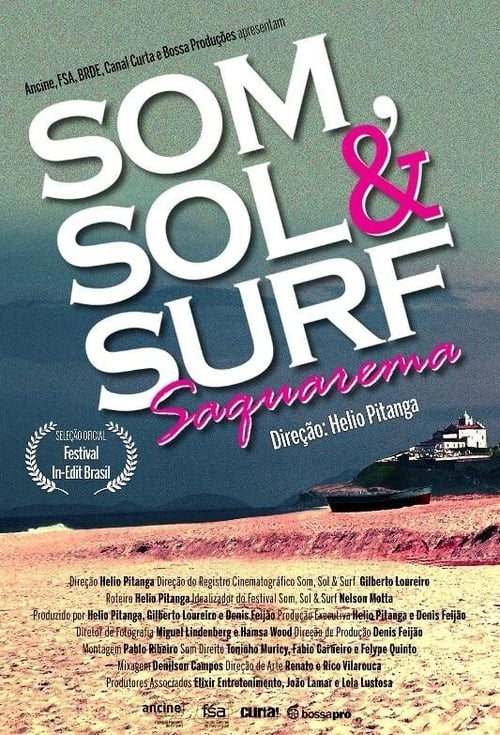
In 1976, a great rock show, called "Som, Sol & Surf", took place on Itaúna beach, in Saquarema and also had a surfing championship. For three days, a crowd of young people enjoyed songs by Rita Lee, Angela Ro Ro, Raul Seixas and others.
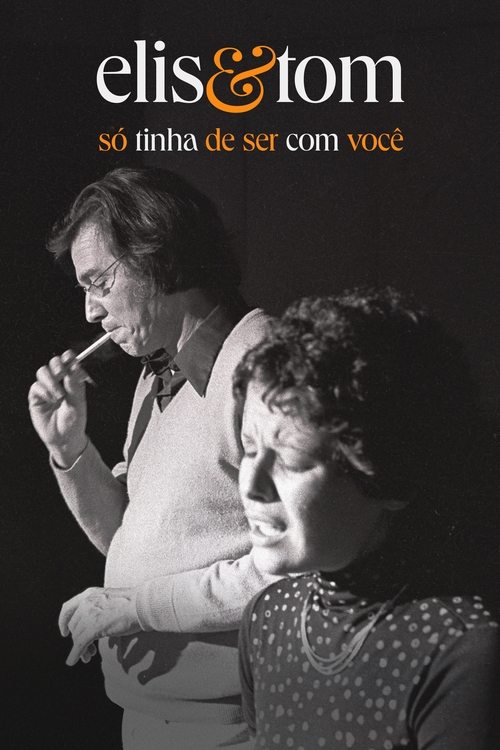
Elis & Tom is considered one of the most important albums in the history of Brazilian music. Recorded in Los Angeles, in 1974, it was all captured by a team of filmmakers led by director Roberto de Oliveira, who arranged for the duo to meet. The original footage was kept for 45 years until restored and remastered in 2018. The film is also an exciting reunion of the director with the artists and the material he filmed nearly five decades ago.
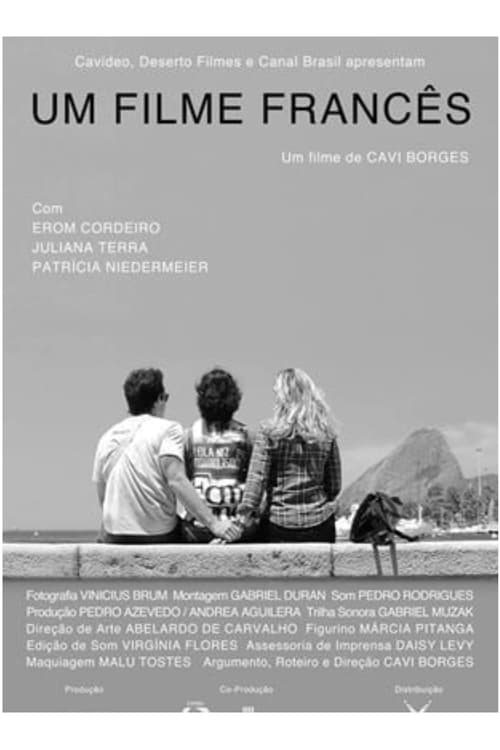
Cléo is making her first film, inspired by french cinema and the nouvelle vague.
In Preparação I (Preparation I) Letícia Parente prepares herself to go out. In front of a bathroom mirror, she places bandages over her mouth and eyes, draws eyes and a mouth over the bandages, fixes her hair, takes her bag and leaves the room. This masquerade becomes a political commentary about the female gaze, voice, modes of interaction, sociality and corporeality in Brazilian society during the 1970s.
Two contrasting social groups get in touch: three architects and three street urchins, all struggling for survival.
No description available.
Filming of the historical montage of Oswald de Andrade's play, where decadent millionaires, depraved children, corrupt and implacable capitalists are the characters interpreted by the Grupo Oficina, in a celebrated theatrical performance from 1967, fundamentally recorded in 1971 and released only in the 1980s.
The training process of professional soccer players has become part of a powerful economic system. The case of Pintinho illustrates the drama not only of soccer players, but all those gifted with talent and potential who permanently struggle against the social and economic conditions in which they live and which hinder their personal realization. The film shows soccer as one of the few ways of escaping poor social conditions, as well as the high price of success, the problems in overcoming personal limitations and bearing the pressures of premature expectations.
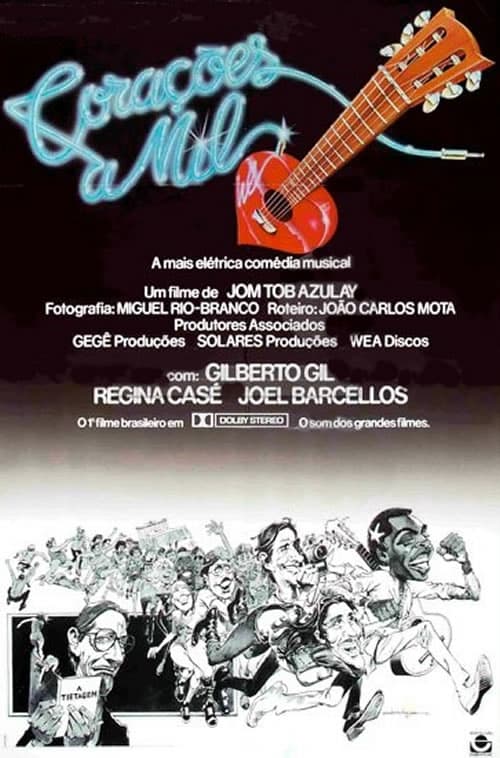
University teacher investigates the life of a famous Brazilian musician, trying to discover the secret of mass communication through his songs and performances, while ultimately falling in love with one of his groupies.
Letícia Parente was a pioneer of video in Brazil, and In is one of her earliest video works. It depicts the artist entering a closet, suspending herself from a hanger, and closing the door. Parente used video as a political tool to protest the military dictatorship in Brazil, and to comment on the mass torture committed by the government. Much of her work concerned domestic space and its association with conventional roles to which women were expected to conform. Several videos by Parente transform daily household tasks into forms of resistance.
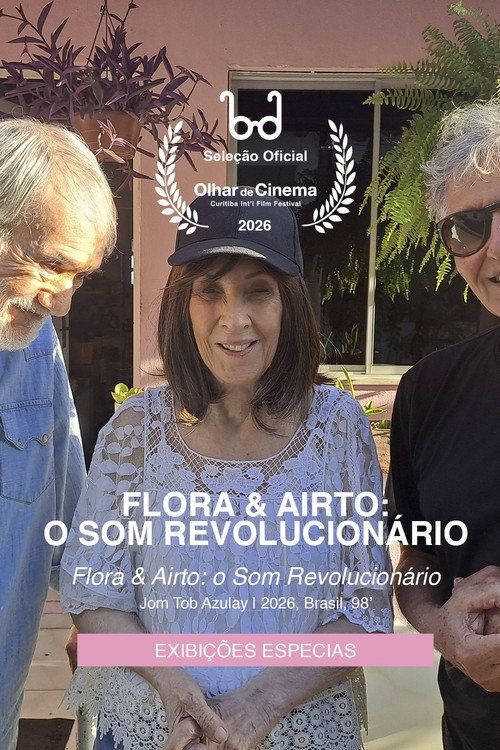
A feature-length musical documentary about the history of the celebrated musician couple Flora Purim and Airto Moreira, who helped shape the global music scene from the 1970s onward as pioneers of jazz fusion. Set against a present-day recording session, the film interweaves the artists’ personal and professional lives, past and present.
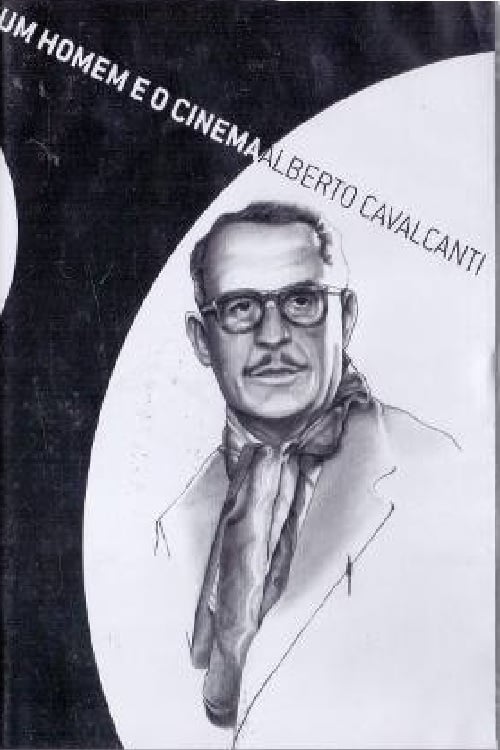
Alberto Cavalcanti reviews his own prolific career as a filmmaker.
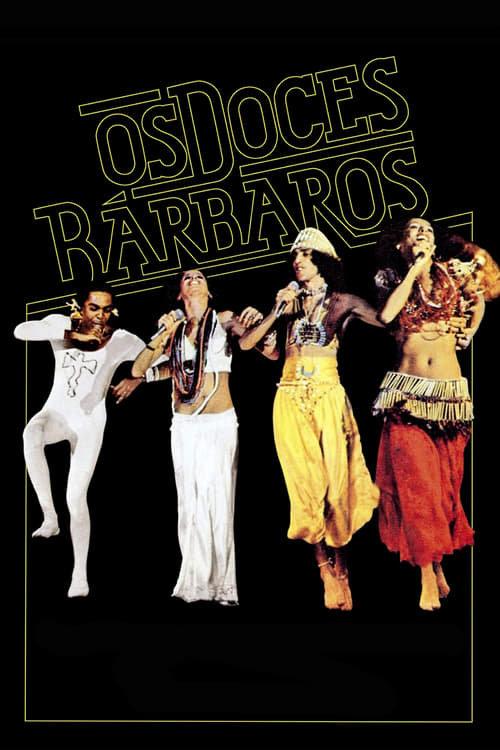
The film records the commemorative tour of the ten years of the career of the Bahia singers Caetano Veloso, Gilberto Gil, Maria Bethânia and Gal Costa, who formed the group with the name of Doces Bárbaros (Sweet Barbarians), at the suggestion of Bethânia. Conceived to present the shows of the live album that would be released (Doces Bárbaros - Live), the documentary changed of tone when registering the arrest and judgment of Gilberto Gil and of a companion by possession of drugs. Gil was forced to go to a detox clinic, and only went out to participate in the programmed shows.
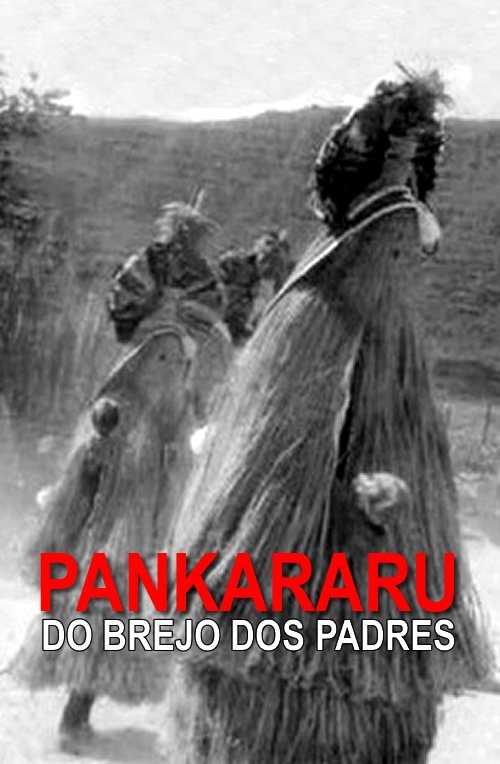
The ritual of the ‘umbu festival’ and the daily activities of the Pankararu indigenous people, dedicated to subsistence farming. Located 100 kms from Paulo Afonso, in the backlands of Pernambuco.