Irene Höfer
Production
Known For
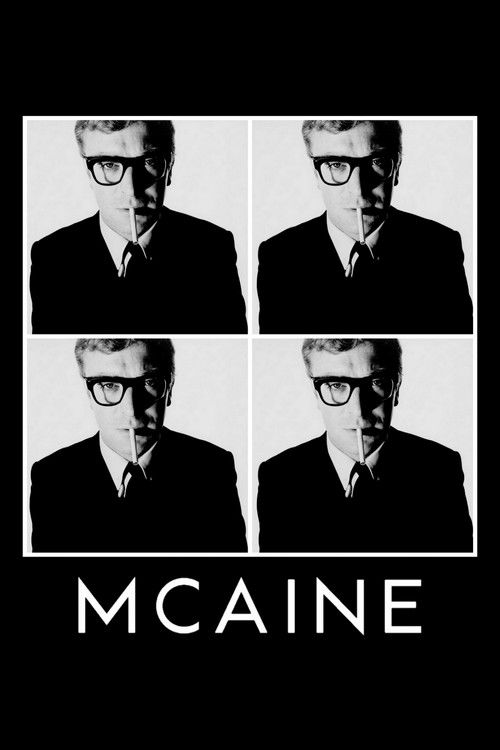
Legendary British actor Michael Caine, who began his brilliant career on stage during the 1950s, talks about his private life, his work in film and the books he has written.
MCAINE: An Anagram of Cinema

No description available.
Die gefährlichsten Bahnstrecken der Welt
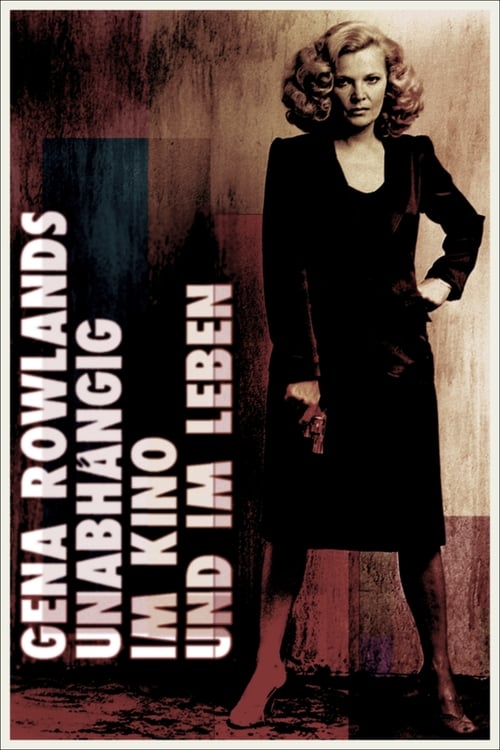
An intimate portrait of the superb actress Gena Rowlands, icon of independent cinema. Together with her husband, legendary director John Cassavetes (1929-89), she lived an unusual life beyond the dream factory, a life in which reality and fiction were so perfectly intertwined that it made possible films that still today seem incredibly real.
Gena Rowlands: A Life on Film
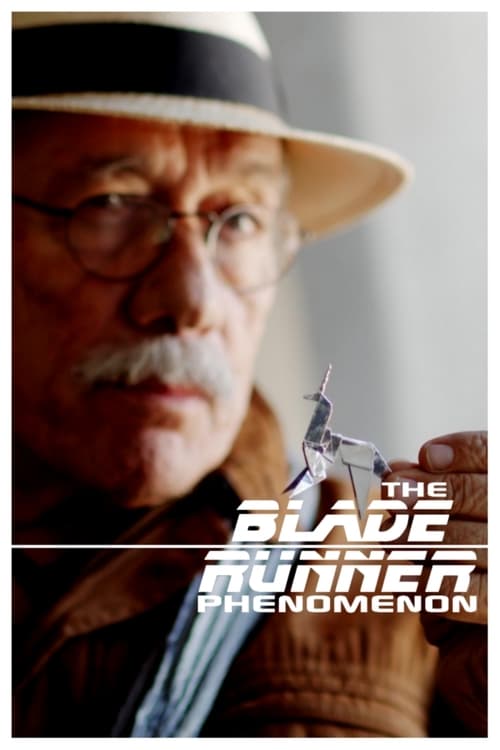
Ridley Scott's cult film Blade Runner, based on a novel by Philip K. Dick and released in 1982, is one of the most influential science fiction films ever made. Its depiction of Los Angeles in the year 2019 is oppressively prophetic: climate catastrophe, increasing public surveillance, powerful monopolistic corporations, highly evolved artificial intelligence; a fantastic vision of the future world that has become a frightening reality.
The Blade Runner Phenomenon
A personal essay about the United States viewed through the life and work of the late American film and stage actor Henry Fonda.
Henry Fonda for President
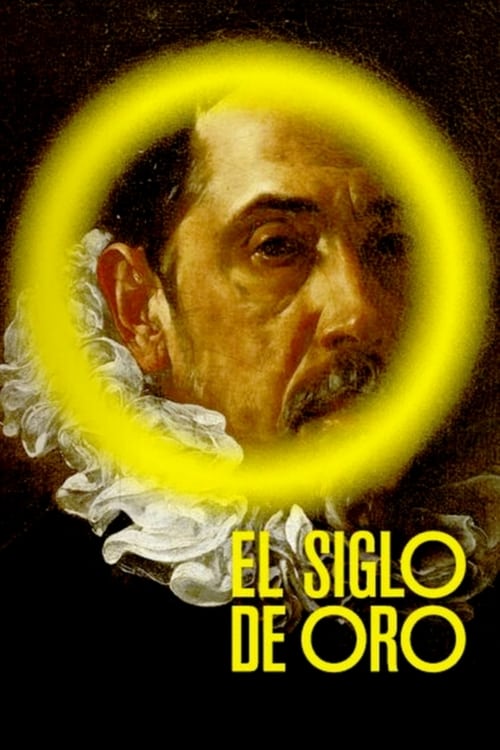
A journey through the Spain of the Baroque, the glorious 17th century, an unfortunate era of endless wars and political tribulations; but also of great painters and sculptors who created astonishing pieces of art: el Siglo de Oro.
The Spanish Golden Age
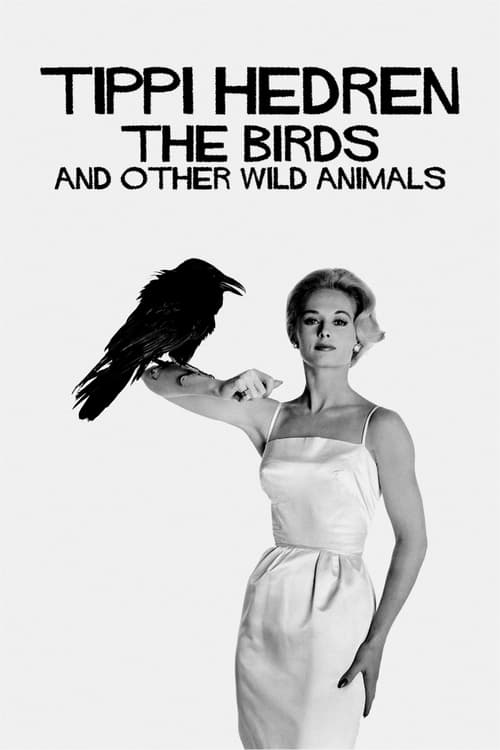
Tippi Hedren, the unforgettable actress who starred in The Birds (1963), made in her memoirs a relentless portrait of its director, the genius British filmmaker Alfred Hitchcock (1899-1980), the same one who, despite his disturbing personality and questionable working methods, made her a Hollywood star. From Minnesota to Hollywood, the true story of a unique performer and a free woman.
Tippi Hedren: The Birds and Other Wild Animals
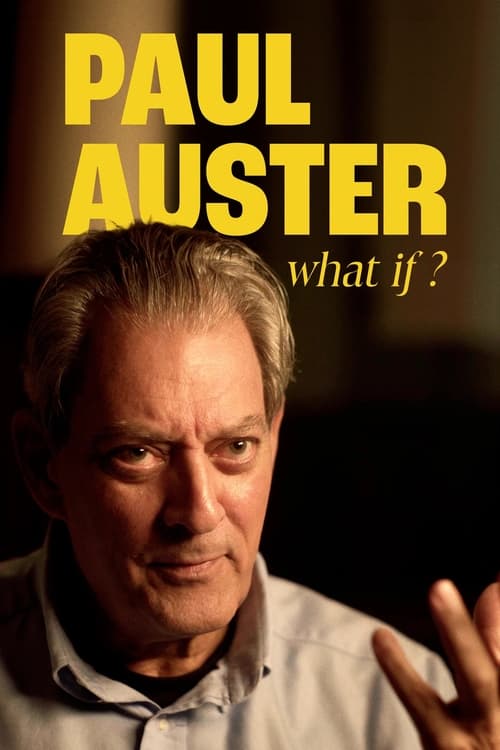
A look at the world of US writer Paul Auster, on the occasion of the publication of his new novel, an exploration of human identity and the soul of New York, the city that Auster has portrayed as no one else has ever done.
Paul Auster: What If
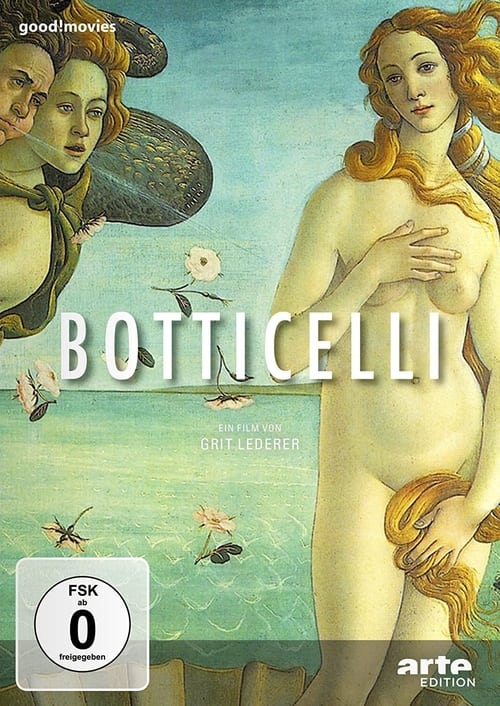
Renaissance artist Sandro Botticelli (1445-1510) is both a cultural icon and a lasting source of artistic inspiration. His famous female figures, like Venus and Primavera, have become part of our shared visual memory and influence artists worldwide. Berlin director and art historian Grit Lederer explores Botticelli’s life and work, focusing on the Gemäldegalerie’s impressive collection. The film examines how his iconic paintings continue to inspire art and advertising today. Experts reveal what makes his style unique and why his work was forgotten for centuries after his death. Contemporary artists such as French artist Orlan and American Michael Joaquin Grey present works inspired by Botticelli. The documentary traces Botticelli’s enduring impact from Florence through Paris and New York to Berlin.
Botticelli
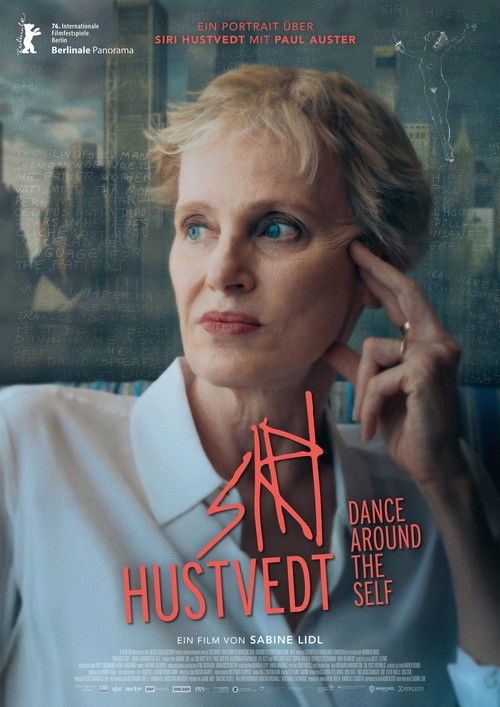
Sabine Lidl presents Siri Hustvedt’s journey from her first novel to being a leading voice in contemporary literature – a film about feminist perspectives, Hustvedt’s soulmate Paul Auster, and the power of thought.
Siri Hustvedt – Dance Around the Self

She is the grande dame of German and international cinema, always a bit of a rocker chick, freedom-loving, adventurous and willing to take risks. This portrait unfolds Iris Berben's career, which has spanned more than five decades - between the art of film and television, between rock 'n' roll and political commitment.
Iris Berben - Ein persönliches Porträt
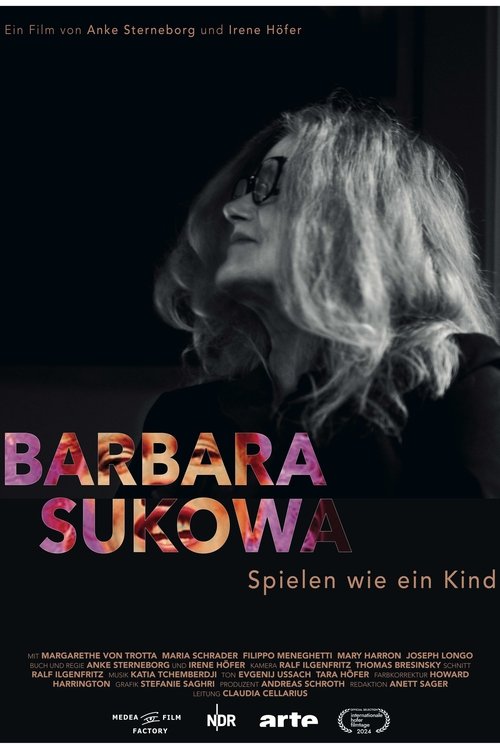
“Acting is something anyone can do,” says Barbara Sukowa. “It’s completely intuitive and instinctual, much like a child dressing up.” Those who have worked with her say that what she does is true artistry. Barbara Sukowa, a star of Fassbinder’s films, an icon, and a role model. Who says there are hardly any interesting roles for women beyond forty? New challenges continually come her way. A few years past normal retirement age, she is launching into a remarkable new chapter. The film chronicles the path of an internationally successful actress to this day.
Sukowa - Playful Like A Child
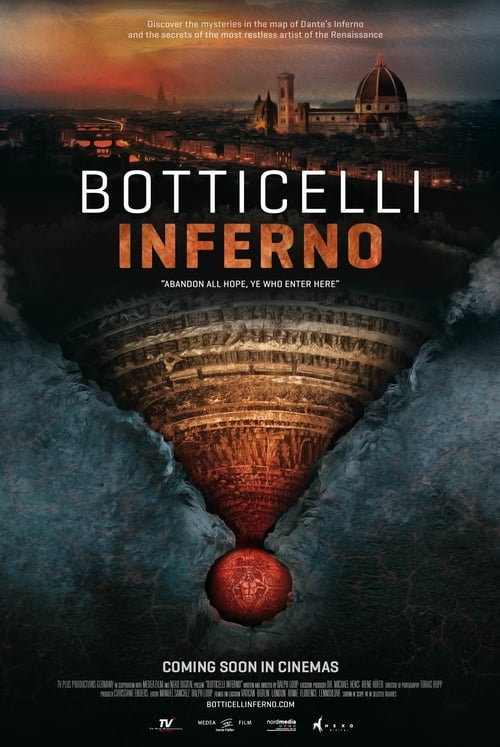
The Renaissance master Botticelli spent over a decade painting and drawing hell as the poet Dante described it. The film takes us on a journey through hell with fascinating and exciting insights into Botticelli's art and its hidden story.
Botticelli – Inferno
No description available.
Fame - Hunger nach Ruhm
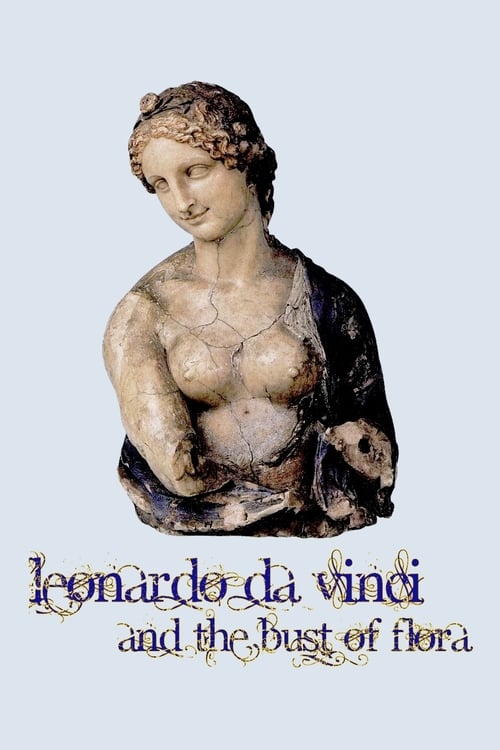
Acquired in July 1909 by art collector Wilhelm von Bode (1845-1929), director general of the Prussian Art Collections and founding director of the Kaiser-Friedrich-Museum, now the Bode-Museum, the Bust of Flora, Roman goddess of flowers, has been the subject of controversy for more than a century.
Leonardo da Vinci and the Bust of Flora
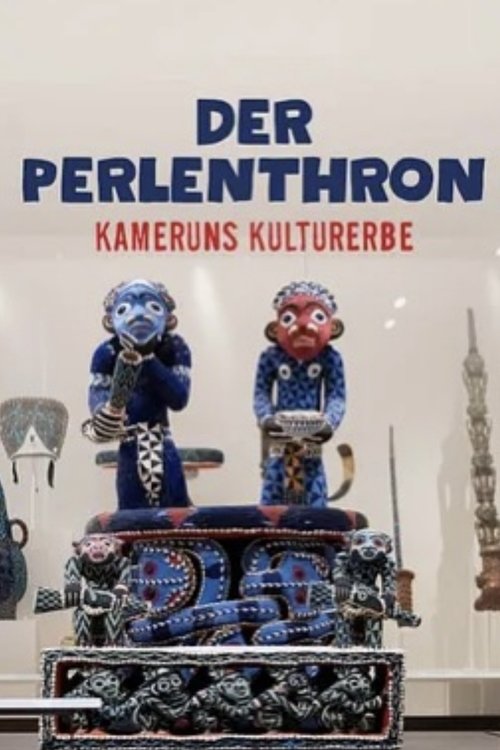
Germany holds the largest collection of Cameroonian cultural objects in the world in its Ethnological museums. One important piece is 'Mandu Yenu' the Royal Throne of Bamum, a striking work adorned with glass beads and cowrie shells, also known as the Pearl Throne. What should be done with this masterwork and other pieces overshadowed by their colonial heritage?
The Pearl Throne
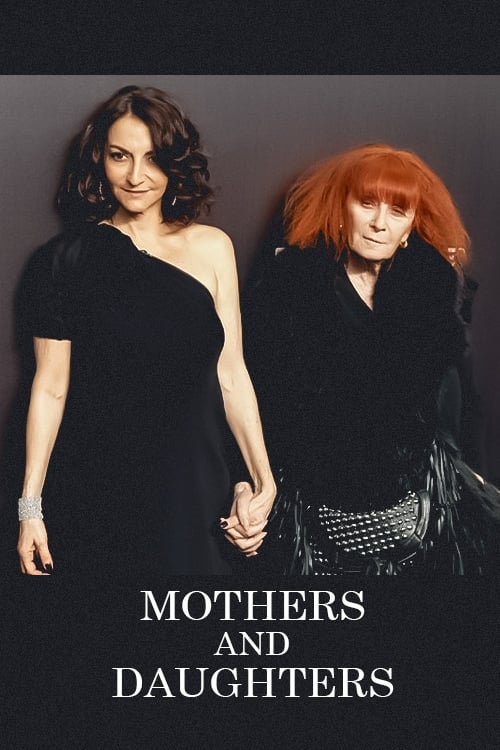
Relationships between mothers and daughters are often very complex. Love and protective instincts, recognition and pride play just as important a role as patronization and envy, dependency and jealousy. This documentary allows prominent mother-daughter pairs to have their say, being surprisingly open about birth and puberty, growing up, sexuality and old age.
Mothers and Daughters
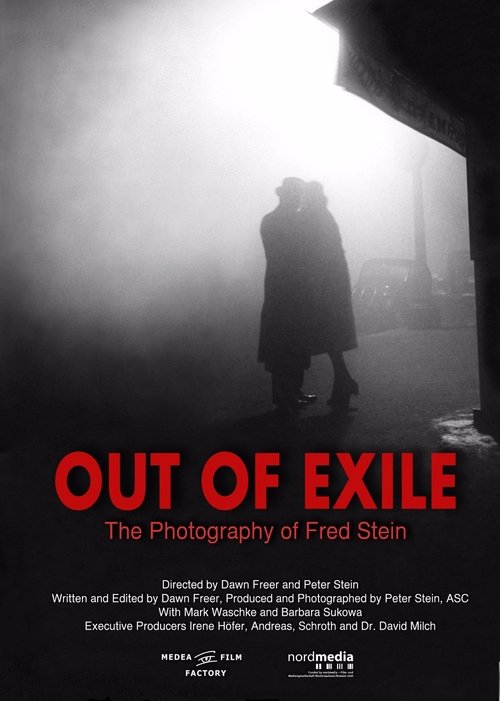
The life of German photographer Fred Stein, whose street scenes from 1930s Paris and 1940s New York are well known. While caught up in the darkness of World War II, Fred Stein creates thousands of photographs.
Out of Exile: The Photography of Fred Stein
Documentary about Austrian city Judenburg and its art scene.
Judenburg findet Stadt
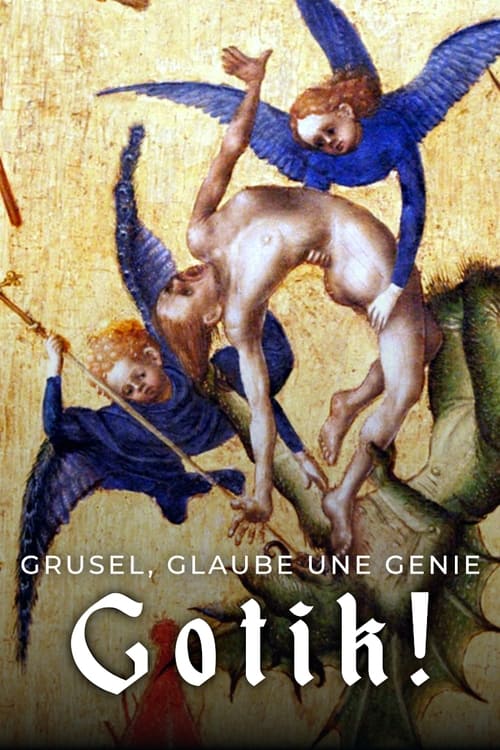
Death and the devil, nudity and eroticism, horror in blazing colours, Gothic art cast a spell over people 500 years ago. In these image-poor times, art deliberately and skilfully played with the emotions of the viewer, triggering fear, devotion, but also rapture. Art documentary on German gothic art of the late-middle ages.