
Aysun Bademsoy
Directing
Biography
Aysun Bademsoy was born in Mersin in 1960 and aged nine moved to Berlin, where she still lives. She made her first foray into film as an actress, whilst also studying theatre and media studies at Berlin’s Free University. She got together with students from the German Film and Television Academy Berlin (DFFB) and took on assistant editing and directing roles. Her first documentary film saw her working with young people, using their migrant experience to bring a fresh perspective to the social landscape of Germany. The various realities of life in Berlin are a recurring theme in her observational documentaries, juxtaposed with the counter-shots of people in Turkey who have left Germany. Her films have screened at numerous international festivals. Since 2024, the Deutsche Kinemathek (German audiovisual heritage institution) took on the task of preserving and digitally restoring her work.
Known For
Liebling Kreuzberg was a television series on ARD, which was sent in five seasons with a total of 58 episodes the first time from 1986 to 1998. The scripts of seasons one through three and five were from Jurek, of his friend Manfred Krug wrote the role of idiosyncratic Berlin attorney Robert favorite on the body, the fourth season was written by Ulrich Plenzdorf. Director Heinz Schirk, Werner Masten led and Vera Loebner. Producing Series transmitters were the SFB, the NDR and WDR. The music of the first season was. Hans-Martin Majewski, in the later seasons of Klaus Doldinger.
Liebling Kreuzberg
No description available.
Direktion City

Clara and Hans are left-wing terrorists who have been sought by police for almost fifteen years. Their increasingly rebellious daughter Jeanne begins to pose a threat to their security when she falls in love with a boy she meets on the beach.
The State I Am In
Drifters tells of Karin, a past-her-prime cosmetics saleswoman, with her increasing exasperation with her life and her dreams of leaving it all behind and living in Paris. An unlikely but entertaining plot develops, where anything can happen.
Pilots
Tom steals Tina's love and money, and five years later they meet again by chance. Both wanting to get back what was taken from them, they dream of traveling to Cuba. In the end, however, they only manage to get as far as the Belgian coast.
Cuba Libre
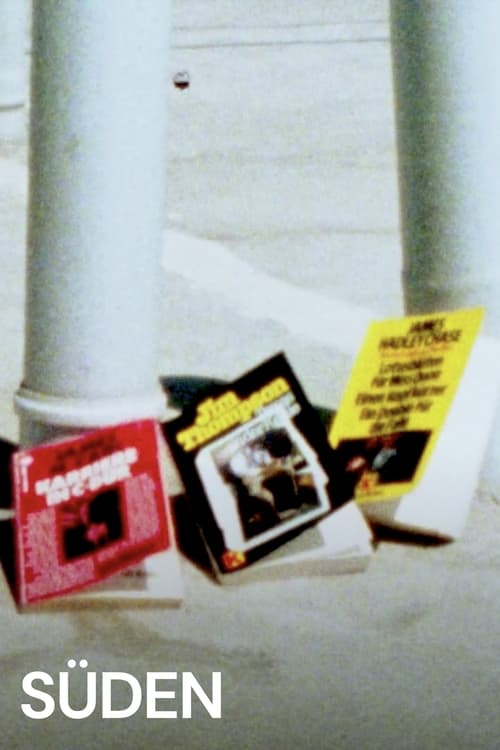
A lonesome car. The wind is whistling. A door of an undefined building opens—is it a holiday bungalow, a shed or a ruin? A woman is standing at the window. The heat of an idle day of holiday, perhaps. The South, a place of longing.
South

“You got to try to live your own life,” Arzu, one of the football players from the Turkish-Kreuzberg girls’ team Ağrı Spor, demanded in a 1995 film by Aysun Bademsoy. Today she is in her late forties and leads her own life, like her former teammates Türkan, Nalan and Nazan. Bademsoy visited the four of them for the fourth time, following their lives, recalling their visions for the future from back then. And this time she also talked to their daughters, some of whom on the brink of adulthood, who also think about adaptation, tradition, religion and culture. Little has changed between then and now, being German remains a difficult question to answer for every generation.
Game Changers

A documentary film about a Berlin police unit comprised of five former foreign nationals. Their primary areas of operation are neighborhoods with a high immigrant population. The camera follows them on their day and night shifts, documenting operations and arrests, and exploring the unit's self-image.
Deutsche Polizisten: Viele Kulturen - eine Truppe
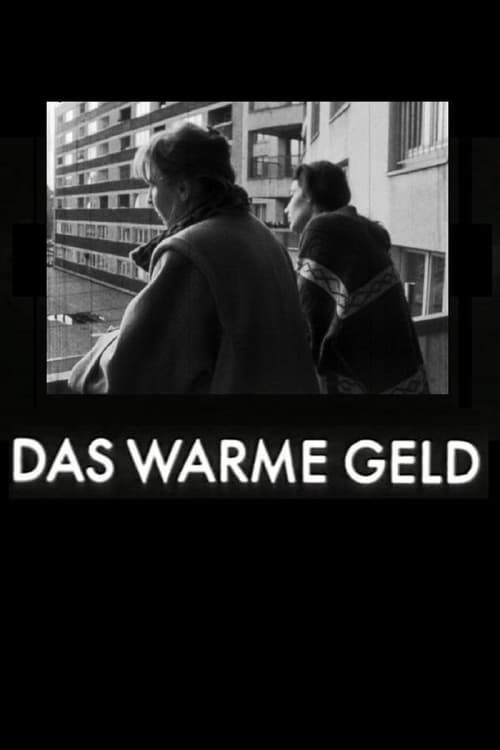
Vera and Heike are two friends who aspire for a dazzling lifestyle, but don’t own any savings to do so. Vera decides to start stealing from men while sipping drinks with them in bars. When Heike takes over her job, her technique doesn’t prove as successful and she ends up being caught at once.
The Warm Money
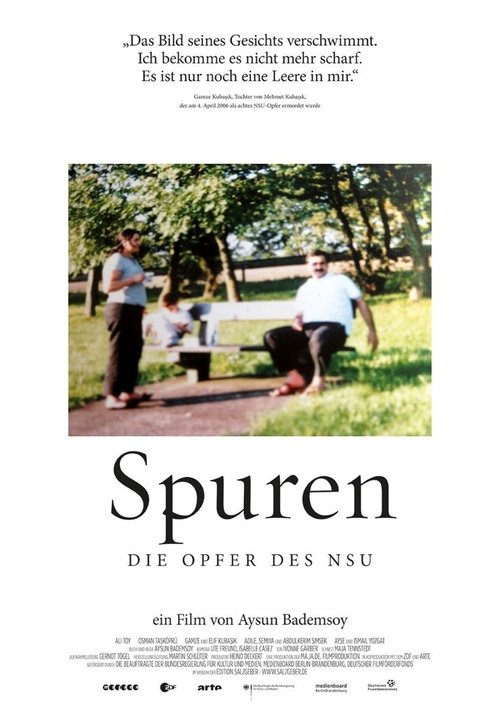
Between September 2000 and April 2007, eight men with Turkish roots, a man of Greek descent and a German policewoman were murdered. The investigations were initially carried out exclusively in the vicinity of the non-German victims suspected of drug trafficking and organized crime. The families of the murdered were thus victims again, this time of prejudicial stigmatization. After a failed bank robbery, the trail finally led to the right-wing extremist terrorist group National Socialist Underground (NSU). After the suicide of the two main perpetrators, the trial against the only survivor of the NSU trio, Beate Zschäpe, and four alleged helpers and supporters began in 2013 and ended in 2018.
Spuren - Die Opfer des NSU
Documentary about individual and social meanings of the word "honour".
Ehre
Bernd gets to know Ayshe, who is of Turkish origin.
Zuhaus unter Fremden
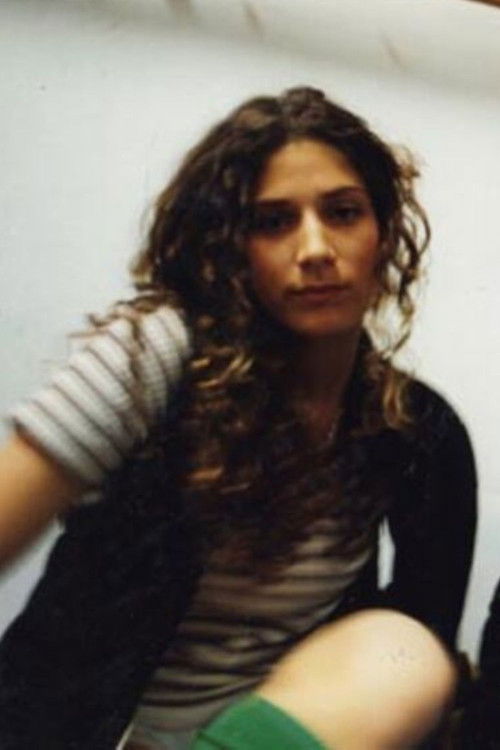
Make-up and cleats are not mutually exclusive for the soccer players from "Agrispor". In "Mädchen am Ball", Aysun Bademsoy accompanies five young Turkish women on their way up in a women's soccer team in Berlin.
Mädchen am Ball
Portraits of students of Berlin Film School.
19 Portraits
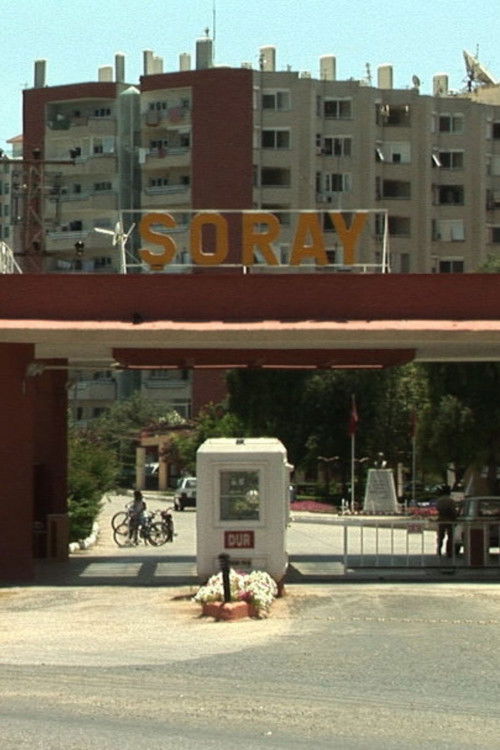
Documentary about turkish expats returning to Turkey.
Am Rand der Städte

A short documentary about a Turkish schoolgirl in Cologne who, alongside her high school graduation preparations, trains as a boxer in a gym – the only woman among countless men. The young woman, who wants to work in Turkey after completing her studies, demonstrates that it is possible to lead a self-determined life beyond all Muslim stereotypes without having to give up family ties and tradition
Girl in the Ring
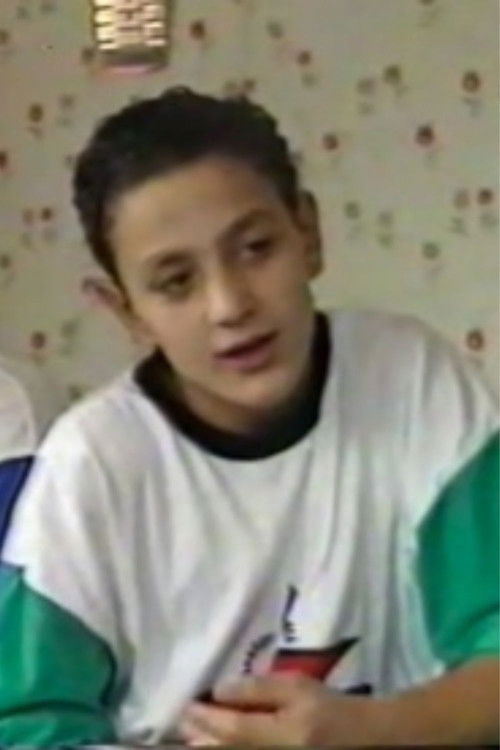
Yusuf and Yavuz attend a German-language school in Turkey – they only return home to their family in Germany during the summer holidays. "Nirgends ist man richtig da" explores the meaning of "home."
Nirgends ist man richtig da
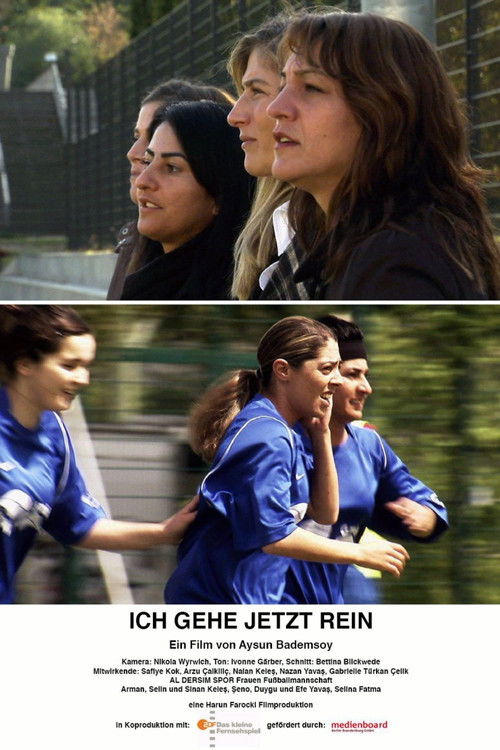
Director Aysun Bademsoy continues her long-term documentary on the lives of five Turkish women in Berlin. Whereas 13 years ago, they were still optimistic and rebellious, their lifestyle is now more conformist. Together, they take a look back at the good old times and the difficult path that led them here. Despite all the frustrations and hardships, we can still feel how determined they are and see the sparkle in their eyes. Bademsoy shows life in all its ambivalence and grants us a close look into the lives of these women, as well as a direct glimpse of them into the camera.
Ich gehe jetzt rein
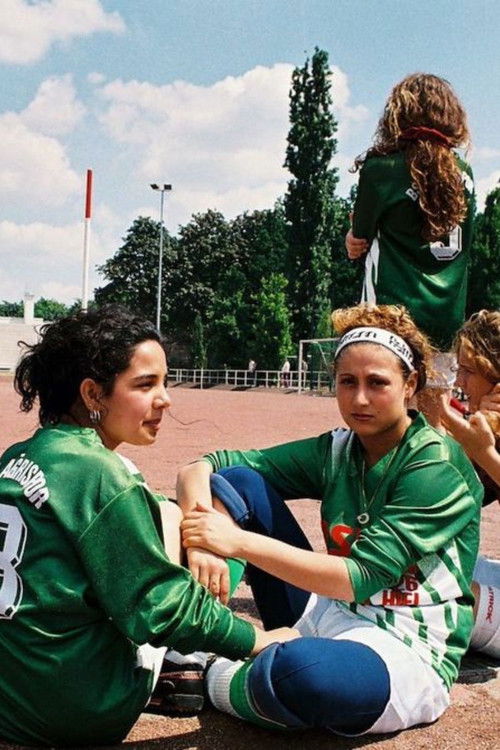
In her documentary, Aysun Bademsoy portrays five young Turkish women from Berlin Kreuzberg who used to be members of the successful Turkish women's soccer team "BSC-Agrispor". Until recently, the friends had high hopes for an independent future based on their sporting success. But now the season is coming to an end and the five young women, all in their 20s, will stop playing soccer. They don't know exactly what they want to do with their lives. Apprenticeships are rare, and without money, independence from the strict parental home is impossible. But now they are enjoying the Berlin summer together once again, wandering the streets, chasing boys, going to parties, "hanging out".
Nach dem Spiel
The German-Turkish musician Marc Sinan is traveling across the vast expanses of Kazakhstan in search of songs and chants from the “Dede Korkut” legend—the story of the rape of a nymph and the brutal fate of her child, a cyclops. As the journey unfolds and work on the piece progresses, it becomes increasingly clear that the legend is connected to the story of Sinan’s grandmother and her taboo-shrouded Armenian heritage.