Directing
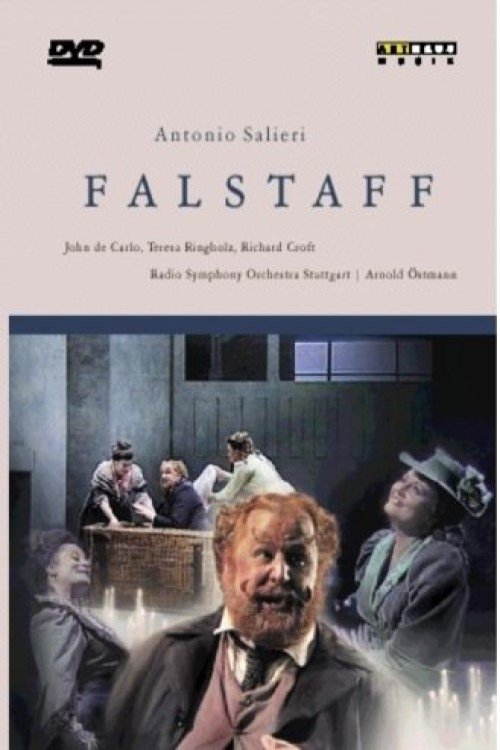
Conductor Arnold Östmann leads the Stuttgart Radio Symphony Orchestra and the Choir of Theater im Pfalzbau Ludwigshafen in this production of Antonio Salieri's comic opera "Falstaff," filmed live at Germany's Schwetzinger Festspiele in 1995. John Del Carlo portrays the fat, licentious knight; the supporting cast includes Teresa Ringholz, Richard Croft, Darla Brooks, Carlos Feller, Jake Gardner and Delores Ziegler.
No description available.
This production comes from the Dresden Music Festival of 2000. The stage director is Michael Hampe, who was behind the similarly excellent Schwetzingen Agrippina from 1985, also released on a EuroArts DVD (2054538). Hampe makes no attempt to put a miniature Persia on the stage of Dresden's Semperoper, nor does he imitate what Serse might have looked like in 1738. Instead, this is a fantasy Persia as it might have been imagined by 18th-century Europeans, but as it could have been realized only through modern stagecraft. The costuming is handsome, and the splendid sets are fluid and adaptable. As in his Agrippina, Hampe doesn't shortchange the opera's potential for comedy, but he shows restraint and resists the temptation to yuck it up or make it silly. It's really the best of both worlds.
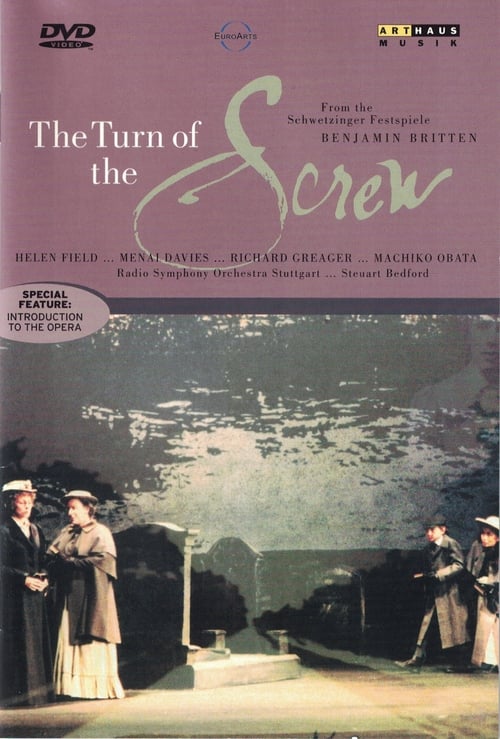
In Benjamin Britten's operatic adaptation of Henry James' masterwork, a naive governess (Helen Field) arrives at a country manor and soon discovers that it holds a murky secret involving her charges and two ghostly servants who wield a sinister influence on them. The taut, atmospheric production also stars Sam Linay, Machiko Obata, Menai Davies and Phyllis Cannan, with the Stuttgart Radio Symphony Orchestra providing accompaniment.
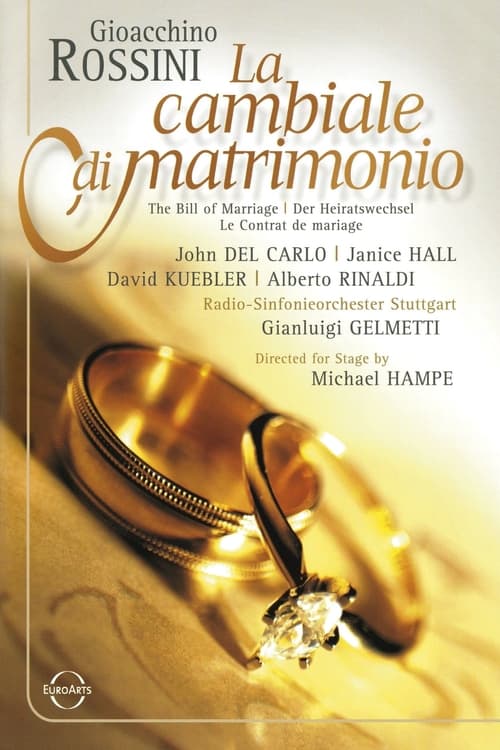
La cambiale di matrimonio, farsa comica in two acts to a libretto by Gaetano Rossi, was first produced at the Teatro San Moisè, Venice, on 3 novembre 1810. The singers at the first performances were Domenico Remolini (Norton), Clementina Lanari (Clarina), Luigi Raffanelli (Tobia Mill), Tommaso Ricci (Edoardo), Rosa Morandi (Fanny), Nicola de Grecis (Slook).
Over twenty-five years after his death in July 1989, the controversial Austrian conductor Herbert von Karajan remains an enigma. He was the most successful conductor in the history of classical music. Many of his recordings - of Italian opera, of Wagner and Richard Strauss, of Sibelius, Beethoven and Brahms - are treasured by music lovers around the world. Yet, even at the peak of his fame, his performances were variously criticised for being too opulent, too manicured, lacking warmth or spiritual depth. This musical profile explores the many paradoxes in the life and music of this controversial figure, who forged his international reputation in London with the Philharmonia Orchestra shortly after the end of the Second World War and went on to reign supreme in the classical music world during his three decades with the Berlin Philharmonic. The film also examines Karajan's belief in the visual power of music, and his determination to leave behind a substantial legacy of music on film.
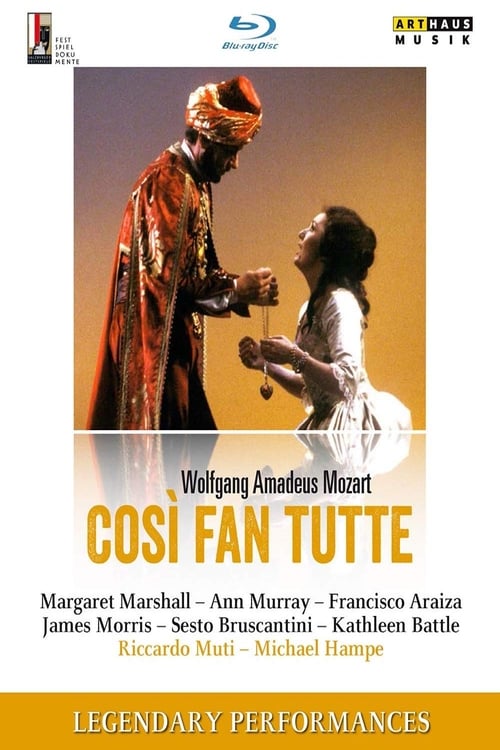
An excellent performance of this delightful opera. The principals are superb, especially the sisters. Bruscantini as Don Alfonso is past his prime, but he knows and understands the role inside out, so one does not even notice his vocal limitations. Araiza is in top form as Ferrando, and Morris makes virile Guglielmo. The only disappointment is Battle as Despina. Unlike her partners, she does not have feel for the Mozart ensemble, and her vocal mannerisms are totally unbecoming. How the producers allowed that to happen is a mystery. Muti's conducting is terrific, much better than on his La Scala video, where he is uninvolved.
Il signor Bruschino is the last of the five one-act operas - farsa giocosa - in which the young Rossini first demonstrated his operatic genius. The stage is small and the beautifully elegant and this shining production by Michael Hampe, recorded in May 1989, provides one and a half hours of the entertaining story about "the son won in a game" as it is subtitled. The staging transfers to the screen perfectly and the cast of principals, led by Alessandro Corbelli, Alberto Rinaldi and Amelia Felle provide musical excellence together with the flexible Stuttgart Radio Symphony Orchestra under Gianluigi Gelmetti.
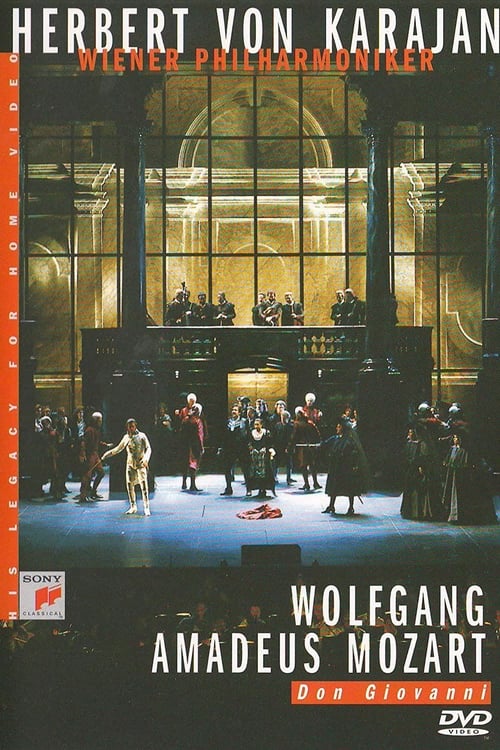
Live performance from Salzburger Festspiele in 1987. Herbert von Karajan conducting the Wiener Philharmoniker and Wiener Staatsopernchor. Stage director Michael Hampe. Starring Samuel Ramey and Anna Tomowa-Sintow.
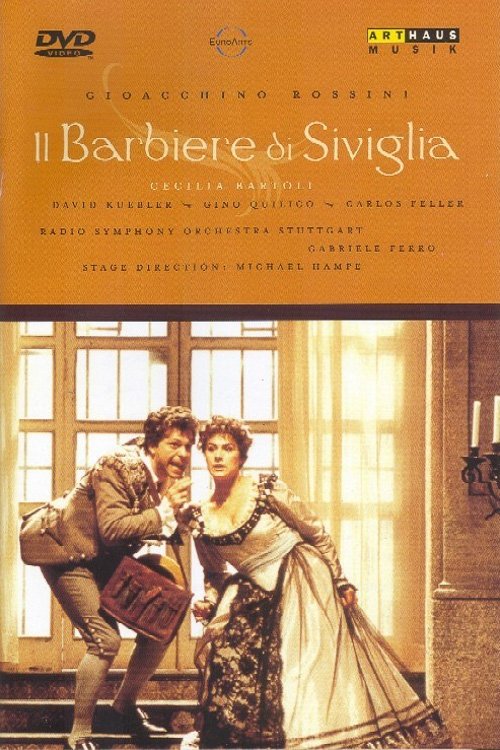
Live performance from Schwetzinger Festspiele, 1988. What sets this IL BARBIERE DI SIVIGLIA apart from all others available is its elegant realism. None of its visuals are the least bit cartoonish or blatantly designed for comedy. Dr. Bartolo’s house is a stark, stern-looking structure of plastered brick with a comfortable yet plain, white-curtained interior, while the costumes are highly realistic 18th century garb in subdued colors. Yet despite its fairly austere appearance the production is delightful, thanks to its performers and staging. The stage business is lively, witty and free of excessive slapstick, and every singer brings his or her character to life, all offering rich, vibrant characterizations that strike a perfect balance between comedy and humanity.
Live performance from Cologne Opera. Conlon conducts a skittishly dynamic performance of Don Giovanni. He relies on Thomas Allen’s tough Don to give the work much of its dark menace and on Holle’s terrifying Commendatore to provide the moral outrage – his job is to keep things moving, and he does. The exteriors – blank city spaces reminiscent of the paintings of Giorgio De Chirico – and moodily claustrophobic interiors mirror effectively the anguish of the orphaned Anna and the abandoned Elvira; this is a performance in which the two women victims of the Don function effectively as correctives to his libertine charm. Andrea Rost as Zerlina brings real delicacy to her role, reminding us that “La ci darem la mano” is a duet about her flirtation with Don Giovanni and not just a famous stand-alone moment. This is an admirable presentation of a fine performance.
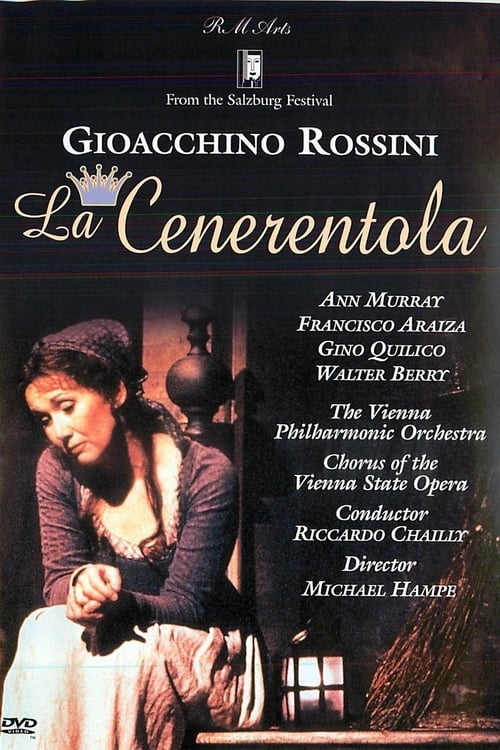
Gioacchino Rossini's sparkling version of the Cinderella story comes live from the Salzburg Festival with Ann Murray and Francisco Araiza as Cinderella and the Prince. Director Michael Hampe envisions La Cenerentola less as a fairy tale and more as a gently satirical comment on the nature of society and the relationship between people. Conductor Riccardo Chailly's masterly display of the Rossini style is visually matched by the opulent and elegant set designs by Mauro Pagano. 162 minutes.
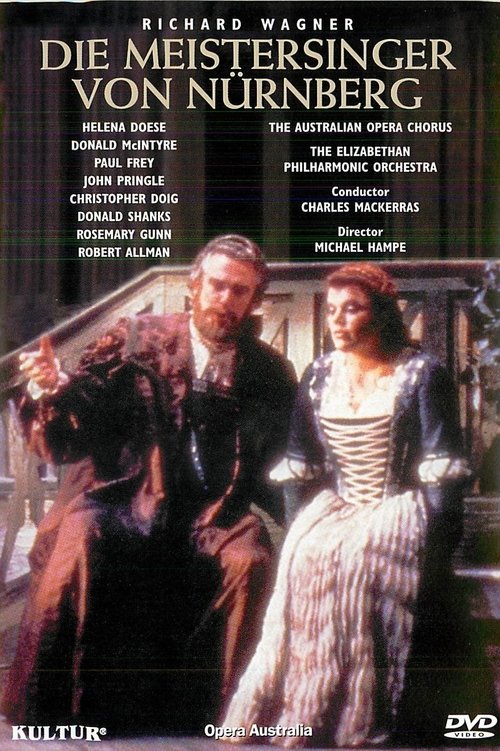
Michael Hampe’s acclaimed production of Wagner’s comic opera tells a charming, human, romantic love story. And yet, at the same time, registers his protest against the narrow-minded critics and the prejudiced public who for so long refused him recognition.
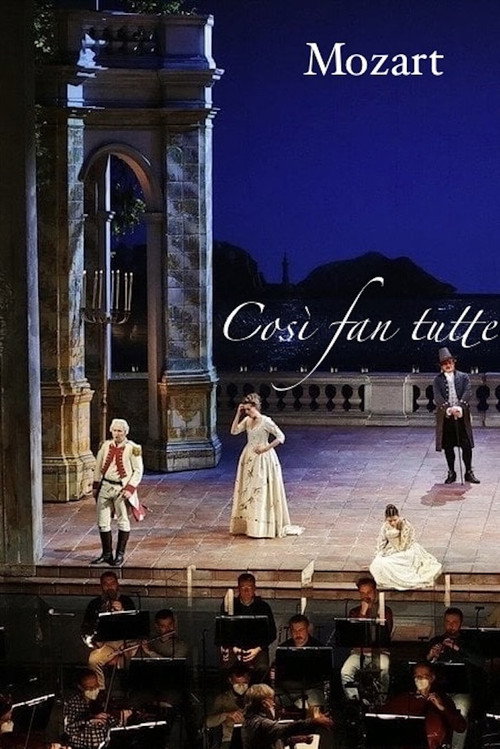
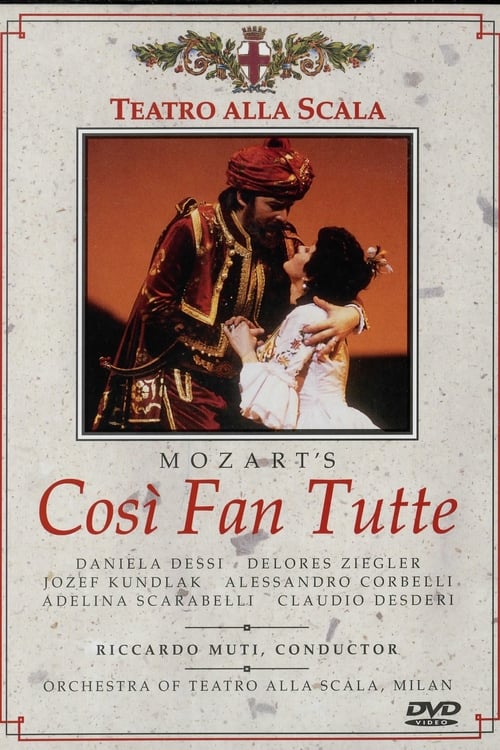
Officers Ferrando and Guglielmo are certain that their lovers Dorabella and Fiordiligi are faithful to them, but the cynical Don Alfonso challenges them to a bet that the women will be unfaithful given the chance. The officers thus pretend to go off to war, and return in disguise as Albanian strangers, to woo Dorabella and Fiordiligi incognito. The ladies are initially frosty, but soon warm to their new suitors, spurred on by their maid Despina. Performed at the La Scala Theatre in Milan.
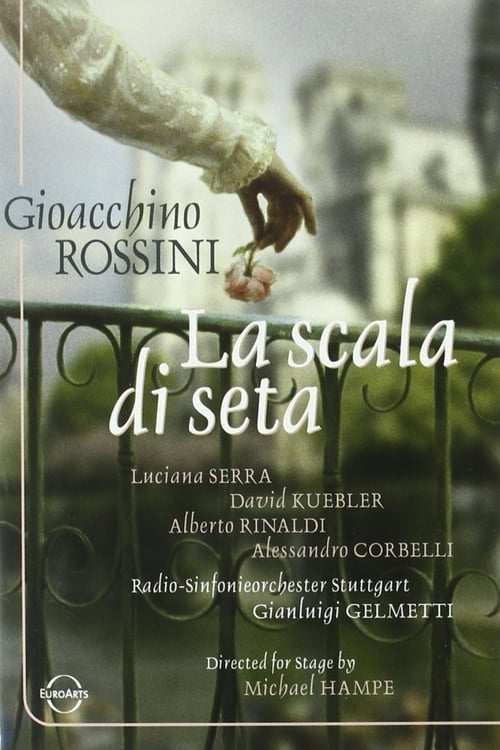
This beautiful production by renowned opera director Michael Hampe was recorded at the exquisite Rococo Theatre in Schwetzingen Palace in May 1990. La scala di seta is one of the five one-act operas - farsa giocosa - in which the young Rossini first demonstrated his operatic genius. This sparkling production continues the Rossini one-act opera series emerging from the Schwetzingen Festival. The staging is perfectly suited to the screen and the cast of principals, led by David Griffith and Luciana Serra provide musical excellence together with the flexible Stuttgart Radio Symphony Orchestra.
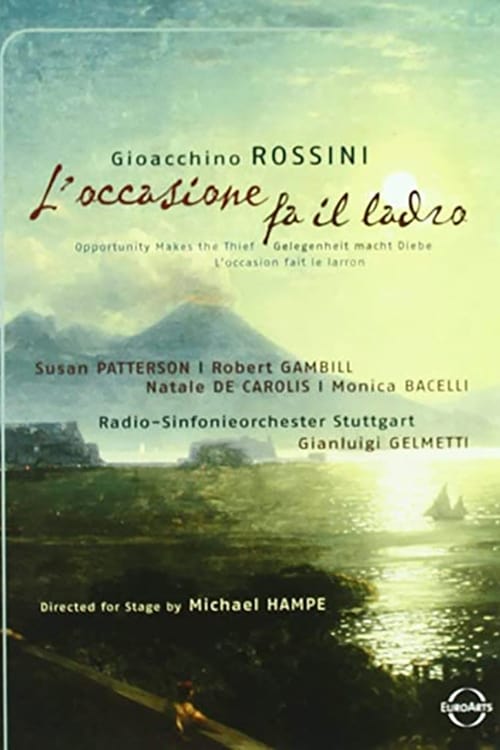
Esteemed Italian conductor Gianluigi Gelmetti leads the Stuttgart Radio Symphony Orchestra in a moving performance of Rossini's one-act opera "L'Occasione Fa Il Ladro." Singers Susan Patterson, Robert Gambill, Natale de Carolis and Monica Bacelli fill the theater with their soaring voices in this 1992 production staged by director Michael Hampe at the elegantly cozy Rococo Theatre, in the quaint town of Schwetzingen, Germany.