Esther Urlus
Directing
Known For
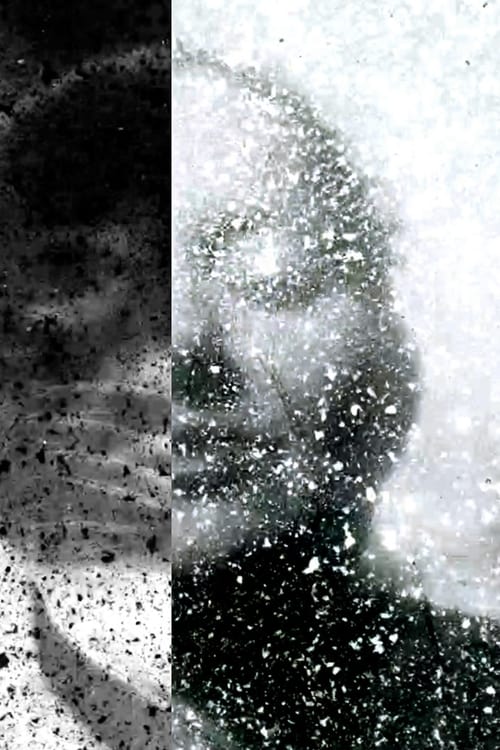
16mm filmstock is the starting point for A Venture into Vegan Filmmaking, for which Josephine Ahnelt and Esther Urlus set out to prove that vegan film emulsions are possible, replacing gelatine with PVA. The result is a visceral, textural image from the past and the future.
A Venture into Vegan Filmmaking
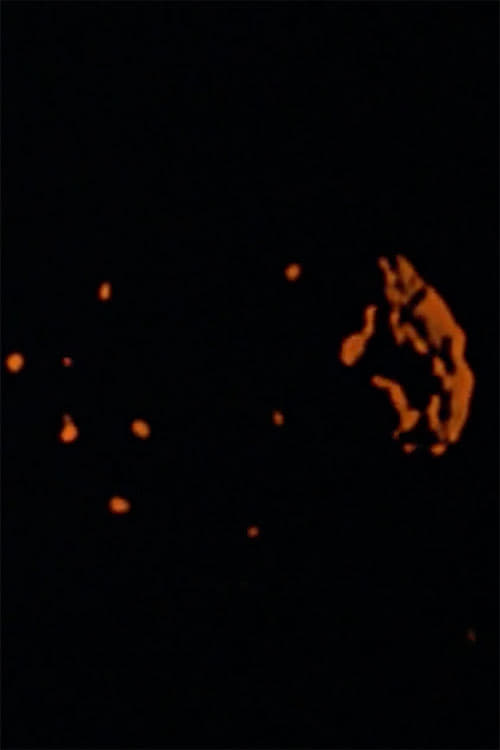
“My 69 sec. as part of the 69 sec project - various ultra short 16mm films made by the artists of Filmwerkplaats (Rotterdam, the Netherlands). Each film is 69 seconds long (thats 15meter/50ft. of 16mm, a full Russian JOMO film developing tank). The duration of 69 seconds on 16mm was the only limitation, as each film was created from diverse perspectives, experimentations and concepts.” — Esther Urlus
You Are Not Alone
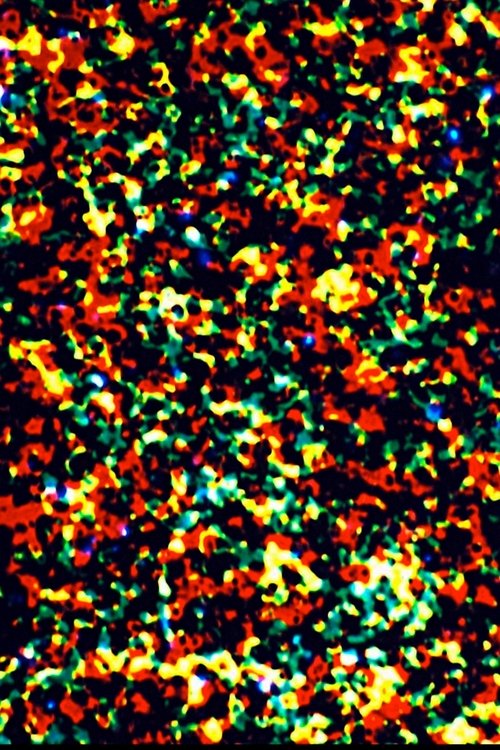
Abstract short.
Deletion
Performance Ji Youn Kang (sound) and a.o. Nan Wang, Lichun Tseng, Judith van der Made, Esther Urlus (2026, 35 min, 5x 16mm film looping + 2x diy slide projectors)
Lght Leaks #2
The home-brewed emulsion is a fragile metaphor for the heroism of Konrad and his horse Kurfurst during the Olympic Games in Berlin, 1936. Falling from his horse, he became a national hero, only to become an anti-hero when overtaken by history. Made by consulting technical publications from early cinema and photographic experiments.
Konrad & Kurfurst
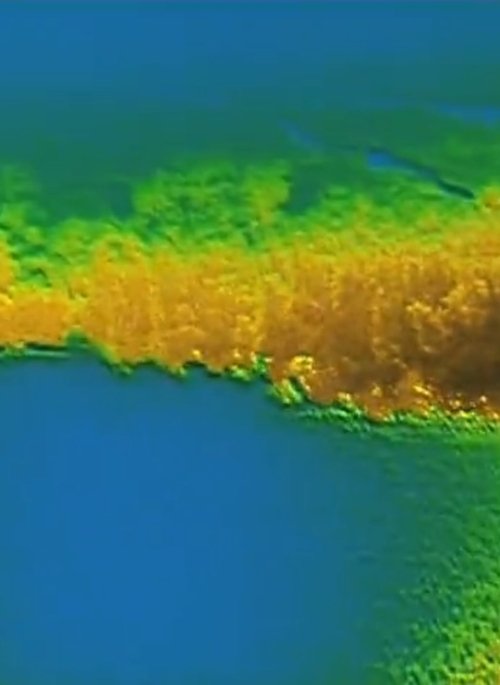
An attack of imagined nostalgia for childhood. The applied do-it-yourself bas-relief print technique ensures a coloured image.
Idyll
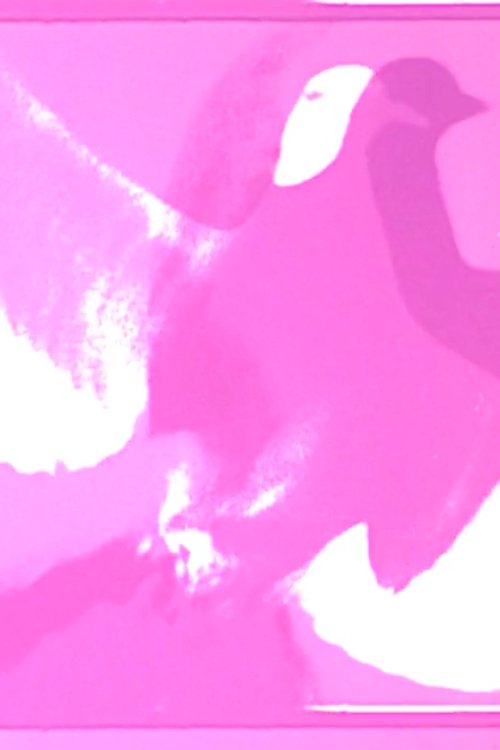
A memory to Alfred, the rescue city pigeon chick that grew up in our house and learned to fly in the living room. But now lives in full freedom in the outskirt of Rotterdam.
Alfred
Rode Molen (Red Mill) is a research into motion picture printing techniques. Starting point and inspiration for the film are the mill paintings of Piet Mondriaan, especially Rode Molen. In the film color is created by multiple exposures through different masks during printing. Depending what developing process is used the colors mix in two ways: additive or subtractive.
Red Mill
Using a special printing technique, Esther Urlus makes the film images look hand-drawn. She was inspired by Late-Medieval sketches of falling horses and studies for spectacular battle scenes. The historical pastel colours are based on the Medieval 'Epiphanie medicorum', a urine colour wheel used for medical diagnoses.
Study for a Battle
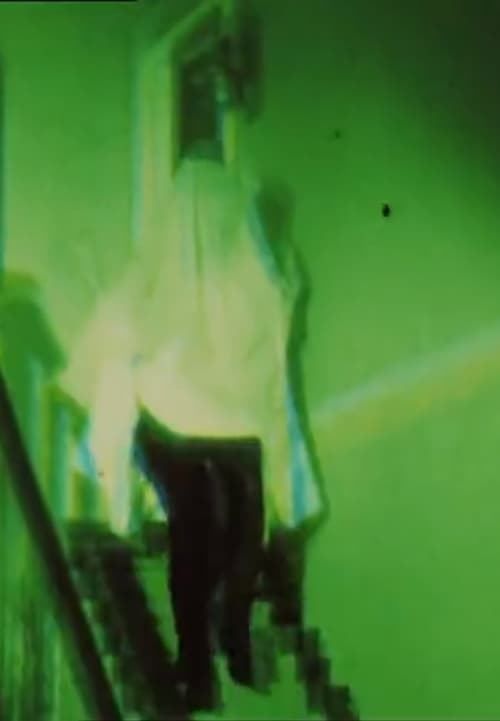
The film is showing a few scantily dressed women repeating the same action. Contact printed over and over again. Is it a spicy audition in the 60'ties, or is the test the film?
Audition
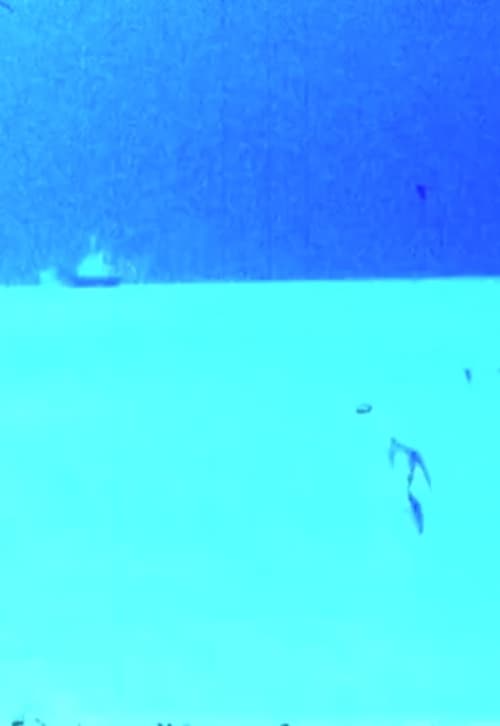
Calm shots of a seascape also examine optical colour mixing using various flicker effects.
Elli
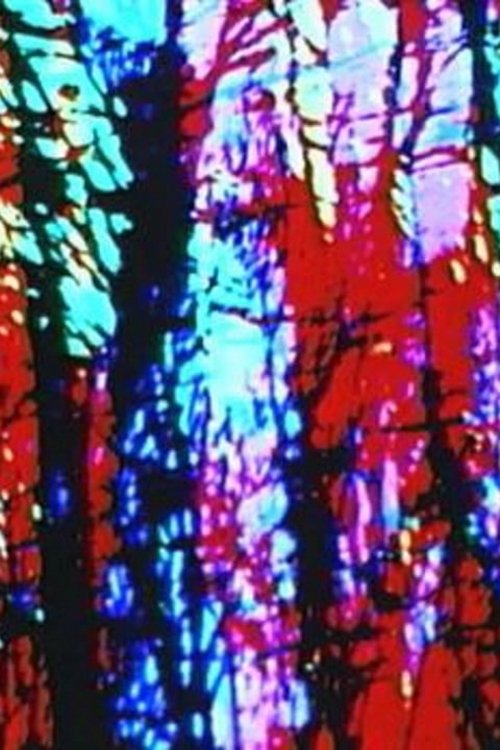
Dense, addictive, multi-pass, colour printing with trees shorn of their leaves transformed into thirty six layer deep technicolour. Deep Red is an investigation into additive colour mixing on film. Handmade by a d-i-y silkscreen printing technique. Starting point are on black and white hi-con filmed trees shorn of their leaves. As if they're the reminiscent of branches seen flashing past in the night from the back seat of a car. Transformed into thirty six layer deep technicolour.
Deep Red
Esther Urlus' Chrome – handmade on the film material itself – opens a view into the autochrome process, a colouring technique for black-and-white photographs invented by the Lumière brothers in 1903.
Chrome
In a ‘tonal’ coloured 16mm film performance (with six Hokushins), a sonorous poem of twilight, indistinctness and suggestiveness, Urlus tries to make visible the darkness of a depressed mind. The suffering of an adolescent, the filmmaker’s daughter. Colours and mood are inspired by the famous photograph ‘The Pond – Moonlight’ by Steichen (1904) and the Nocturne paintings by Whistler (1870’).