FEEL IT.STREAM
?

Kanjibhai Rathod

Directing

Known For

No image
9.0

This love story claims to uphold the tradition of domesticated female virtue. The story tells of virtuous Sushila and her husband Pratap, who leads a peaceful life until her former suitor Jaswant arrives on a social call. His appearance prompts Pratap to suspect his wife's marital fidelity and he drives the visitor away.

Sushila the Virtous

1924
Bhakta Vidur
9.0

One of the most famous silent mythologicals. It depicts the 'Mahabharata' story as a series of events between Pandavas and Kauravas. This leads to the decline and downfall of the ancient empire and culminates in a terrible war between the two rival factions.

Bhakta Vidur

1921
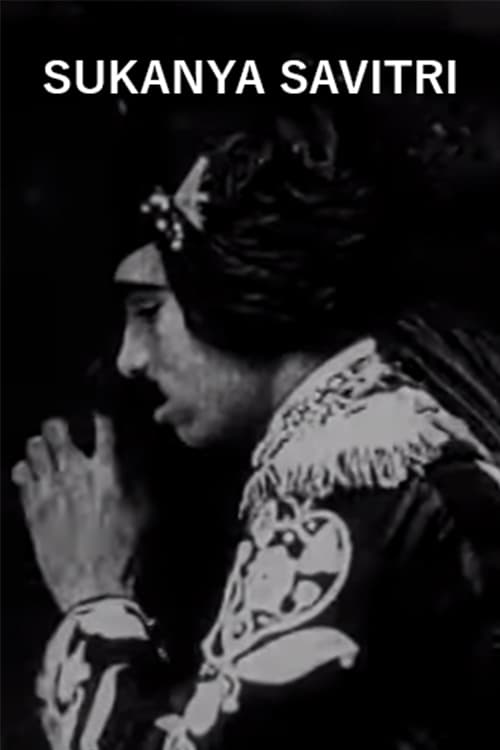
Sukanya Savitri
10.0

This film tells two independent stories from the Mahabharata. The first part features the princess Savitri, who stands by her husband, the woodcutter Satyavan, when he is marked by Yama, the god of Death. When Yama fulfills his prophecy and takes away Satyavan's life, Savitri pleads with him and eventually wins her husband back. There are extraordinary scenes showing Savitri's pleas with the god sitting astride a buffalo somewhere between heaven and earth, intercut with shots of the couple's idyllic life as Savitri tends to her blind parents-in-law. The second half narrates the legend of Sukanya, the daughter of Sharyati. Seeing a large ant-hill, and unaware that it has been built over the meditating sage Chyvana, she blinds the sage and, in return, is forced to marry him. She tends to the old and decrepit man, and he changes into a handsome youth.

Sukanya Savitri

1922
No image
7.0

This film claimed realist intent, mainly for its thinly veiled allusions to a major scandal in Bombay known as the Champsi-Haridas murder case.

Triumph of Justice

1924
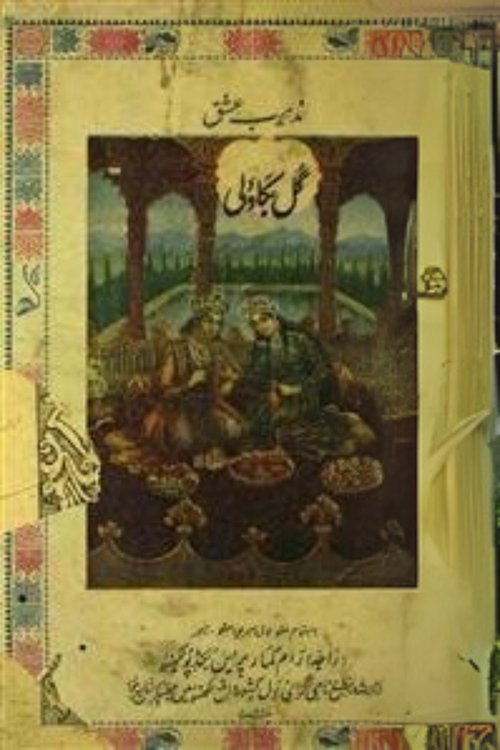
Gul-e-Bakavali
8.0

Based on a popular legend, this silent film tells the story of the fairy Bakavali and her divine flower, the Gul, which possesses healing powers. Taj-ul-Mulk, a prince from the East, seeks the flower to cure his blind father. The legend's origins are debated: one version traces it to a 19th-century translation of a Persian tale, while another points to a 16th-century narrative from Abely Sheikh. The story was a favorite on the Parsee stage, particularly the scenes where Taj-ul-Mulk battles his villainous brothers, who steal the flower. The tale also features Bakavali turning to stone and her eventual human rebirth.

Gul-e-Bakavali

1924