
Yvon Deschamps
Acting
Biography
Yvon Deschamps (born July 31, 1935, in Montreal, Quebec) is a Quebec author, actor, comedian and producer best known for his monologues. His social-commentary-tinged humour propelled him to prominence in Quebec popular culture in the 1970s and 1980s. A long time comedian and still active, Deschamps is now perceived as one of the greatest in Quebec history. Yvon Deschamps was born in Montreal's working-class Saint-Henri district. He left school in 1951, after Grade 11, and in 1953 found work in the record library at Radio-Canada's new television service. It was at Radio-Canada that Deschamps discovered the performing arts; after attending a boulevard theatre piece starring Georges Groulx and Denise Pelletier, he added a taste for the theatre, and enrolled in acting classes with François Rozet and Paul Buissonneau. He took the stage for the first time in 1957 at the Théâtre universitaire canadien, playing Pylade in a production of Jean Racine's Andromaque. In 1959, Deschamps was part of La Roulotte, Paul Buissonneau's travelling children's theatre. The following year he married Mireille Lachance (the two would divorce in 1967). In 1961 he became friends with Claude Léveillée, becoming his drummer, even though the man had actually never played the drums before. In 1963 he formed a company with Léveillée and several other artists at Buissonneau's Théâtre de Quat'Sous. In 1965 he played his first film role in Jean-Claude Lord's Deliver Us from Evil (Délivrez-nous du mal), although the film was not released theatrically until 1969. That same year Deschamps left his short career as a musician behind and opened Le Fournil, a restaurant in Old Montreal, followed by Saint-Amable in 1966. Both would end up bankrupt a few years later, but while they were open Deschamps hosted his Boîte à Clémence, a boîte à chanson hosted by Clémence DesRochers, participating in the Le monde sont drôles (People are Funny) and Sois toi-même(Be Yourself) shows which opened there in 1967. The latter played a special role in his career, because that is where the Yvon Deschamps "character" and his "good boss" role appeared for the first time:) In the winter of 1968, finding himself broke and occasionally sleeping on friends couches with new girlfriend Judi Richards, Deschamps took a job at the Quat'Sous offered by his friend Buissonneau. Buissonneau had just lost Michel Tremblay's celebrated play Les Belles-sœurs to the Rideau Vert theatre, and was looking for a play to finish the season with. Deschamps proposed a musical review to Louise Forestier and Robert Charlebois with Mouffe on board, and very little rehearsal time. The result would be known as L'Osstidcho (L'hostie de show or "The freaking show"), a show that would revolutionize Quebec song. Inspired by Arlo Guthrie's Alice's Restaurant, Deschamps made his first real monologue part of the review when Robert Charlebois did not want to learn his lines for the dialogue (he decided to strum the guitar instead). In Les unions, qu'ossa donne? (Unions, What are they Good For?), Deschamps played a naïve worker extolling the great generosity and good-heartedness of his boss, making it clear that reality was not quite so rosy. ... Source: Article "Yvon Deschamps" from Wikipedia in English, licensed under CC-BY-SA 3.0.
Known For

The show features an interview with a famous personality from the world of politics, economics or culture.
L'Invité

Host Guy A. Lepage brings together six to eight personalities from different milieus—sports, politics, stage productions and more—that are the subject of everyone’s conversations and/or are important figures in recent events. Participants are invited to speak freely, voicing their opinions on headline news or on a subject that is near and dear to them.
Tout le monde en parle
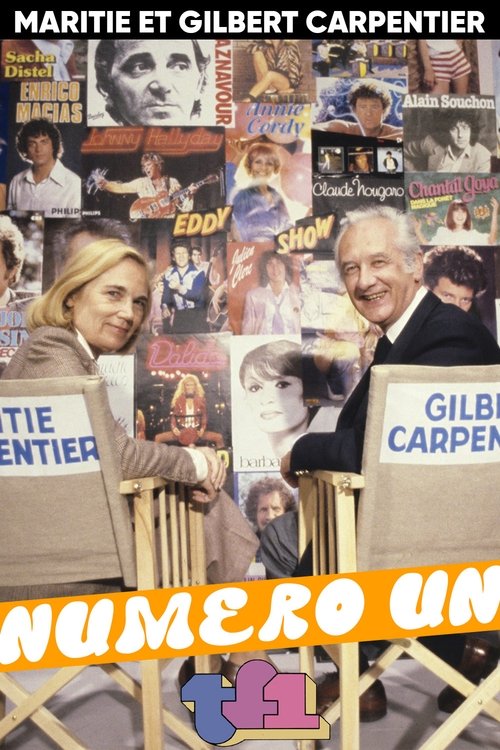
A French variety show.
Numéro un

Each day, Jean-Philippe Wauthier welcomes guests on the show in warm, friendly setting. His interviews focus on their newsworthy achievements but also, and most importantly, on their passions, interests and opinions.
Bonsoir bonsoir!

No description available.
La semaine des 4 Julie

An original talk show is set in Patrick’s warm and cozy apartment, where he welcomes friends and guests every day to discuss the latest hot topics that affect our lives. The show also features Patrick’s fictional neighbours.
La tour

Public figures from different backgrounds meet each week. At first glance, these guests would seem to have little in common. However, something does unite them all: an event or experience that they have graciously agreed to share that justifies their seat at the same table. As the program unfolds, their shared history is gradually revealed.
Y'a du monde à messe

A unique all-access pass to your favourite Quebec stars in a friendly, timely and entertaining format that matches the hosts’ personalities.
Ça finit bien la semaine

Patrice Bélanger and his team are here to give Quebecers a little boost to their lives with this show where fun and pleasure prevail. With a front row seat to events happening across the province, the show is the reference for summer culture. Above and beyond the artists featured, the show puts our entire province in the spotlight.
Sucré salé

No description available.
Le Grand spectacle de la Fête nationale à Montréal
A magazine show about culture and trends and how they can shape society in unexpected ways.
Club social

No description available.
Juste pour rire: 25 grands numéros

This documentary attempts to understand why so many comedians experience mental health issues, a condition that stands in stark contrast to their profession. Anxiety, depression, suicidal thoughts: these are the heavy subjects they dare to tackle on stage. Cathy Gauthier, Coco Belliveau, Jean-François Mercier, Mario Jean, Maude Landry, Preach and Simon Gouache testify.
Le clown est triste

With more than 70 years of career, Claude Crest is more than ever a living legend of comedy. From his childhood in Hochelaga-Maisonneuve to the historic success of his number La Balloune, this documentary will take you through an inspiring life that is far from being at its last chapter.
La balloune
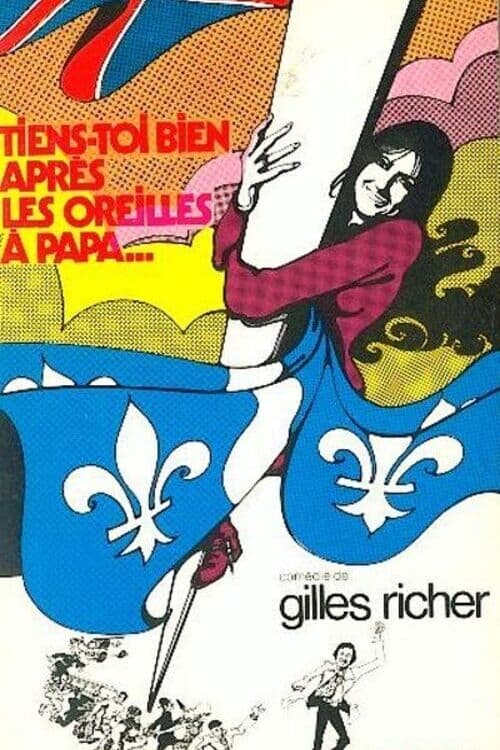
The tribulations of two Québec nationalists in the English-speaking world of insurance. A satire that draws its irony from a specific social situation. A typical example of the era's popular comedies based on television and trendy stars, which gave birth to a certain commercial stream in Québec cinema.
Hold on to Daddy's Ears

30-year-old Quebec City native Gisèle lives a quiet life as a secretary without happiness with her parents and siblings. One day, tired of being teased by her office mates, she decides to consult a marriage agency to find her soul mate.
The Late Blossom
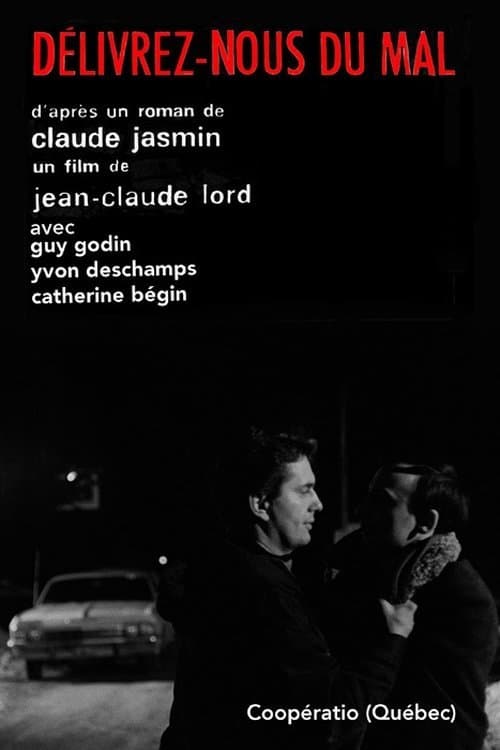
André and his sister Lucille come from a wealthy family. Both seem attached to Georges, be charismatic, exuberant, charming and self-centered. A vicious man who hates his life and seems to take pleasure in manipulating others in squalid perverse games.
Deliver Us from Evil

REDISCOVER the best moments of: Bob Binette, Jacques Chevalier Longueuil, Raymond Beaudoin, Ginet Robidoux, Dave Ash, Ludger, Corporal St-Gelais, Chose, Yasser Arafat (Québec version). LES BLEU POUDRE on Taquinons la planète was: disobedience (they got kicked in the balls), indecency (they walked around naked), recklessness (they went to chat with the Mohawks), and mischievousness (they loved new rhymes). LES BLEU POUDRE was also politically very incorrect — and damn, it felt good. ENJOY IT WHILE IT NO LONGER EXISTS.
La crème des Bleu Poudre
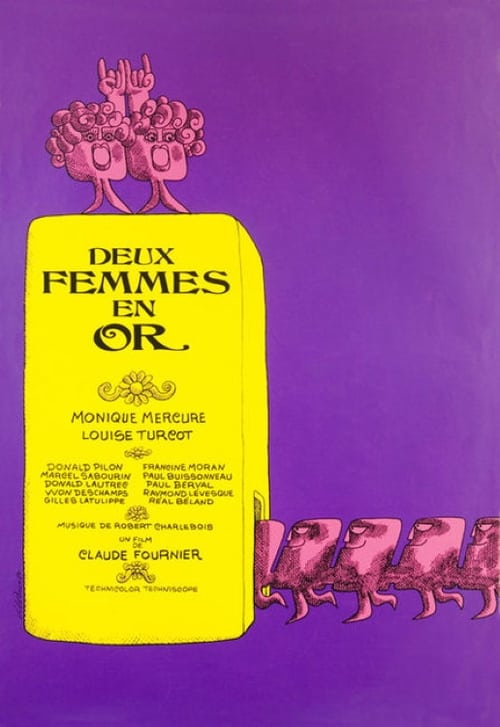
Two bored Montreal housewives (Monique Mercure & Louise Turcot), with inattentive husbands (Marcel Sabourin & Donald Pilon), and lots of time on their hands, amuse themselves by paying the local tradesmen something extra to give them amorous attention. Their entertainment leads to frantic confusion, however, when one of the visiting gentlemen - shall we say - 'expires'. The housewives deal with their unpleasant situation quite energetically.
Two Women In Gold
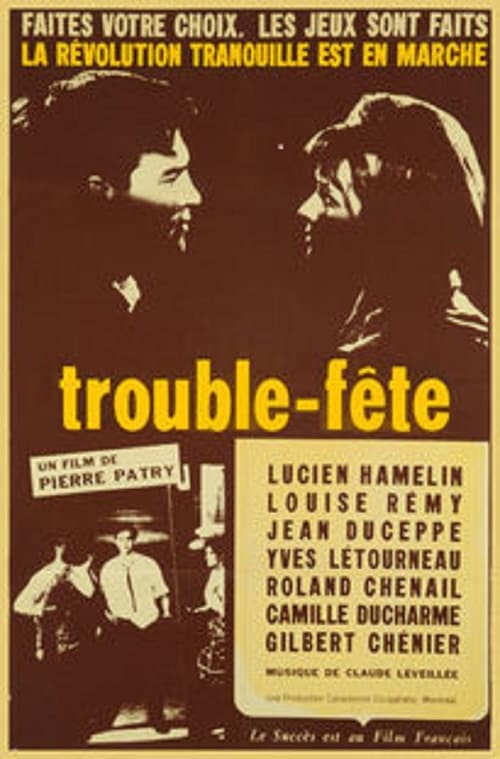
A humanity student, Lucien is active in various extracurricular activities. Recognized by his peers, he represents other students in their challenge of college rules and the settlement of the fate of an incompetent professor. He ends up being thrown out of the school. After his mother's death, even though he dates Lise, a young woman with whom he does acting, he has to resist the advances of a homosexual whose death he will accidentally cause.