Directing
Helmut Weiss was a German actor, screenwriter and film director.
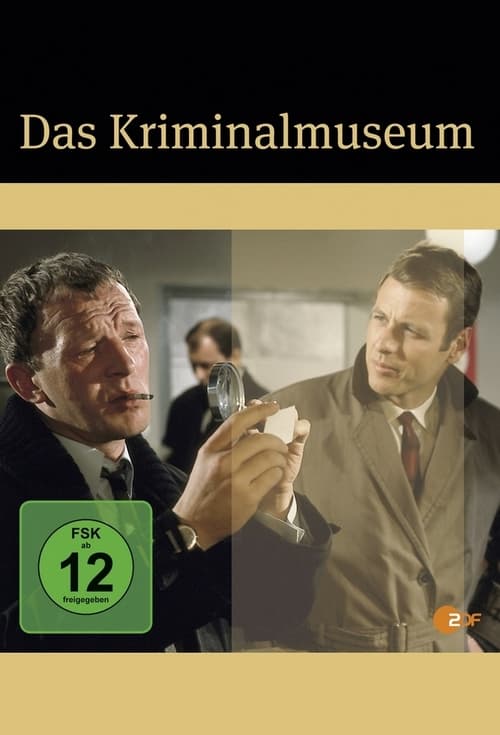
Das Kriminalmuseum was a German television series. It ran from 1963 to 1970 on ZDF and was one of its first programs. Each episode began with a tracking shot through an unspecified crime museum, stopping at one of the displays, whose story was then told. Each episode was between 60 and 75 minutes long and featured different actors as the criminal commissioner. The best known was Erik Ode, who in 1969 moved to Der Kommissar, appearing in 97 episodes. The theme music of the series was written by German composer Martin Böttcher, who also composed the complete scores for five episodes.
Postwar Germany, May 1945. American city commander Tom Keller appoints engineer Walter Reinhardt as acting mayor of a small town in southern Germany. At the same time, he helps student Maria put on a musical show and, as an avid jazz fan, joins the tour as a conductor during his vacation.
Miss Annemarie Tessmer is a clerk in the house of the manufacturer Herman Schilling and she is indispensable. She is exploited by all the family members and her own life is completely in the background. Herman Schilling wants his daughter Thea merry with the representative for foreign affairs Dr. Richard Rauch. However, after a number of dramatic complications, Richard chooses for the good, selfless and hardworking Annemarie.
German romantic comedy from Carl Boese.
No description available.
Writer Johannes Pfeiffer who goes undercover as a student in a high school after his friends told him that he missed out on a great life experience since he was home schooled.
Two female agents from a rival gang are sent to disrupt the operations of a gold-smuggler's caravan in Africa.
Three soldiers on very short home leave visit Berlin. One isn't from there and runs around with his guide book being perplexed by all the things that are different now. Another visits his wife and his baby. The third enters a romance due to a mistaken identity.
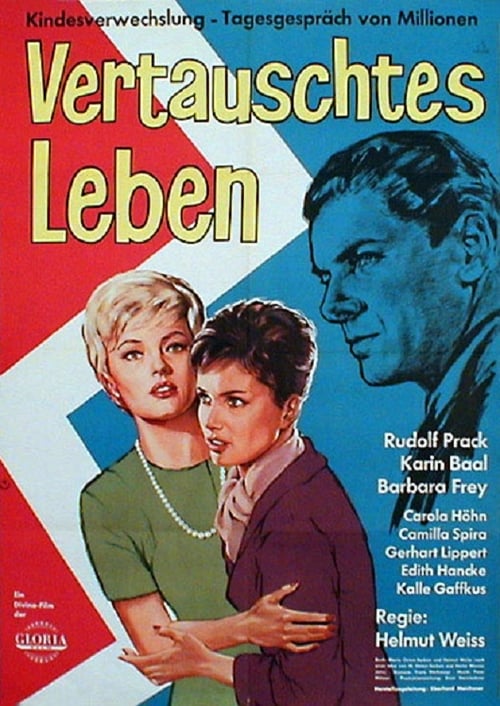
The mistake of two infants on a night of bombing during World War II plunged their families into grief and conflict 18 years later, when both girls were marriageable.
A woman discovers after she has just married him, that her husband is abusive, and she tries to get away.
Young, pretty and innocent, Fanny Hill has lost her parents and must find her way in life amidst the perils of turbulent 18th-century London. She's fortunate enough to rapidly find a place as chambermaid of the effusive Mrs. Brown, who lives in a large house teeming with female 'relatives' in negligée and with very relaxed manners. She also insists that Fanny alone meets various gentlemen who show an ardent interest in her.
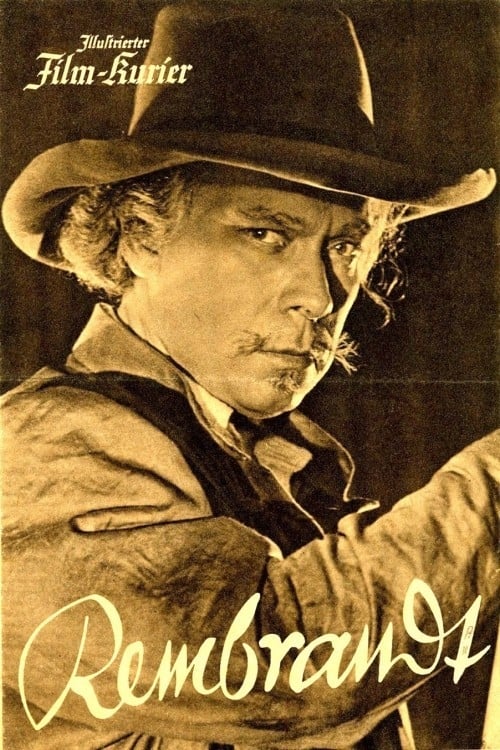
Already a famous painter, Rembrandt van Rijn is commissioned to paint the Amsterdam Archers' Guild. But upon completion of the picture, the men of the guild feel duped, because they don't consider themselves flatteringly depicted in the painting. They therefore decline to pay for the work. During this dispute, the painter finds out his wife is close to death. He finds himself terribly lonely after her passing and suffers from depression until he decides once more to marry.
Quax, a former crash pilot, has now become a skilled pilot who even trains student pilots himself. When he crashes his plane with two women on board in the African jungle due to a malfunction, he has several problems to solve: First, he has to cope with the conditions in the wilderness, and then he also has two female creatures in tow!
While Eva is in the hospital after an accident, her son, Peter, goes in search of his long-missing father. Learning he has died, Peter then prepares himself for the new man in his mother's life.