Sound
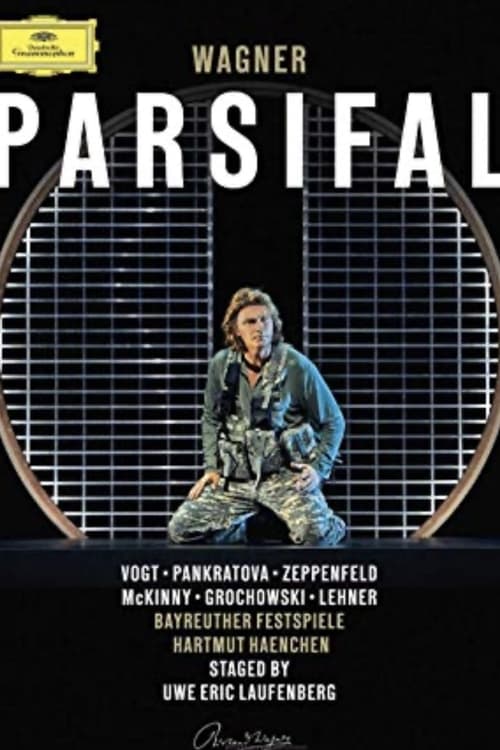
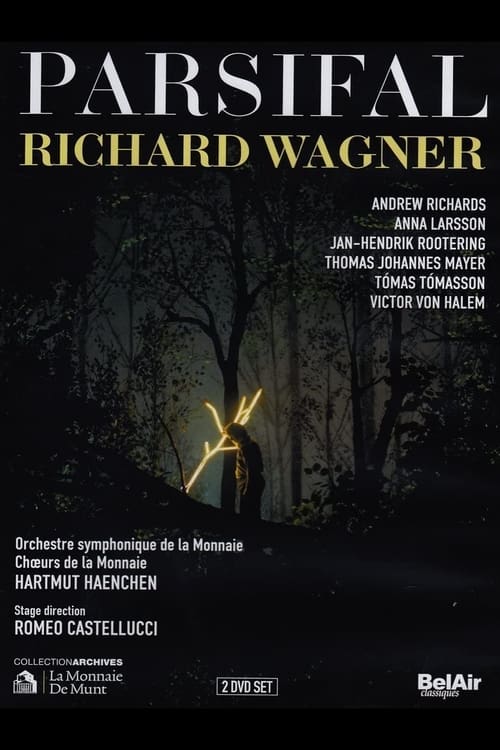
German composer Richard Wagner wrote Parsifal, which is a three-act opera that tells the story of the title character's quest to save the Knights of the Holy Grail by returning the Holy Spear, healing King Amfortas, and carrying out the sacred ceremony of uncovering the Holy Grail.
No description available.
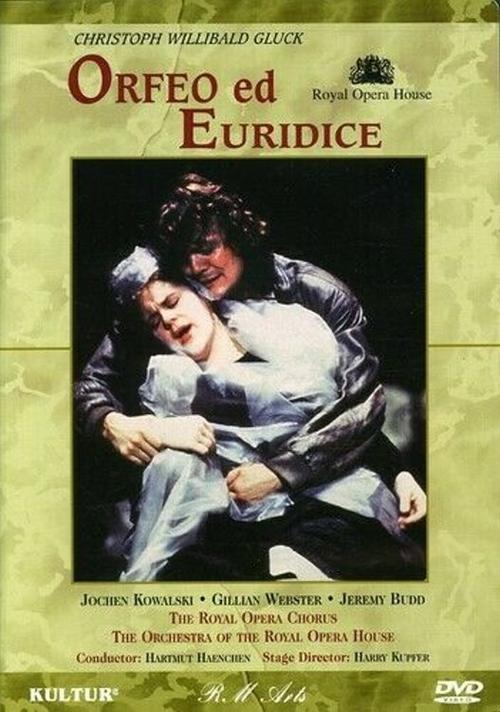
Performed live at the Royal Opera House, Covent Garden, Gluck's opera in three acts is conducted by Hartmut Haenchen. Performers include Jochen Kowalski, Gillian Webster and Jeremy Budd, alongside the Royal Opera Chorus and Orchestra. When Orpheus mourns for his late wife Eurydice, the god Cupid offers him the chance to descend into the underworld and lead her back to the land of the living, on the condition that he does not look at her face. He sets out on his journey, but his path to the Elysian Fields is blocked by the fierce Furies.
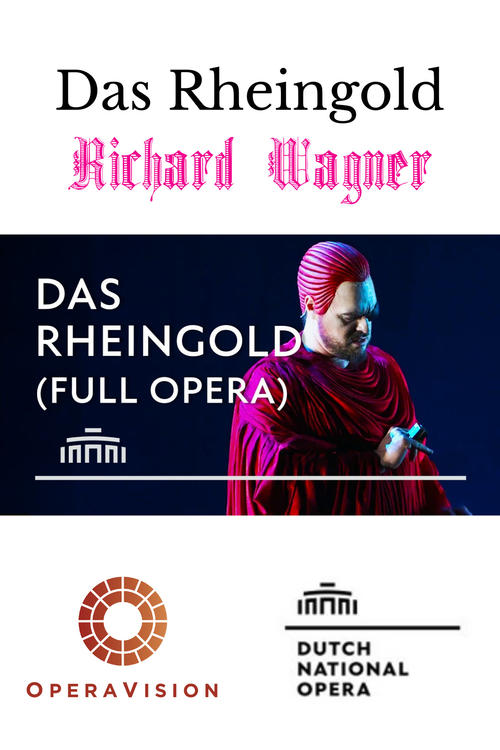
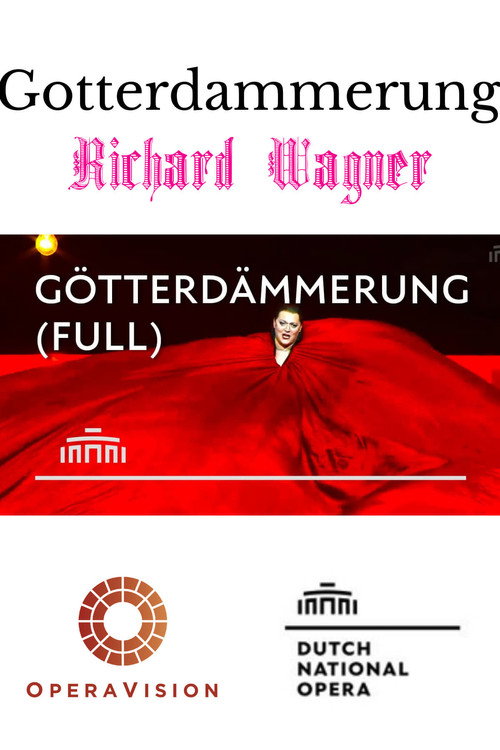
This is the Ring cycle of the Dutch National Opera, directed by Pierre Audi. In the depths of the Rhine, the three Rhinemaidens guard the Rhinegold, a treasure of immeasurable value. The Nibelung dwarf Alberich is dazzled by the sight of it. The girls explain that whoever wins the gold and forges it into a ring will gain power over the world, but must first renounce love. Frustrated by his unsuccessful attempts to catch one of the girls, Alberich curses love and steals the gold. Wotan, lord of the gods, is reproached by his wife Fricka: he has promised to give Freia, goddess of youth, to the giants Fasolt and Fafner in return for their building a fortress for the gods. When the giants demand their reward, Loge, the god of fire, suggests an alternative payment: the ring Alberich has forged from the Rhinegold, and his other treasures. The giants agree, and Wotan and Loge leave for the Nibelungs’ underground home.
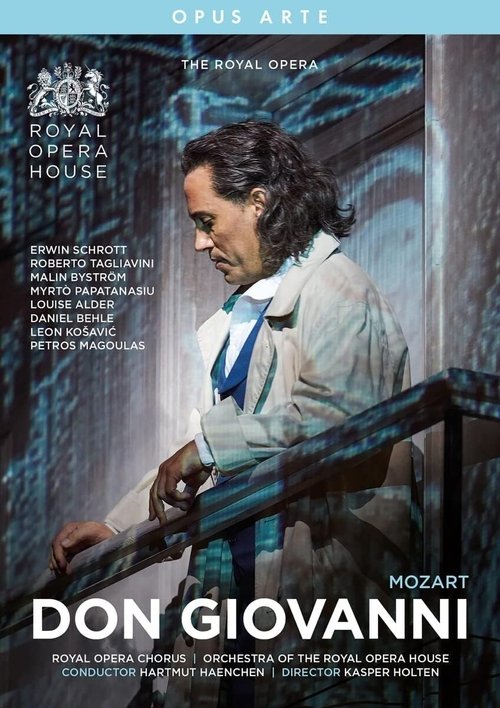
New 2019 version of the Kasper Holten’s 2014 production of Don Giovanni for the Royal Opera offers a glimpse inside the mind of one of opera’s most notorious seducers. With a spectacular revolving set by award winning designer Es Devlin, ingenious video projections by Luke Halls, and an ‘ideal cast on world beating form’ (The Independent), this staging brings Mozart’s dazzling score to life, in all its wit, glamour, and darkness.
A mythical performance from la Monnaie - Bruxelles. Parsifal is a strange and enigmatic work. At the end of his life, did Wagner wish to celebrate asceticism, which he himself had never practised? Did he fall upon his knees before the Cross, as claimed by Nietzsche? And what does the secret society of knights based on pure blood signify, desperately waiting for the saviour to regenerate it? What is the true nature of the opposition between the worlds of Klingsor and the Grail? What can Parsifal tell us today? In his artistic will and testament, Wagner condenses his moral idea of the world and returns to the roots of love and religion - to the very heart of art according to him. With the participation of conductor Hartmut Haenchen who is passionated by the score, Italian stage director Romeo Castellucci proposes an original reading of this brilliant work and explores the essence of Wagnerian ‘Kunstreligion’ in a different light.
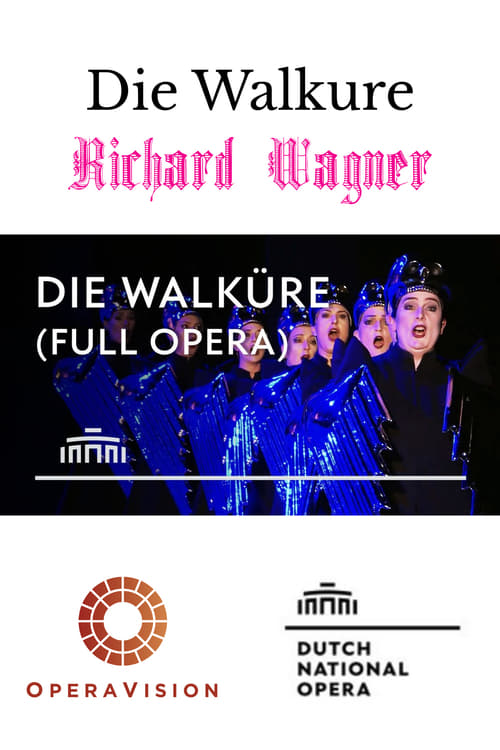
This is the Ring cycle of the Dutch National Opera, directed by Pierre Audi. Fleeing for his life, Siegmund seeks shelter at Sieglinde's house. Her husband Hunding happens to be one of Siegmund's pursuers, and the two of them must cross swords the next day. As Siegmund laments his lack of a weapon, Sieglinde directs him to the sword Nothung stuck in an ash tree. Despite discovering they are twin siblings, the two fall in love. The King of Gods Wotan, their father, sends his Valkyrie daughter Brünnhilde to aid Siegmund. Fricka protests, and Wotan uses his spear to break Siegmund's sword during the battle. Siegmund is slain, but Brünnhilde rescues both the sword fragments and Sieglinde who is pregnant with Siegmund's child Siegfried. Wotan is angry that she intervened, but since Brünnhilde is his favorite child, he merely strips her of immortality and sends her into an enchanted sleep, surrounded by fire.