Acting
No description available.
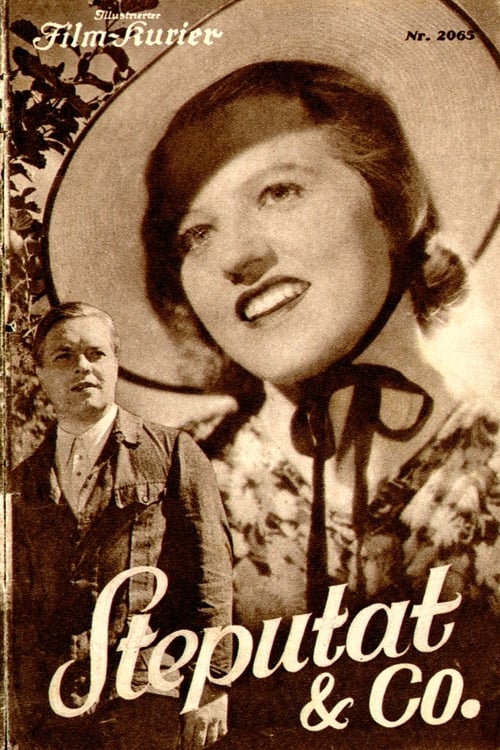
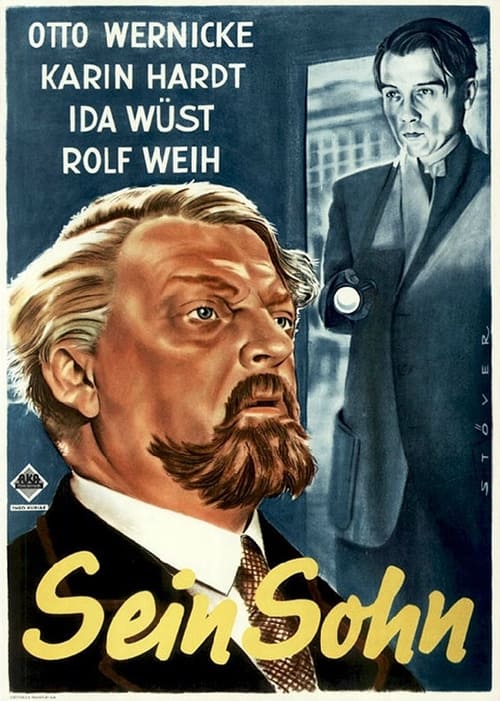
A rich East Prussian shopkeeper,jealous that one of his male employees is in love with a female employee he himself covets, frames the couple for stealing lottery tickets.
Writer Johannes Pfeiffer who goes undercover as a student in a high school after his friends told him that he missed out on a great life experience since he was home schooled.
Peter, Paul, and Heinz have been best friends since early childhood; the first two are treated almost like Heinz's own children by his parents, Mr. and Mrs. Liebitz. One day, a terrible accident occurs during a regatta: Heinz falls into the water and drowns. Despite this horrific event, the bond between Mr. and Mrs. Liebitz and Paul and Peter only intensifies. The elder Liebitz owns a musical instrument manufacturing business, and since Heinz will no longer be able to take over the company as originally planned, Franz Liebitz comes up with the idea that Peter and Paul should run the business instead. The two young men receive training in instrument making, but they don't want to become dependent on him and decide to earn their living by repairing instruments and/or as music teachers.
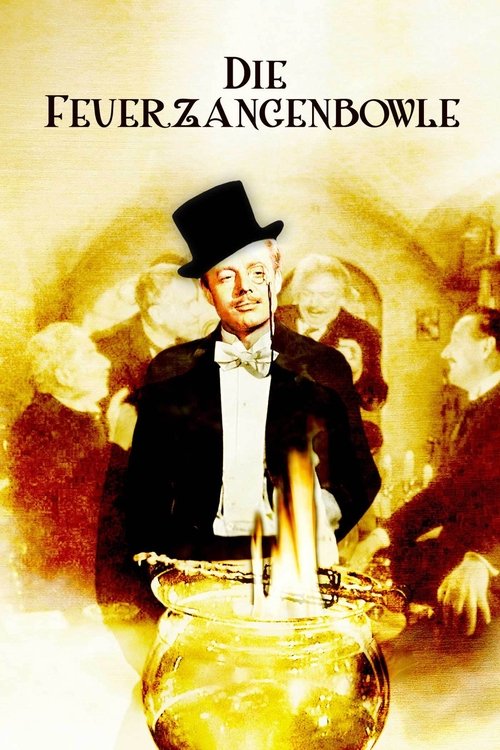
The successful writer Erich Eckberg lives with his wife Sigrid and their three children -- the twins, Knut and Michael and the daughter Gabriel -- on their estate "Sophienlund". On their sons' 21st birthday, Eckberg tells them the great family secret: Knut and Michael aren't his children (happy birthday, kids ... oh! and did I mention Santa Claus doesn't exist either?). But thankfully, the news gets better: their real mother died giving birth to them (guilt trip ... guilt trip!) and the Eckbergs decided to adopt the boys and bring them up in a proper family (no doubt so they could shatter their lives with this tale on their 21st birthday). But hey: it made everyone forget about the War going on outside the theatre, right?
German film about Luftwaffe pilots. It depicts a love triangle involving two of them being overcome by their participation in battle together.
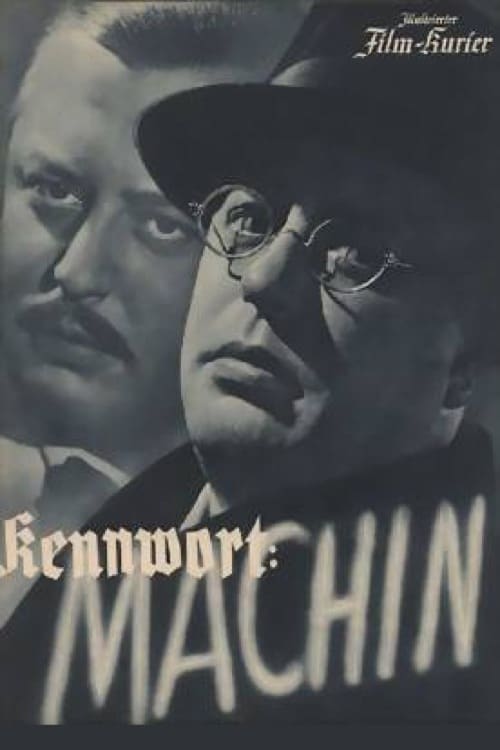
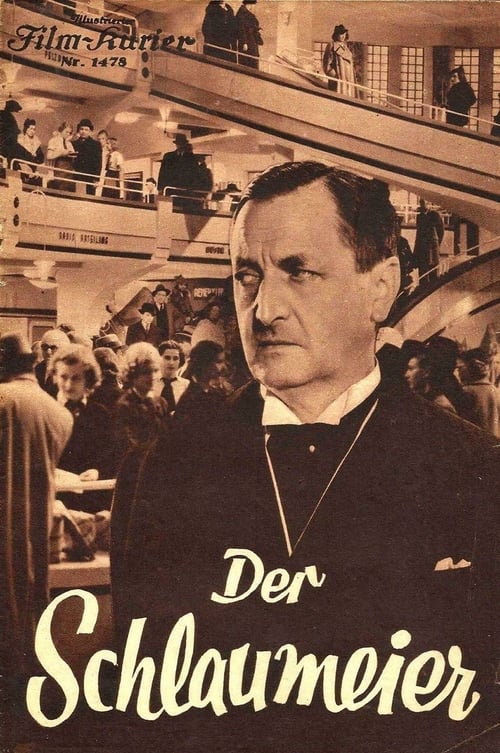
The cashier, Jürgen Borb, has already worked for 10 years at Dadag in Hamburg and is an example for customer service and company loyalty. His professionalism are matched by the trust of his employers, who, while relating to him in an acceptable manner professionally, desire no closer contact with him outside of the workplace. When Borb suddenly disappears one day, Dadag's directors and Borb's colleagues are surprised. They become even more surprised when they soon discover that Borb has embezzled well over a million marks from the firm. His stepsister, Mette, doesn't believe that her stepbrother is an embezzler. In the meantime, she has fallen in love with a criminal investigator, who, she believes, is simply exploiting her affections to get to Borb. Then one day, the criminal investigator finds a body in the cellar of a house Borb rented under a false name and this man created a phony ID card for Borb, identifying him as a resident of a South American country.
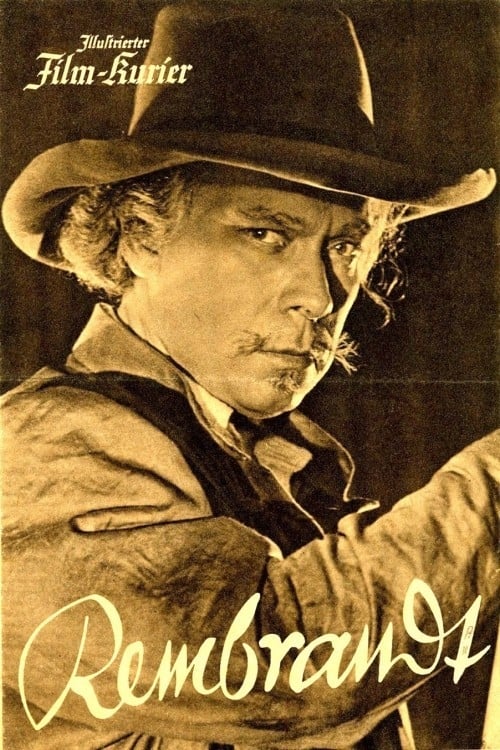
Already a famous painter, Rembrandt van Rijn is commissioned to paint the Amsterdam Archers' Guild. But upon completion of the picture, the men of the guild feel duped, because they don't consider themselves flatteringly depicted in the painting. They therefore decline to pay for the work. During this dispute, the painter finds out his wife is close to death. He finds himself terribly lonely after her passing and suffers from depression until he decides once more to marry.
Veronika, a saleswoman at the Tutzinger department store, is in love with Paul, who also works there as a salesman. During a weekend trip in the car, the colleagues grow closer, but Veronika also gets into serious trouble. To cover up a tear in her dress, she borrowed a valuable fur coat from the department store, which she intended to return on Monday. However, the theft is noticed, and Veronika has to justify herself to her boss, Tutzinger. When Paul arrives to defend Veronika, Tutzinger realizes that the two are in love—and makes sure that they can be happy together.
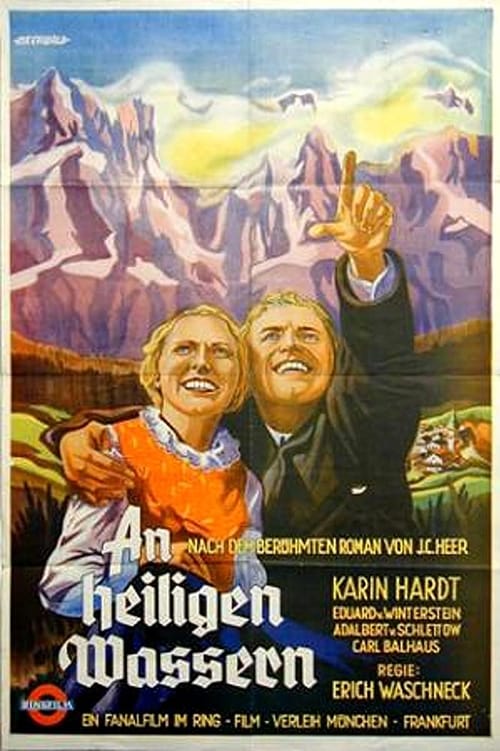
For centuries, the water supply of a mountain village has depended on an endangered, wooden water pipe. The young engineer Josi blows a channel in the rock. After initial resistance, the villagers are excited about it. The film was based on a novel by Jakob Christoph Heer.
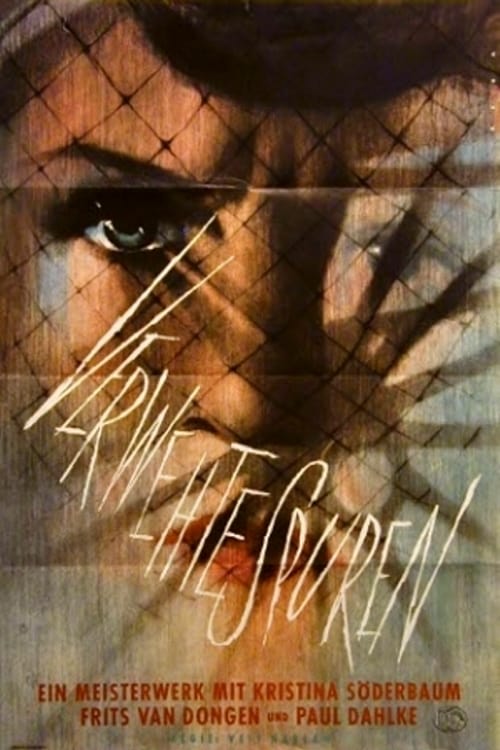
Séraphine and her mother arrive in Paris to visit the 1867 World Exhibition. In an overcrowded city they must be accommodated in separate hotels. During the night the mother, who wasn't feeling very well, gets suddenly worse. When next morning Séraphine goes to meet her every trace of her presence has disappeared and everybody denies having ever met her. The bewildered young woman must find someone who believes her. Previous version of So Long at the Fair (1950).
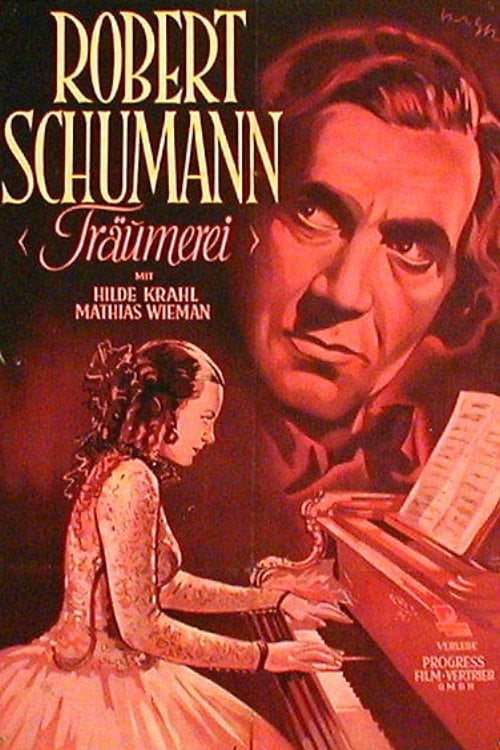
A musical film based on biographical facts about Clara Wieck's love for composer Robert Schumann (1810-1856), her marriage against her will, Schumann's triumph, and his tragic end due to mental illness. The film is beautiful and entertaining, full of noble spirit and beautiful words about art and love, which only conflict in a theoretical context; not least thanks to its solid cast, this film is quite serious and far from kitsch. Completed in 1944, during World War II, the film was rejected by the Nazi leadership, but was eventually released and enjoyed success with an audience already weary of war.
Two dubious characters disguise themselves as Holmes and Watson to gain attention and end up chasing counterfeiters and stolen stamps.
Professor Lorenz is nominated for the highest accolade of his profession, and he smiles about his sons' juvenile mismanagement of private funds. Then he learns that one of them has forged the professor's signature on several IOUs.
Otto, a feckless Everyman, tries to adjust to the postwar travails of his defeated nation. Stymied by black-market profiteers and government bureaucrats, Otto begins fantasizing about a happier life at the end of that ever-elusive rainbow.
For many years, old Mr. Brugg has been employed at the jewelry store owned by the elegant Mrs. Hellmers. His son Peter has also been working there for some time as a salesman and hopes for a promotion. When Mr. Brugg is knocked unconscious during a robbery, Mrs. Hellmers sends him into well-deserved retirement. Peter then takes over his father's position as manager, which forces him to break off contact with the young employee Charlotte – he wants to find a more suitable bride. He seems to have found her in Brigitte, Mrs. Hellmers' niece, but she doesn't want much to do with him.
Anne Treibel owns a small house that is home to four women and one man, Martin, a badly injured war veteran. All the women are interested in Martin, but he knows that only Anne truly loves him. When Helga asks him to get a surgery that could save his life, he does it for Anne. Fortunately, the attention of the other three amorous women is diverted when three suitable men happen to show up!
In Bremen, a ship is launched, which was built by Thomas Holk. That evening, he gets to know the middle-aged widow Ada Rasmus, who flirts heavily with him. The next day, Thomas travels to Hallbad on vacation and the two lose sign of each other. In this rural idyll, he gets to know Krist and falls in love with her. He takes her back with him to Bremen and his aunt introduces her into society. Her natural charms enchants everyone and the beautiful widow Ada swears revenge. She finds a way to bring Ada into a painful situation with Dr. von Cremona, and, to top it all off, a man’s coat is found in her room.
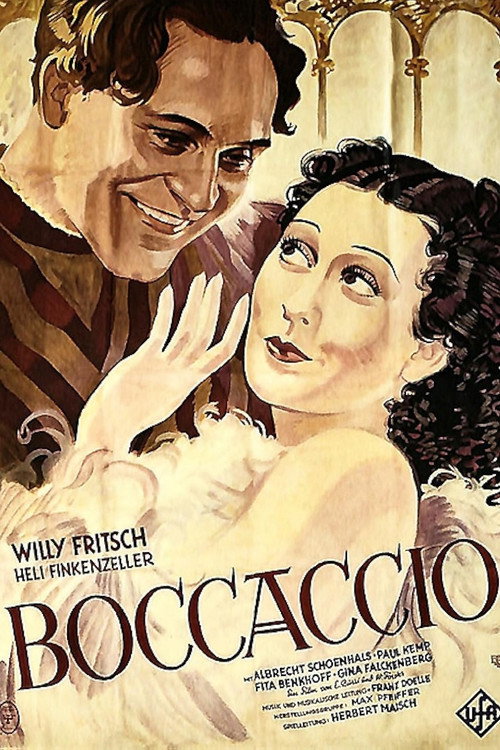
The film is set during the Italian Renaissance in the 14th century. Petruccio lives in Ferrara with his wife, Fiametta. Initially, he works as a scribe at the city court. Under the pseudonym Giovanni Boccaccio, he writes amorous tales that divide opinion within the city. While the women read the texts with delight, the men are outraged by their moral licentiousness.