Acting
A young farmer, Jan Aleš, is drafted from his native Pošumaví to join the army. Since he likes his new environment, he stays with the army as a long-term serviceman. He even successfully passes the exams for the military academy. There he becomes friends with his Slovak colleague Milan Jurčík. He studies diligently, but thanks to Milan he sometimes finds time to go out into the city. That is how he meets the factory owner's daughter, Zdenka, with whom he falls in love. However, her father is not very happy about the promising relationship.
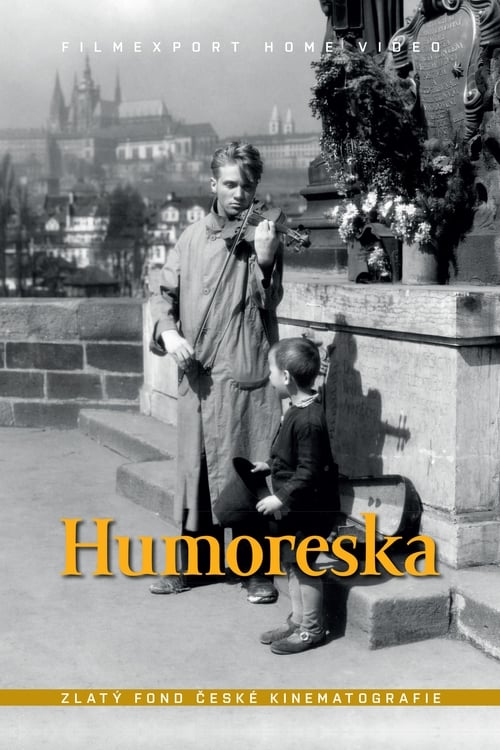
Dvořák's well-known composition reappears again and again in the serious moments of the lives of the father and son Hupeks - talented non-professional musicians for whom music gives them the opportunity to rise above difficulties and problems...
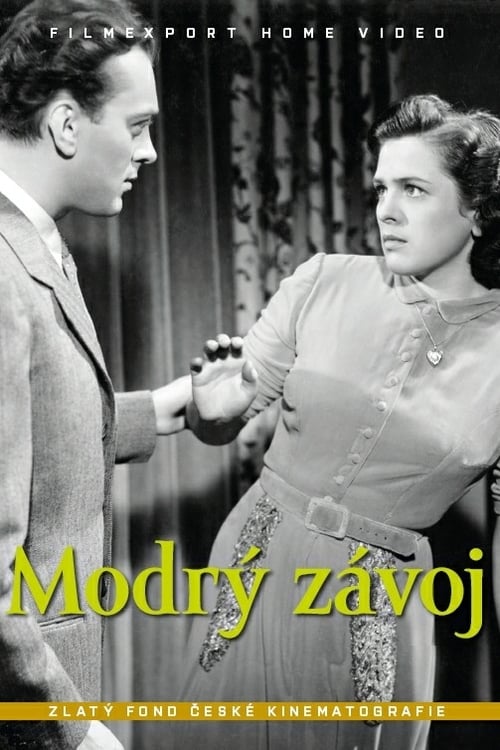
Marta Hornová, a blind soloist of the radio orchestra, becomes acquainted with the actor of the state drama Robert Holan. He also meets her sister Helena, a talented sculptor, whom he mistakes for Marta. However, when he returns her blue veil, which she supposedly lost during their meeting in the radio building, Helena realizes that Holan actually loves her sister...
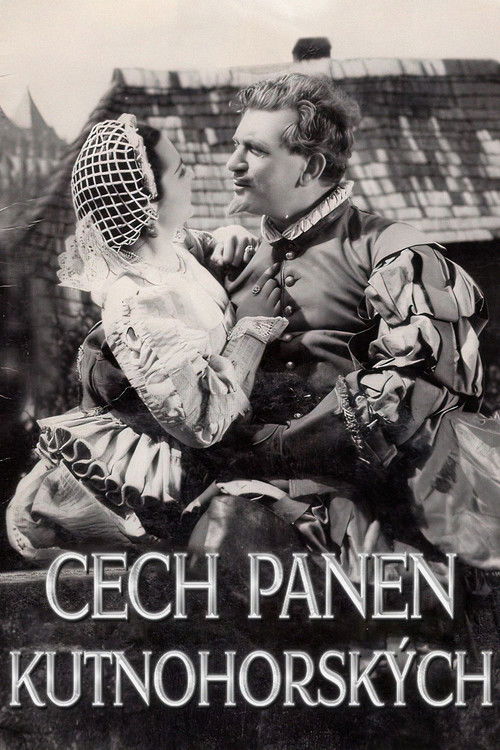
The Counter-Reformation period: Myslivec Machovec is forced by representatives of the Jesuit order to flee his home for his religious beliefs. His teenage children Helenka and Tomáš do not give up the faith and traditions of the Czech Brethren despite the increasing pressure.
In early 20th century Czechoslovakia, a gravely ill chemist recalls his discovery of a powerful explosive and how it landed in the hands of anarchists.
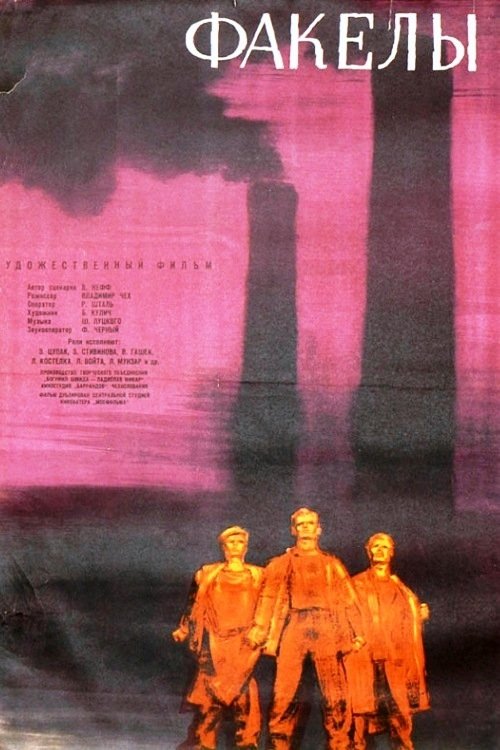
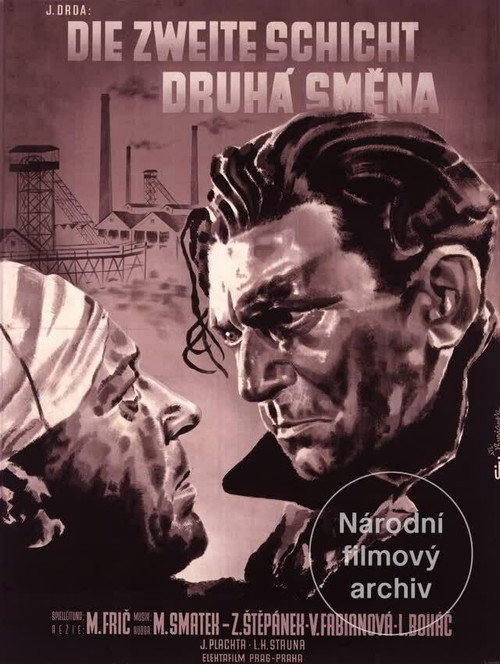
Prague in the 1870s. Work in Smolík's sulphur factory is hard and dangerous to health. The poorly paid workers resemble torches because their clothes are soaked with poisonous phosphorus. Young Josef Rezler also works in the sulphur factory and uses his earnings to feed his mother and little sisters. He throws his perpetually drunken father out of the house. The older worker Brož forces Josef to learn to read and write. A cholera epidemic breaks out in Prague and Josef is the only one of his family to survive the disease...
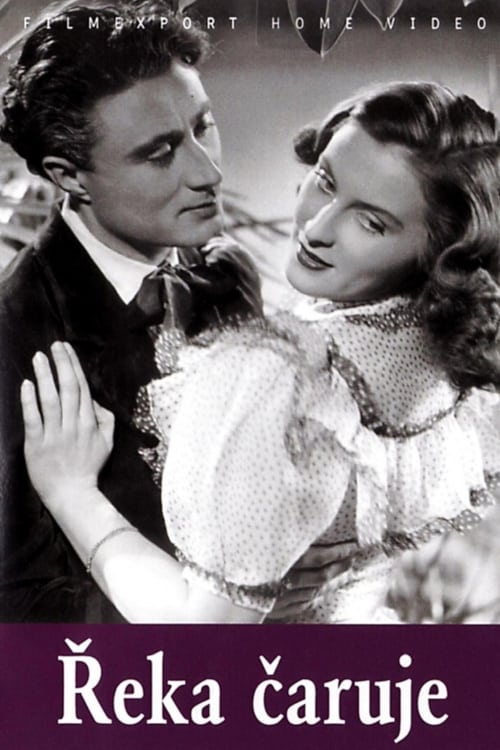
Leopold Kohák married a rich widow a long time ago and now has nothing to do compared to his energetic wife. He's growing old and troubled by the fact that he betrayed his first love Emča and his beloved river Sázava where he spent his childhood and youth. A visit from an old friend Lebeda brings it all back to him. After a nervous breakdown Leopold secretly visits his home instead of going to the spa. A wandering tramp suggest Leopold should bathe in the magical waters of the Sázava, and slowly his youth returns to him.
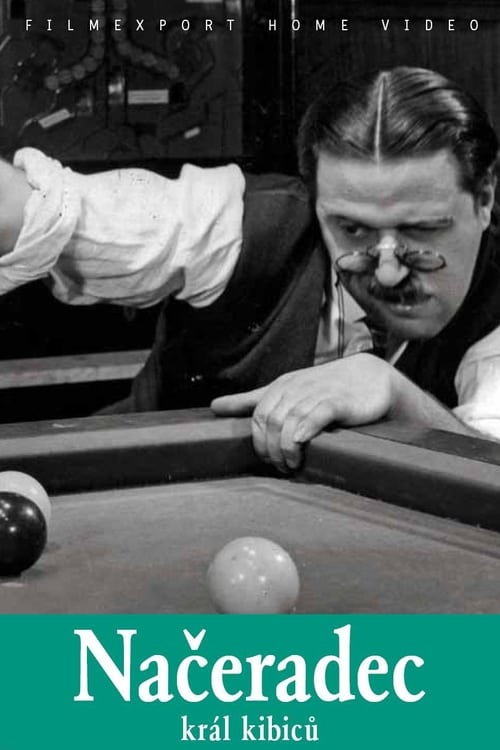
The owner of a clothing store, Mr. Načeradec, spends most of his free time in a café, where he plays chess with the owner of a rival store, Mr. Dundr, over mineral water. Načeradec's daughter Edith, coincidentally, starts practicing law at the same time as her boyfriend, Dundr's son. Mr. Načeradec often fills in for Mr. Findajs at the card company, who is currently dedicating himself to the wife of another player, Mr. Tachecí, the owner of a detective agency. Načeradec keeps his winnings, Findajs has to pay for the money he loses. One day, Mr. Načeradec is so unlucky in the game that he and Mr. Dundr get into a heated argument that ends up in court. Both men are represented by their children, who are rather amused by the situation.
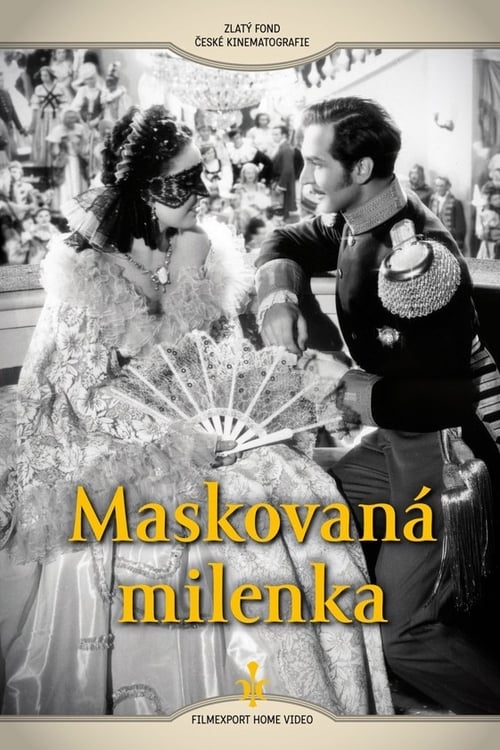
A romantic story of a noble lady who wanted to live without the bonds of marriage, but her desire for a child led her - carefully disguised - into the arms of a young nobleman. Only years later did she believe in his love and make herself known.
No description available.
A morally questionable lord comes to the aid of a working class man who is to be executed for speaking out about thieving rich scoundrels sticking it to the poor.
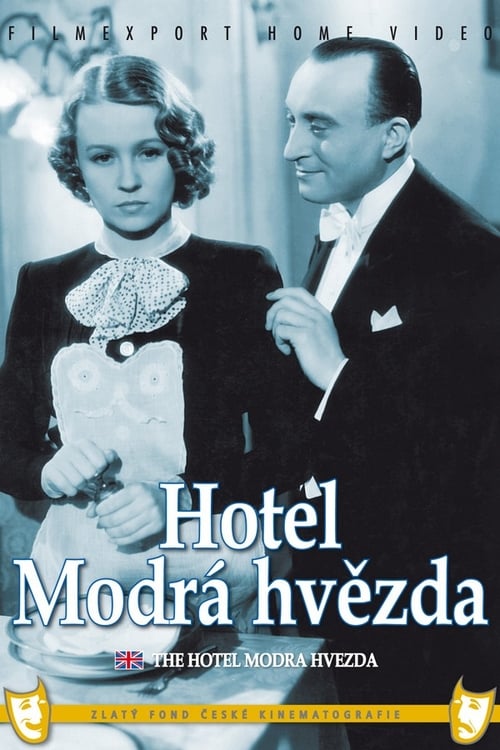
It all begins when Zuzanka, the new young owner, arrives at the dilapidated Blue Star Hotel. Determined to put the declining inheritance back on its feet, she starts chasing three young men, including the composer Jirka, who, dressed in a waiter's tailcoat, is to work off his debt to the new owner. Like his two friends, Jirka succumbs to the charms of his new boss and, with some confidence, hopes that he is the one who has the best chance of becoming her chosen one. At that moment, however, a guest arrives, intent on carrying out the family tradition and throwing an engagement party at the Blue Star Hotel, regardless of his condition. This, however, is not to the liking of his wilful fiancée. Fortunately, there is the sympathetic Zuzanka, who charms the unusual guest so much that he resolutely breaks off his engagement to the rich girl and prefers to marry the cute hotelier.
A writer of pulp crime novels is drawn into a series of real crimes. This film was one of the first Czech attempts on a genre parody.
One of the few European films of the 30s to criticize the Nazis, even if they couldn't be directly named due to censorship: Gangsters with gray hats stir up trouble in what is obviously the Sudetenland.
Rudolf Bartoš, the owner of a farm, quarry and factory, is extremely rich, however, he is unapproachable and irritable, and the dread of his employees. One day he falls down a steep slope by a river and hurts himself. The quarryman Fábera finds him groaning in pain and takes him to his cottage.
The imperial councilor Ullik decides to modernize his old mills by installing a new turbine. His eccentric brother-in-law Artuš tries to prevent this, as the construction work disrupts the statics of the tower in which he lives. Ullik's older daughter Tynda is a talented singer. The bewitched girl secretly accepts the courtship of the virile Václav, the son of the night watchman. Her younger sister, the doctor Marie, wins the heart and hand of the astronomer Zouplna, despite her father's prohibition...
People are afraid of the usurer Chazaj and are convinced that he is the bearer of evil. One day Chazaj pays a visit to the poor artist Simon Jordán and asks him to paint his portrait. Simon agrees but as he progresses with the work his mind conjures up terrible thoughts and in the end he commits suicide. The portrait looks lifelike and Chazaj is content with the results. After Chazaj's death the picture changes hands and brings misfortune to all who own it. The last victim is the young painter Roman who buys Chazaj's portrait in a bazaar. He finds a treasure in the frame and begins to live well off it. The comfortable life suits him so well that he rejects his original artistic aims and becomes a painter of fashionable kitsch.
A sometimes humorous, sometimes more serious look at the hustle and bustle of a house in Lesser Town with a diverse array of tenants living there, and often petty quarrels that break out between them. Behind the facade of the house in Lesser Town "U dvou slunců" (Two Suns) there is life. The Bavors live here, eternal slaves to the grocery store. The Ebros, who need to marry their daughter off at a good price. The bachelor Dr. Loukota and other interesting Nerudov characters.