Acting
No description available.
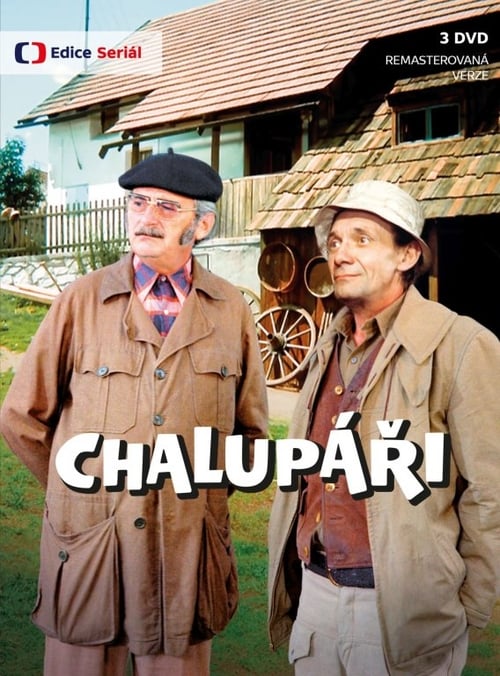
Chalupáři is a Czechoslovak comedy TV series filmed in 1974 and 1975 by František Filip.
A young man tries to enter the building of the Mammoth Cybernetic Supermachines Research Institute again and again but each time the doorkeeper spots him and kicks him out. The youth finally arrives with all his friends and a huge live bear from the circus where he works as an accountant. He is finally allowed in where he explains to the members of the directorate that he wants to work at the Institute, since he graduated in cybernetics and, besides, he has invented a machine for forecasting time of death. When the conniving research manager learns that their director is going to die in two days, he hopes to rise to his position.
Ten-year-old Martin attends religion at school and is always an altar boy at church. That's the wish of his mother Anci, a bigoted believer. However, Martin encounters hypocrisy at every turn and begins to doubt that God exists. His older brother Eda steals money from his father with impunity, his father steals materials from the cooperative building, and even Martin's best friend Kovajs "sins" without scruples. Pastor Hornof tries in various ways to maintain his influence over his sheep, but is hindered by people with a "progressive" socialist mindset. When Martin's beloved Angora rabbits, who have done nothing wrong to anyone, die, the boy's faith is clear. He decides to join a pioneer organisation. All that's left is to keep it a secret from his mother...
Television lighting engineer Honza borrows an apartment from successful architect Zdeněk so that he can meet his love Marta alone. The architect pretends that Honza's request is convenient for him, because he has a program in the early evening anyway. However, the opposite is true, the architect spends the most important time of the year in a pub. He is successful and carefree only on the surface, but in reality he is unhappy, his marriage has ended in bankruptcy. On the other hand, Honza and Marta are happy, although they lack their own apartment to be happy. They have their love...
Together with a group of temporary workers, a group of experienced labourers is building a land reclamation system to turn the South Bohemian marshes into a "Seventh Continent" of fertile soil.
A horror film cut almost in the British style, with the very English František Němec, the grumpy coachman Josef Somr, an abandoned country estate, and its mysterious inhabitant. Based on a short story by J. Hanák.
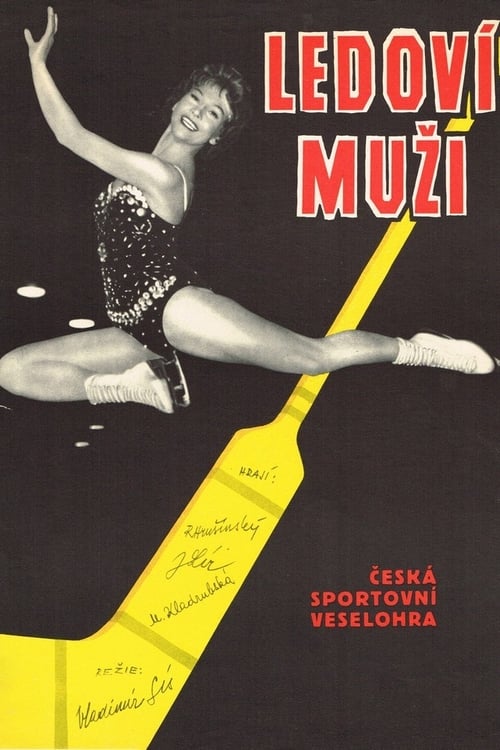
An official of a declining hockey club has a tip for a prodigy shooter: a young teacher Havranek is famous for his hits in a fairground shooting range, but he can't skate. Luckily, his daughter Alena is here...
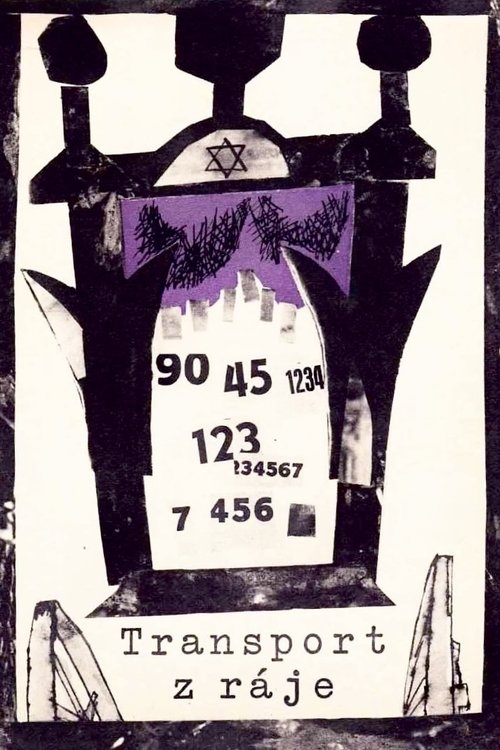
Czechoslovakian Zbynek Brynych directs this psychological drama set in World War II Terezin ghetto. A dark, visual portrayal of the trials and tribulations the Theresienstadt people faced on a daily basis presented in a series of memorable stories. Their hopes and dreams unfold against the perpetual threat of deportation (or worse) by the Nazis. Based on the novel "Night and Hope" by Arnost Lustig.
In the Hussite times, religious truth was sifted even on the tips of weapons. When in 1430 the Hussites set out on a raid to Nuremberg, the so-called Spanila Cavalry, to defend their doctrine, the young commander of the cavalry, the landowner Keřský, whose bride had once been kidnapped by a vicious crusader, saw it as an opportunity for personal revenge. Although Oldřich Daněk has tried to establish a distinctive interpretation of historical events, he reflects on where the blinded desire to punish a bad deed with further cruelty leads, but his version seems too thesis-like and lifeless, it does not rise above the descriptively illustrated scenes from old Czech chronicles...
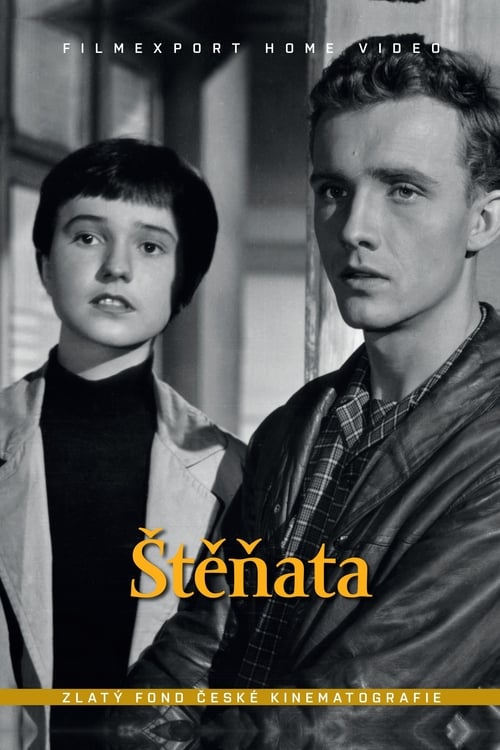
Explores young adults' fears of being conscripted by the communist government into working outside of Prague, a relative oasis of creativity and freedom of thought. From an early script by Milos Forman.
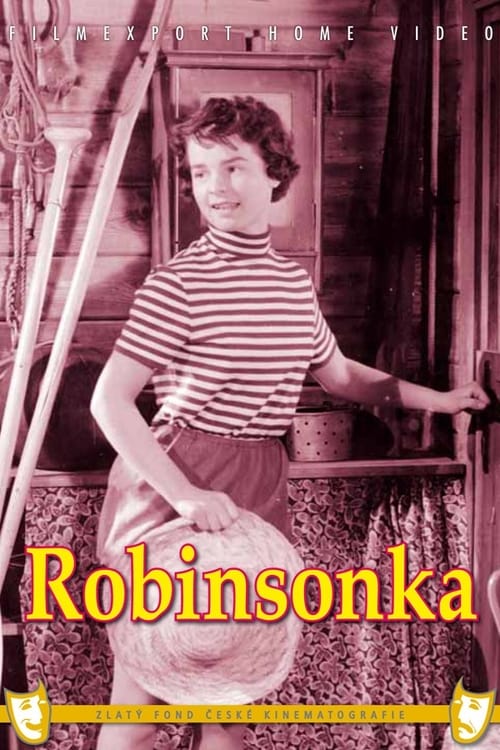
A thirteen-year-old girl whose mother suddenly dies during the birth of her second child is forced to start taking care not only of herself, but also of her father and newborn brother.
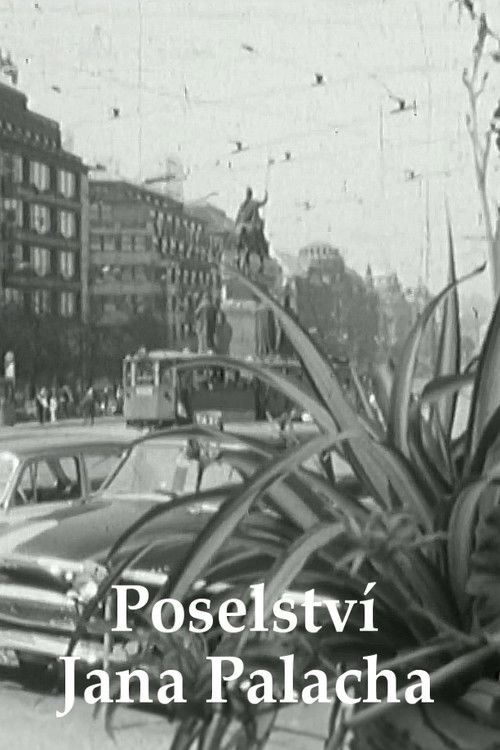
On the 16th of January 2009, it will be 40 years from the self-burning of Jan Palach. He committed this act in protest against the progressing lethargy and pusillanimity of the Czechoslovak nation following the occupation of Czechoslovakia in 1968.