Acting
No description available.
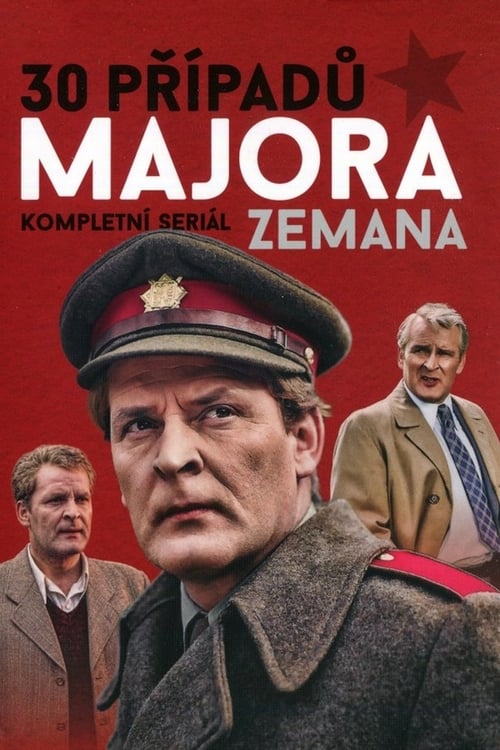
Thirty Cases of Major Zeman is a Czechoslovak action-drama television show intended as a political propaganda to support the official attitude of the communist party. The series were filmed in the 1970s. Each episode encompasses one year, and investigations are stylized to that year. Most are inspired by real cases. The series follows the life of police investigator Jan Zeman during his career from 1945 to 1975.
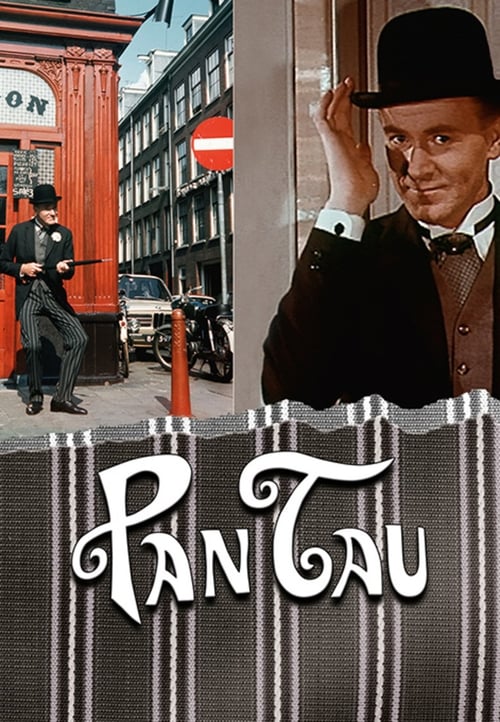
Pan Tau always had a gentle expression and a friendly smile, he was elegantly dressed in a stroller, with an umbrella and a white carnation in the lapel. Foremost, he was famous for his magic bowler hat. By tapping on his hat, Pan Tau was able to change his appearance into a puppet, to conjure up miscellaneous objects or to do other magic. His most characteristically behavior is that he would help children who were experiencing some sort of difficulties in-between their dreams and reality, like finding a place for skiing, settling family problems on Christmas, and even give a boy a good time at a fair when he is supposed to have piano lessons. To adults, he usually remained invisible.
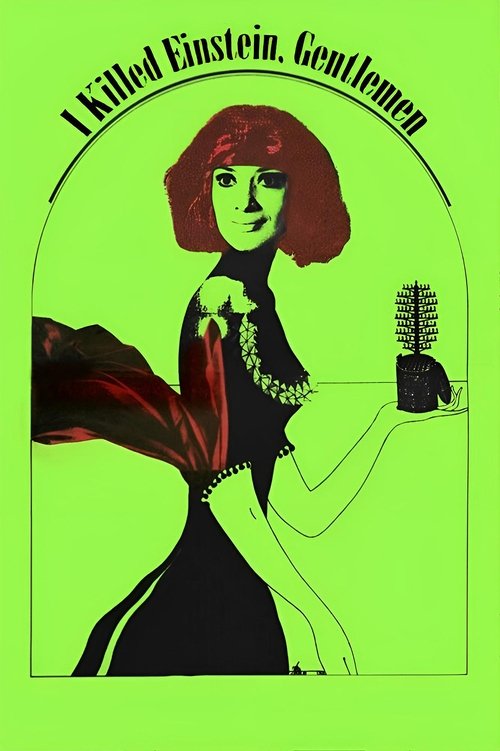
This futuristic science fiction comedy features an atomic bomb blast that causes women to grow beards and lose the ability to have children. A summit meeting is held at the United Nations, with the proposed solution of building a time machine. The decision is made to travel back in time and murder Einstein, with the hopeful result being that without the noted mathematician's research there will be no atomic bombs.
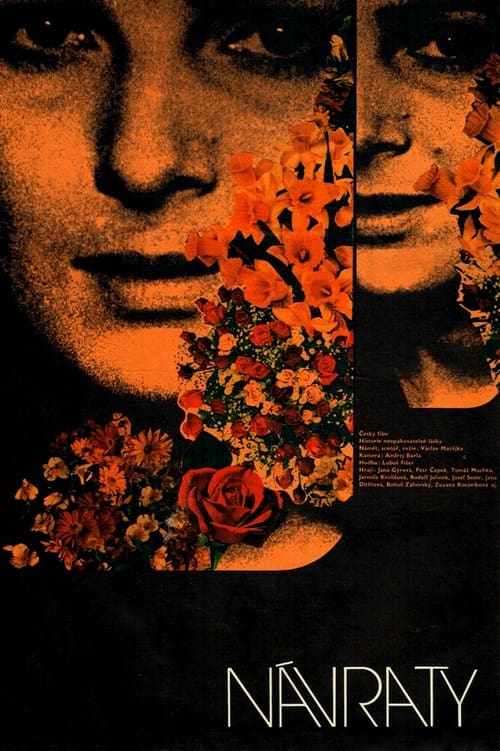
A psychological film about the sense of self-fulfillment of a divorced couple over 30 who feel that life is slipping through their fingers. While she, a nurse by profession, is adapting better, he, unreliable and always improvising, is searching in vain for his clue and even tries to get back to his ex-wife.
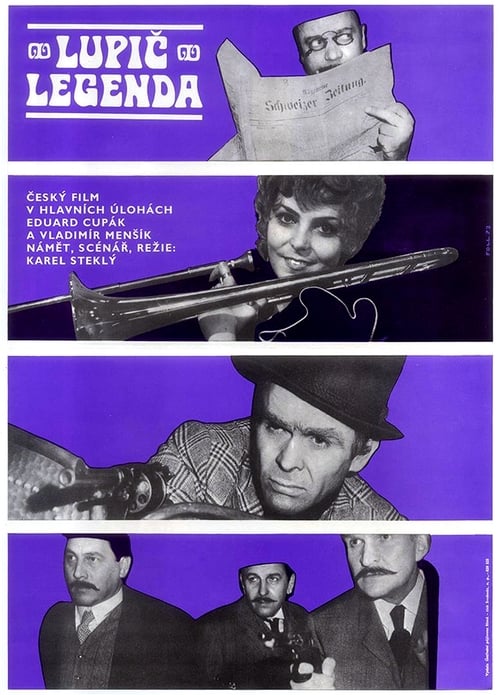
It is 1905. The police director gets Jindrich Legenda (Eduard Cupák) shadowed as, yet Legenda had served his sentence for a burglary, the jewels have not been found. Russian revolution encouraged also Czech workers to fight for their rights. Radical anarchists are followed by Legenda's friend Karel Wohryzek (Vladimír Mensík) who was forced to collaborate with the police as he was convicted of pornography distribution.
It is 5 May 1945 and the uprising against the hated German occupiers has broken out in Prague. The Czech guards open the gate of the Pankrác prison to allow the prisoners to escape en masse. Many of them are shot dead by the German guards but young Ruda (Jaromír Hanzlík) manages to run away. He is taken care of by one of the Prague fighters, concierge Kytka. Kytka hides him in the flat of the house's owner where only the young maid Karla (Jana Brejchová) is left, ordering her to take care of Ruda.
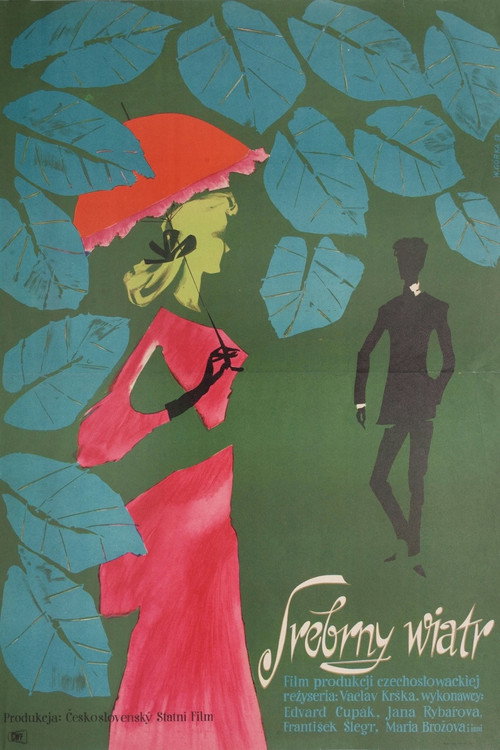
Second half of the 19th century. In a small town in South Bohemia, fifth-former Jan Ratkin is living through the confusions of first love together with his classmates.
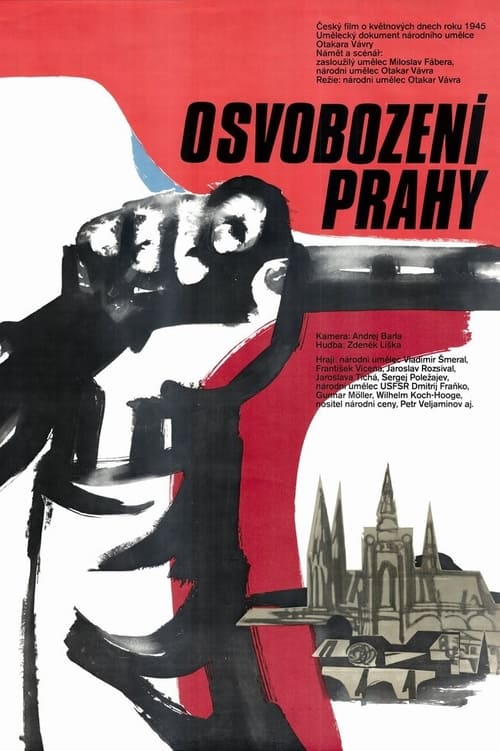
On 20th of April 1945 the Soviet army launches its attack on Berlin. The end has come for Nazi Germany and Hitler decides to commit suicide. In Prague K.H. Frank (Nazi Secretary of State and Chief of police in the Protectorate of Bohemia a Moravia) discusses with his commanders how to transform the city into an impregnable fortress, but the Praguers do not intend to wait any longer. From the early hours of 4th of May people start assembling in the streets and tearing down German signs. On the next day, the 5th of May, the uprising begins.
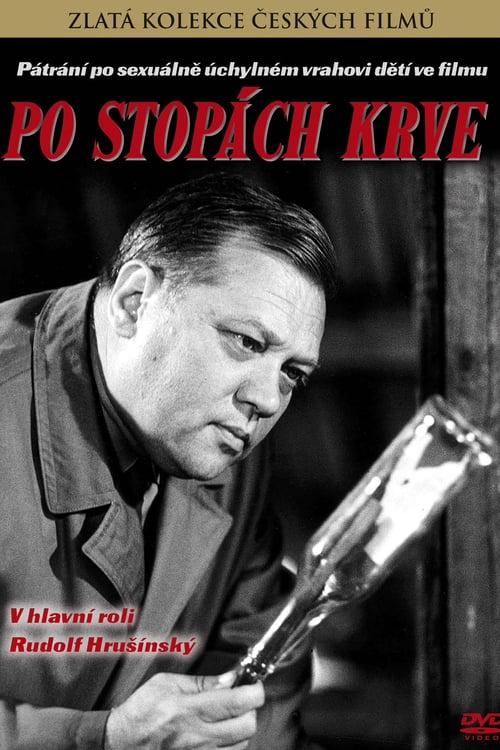
Major Kalas from the Prague criminal intelligence service has been sent to a small town of Dubá in North Bohemia to help with the investigation of the puzzling death of a child. A gypsy boy has been killed three weeks ago and his body found under a rock. As the investigation continues, another dead boy is found. The boy has bled to death after someone cut his artery with a handsaw. Both deaths are obviously the work of a murderer - a perverted pedophile, sadist who gets sexual satisfaction from the sight of a young boy's blood.