Acting
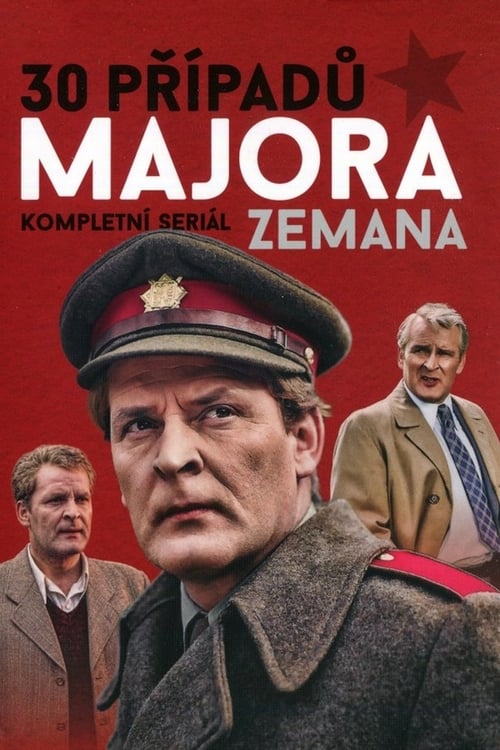
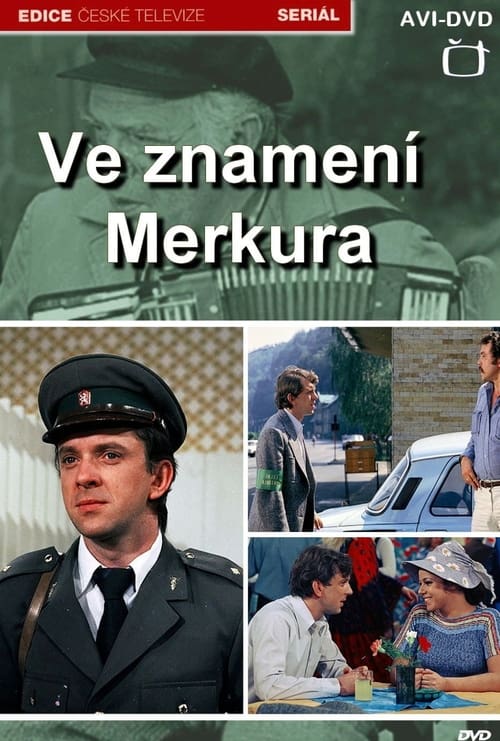
Thirty Cases of Major Zeman is a Czechoslovak action-drama television show intended as a political propaganda to support the official attitude of the communist party. The series were filmed in the 1970s. Each episode encompasses one year, and investigations are stylized to that year. Most are inspired by real cases. The series follows the life of police investigator Jan Zeman during his career from 1945 to 1975.
No description available.
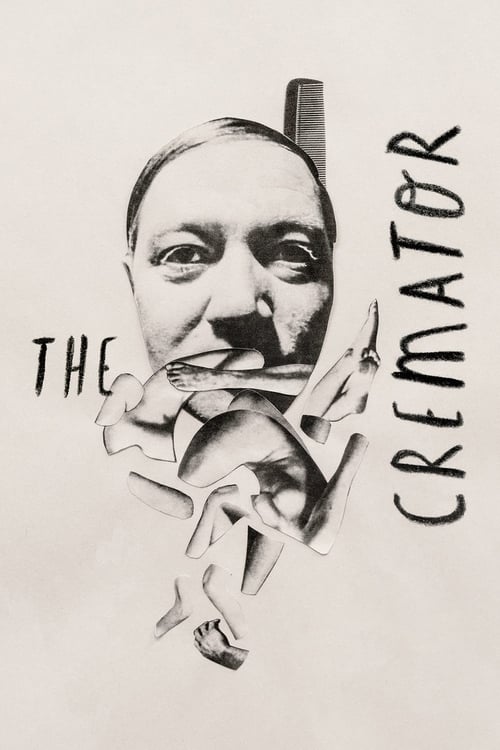
In 1930s Prague, a Czech cremator who firmly believes cremation relieves one from earthly suffering is drawn inexorably to Nazism.
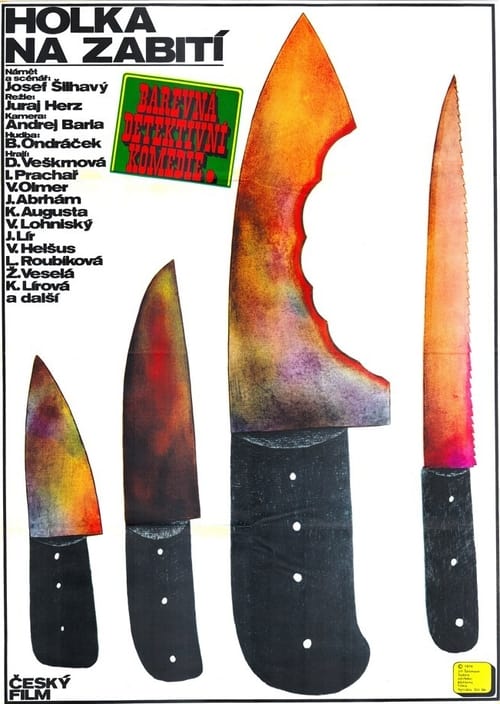
The waitress Gita from the hotel "Bobí vrch" approaches her lover who has not left his wife yet and gives him an ultimatum: if he does not do all according to her wish, she will announce to the police his machinations with foreign currency.
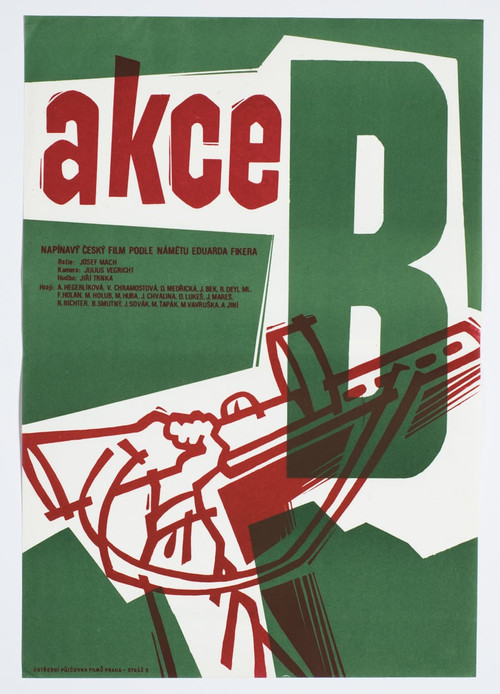
Film shows the struggle of the Czechoslovak armed forces against groups of Ukrainian Insurgent Army (UPA) under command Burlak, who tried to pass through the territory of Slovakia.
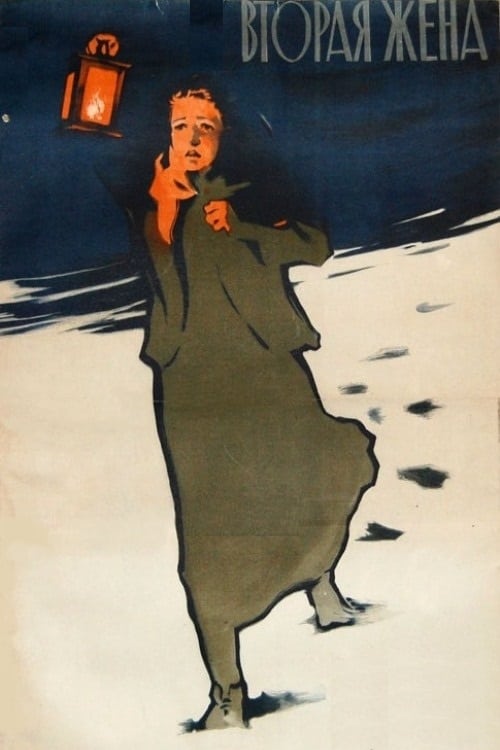
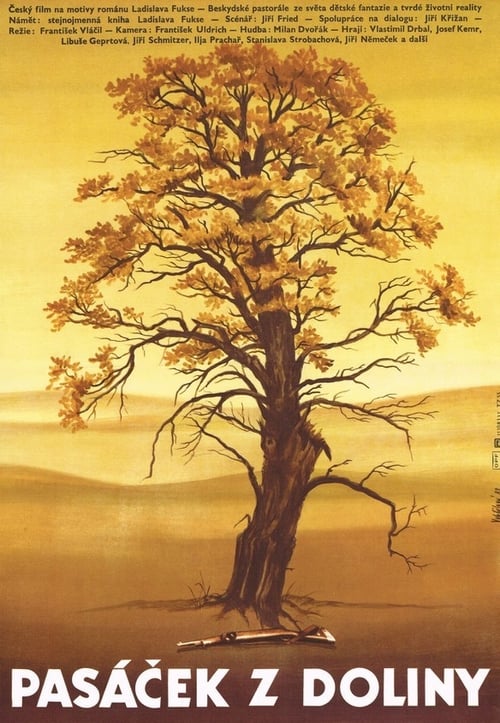
A ballad story from the life of the inhabitants of the Moravian Beskydy Mountains. The heroine is a young woman, Františka Plesníková. Františka's lover was killed by a falling tree before he could marry her, and the girl faced the bitter fate of a "roll" of illegitimate mother. Františka fought with all her might for a better life for her son Metúdek. For his sake, she eventually married an old widower farmer, Podešva. However, she soon realized that her marriage had not benefited either herself or her child.
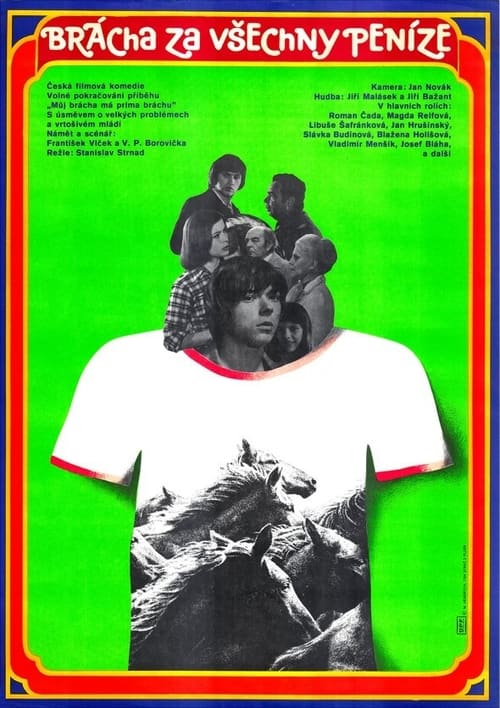
Honza and Zuzana are very young husband and wife. They have a little daughter of whom willingly occasionally take care the grandparents and Honza's fifteen-year-old brother Martin. Zuzana continues studying and Honza devotes all weekends as an amateur competitor to the motor-cycles at the speedway. Zuzana is not interested in motor-cycles. Martin holds responsible for his brother's marriage and at the advice of his friend Magda, who is of the same age, invites her sister-in-law to the club of Hucul horses so that she does not feel bored. But by misfortunes and unexplained quarrels both young husband and wife start being jealous of one another.
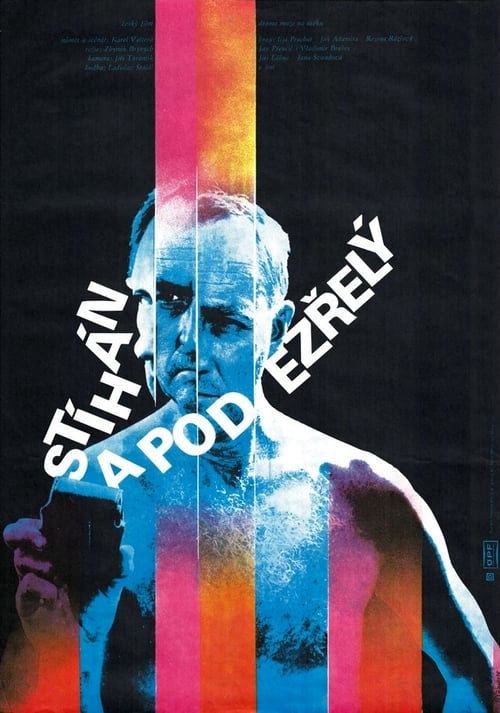
Late at night Eva Trojanová returns home to an agitated husband; three days later, her body is found with bruises on her neck. Her spouse, missing after a business trip, becomes the prime suspect and flees to northern Bohemia. When investigators learn he is innocent, Captain Hart continues pursuing him, not as a criminal but as a desperate man whose plight may endanger himself or draw him into conflict with the law.
In 1947 by the Beskid mountains, the traces of war still linger, destroyed tanks dispersed throughout the farmland creating an eerie backdrop. This film follows a ten-year-old boy and the strange visions he encounters, his world of fantasy exacerbated with ample time, space, and a lack of companionship or guidance. We see the adults that influence and dominate his life, for better or for worse. Surreal and packed with an excellent study of human emotions and motivations compounded by their rural, isolated vacuum of a town, this is a timeless and severely underrated film from a brilliant Czech director.
The central characters of this comedy with a criminal plot are the members of the seemingly normal Matěn family - we have dad Karel, a designer with a passion for filmmaking, mum Růženka, who wanted to be an actress, son Jirka and teenage daughter Vera, who likes photography. And you can't leave out the talkative grandfather who lives with the family. On Christmas Eve, the whole family is going to make an amateur film. However, the intricately planned event, during which they want to capture the picking up of a carp at the post office and its release into the river with a camera, is unfortunately ruined by a thief who takes advantage of the situation and steals a large sum of money. Suddenly everyone is under suspicion...
Loosely inspired by a real criminal court case. It took place in Prague and the Tatra Mountains between 1926 and 1928 and was later described as one of the biggest, if not the biggest, cases the pre-Munich Republic had ever seen. Nevertheless, the police and judiciary at the time failed to clarify and close the case in such a way that it would not raise legitimate questions long after the trial had ended. Even though the court handed down its verdicts, the case remained open in a way, and this is also reflected in the script, which remained faithful to the facts in its basic outline," says screenwriter Václav Šašek, author of the two-part television production The Trial of the Martyn Murderers...