Acting
Actor.
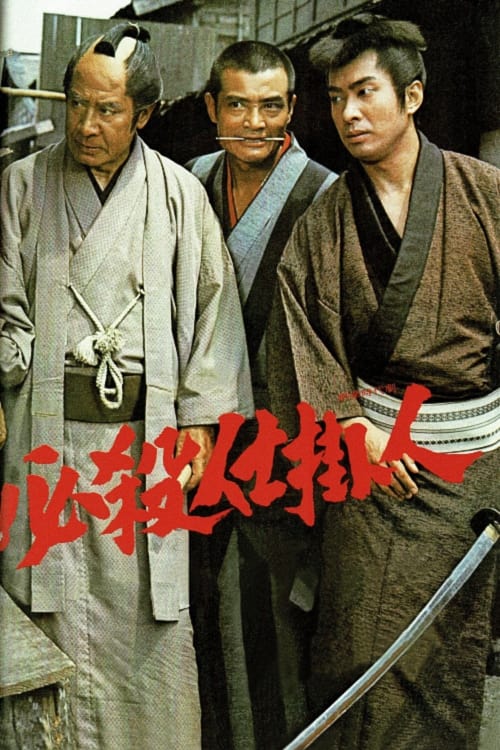
A shikakenin was an under-the-cover trade that undertook killing in Edo. Hanemon of Otowa, an agency that introduced laborers and maids, was also one of these. Katsugoro Iseya was a timber dealer who had come in as a client. His target was the constructions magistrate Hanno, and the Tatsumiya who sipped on the benefits. Hanemon who had a stong code towards killing, where he would only kill those who do no good to be in the world, accepts this request. Baian Fujieda, a needle doctor would carry out the killing. However, the professional killer Baian fails to bring down Tatsumiya. Hanemon then looks to another shikakenin, the ronin Sanai Nishimura for the role. Although Sanai's ability with the sword is good, he lives poorly in a tenement, and accepts this commission on the condition that it is kept a secret from his wife and child. Here, they close in on Hanno and Tatsumiya again...
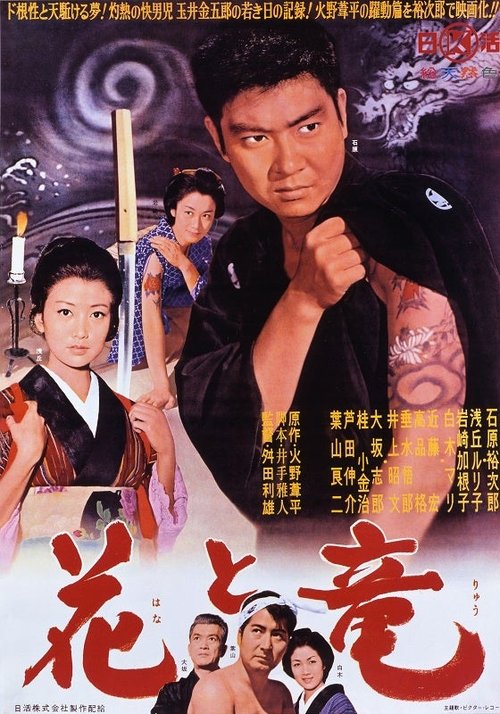
In the late 1890s, coal is a precious new natural resource. During an era of rapid economic growth, dreams are instilled into the lives of many across Japan. A vigorous young man with a look of fearless determination, sets foot on the northern part of Kyushu, an area where Yakuza thrived. His name is Kingoro Tamai (Yujiro Ishihara). With plans to travel the world, Kingoro worked diligently at a coal mine. His loyalty and hard work earned the respect of his peers, his courage won the heart of the beautiful Mon (Ruriko Asaoka), and his success evoked jealousy in his enemies.
After yakuza boss Kurata dissolves his own criminal empire, a rival kingpin offers a position to Kurata's top operative, Tetsuya "Phoenix Tetsu" Hondo. When the fiercely loyal Tetsu declines, Otsuka taps unstoppable Tatsuzo the "Viper", a ruthless gun-for-hire, to assassinate him. As the Viper trails his target through the countryside, the agile Phoenix Tetsu grows concerned that one of his former associates has betrayed him.
No description available.
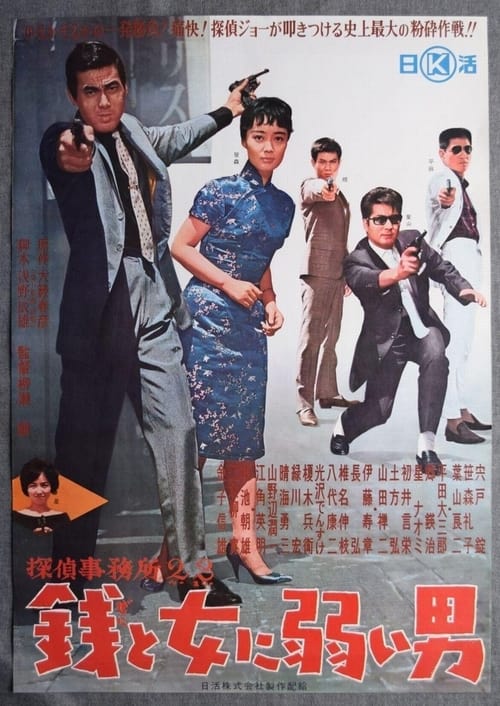
A sequel to Detective Bureau 2-3: Go To Hell Bastards!
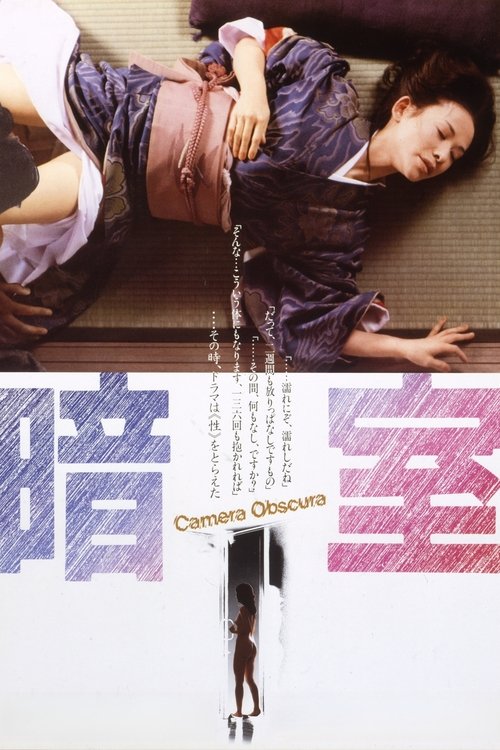
A writer haunted by the death of his wife and threatened by the imagined infidelities of his lovers uses his affairs for the subjects of his novels.
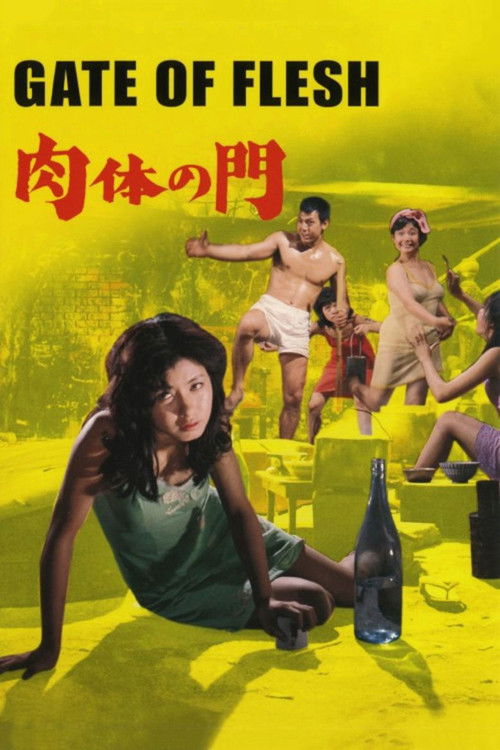
In the shady black markets and bombed-out hovels of post–World War II Tokyo, a tough band of prostitutes eke out a dog-eat-dog existence, maintaining tenuous friendships and a semblance of order in a world of chaos. But when a renegade ex-soldier stumbles into their midst, lusts and loyalties clash, with tragic results. With Gate of Flesh, visionary director Seijun Suzuki delivers a whirlwind of social critique and pulp drama, shot through with brilliant colors and raw emotions.
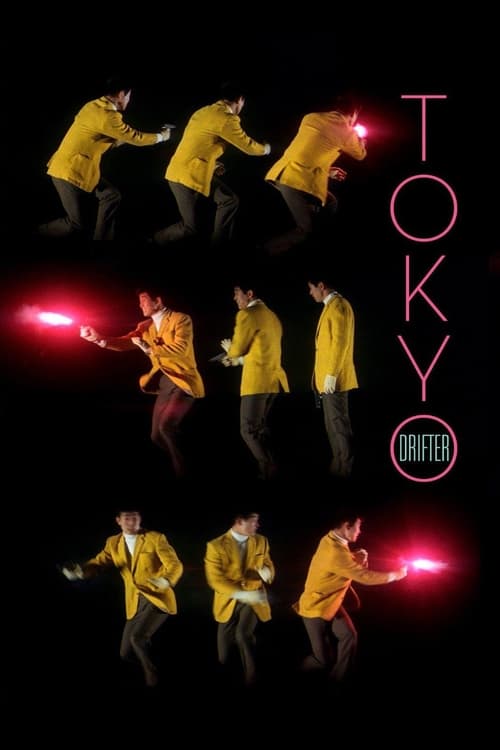
A gang lord hires Kamimura, a hit man, to take out a rival boss who's gotten greedy.
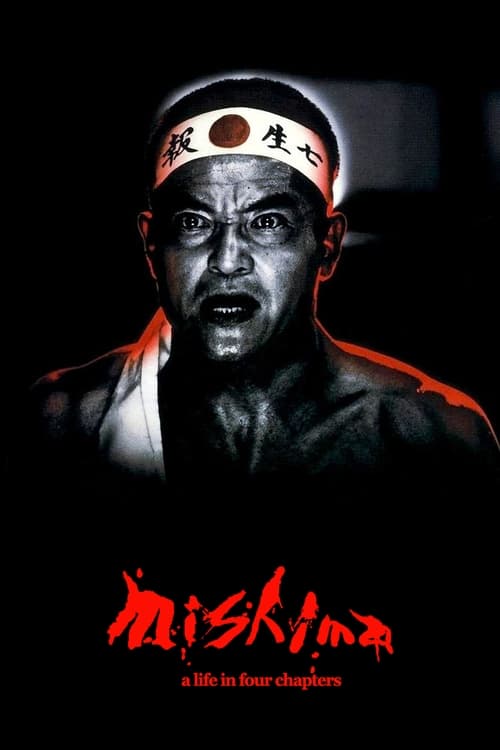
A fictional account of the life of Japanese author Yukio Mishima, combining dramatizations of three of his novels and a depiction of the events of November 25th, 1970.
Musical actress Noriko feels frustrated by the futility of her affair with a married man. Then she is offered a role in a new production that appears to mirror her own private life... An excellent work that stylishly depicts its gradually evolving heroine.
When Sokichi stops providing his long-time lover Kikuyo enough money to pay for the care of their three young children, Kikuyo leaves the children with Sokichi - and his very surprised and angry wife Oume - and disappears.
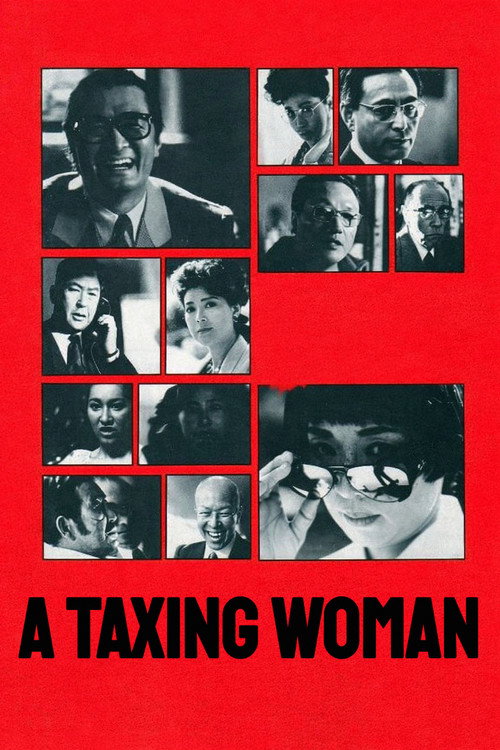
Intrepid tax investigator Ryoko Itakura sets her sights on the mysterious and philandering Hideki Gondo, a suspected millionaire and proprietor of a thriving chain of seedy hourly hotels, who has for years succeeded at hiding the true extent of his assets from the Japanese authorities. Itakura and Gondo soon find themselves engaged in a complicated, satirical battle of wits.
Hanayome wa Jūgo-sai, directed by Mio Ezaki and distributed by Nikkatsu, stars Masako Izumi and Ken Yamauchi. The high-key pink background and casual photographic portrait embody Nikkatsu’s 1960s youth-film aesthetic. Clean, hopeful, and pop-oriented. The large white title, handwritten for a softer impression, injects playful energy that contrasts with the strict vertical text blocks. As Japan’s youth culture blossomed after the 1964 Tokyo Olympics, posters like this captured the spirit of romance and rebellion marketed to teenage audiences. The vivid color palette and carefree composition signal a stylistic shift from postwar black-and-white melodrama to the vibrant optimism of modern Technicolor cinema.
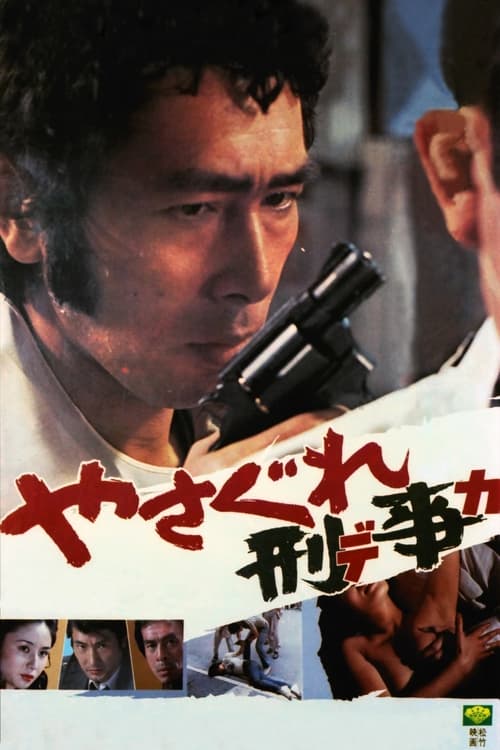
A bad cop is engaged in a violent chase to catch a yakuza boss. In his absence his wife runs away with another man, who turns out to be the very same man that her husband is hunting. Once he discovers this, he loses his nerve and turns in his badge. But the chase turns into a personal vendetta where the ex-cop plans to wipe out the entire gang.
1974 Japanese film.
Kunio Shimizu, a sailor of Tohto University, helped a girl that was chased by someone on her way home from practice.The girl went away without saying anything, leaving her wallet with Kunio. A few days later, she visited Kunio. She was working at a toy factory called Tomoko Nishizawa. Kunio naturally became attracted to Tomoko, but for some reason Tomoko refused to talk about her past. One day, the two went to the bowling alley and were approached by Tempira...
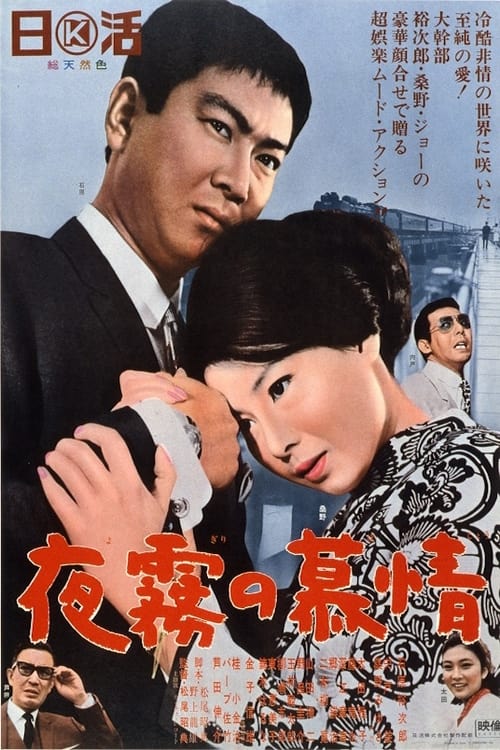
A film from Nikkatsu's "moodo akushon" (mood/action) subgenre.