
Virve Aruoja
Directing
Biography
Virve Aruoja (since 1978 Virve Aruoja-Hellström; February 19, 1922 Saduküla – September 15, 2013) was an Estonian television and film director and former actress. Aruoja graduated from the University of Tartu's Tartu Teachers' Seminary in 1941. She studied at the State Drama Studio in Tallinn from 1945 until 1947, then continued her studies at the Estonian Studio of the Russian Institute of Theatre Arts (GITIS) in Moscow, graduating in 1953. In 1984 received a master's degree in philology from Uppsala University in Sweden. From 1942 until 1945, she was an actress and member of the Vanemuine Opera Choir. From 1945 until 1947, she was engaged as an actress at the Estonian Drama Theatre in Tallinn. In 1947, she returned to Tartu and the Vanemuine as an actress until 1949. From 1953 until 1956, she returned to the stage of the Estonian Drama Theatre. From 1956 until 1978, she was an assistant director and director at Eesti Televisioon (ETV), and a film director at Tallinnfilm from 1972 until 1976. In 2001 she was awarded with Order of the White Star, V class. Aruoja lived in Sweden from 1978 until 1994, when she returned to Estonia. She spent the last years of her life on the island of Hiiumaa
Known For
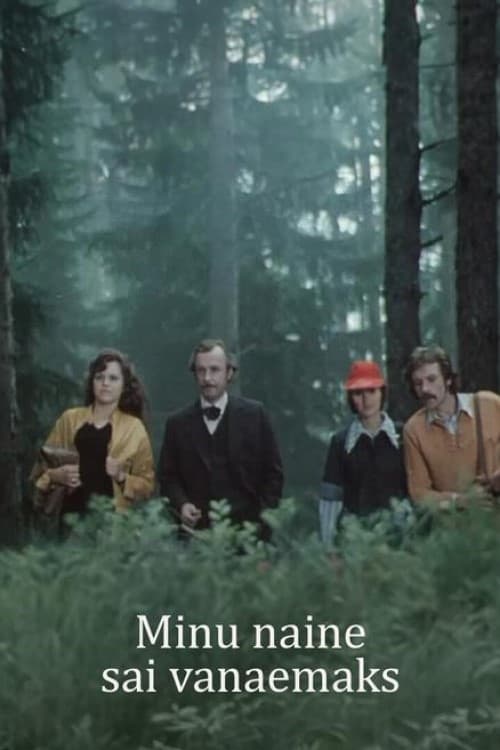
A middle-aged literature teacher who devotes his free time to poetry is used to being the center of admiration for his family, especially his wife. One day, however, a grandchild arrives at the house, who immediately grabs the full attention of all those around him. The fresh grandfather turns out to be excluded and decides to leave the house, confident that it will restore him to his former position. This is followed by a day full of surprising encounters.
My Wife Became a Grandmother

Little Kati spends her summer at her grandma's. Her playmates are the village boys and the whole countryside - animals, flowers, the wind and stones. Kati conjures up the sun and floats above the fields of flowers and the whole universe. There is no borderline between reality and the magic world. Is it possible to play the same game also at her home in the city?
Colourful Dreams
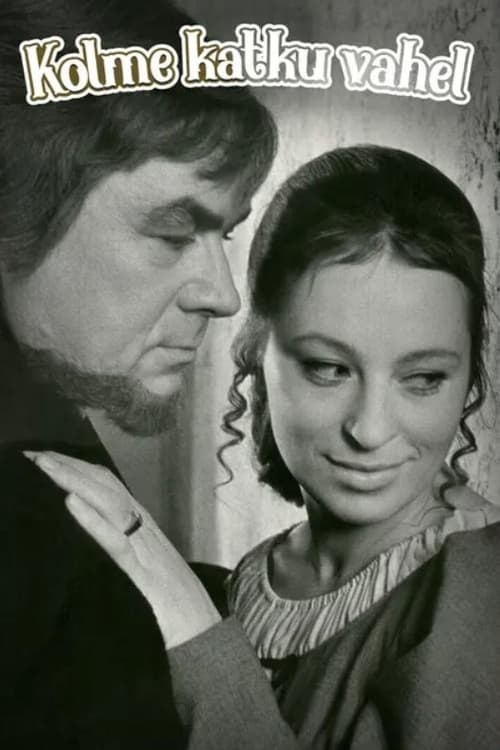
The story of Balthasar Russow, an Estonian pastor from the 16th century, his life and life's work - writing The Chronicle of Livonia.
Between Three Plagues
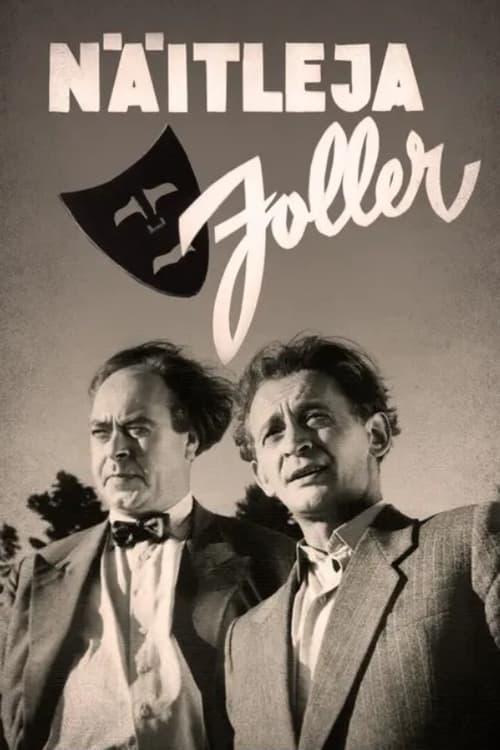
Toomas Joller has been an actor for twenty years. Joller is popular and has been awarded the honorary title of People's Artist. But Joller's star is gradually fading. He becomes egoistic and self-centered, his performances remain superficial. An actor's internal combustion requires hot water, which Joller uses in abundance together with his friend, the comedy actor Ruts.
Actor Joller
No description available.
Peegliahv
No description available.
Väikese Illimari radadel
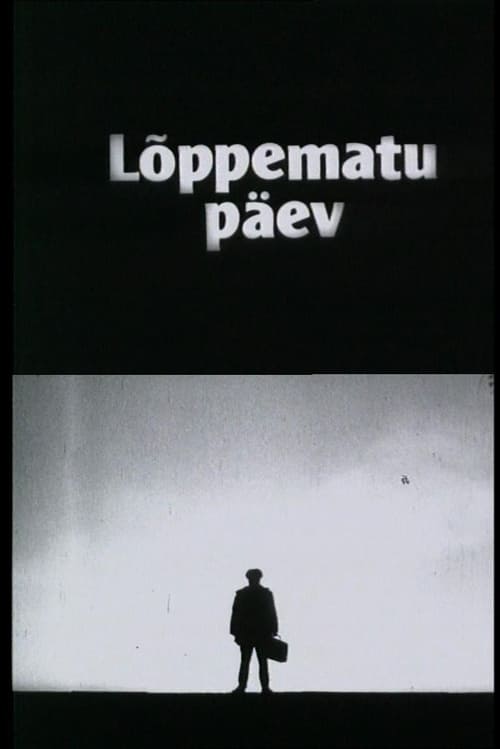
Among Tooming's filmic works, Endless Day provides perhaps the most eloquent material for investigating the radical renewal of visual and narrative form, as well as the shifting registers of spatio-social portrayals and critiques in Estonian cinema. It was banned in 1971 and ordered to be destroyed. However, the film was retained and restored in the 1990s.
Endless Day

No description available.
Tädi Rose
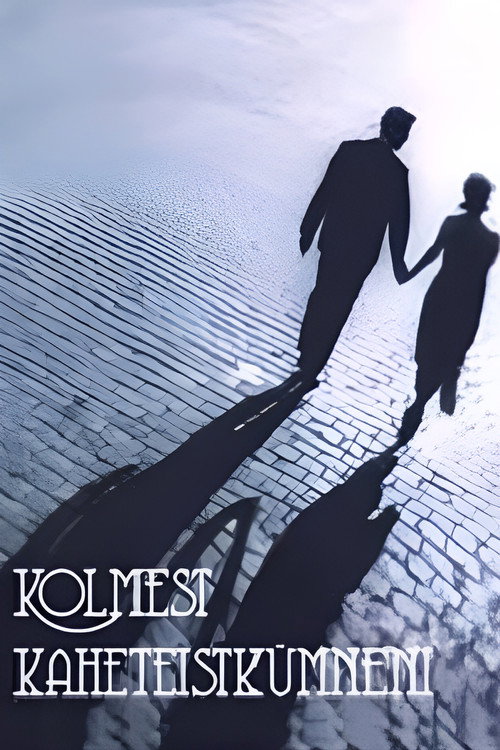
A film about the nighttime encounter between Sigrid and Jaan, a young couple living in the Estonian capital. Their romantic strolls through the streets, squares, and parks of Tallinn are accompanied by the glorious melodies of jazz.
From Three to Twelve
A film about Soviet Estonia.
Estonia
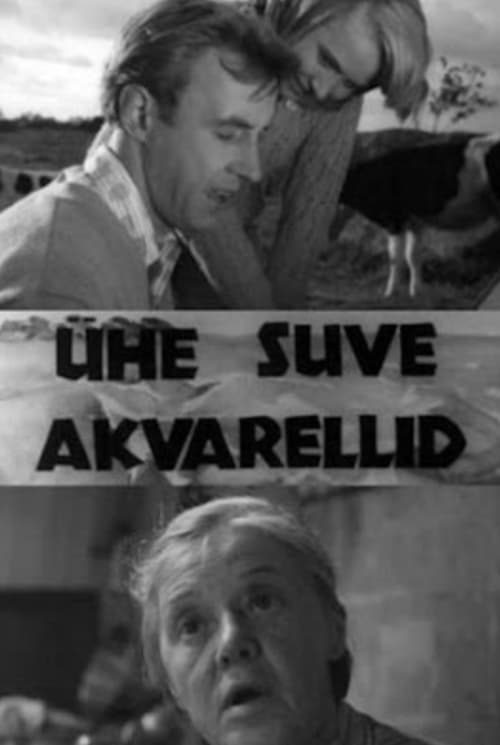
The story of a young art student who goes to the countryside for a summer internship in watercolor and rents a room in a house by the sea. Conversations with an old housekeeper and meetings with an initially somewhat fussy and naive girl draw one summer in the life of a young man. Whether it's a girl's going to university, meetings with people from a beach village, or an old woman's reminiscences of past times, something about these topics has an enlightening effect on the young man. At the end of summer, a young man's eye and weather view is brighter and wider. It is a lyrical and tender story of the beginning of young love and the life experience of a fading Estonian generation.