Writing
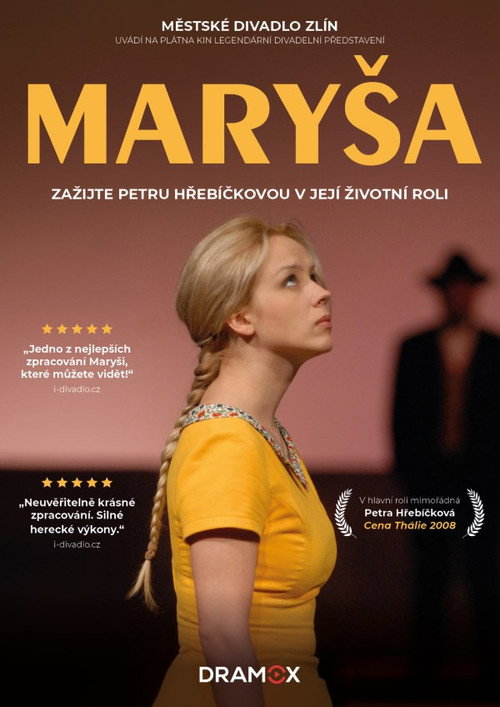
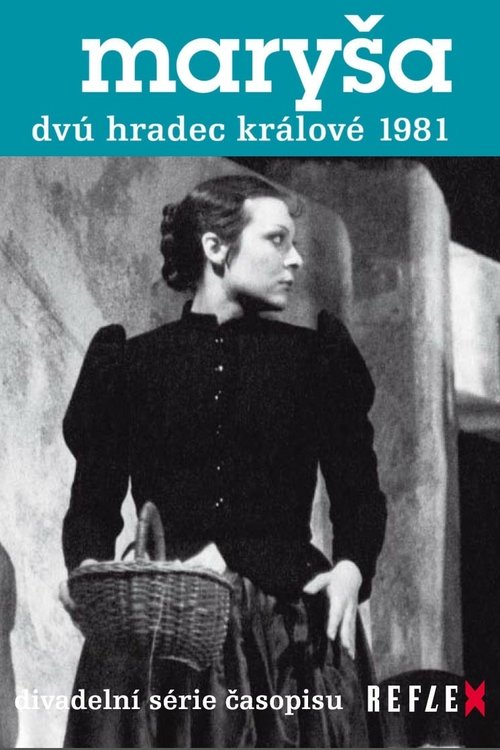
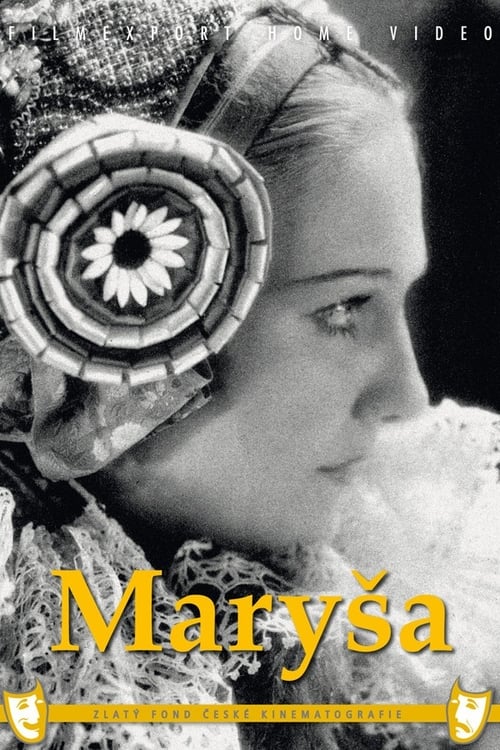
Maryša, a peasant daughter, is forced by her greedy parents to marry a rich miller, a widower with three children. But she loves the village scoundrel Franck, who has no hope against Vávra. Francek goes to the army and Maryša and Vávra go to catechism with the priest. Maryša and Vávra's marriage is unhappy. The parents also realize their mistake, especially Lízal, who offers his daughter to return home. Maryša refuses and also rejects the proposal of Franck, who has returned from the army and asks her to run away to Brno with him. She chooses a tragic solution...
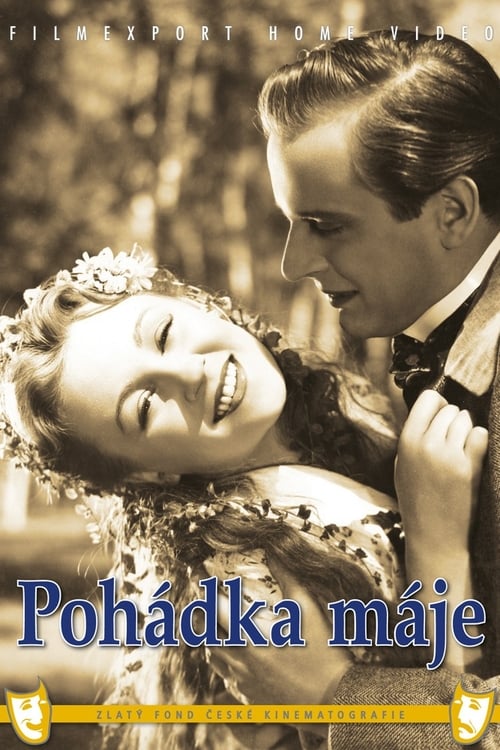
A lyrical tale of the pure, vernal romance between a diffident, somewhat naive girl from a rural backwater and a fairly dissolute, but kind-hearted law student from Prague.
Ríša, a student of law, neglects his studies in favour of parties and pranks. His angry father refuses to continue helping him out of his debts. Ríša, however, is not entirely beyond hope. He decides to go and stay for a while with his uncle, a priest, who lives in Moravia, in order to prepare for his exams. He meets Helenka, the timid daughter of the local gamekeeper, at a village ball and is enchanted by her. The days pass and their idyllic relationship begins to tire Ríša. He begins to tell Helenka about his former debauched life the about the broken hearts of beautiful women. Helenka is hurt and refuses to see Ríša anymore. His uncle, the priest, is incensed at his behaviour and orders his nephew out of the house. Ríša tries desperately to find Helenka so he can make it up to her.
No description available.
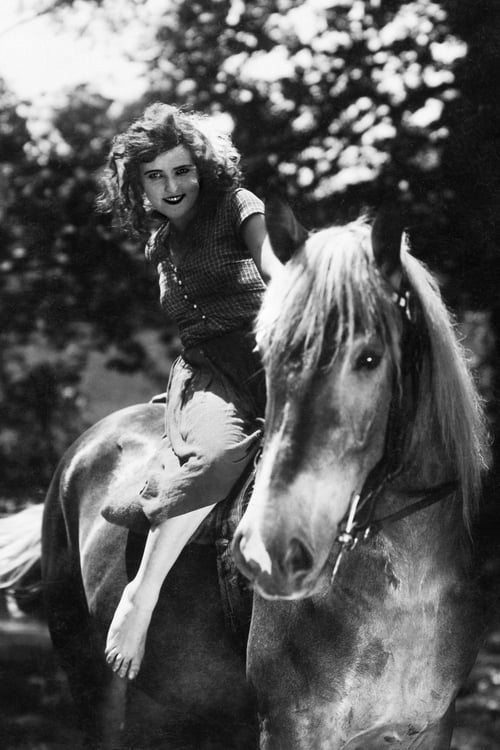
A village drama about the tragic culmination of a forced marriage. The film was financed by a Brno company, which required interventions in the generally known original. The reason for moving the location of the action and rewriting the dialogues into the appropriate dialect was the idea of making the spectacular Vlčnov costumes more spectacular. Their distinctive color led the producers to the idea of filming several crowd costumed scenes (the wedding) on color material. However, the parts of the color copy processed abroad were not used in regular distribution. Another requirement was to emphasize the positive influence of the Catholic Church and have a more conciliatory conclusion.