Directing
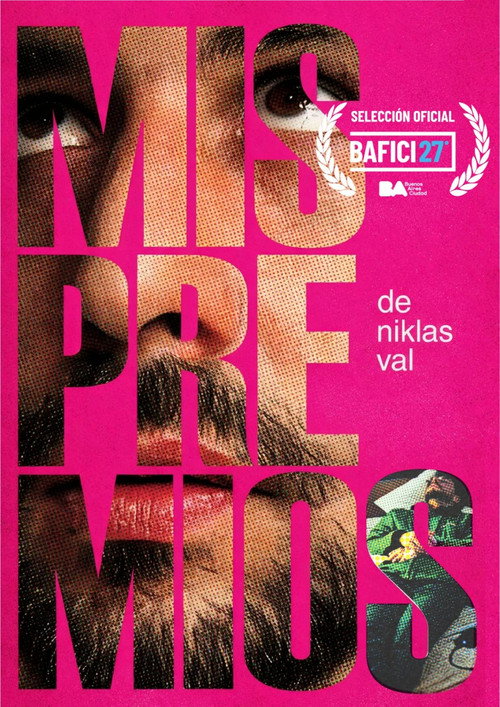
At a film festival, a filmmaker tries to figure out what the jury is looking for in order to win the award. But the fear of failure threatens to ruin more than just his career, while the search for recognition throws his own desires into crisis.
Biography of the award-winning Argentinian leftist filmmaker Raymundo Gleyzer, who was kidnapped by the CIA-backed military junta in 1976 at the age of 35. Features extensive clips from his movies as well as interviews with the people who knew him.
Sixty years after the creation of the Cinematography Institute of the National University of the Litoral, in the midst of the Fusiladora Revolution, former teachers and graduates bring to the present the conflicts generated by their audiovisuals critical of capitalism. Despite the definitive closure in 1975, for these former teachers and graduates, the fight continues from the new film schools that opened in Argentina and Latin America.
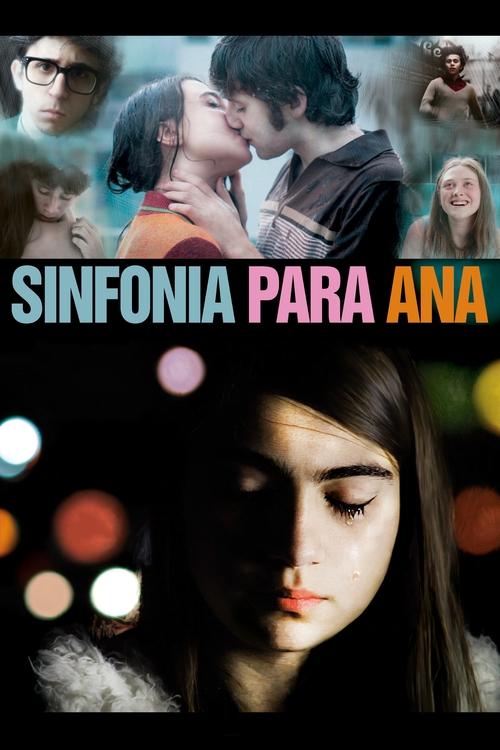
Based on real events, the life and struggles of a student of the Buenos Aires National College during Argentina's worst dictatorship.
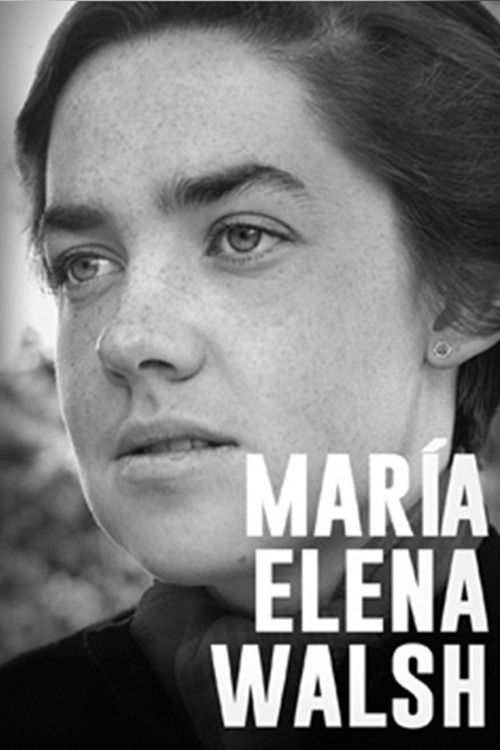
María Elena Walsh forever revolutionized the language and imagination of children's shows. But very few know the importance of his works for adults, his political convictions against dictatorships and his defense of women's rights. Topics addressed by this work that covers the main conflicts experienced in his personal and professional life. From his adolescence as a precocious poet in an oppressive society, until his later years, after leaving the stage during the last Argentine military government.
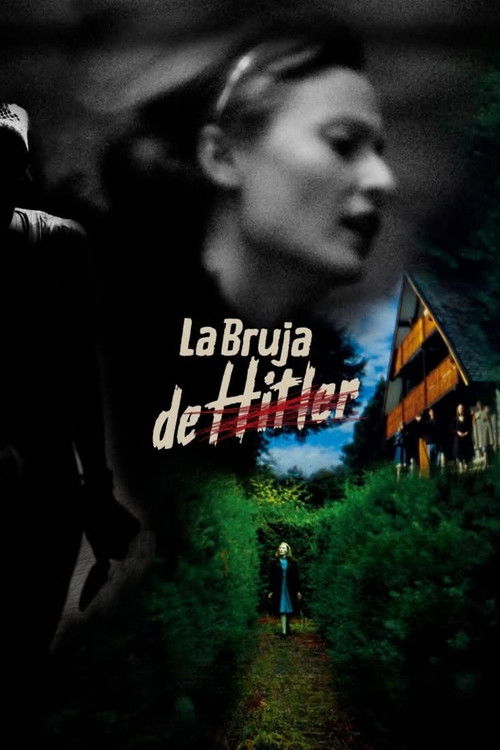
It's 1961 in the remote Argentinean Patagonia. A family of Nazi fugitives arrives at teen Frida's house looking for refuge, wanting to live a normal life with total impunity. How will this affect the youngest members of these two families?
Documentary about the life and work of Jorge Luis Borges, from his own memories and reflections.
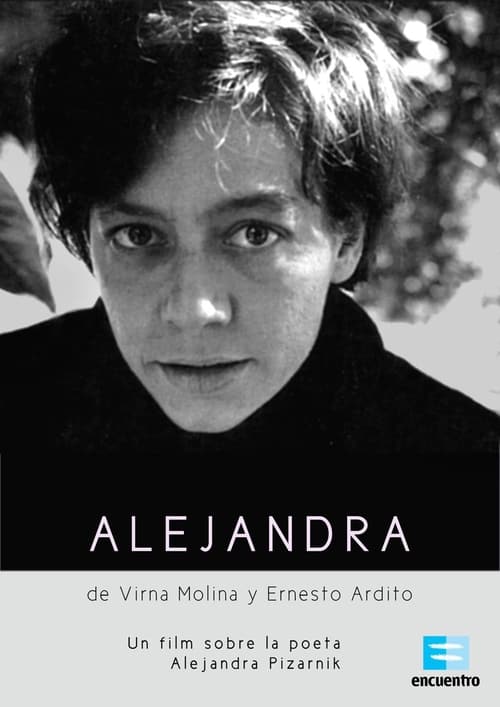
The film tells the story of Alejandra Pizarnik: mythic Argentine poet who committed suicide at the age of 36. Her personal diaries, letters, poems, as well as accounts by close friends and family, offer us hints about the mysterious path that led her to her self-destruction. Years after its writer’s death, the poetry of Alejandra Pizarnik has been rediscovered by new generations of writers and readers, making her the most read Argentine poet in the world.
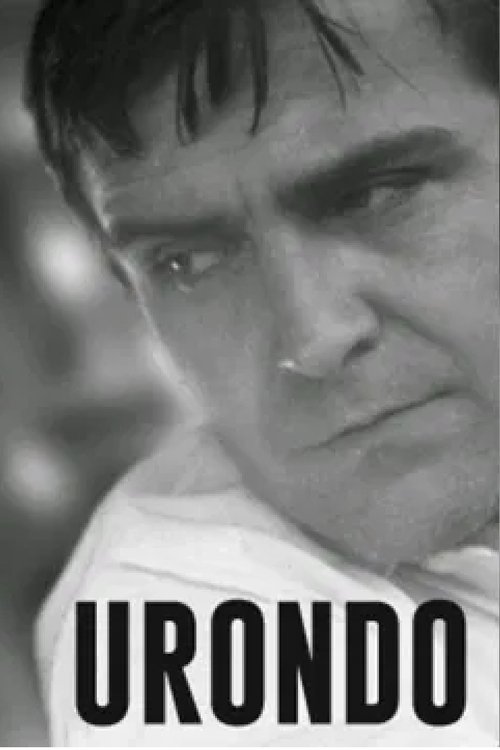
The documentary narrates the life and work of the militant poet and journalist Paco Urondo who was assassinated by the military dictatorship in 1976
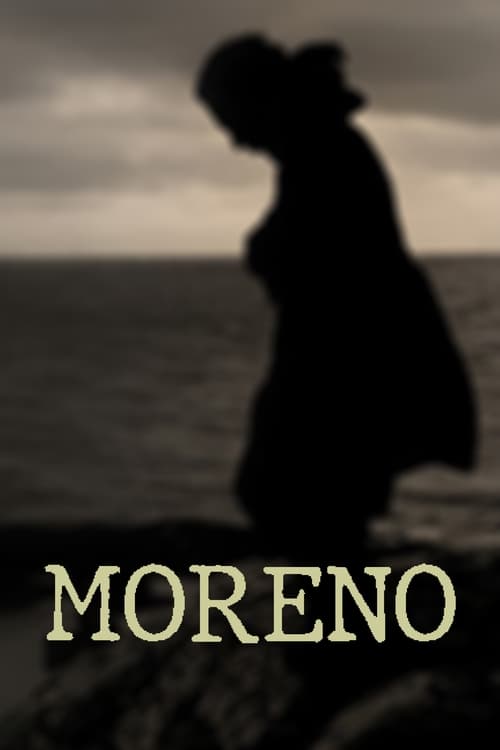
Mariano Moreno was poisoned at sea in 1811, official history denied it. He was 31 years old and was a leader of the revolutionary movement that fought for freedom and equality in the south of the American continent. The ghosts of the past invade the towers of a Gothic Buenos Aires, confronting and rescuing among hidden archives the words for which they gave their lives.
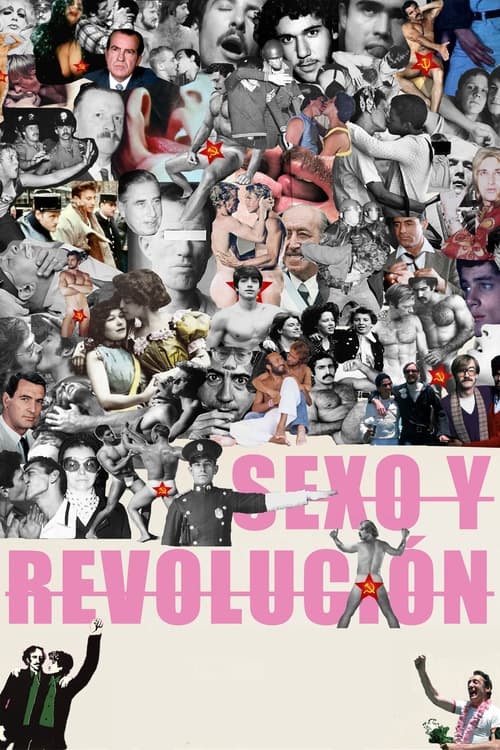
In the early ‘70s, in Argentina, a group of homosexuals decided to confront the status quo. With testimonies from its survivors as its denouncement source, Sex and Revolution brings back the voices of those who thought in order to be recognized as political actors in a society that wasn’t prepared for them.
When the pandemic first struck, Argentinian filmmaker Virna Molina was working on a documentary about the struggle for equal rights for female workers at the Buenos Aires subway. The project came to a standstill, but then Molina decided to go ahead with her film after all—however, it turned out very differently from the original plan.
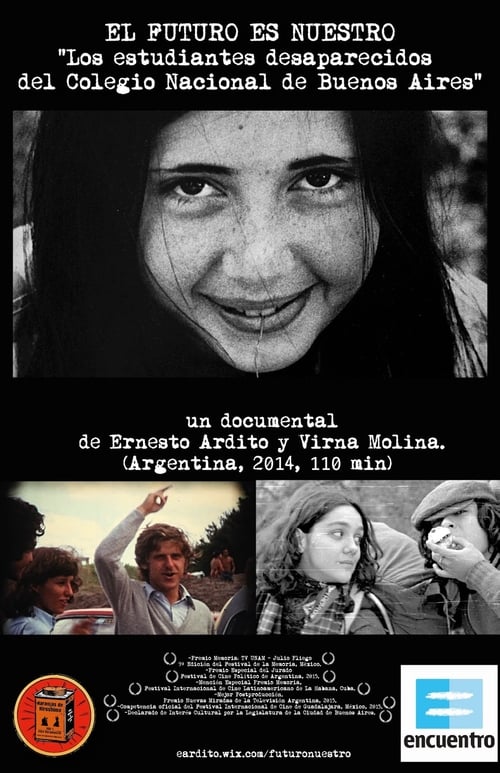
The documentary tells the story of a group of students from the National High School of Buenos Aires, who in the early 1970s led and formed the Union of Secondary Students. They were between the ages of 15 and 19. They lived through days marked by love, activism, clandestinity, and danger, until state terrorism violently interrupted their adolescence. Today, many of them are missing. Others have returned from exile. The previously unseen images of those days are fragments of memories, woven together by the survivors' accounts as a testimony for new generations.
A documentary about the life of workers in Patagonia, Argentina.
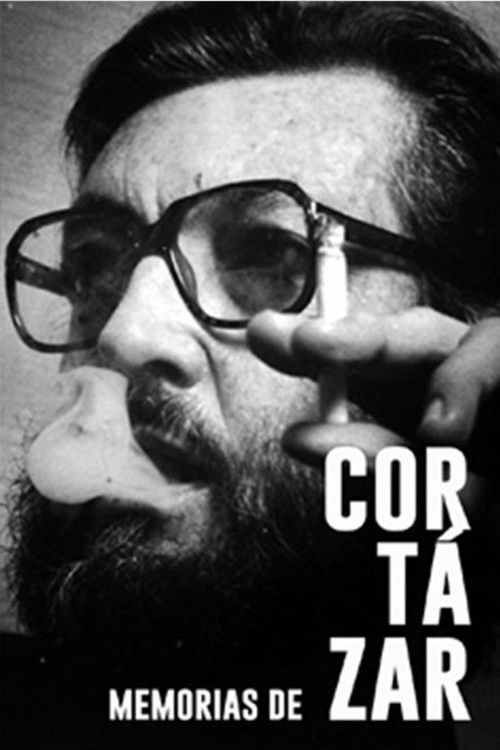
Documentary about the life and work of Julio Cortázar from his own memories and reflections.