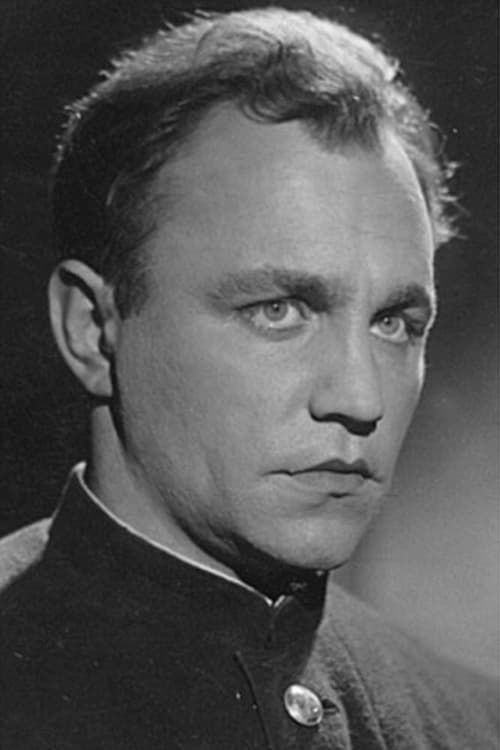
Boris Blinov
Acting
Known For
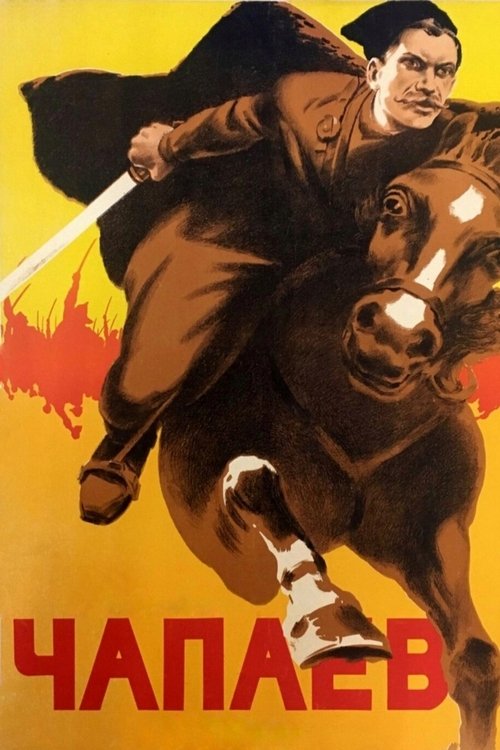
An account of the peasant turned mythical military hero Vasily Chapayev, charting his campaign in the Red Army during the Russian Civil War.
Chapayev
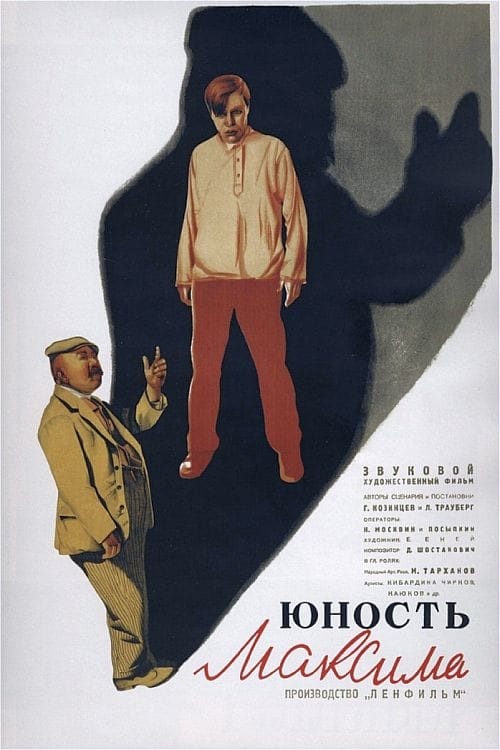
A 1935 USA trade-paper reviewer called it... "an impressive and technically outstanding historical drama dealing with czarist terrorism and revolutionary boiling in the days of 1907. Picture is one of the Soviet prize winners and has particular merits in realistic performance, photography and movement, plus some musical touches in way of folk songs." Written by Les Adams
The Youth of Maxim
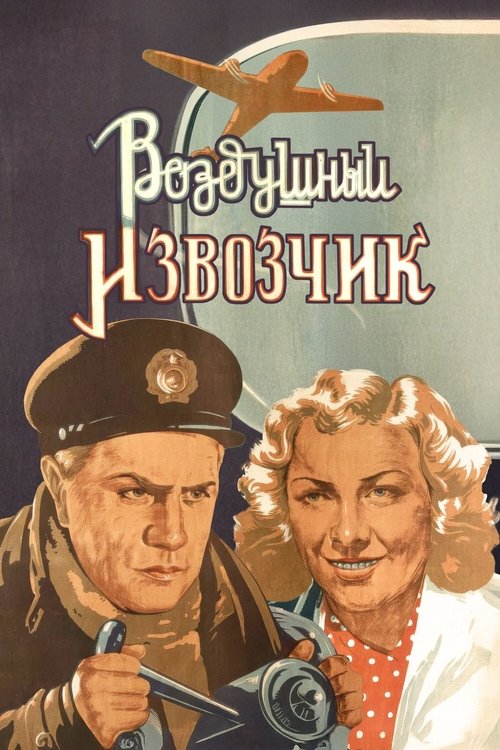
A musical romantic comedy set in Soviet Union during the first years of WWII.
Air Taxi
The final part of trilogy about the life of a young factory worker, Maxim. Following the Russian Revolution, Maksim is appointed state commissar in charge of the national bank. With great efforts, he learns the complexies of the banking trade and begins to fight off sabotaging underlings. Dymba, now a violent enemy of the Republic, tries to rob a wine store but is arrested with Maksim's help. Maksim also exposes a conspiracy of a group of tsarist officers who prepare an attempt against Lenin. He then joins the Red Army in its fight against the German occupation.
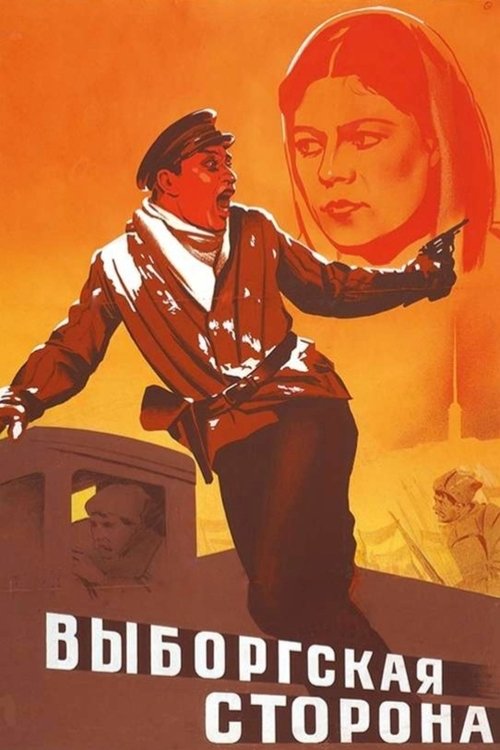
The Vyborg Side
The autumn of 1941. Leningrad is besieged by the Nazis. A new model of tank is being developed at a large defense plant. Built in the shortest possible time combat vehicles are tested directly on battlefields, fighting with fascists in the outskirts of the city. The first feature film about the heroic everyday life of city defenders was shot directly in assembly shops of plants and in the streets of Leningrad when the city was fighting against the enemy
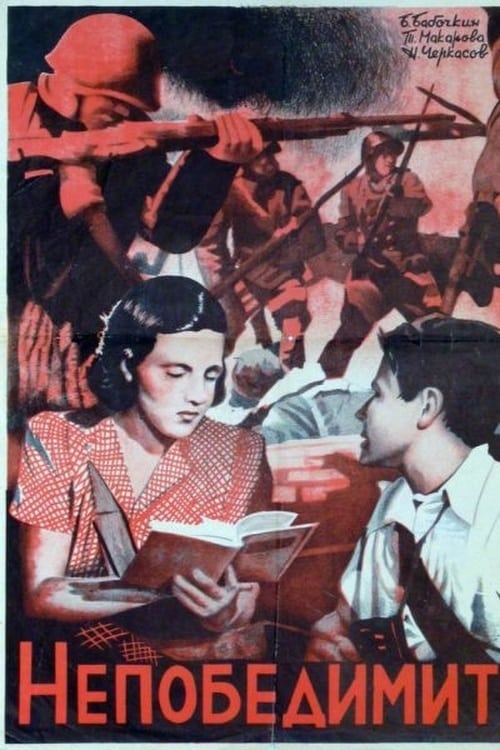
The Invincible
Set during the 1939–1940 Winter War, the film follows a group of young women from Leningrad who volunteer for service at the front. Working as nurses in hospitals and on the battlefield, they devote themselves to saving the lives of wounded soldiers, while also taking up arms alongside the men in combat. Through hardship and sacrifice, their courage forges bonds of friendship and love that endure amid the trials of war.
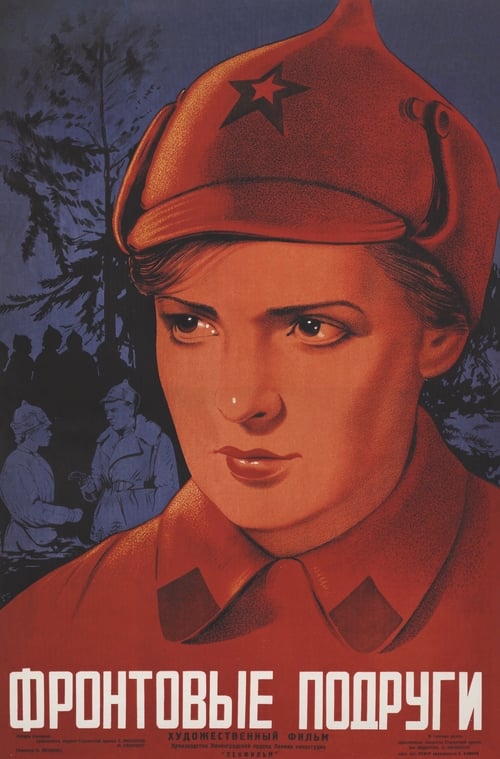
The Girl from Leningrad
Girlfriends Zoya, Natasha and Asya live in Petrograd. Before the Civil War, young heroines are aware of the social injustice of life. When the war begins, the girls are recorded by the orderlies of the working group to protect the Bolshevik Petrograd from the advance of the whites.
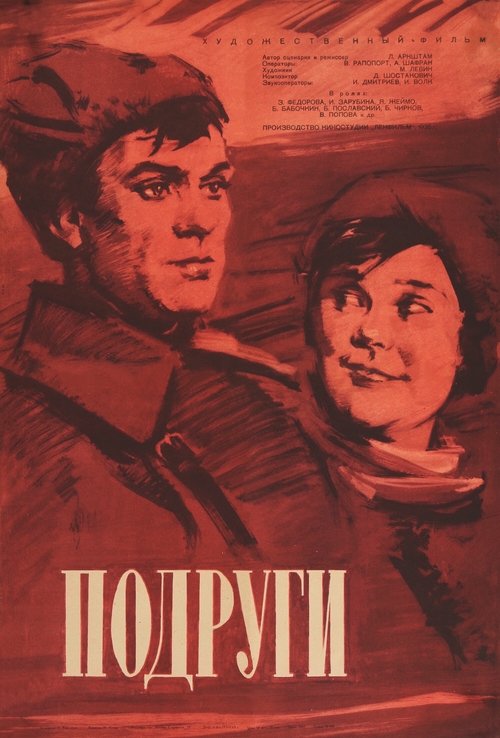
The Girlfriends
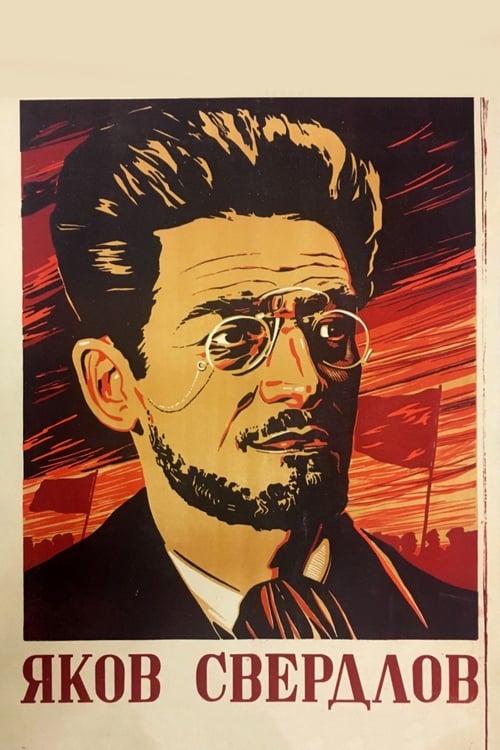
Soviet biographical film on the life and work of the first chairman of the All-Russian Central Executive Committee, Yakov Mikhailovich Sverdlov.
Yakov Sverdlov
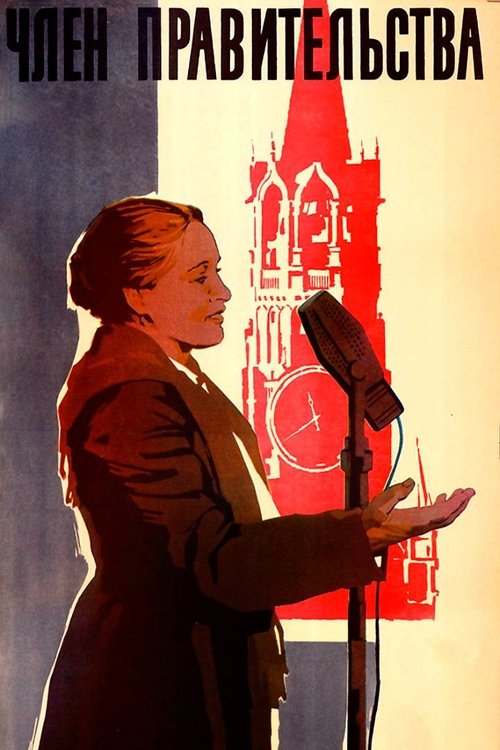
In the 1930s, during Collectivization, we follow Alexandra Sokolova, who having joined a kolkhoz, is promoted by the Party to the management of the farm: she becomes chairman of the kolkhoz, courageously coping with the difficulties of collectivization, the distrust of some fellow villagers, and family conflict.
Member of the Government
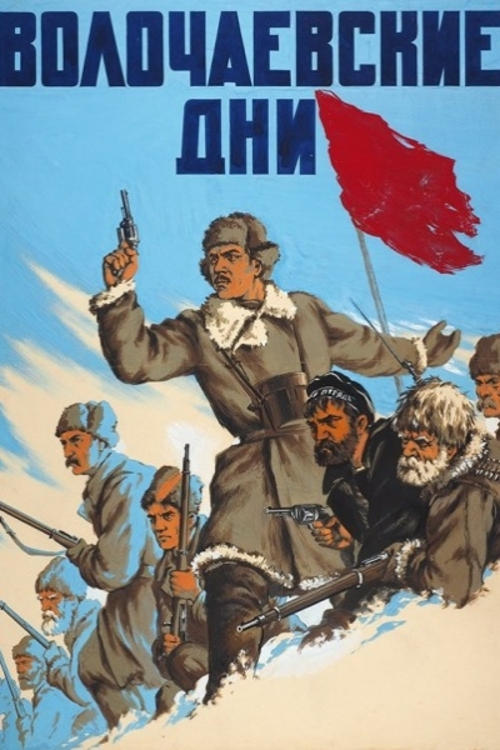
Japanese forces land in the port of Vladivostok during Russian civil war, supporting anti-communist forces, while local population joins Far Eastern Republic and partisans in the struggle against the intervention and White army.
The Defense of Volotchayevsk

A story of true love set during the WWII.
Wait for Me
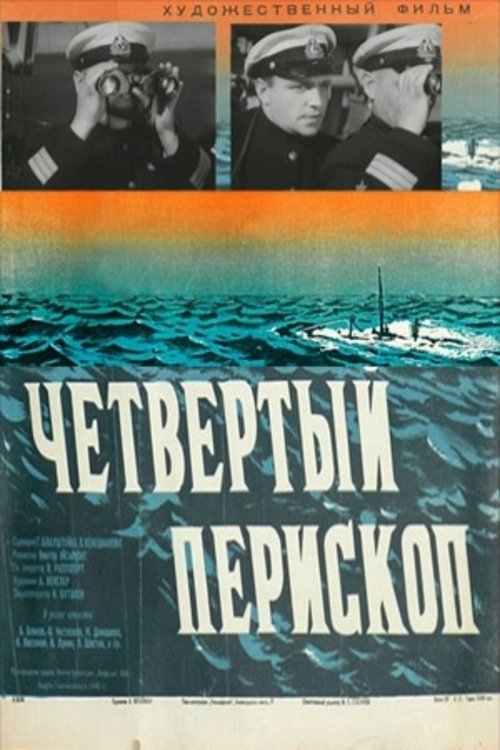
The 1930s. Naval maneuvers are underway. On orders from the command, three submarines are to "attack" a battleship. In the heat of the "battle," a fourth periscope appears. Where did the fourth submarine come from? Is it one of ours or an enemy vessel? These questions must be answered immediately by the commander of the destroyer "Otvažny," otherwise...
The Fourth Periscope
Directed by Sergey Vasilev and Georgi Vasilyev.
Front

No description available.
Белорусские новеллы
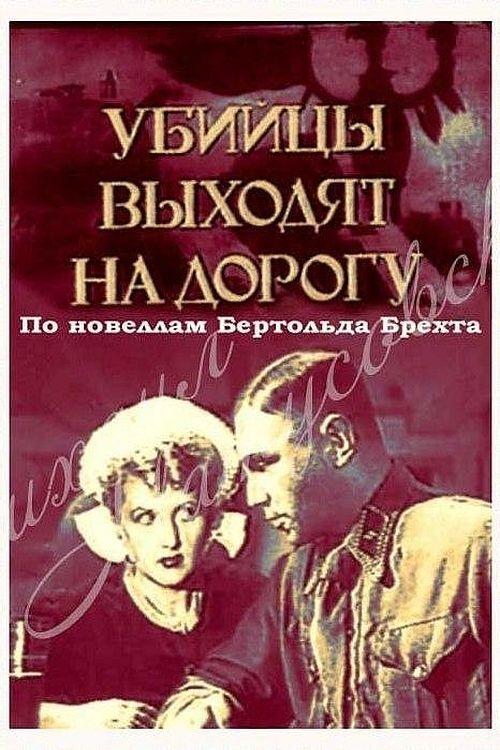
Brecht's play Fear and Misery of the Third Reich consists of a series of playlets, portraying National Socialist Germany of the 1930s as a land of poverty, violence, fear and pretence. Nazi antisemitism is depicted in several of the sketches, including "the Physicist", "Judicial Process", and "the Jewish Wife".
The Murderers Are Coming
Lost film.
Big Wings
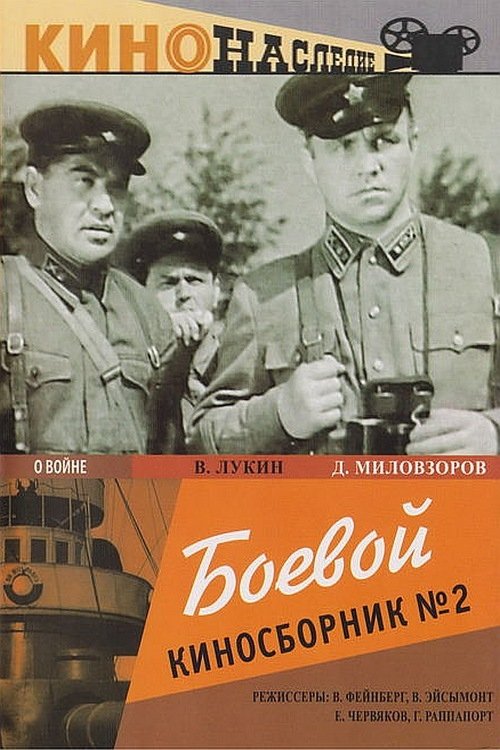
The collection consists of five short stories: "The Meeting," "One of Many," "At the Old Nanny's," "One Hundred for One," and "The Incident at the Telegraph Office."