José Watanabe
Writing
Biography
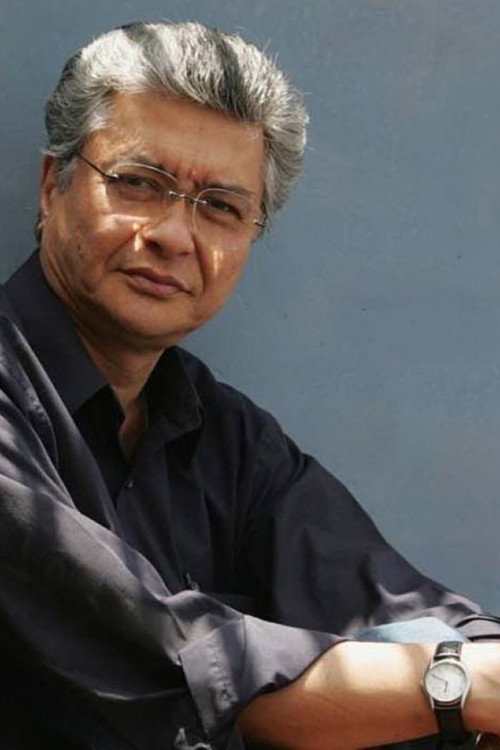
José Watanabe (Trujillo, March 17, 1945 - Lima, April 25, 2007) was a renowned Peruvian poet and screenwriter.
Known For

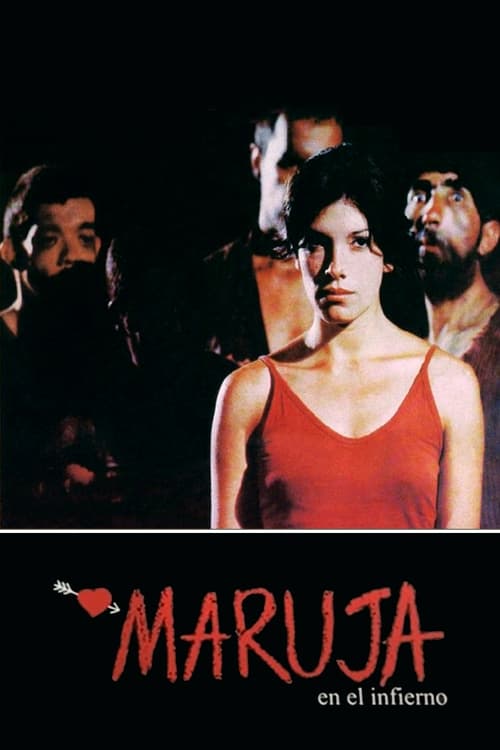
In an abandoned glass factory, a woman exploits her workers, all of them mentally ill. A gang of young assailants decides to rob said factory, but in order to achieve that, they must get one of them into the woman's house first. What they do know is that Maruja, the woman's goddaughter also lives there.
Maruja en el infierno

Four angry cadets have formed an inner circle in an attempt to beat the system and ward off the boredom and stifling confinement of the military academy, set off a chain of events that starts with a theft and leads to murder.
The City and the Dogs

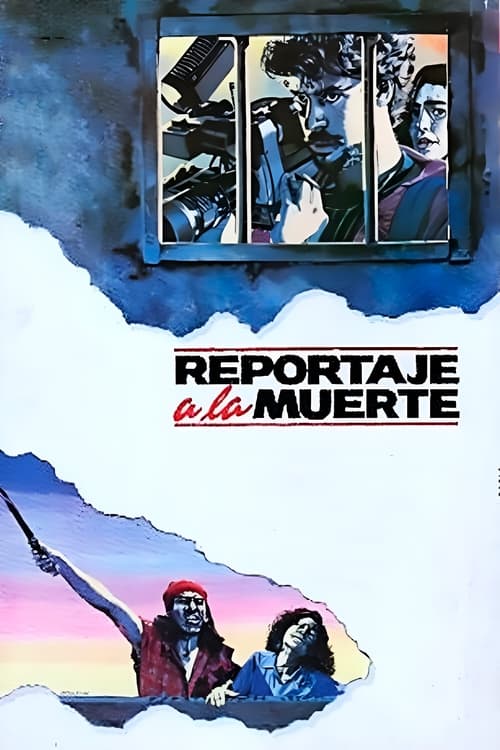
Two journalists, a reporter and a cameraman, cover violent incidents during a riot in a prison for common criminals. Television broadcasting live allows the rioters to see themselves as main characters. Our journalists come to understand, after a series of conflicts, the phenomenon in which they are participating, they are fueling the violence.
Reportaje a la muerte

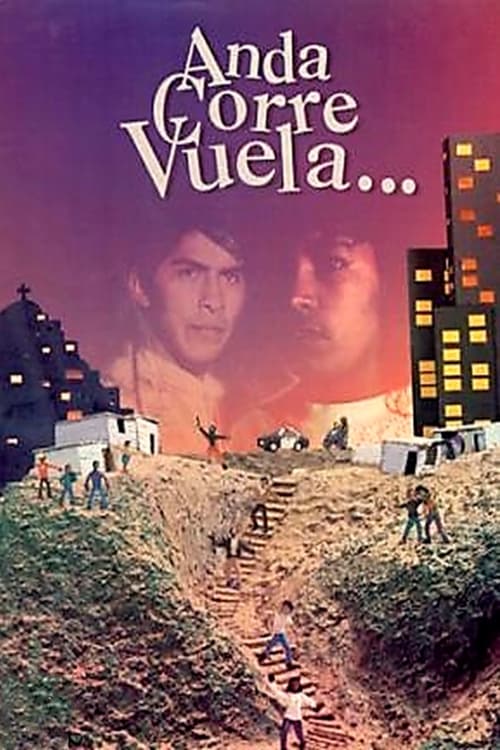
In 1992, on a marginalized street of Lima (Peru), two teenagers - Gregorio, and Juliana struggle to find a substitute or an alternative to the terrorism movement which surrounds them.
Go, Run, Fly

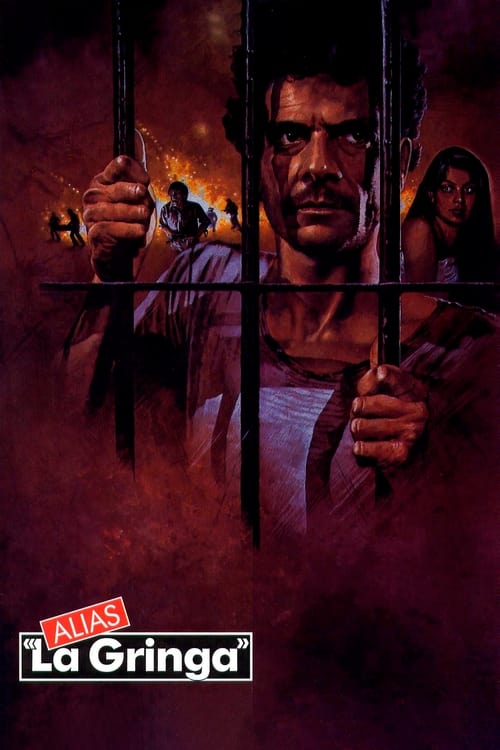
This powerful political drama follows the adventures and escapades of "La Gringa", a likeable criminal capable of escaping from any jail. When he escapes from one with the help of an imprisoned intellectual, "La Gringa", returns in disguise to help pay back the favor but finds himself caught in a prison riot.
Alias 'La Gringa'

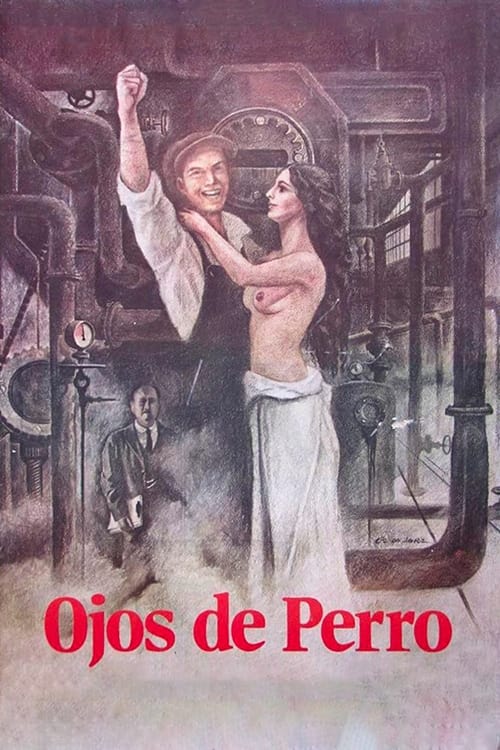
It presents the struggle of the first unionized workers, after a strike for the implantation of the eight-hour day and the union right, in the sugar valleys of Peru. It is the story of the first union in the city of Trujillo, organized in 1921.
Dog's Eyes
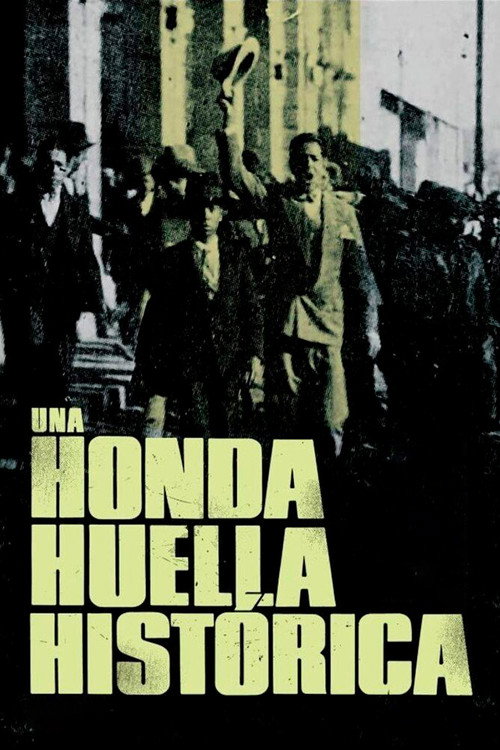
This portrait of the late 1920s and the first half of the 1930s in Peru offers the perspective of historically silenced sectors. With testimonies from former union leaders, archival photographs, film material, workers’ songs and filming of key places, a transcendental era is reconstructed, where José Carlos Mariátegui and Haya de la Torre played a decisive role in the popular movement.
Una Honda Huella

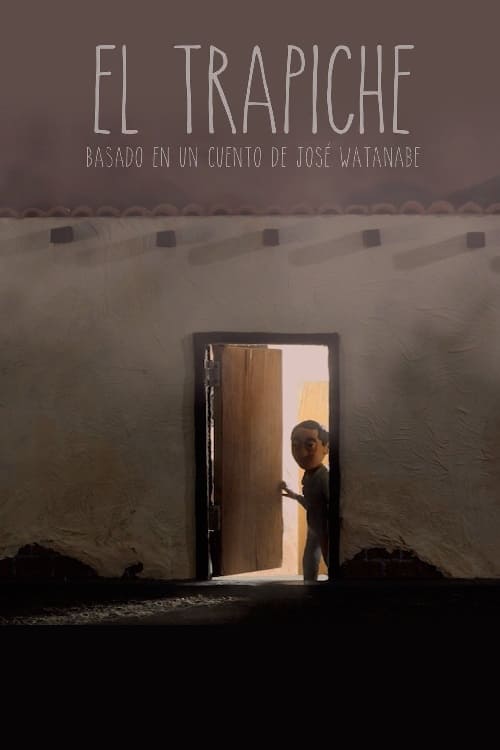
At night, a mother, a father, and two children converse and dream about ways to free themselves from the trapiche, a machine and a tool of work that seems to come to life during their daily routines.
El Trapiche

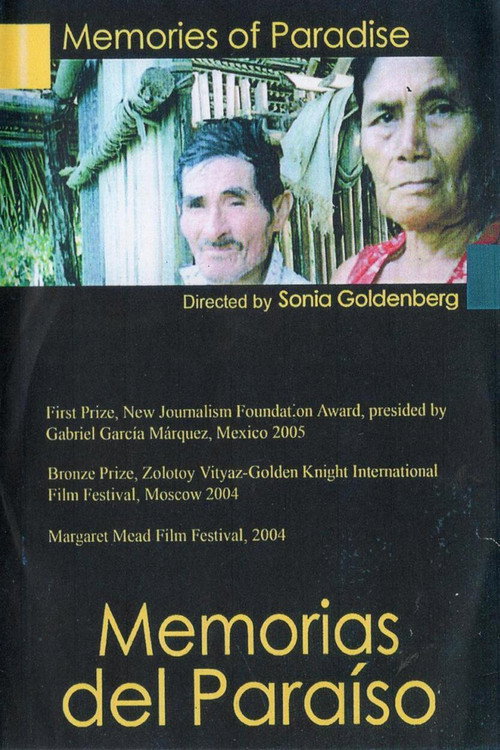
In the rainforest of Peru, there once stood a legendary and mysterious city called Paraíso. It was founded by survivors of an Andean earthquake who dreamed of building a future for their families. But that dream quickly ended when drug traffickers and Maoist guerrillas stormed the town. Today, Paraíso, once a place of luxury and extravagance, is nothing but ruins, reclaimed by the jungle. The town was bombed, destroyed, and abandoned, but its former inhabitants are beginning to return and tell their story for the first time.