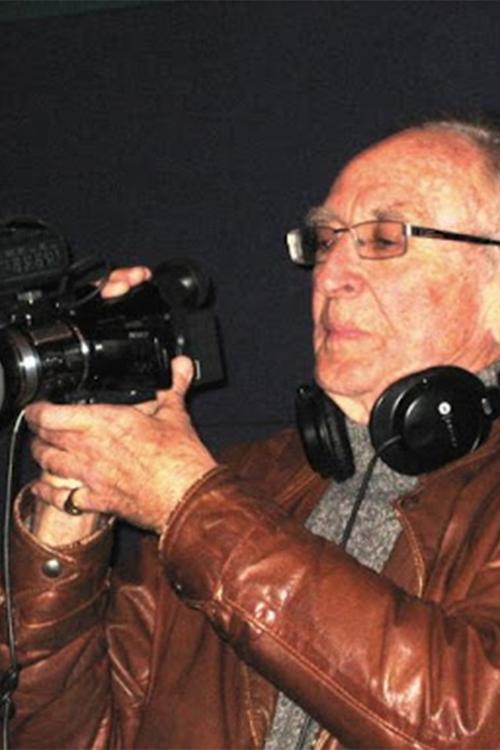
Terence Macartney-Filgate
Directing
Known For
An attempt by NBC to emulate the success of the CBS hit The Twilight Zone, this hour-long anthology series showcased different actors, stories and creative talent each week.
NBC Experiment in Television

This long-running ABC News series of special reports/documentaries explores different aspects of life in the United States, featuring the most prominent ABC News correspondents of their times.
ABC Close-Up!
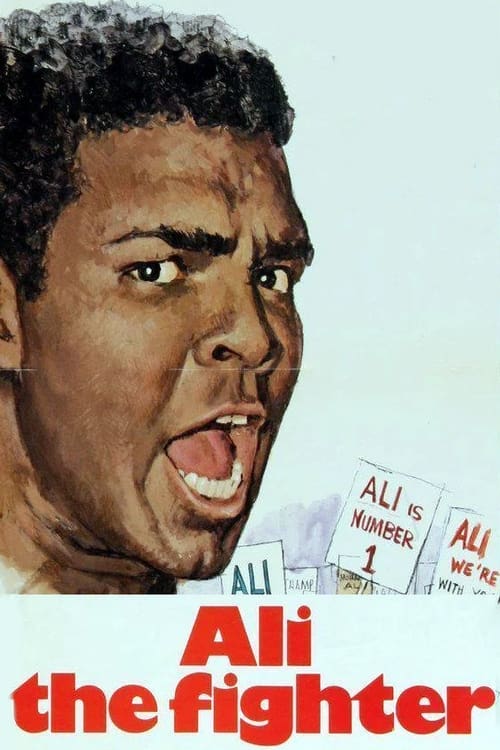
Documentary about Ali's rise to glory, beginning with his "Cassius Clay" days back in Louisville.
The Fighters
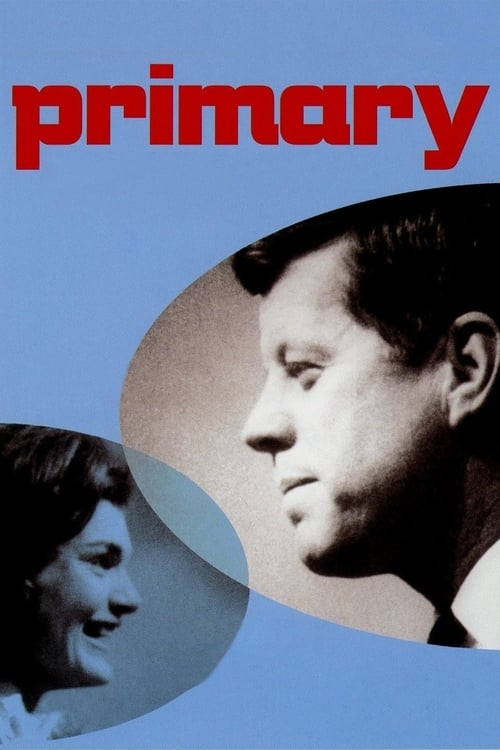
Primary is a documentary film about the primary elections between John F. Kennedy and Hubert Humphrey in 1960. Primary is the first documentary to use light equipment in order to follow their subjects in a more intimate filmmaking style. This unconventional way of filming created a new look for documentary films where the camera’s lens was right in the middle of what ever drama was occurring. Preserved by the Academy Film Archive in partnership with The Film Foundation in 1998.
Primary
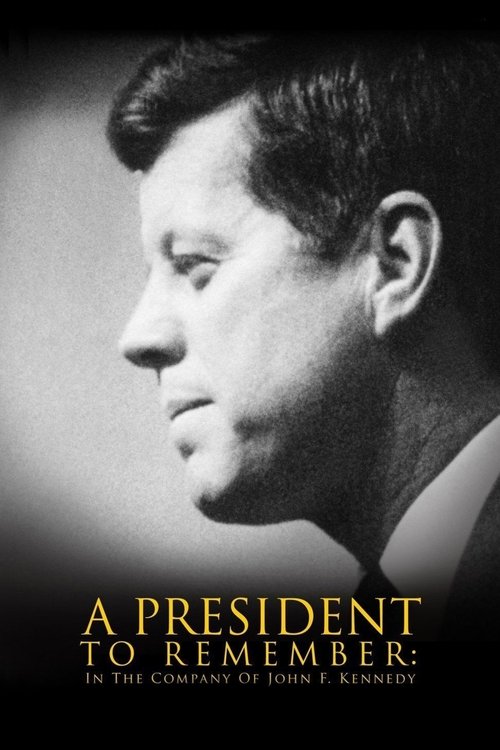
Bringing to life an American President who was widely respected by his countrymen and celebrated around the world. Composed from four break through films by Robert Drew, each an unprecedented record in candid photography of a phase of John F. Kennedy’s political life. Kennedy is seen in close up from young Senator campaigning for the Presidency, to an ebullient new President moving into the White House, to a burdened President trying to solve grave problems in the Oval Office. The shock of his death is seen through the faces of his compatriots. Now these four films are edited together with other footage of the time. This film is an intimate history of how one American President struggled to bring wisdom and honor to the office of the Presidency.
A President to Remember: In the Company of John F. Kennedy
A news magazine series which features stories related to the African-American experience, examining some of the contemporary issues facing the black community and profiling its public figures.
Black Journal
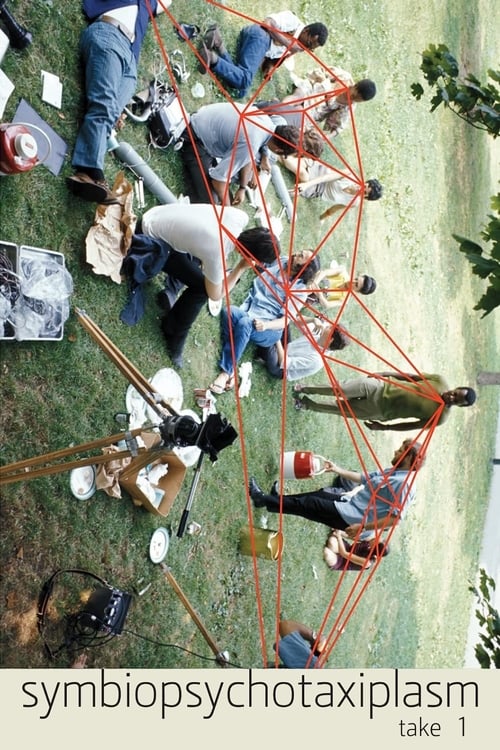
In Manhattan's Central Park, a film crew directed by William Greaves is shooting a screen test with various pairs of actors. It's a confrontation between a couple: he demands to know what's wrong, she challenges his sexual orientation. Cameras shoot the exchange, and another camera records Greaves and his crew. Sometimes we watch the crew discussing this scene, its language, and the process of making a movie. Is there such a thing as natural language? Are all things related to sex? The camera records distractions - a woman rides horseback past them; a garrulous homeless vet who sleeps in the park chats them up. What's the nature of making a movie?
Symbiopsychotaxiplasm: Take One
This documentary short offers a nostalgic look at the steam locomotive as it passes from reality to history. In its heyday, the big smoke-belching steam engine seemed immortal. Now, powerful and efficient diesels are pushing the old coal-burning locomotives to the sidelines, and the lonely echo of their whistles may soon be a thing of the past.
The End of the Line
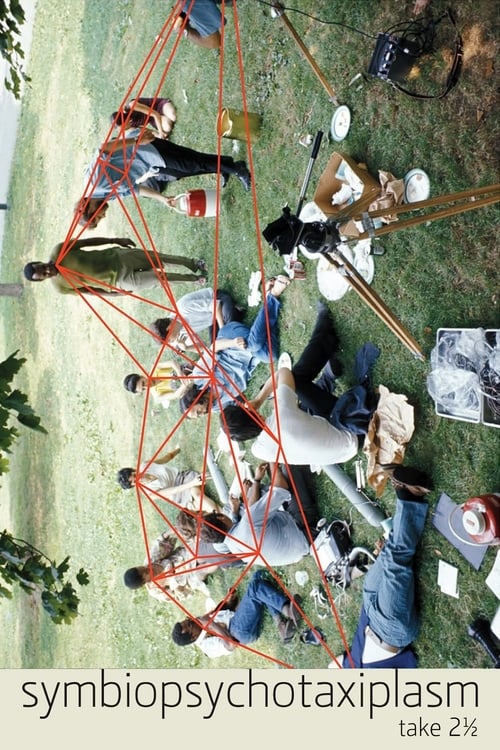
A movie about making movies about making movies. In 1968, William Greaves shot several pairs of actors in a scene in which a woman confronts her husband and ends their relationship. In "Take 2 1/2," Greaves starts with 1968 takes of one of these pairs of actors plus footage of the crew discussing the film's progress. Then, 35 years later, Greaves brings back to Central Park those actors and some of the original crew (plus others) to film a reunion of the characters Alice and Freddie. We watch scenes of these characters and discussions among the actors and crew. Greaves explores and dramatizes the dialectic in the creative process.
Symbiopsychotaxiplasm: Take 2½
This short documentary records the rural sights and sounds of the Eastern Townships of Quebec. The day of the big stationary threshing machine is almost over, as the machine is pushed into obscurity by the combine harvester. But there are still parts of Canada where crops are gathered in the old-fashioned way as the men work out in the fields and the women manage the kitchen. This film offers a rare and charming glimpse into mid-20th-century rural and family life in Canada.
Country Threshing
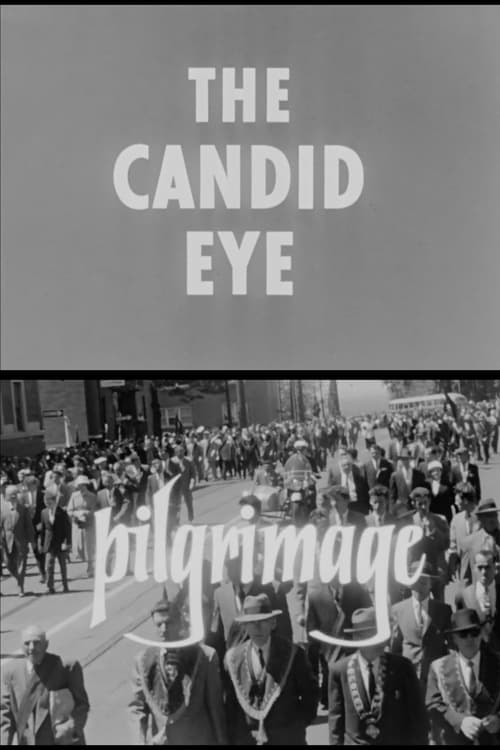
St. Joseph's Oratory, a picturesque shrine silhouetted against Mount Royal, draws pilgrims by the thousands every year. They come from California by Greyhound bus, from Vancouver by plane, and on foot from many parishes surrounding Montréal. What is the fame of this shrine, that it attracts the devout and the curious alike? The story is told by Brother Placide Vermandère of the Order of the Holy Cross, who was personally acquainted with Brother André, after whom the shrine's famous temple is named. Cameras follow a procession of the League of the Sacred Heart through the streets of the city to the famous sanctuary and show many of the religious observances conducted in the church, including Mass attended by invalids who come in the hope of being healed of various afflictions.
Pilgrimage
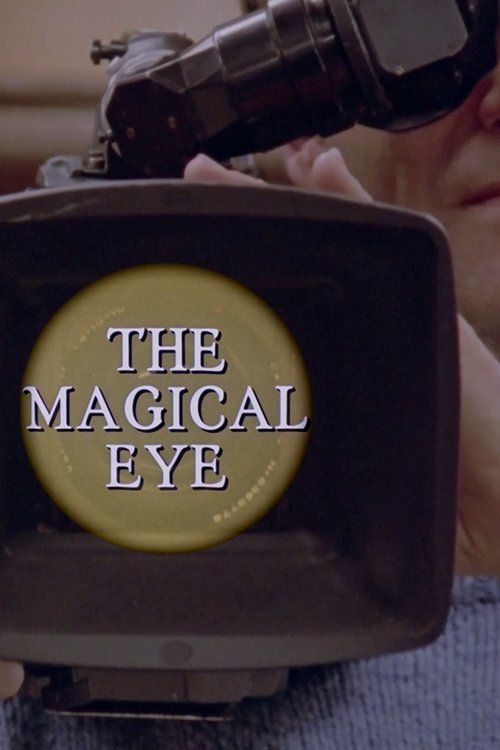
Features clips from 21 documentary and animation film classics, interviews with NFB filmmakers past and present, and incisive commentary from film critics and historians on the role and influence of the NFB during its first half century of existence.
The Magical Eye
This short documentary profiles Saint-Jean-Baptiste Day parade in Montreal in 1959. The annual parade takes place every June 24th in memory of Saint-Jean-Baptiste, the patron saint of Québec. Candid shots of youngsters preparing their costumes for the festivities are partnered with a lively jazz soundtrack. All the Montrealers and out-of-town tourists featured in this film avidly participate in a public festivity that is dear to their hearts.
A Day in June
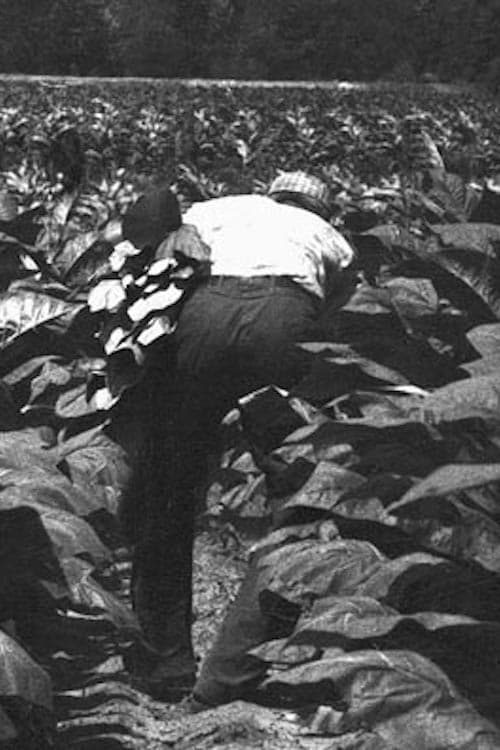
Here is a graphic picture of the tobacco harvest in southwestern Ontario. At the end of July, transient field workers move in for a brief bonanza when the plant is ripe. The tobacco harvesters call it "the back-breaking leaf."
The Back-breaking Leaf

Canadian concert pianist Glenn Gould enjoys a respite at his lakeside cottage. It is an aspect of Gould previously known only to the collie pacing beside him through the woods, the fishermen resting their oars to hear his piano, and fellow musicians like Franz Kraemer, with whom Gould talks of composition. (First of two parts.)
Glenn Gould: Off the Record
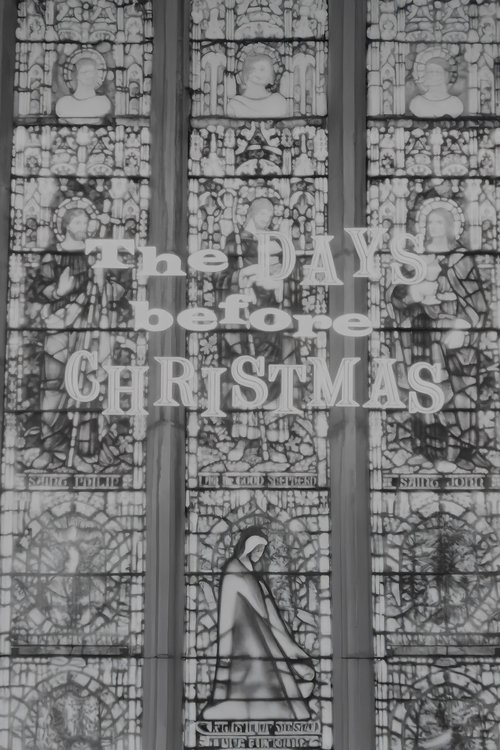
This short documentary depicts Christmastime in Montreal. The milling crowds, department store Santas, Brink's messengers, kindergarten angels and boisterous nightclubs all combine to make a vivid portrait of the holidays.
The Days Before Christmas
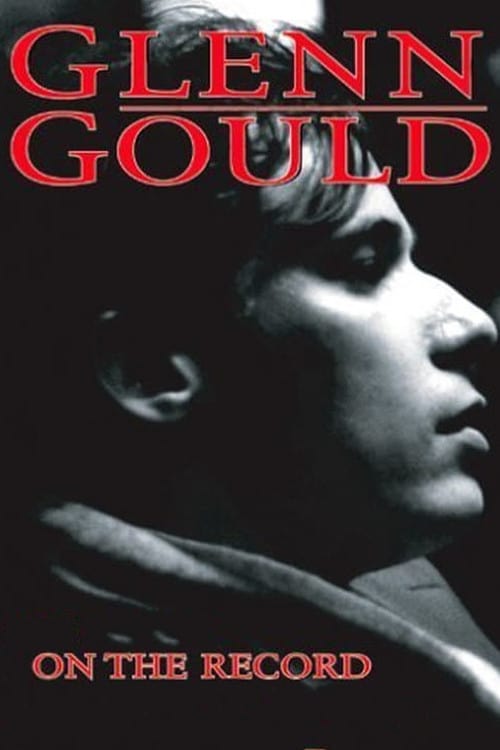
This short documentary (the second of two parts) follows Glenn Gould to New York City. There, we see the renowned Canadian concert pianist kidding the cab driver, bantering with sound engineers at Columbia Records, and then, alone with the piano, fastidiously recording Bach's Italian Concerto.
Glenn Gould: On the Record
The misbehaving public performs for the camera in a half-hour miscellany of misdeeds. In a behind-the-scenes look at the hour-by-hour operation of a large metropolitan police force, this film presents a fair sampling of what keeps Toronto's police officers busy twenty-four hours a day.
Police
People on welfare are rarely heard. What do they go through? How do they feel? How do concerned social and welfare workers feel about the welfare system? What is welfare supposed to do? In this film, welfare recipients and social case workers talk about the problems of being "up against the system." Part of the "Challenge for Change" series.
Up Against the System
An attempt to recapture the magic of childhood as the cameras follow children at play.