Claudia Uzzo
Writing
Known For
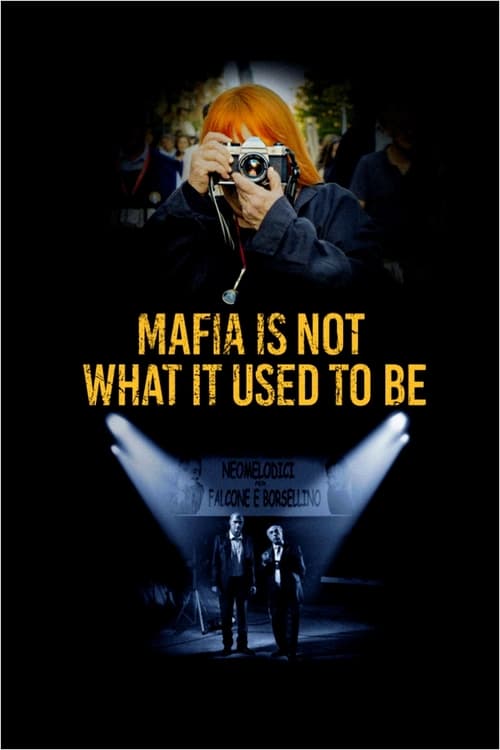
Palermo, Sicily, Italy, 2017. Twenty-five years after the murders of anti-mafia judges Giovanni Falcone, on May 23, 1992, and Paolo Borsellino, on July 19, 1992; and on the occasion of the tributes held in memory of both heroes, skeptical photographer Letizia Battaglia, chronicler of their titanic combat, criticizes the opportunism of shady characters who, like businessman Ciccio Mira, profit from the commemoration of both tragedies.
Mafia Is Not What It Used to Be
No description available.
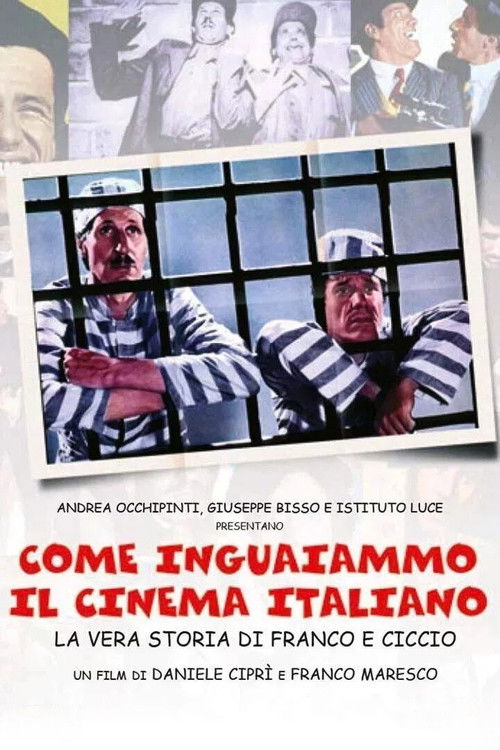
How We Got the Italian Movie Business Into Trouble: The True Story of Franco and Ciccio
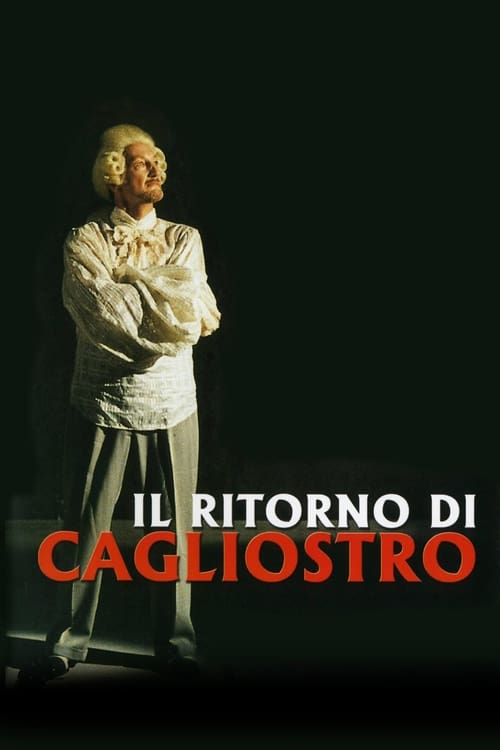
In the Sicily of the late 1940s, two brother sculptors, tired of selling madonnas to the local churches, finally realize their dream, and set up a Sicilian production company, thanks to the help of a local bishop. They start producing one box-office failure Z-movie after the other, all with terribly bad local non-pros as actors. Covered in debts, they finally have their great chance, when a local nobleman obsessed by magic decides to invest all his wealth in the making of a movie about Cagliostro, just one year after Orson Welles' Black Magic (1949). They hire a famous American actor (Robert Englund) and start shooting "The Return of Cagliostro".
The Return of Cagliostro
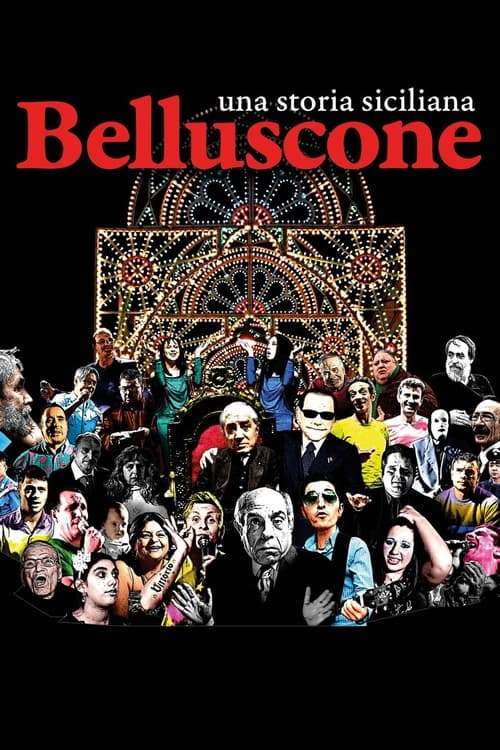
This film tells the story of three defeats: Berlusconi’s political and human defeat in his “twilight”, the one of Ciccio Mirra, Berlusconi’s unconditional supporter, deeply rooted in an ancient culture that dies hard, and the director’s artistic defeat in an Italy that recognised itself in this “Berlusconian culture” for a long time, and probably still does.
Belluscone: A Sicilian Story
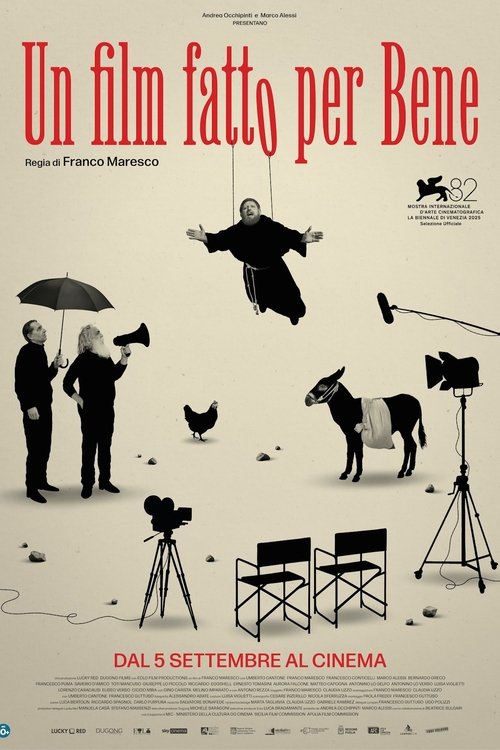
Filming on Franco Maresco's film about Carmelo Bene is abruptly halted after yet another on-set accident. Producer Andrea Occhipinti pulls the plug, exasperated by the endless takes and repeated delays. Angered, the director simply disappears. Maresco's friend, Umberto Cantone, attempts to mend the rift by calling witnesses from all those involved in the project, in an investigation that offers an opportunity to retrace the personality and ideas of the most corrosive and apocalyptic auteur in Italian cinema.
Bravo Bene!
"I migliori nani" simulates the television programs that have dominated much of Italian programming since the 1990s: a studio and a series of what in conventional television would be called "reports," but which are actually excursions into a twisted, mutilated, and discordant world.
I migliori nani della nostra vita
No description available.
Il vento del cinema
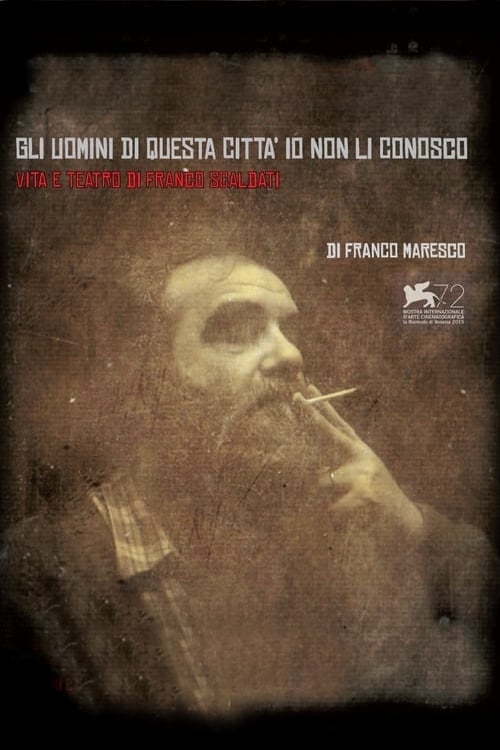
Franco scaldati - died in 2013 - was one of the most important autors of italian theatre plays, Maresco describes his role in the cultural and social field. Through his opera we can observe Italy from another point of view.
I Don't Know the Men of this City
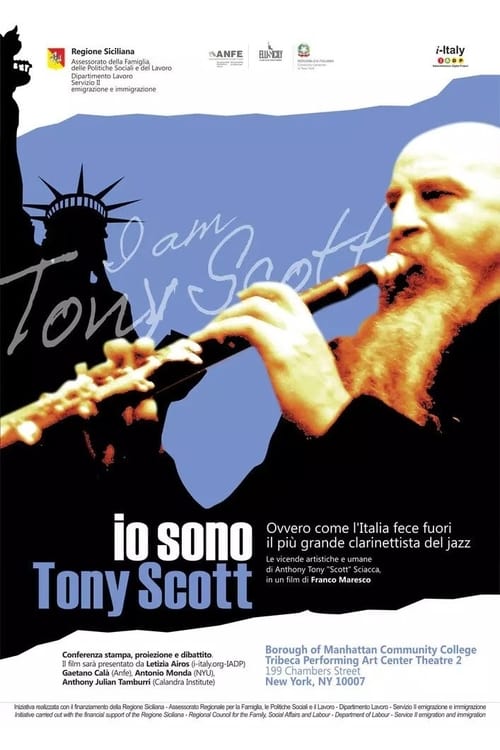
No description available.
Io sono Tony Scott, ovvero come l'Italia fece fuori il più grande clarinettista del jazz
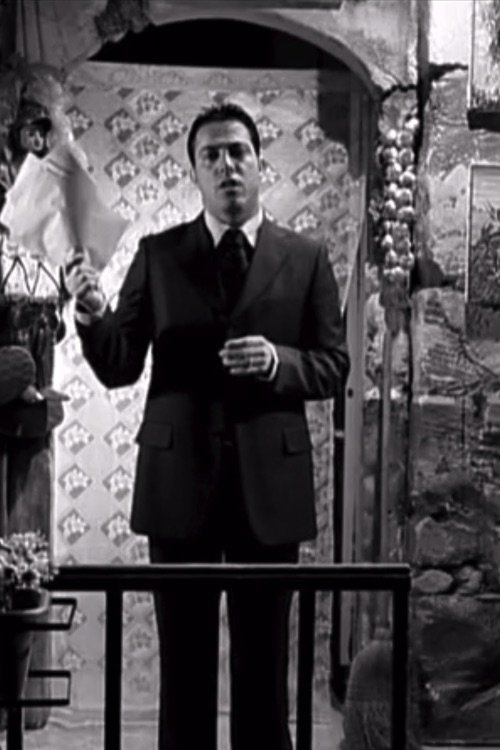
A Sicilian boy tries to expose the meaning of some proverbs that risk being forgotten.
Saggio sull'intelligenza umana
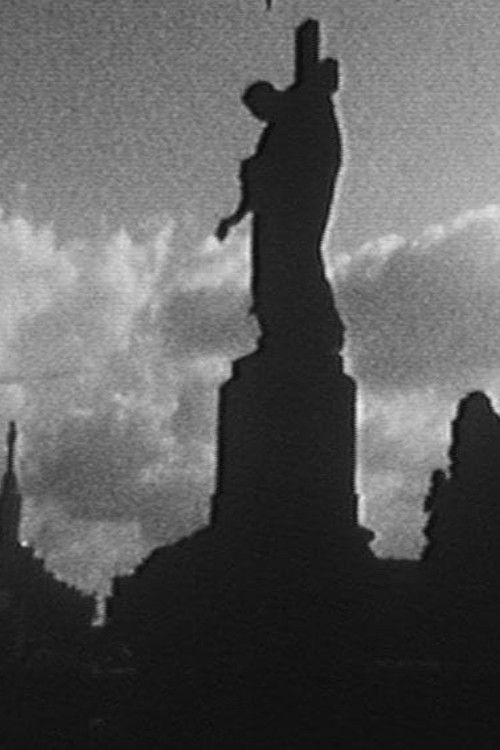
Technical test on the apocalypse in Palermo. There are some men in a cave while we hear explositions outside, far away. Perhaps a war, which nobody knows about. Some of the few survivors move on a desolated and uninhabited land. Images of cemeteries and deserted landscapes pass by, while the survivors start behaving absurdly like animals.