Acting
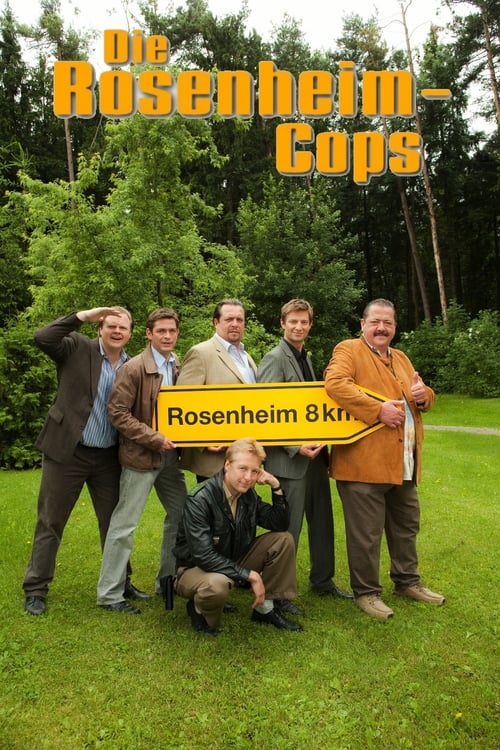
A team of inspectors investigates murders in and around the small Upper Bavarian town of Rosenheim, and they still have plenty of time to see idyllic landscapes and luxurious pre-alpine villas and enjoy sumptuous Bavarian fare with beer.
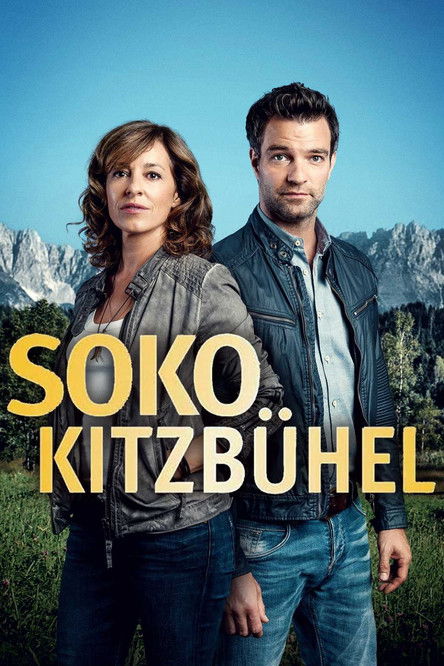
SOKO Kitzbühel is an Austrian television series produced by ORF and ZDF. It is a spin-off of the German crime series SOKO 5113. It is set in the renowned Tyrolean tourist centre of Kitzbühel. The production company "beo-Film" has produced the show since 2001. The German abbreviation SOKO stands for Sonderkommission, "special commission", a task force with specific duties.
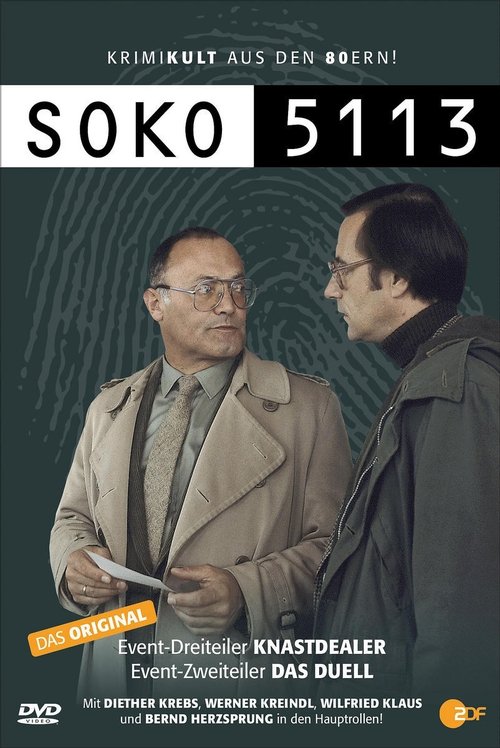
SOKO 5113 is a long-running German police procedural television series. It was first aired in 1978 on 2 January. SOKO is an abbreviation of the term "Sonderkommission" in German.
Polizeiruf 110 is a long-running German language detective television series. The first episode was broadcast 27 June 1971 in the German Democratic Republic, and after the dissolution of Fernsehen der DDR the series was picked up by ARD. It was originally created as a counterpart to the West German series Tatort, and quickly became a public favorite.
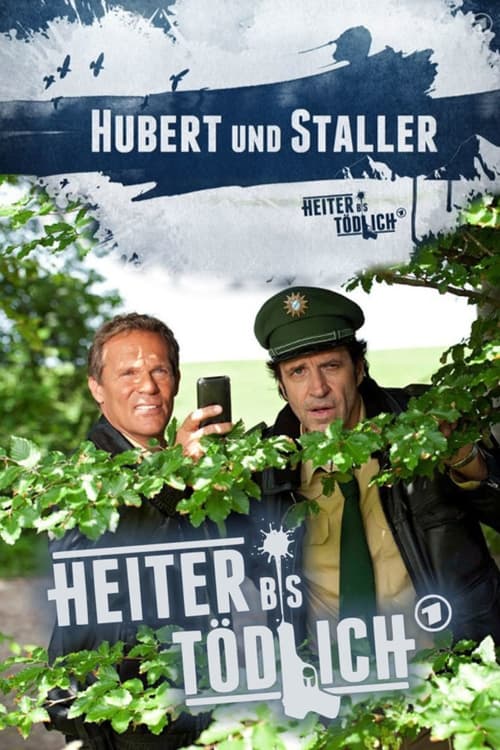
A show about two Bavarian police officers, Franz Hubert and Johannes Staller, who sometimes work a bit differently. Where Franz wants to follow regulations, Johannes likes to do things his own way.
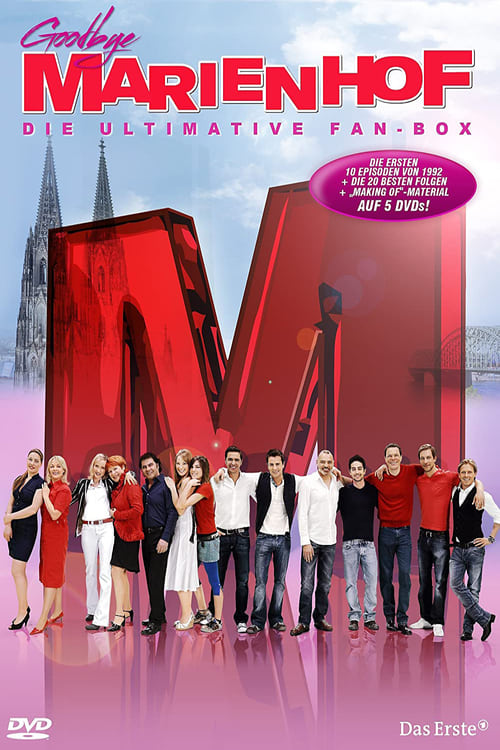
Marienhof is a German soap opera, first shown on October 1, 1992 on German TV channel, Das Erste. It started as a weekly series, before becoming a daily program on January 2, 1995. The show was canceled in February 2011 and aired its last episode on June 15, 2011. In the 90s, the Marienhof became a huge success in Finland and remained a fan favorite until it was canceled to license problems. Over the years, the show became known for tackling several social issues, such as homosexuality, homelessness, private bankruptcy, rape, drug abuse, AIDS, child abuse, suicide, cancer, adultery and murder. The show focuses on the everyday life of the residents of the Marienhof, a fictional suburb in Cologne.
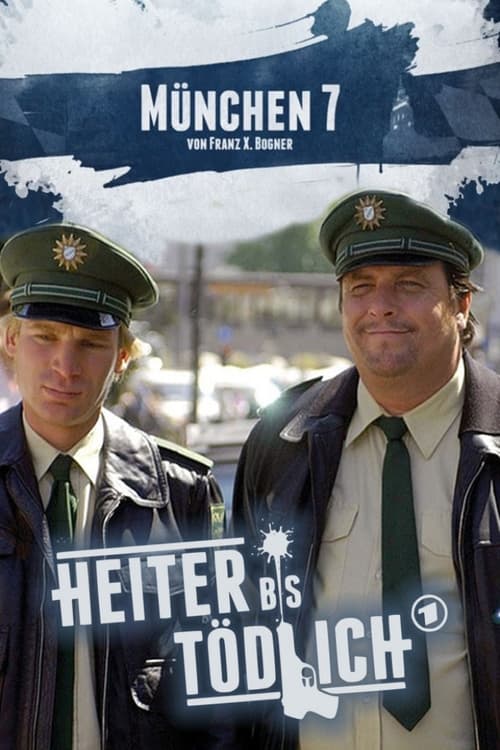
München 7 is a German police drama series from Franz Xaver Bogner. The show is set in Munich, Germany and features the fictive police station "München 7" or "Munich 7". The main characters are the "Sheriff from Marienplatz" Xaver Bartl and his new colleague Felix Kandler. München 7 is part of a series of commonly branded shows with similar themes called "Heiter bis tödlich".
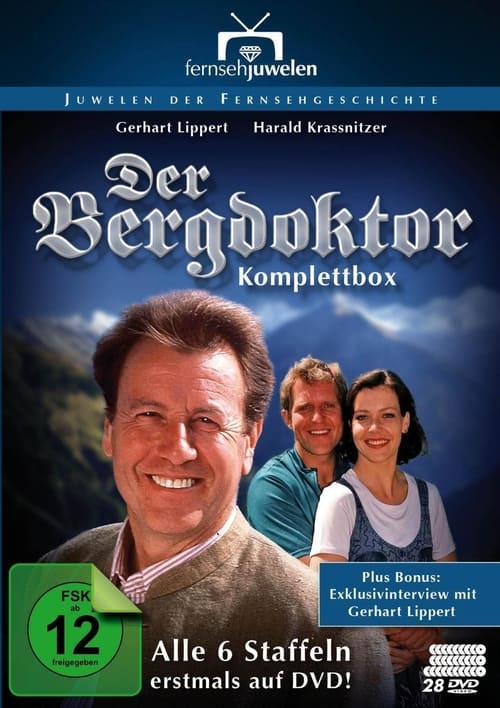
Der Bergdoktor is a German-Austrian medical drama television series, broadcast in 96 episodes between 1992 and 1997.
Everyone in the Bavarian village of Frühling knows her: village volunteer Katja Baumann. Whether it’s milking cows or lending a helping hand to someone in need… Katja is always there.
Anwalt Abel is a German television film series, broadcast on ZDF between 1988 and 2002. 20 television films were produced, based on the detective novels of Fred Breinersdorfer.
12-year-old Florian and his beloved dog Lassie live in an idyllic village in the German countryside. When Florian's father loses his job, the family have to move into a small apartment where there are no dogs allowed. Lassie is given away to another family, but Florian and Lassie yearn to be reunited again so Florian sets out on an adventure to find his best friend.
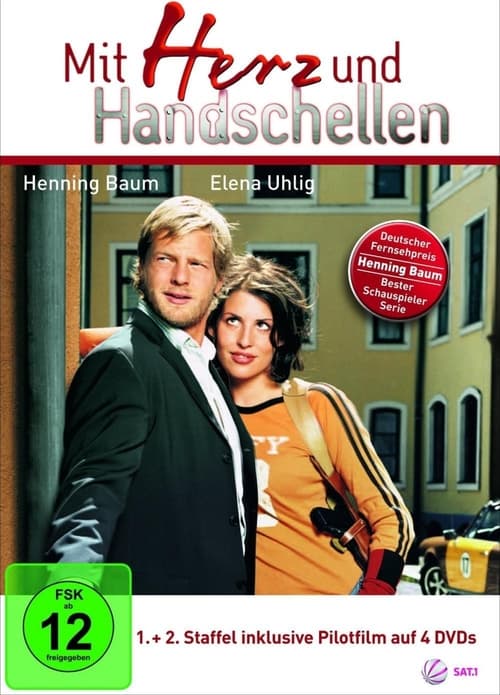
Mit Herz und Handschellen is a German television series.
Franzi is a German television series.
Die Hausmeisterin is a German television series.
No description available.
Schwurgericht (also known as The Murder Film ) is a crime film series produced by Sat.1 from 1995 to 1997. The series depicts criminal cases from the perspective of the public prosecutors. The series was conceived as a competitor to ARD's Tatort ( Tatort) and initially aired during prime time on Sundays at 8:15 p.m. However, ratings fell short of expectations. The series was ultimately canceled in 1997. Completed episodes were later broadcast under the title Der Mordsfilm (The Murder Film) or without a series title.
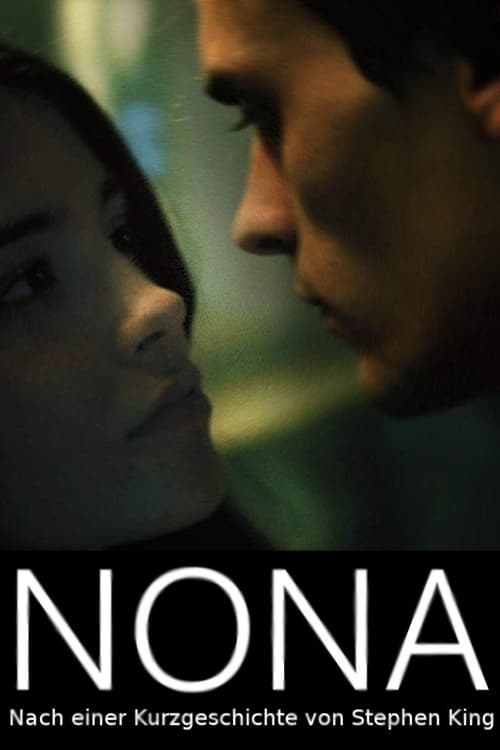
Fidi is aimlessly hitchhiking on a snowy winter's night and ends up being seduced by Nona into murdering several innocent bystanders.
This film is about the difference between law and justice. A national socialist is accused of having stirred up some people against foreigners. A judge has to decide whether he has done so or if his statement comes under the constitutional given freedom of speech. This is compared with a trial in the third Reich. A young woman is being accused of having a relationship with a jew. The film confronts two views of law: the judgement is only based on the current law or the judgement may be influenced by socio-political events and sense of justice.