Acting
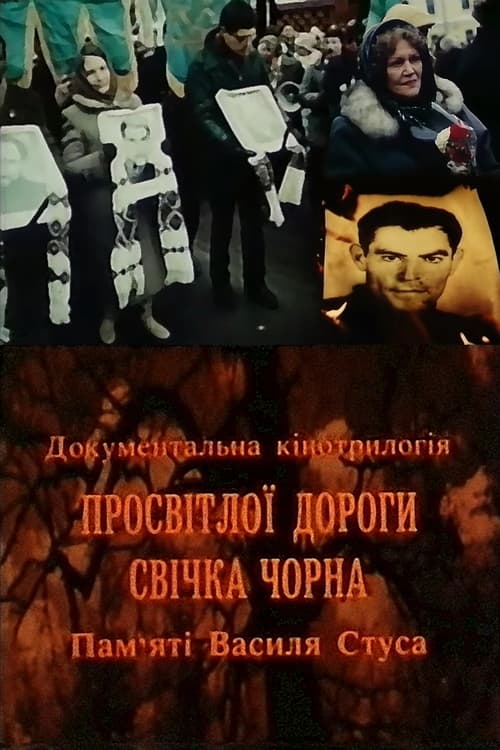
Documentary trilogy about the thorny path of the famous Ukrainian poet, translator, political prisoner Vasyl Stus. Filmed in 1989-1992, it describes the life of the poet, the story of the destruction of the dissident by the Soviet authorities, highlights his influence on Ukrainian society during life and after his death, records the testimony of witnesses, films the liquidated Kuchino camp, in which Stus was imprisoned, the reburial of Stus, Lytvyn and Tykhy in 1989. Consists of three parts: «Come back to me, my memory» (Верни до мене, пам’яте моя), «In the white cold the sun of Ukraine» (У білій стужі сонце України), «Crucified on a black cross» (Розіп’ятий на чорному хресті).
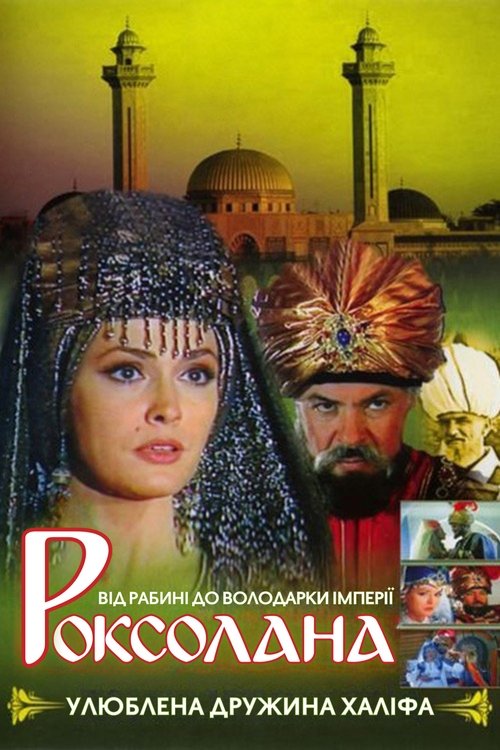
No description available.
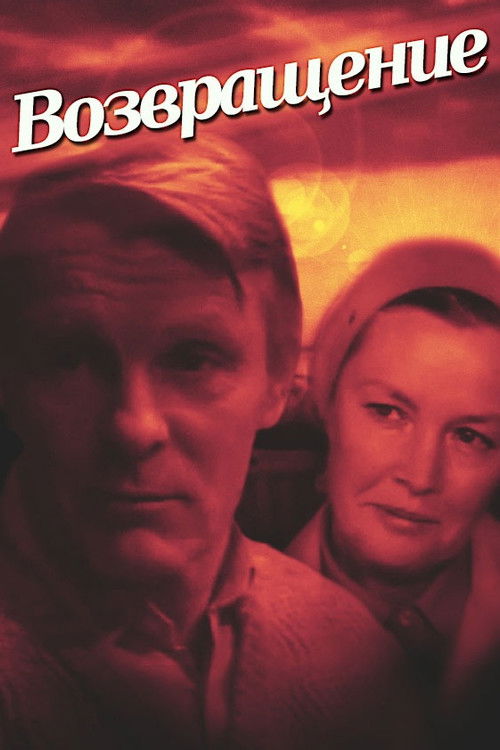
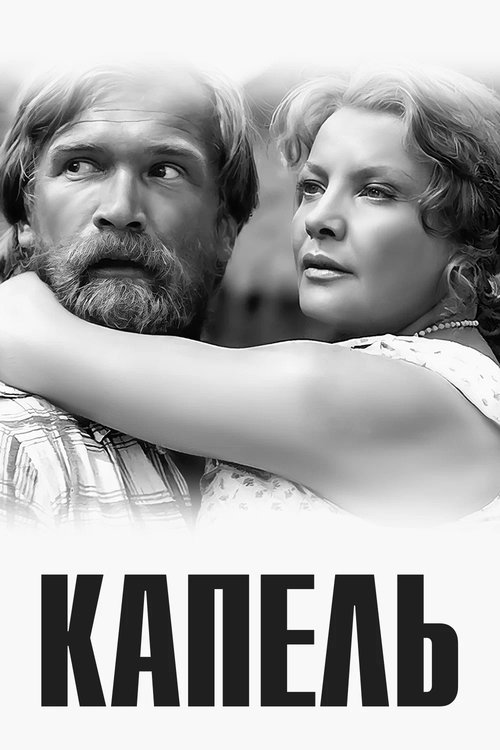
Sergey Mikhailovich Sorokin comes to his native village to sell his house. After meeting with his fellow villagers, he learns a lot about their lives. Sergey Mikhailovich decides to stay and work at his native state farm in order to return to his homeland forever...
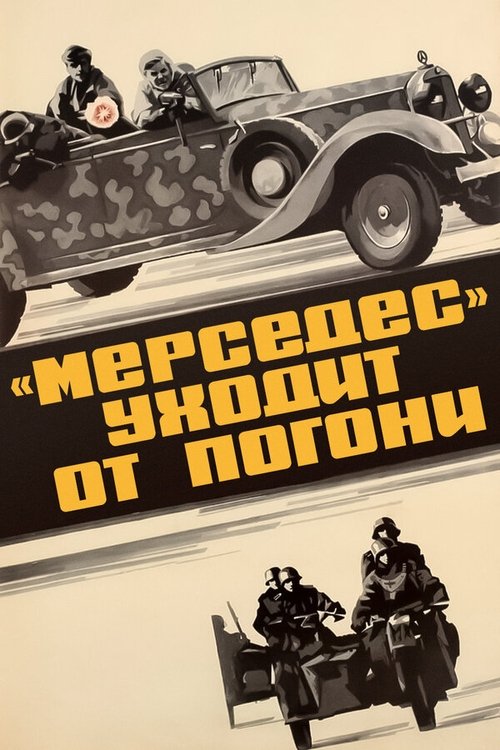
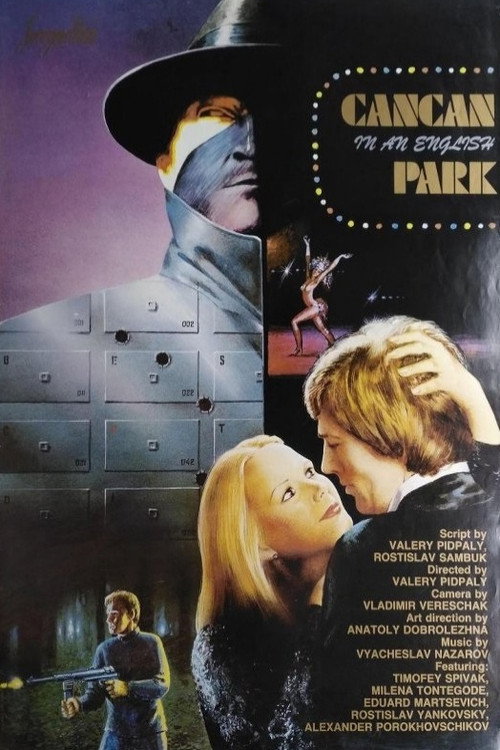
The film is set during World War II. After capturing the "trophy" Mercedes, a group of scouts, disguised as German officers commits a daring raid behind enemy lines (the 116th Motorized Division) on roads controlled by the enemy.
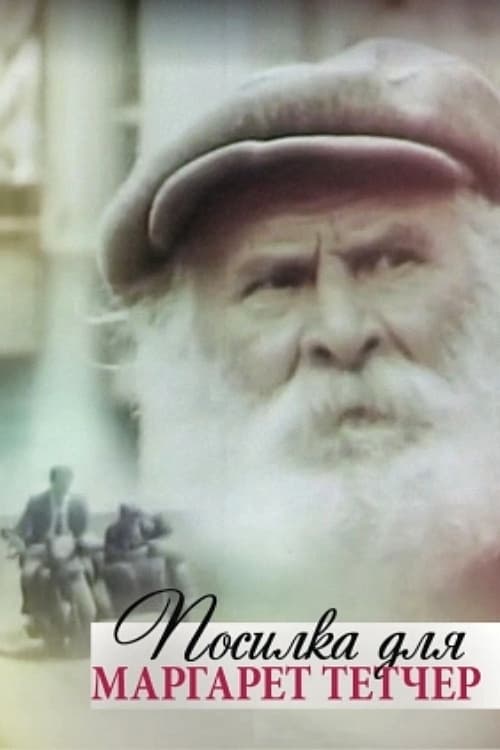
The film was created in the genre of an anecdote, where it is about a grandfather from a Ukrainian village who painted wooden eggs and decided to send them to the "iron lady". At the post office workers told him: "You can't!". But the grandfather showed character, did not give up on the plan, and, overcoming many obstacles, still sent the parcel.
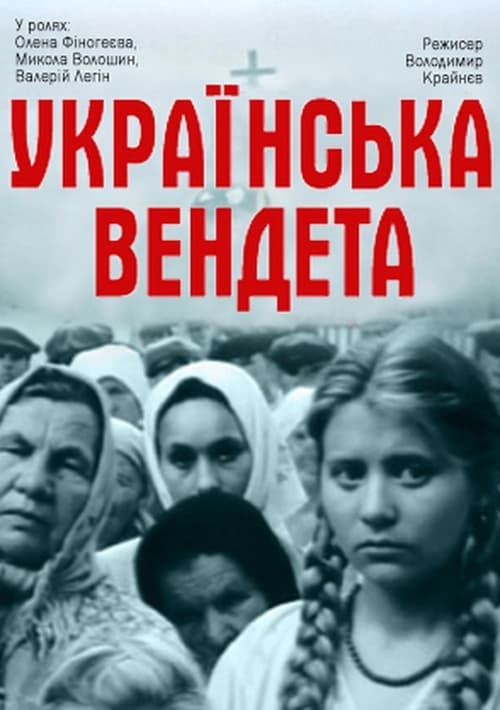
The Hitlerian army has merely encroached upon the territory of Ukraine, and the majority of the local people have been already ready to cave in to a new regime. The Ukrainian policemen have killed the boy. It is clear that there is no hope to expect the justice from the invaders, that’s why the killed boy’s mother declares the war on the hangsman.
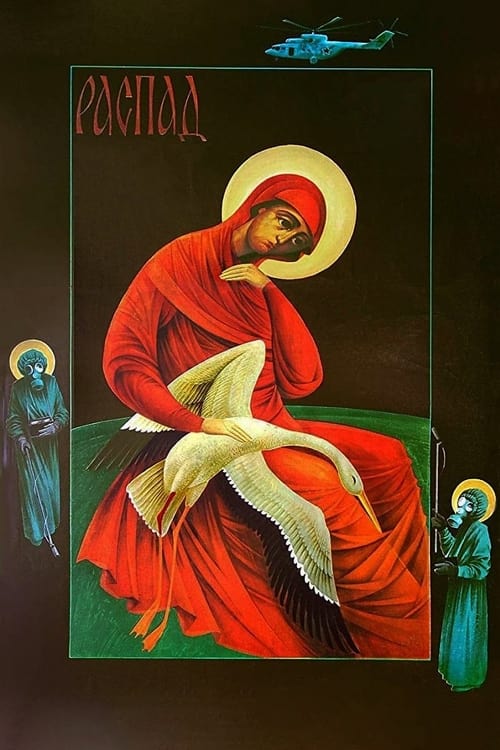
1986, Chornobyl disaster. Couples, friends, and a risk-taking journalist are woven into the larger framework of the disaster. Panic follows.
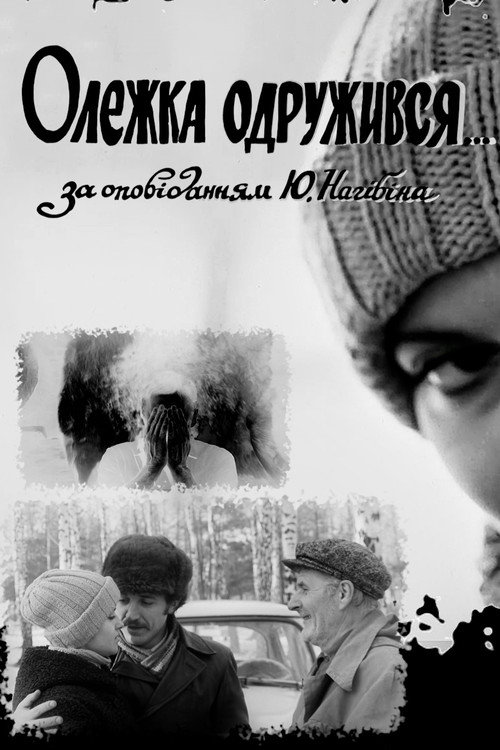
Olezhka arrives at a hunting lodge to visit the elderly gamekeeper Bolotov, a former wartime comrade of his father. He is accompanied by two friends, Vadya and Nadinka. Lightheartedly and somewhat provocatively, Oleh introduces Nadinka as his wife—but Bolotov takes this lie to heart, embracing it with genuine emotion and reading into it a deeper meaning.
The plot centers on a large-scale conspiracy by a group of US military personnel, led by General James Scott, against the current President Jordan Lyman. Further events show that the President, who sent his closest aides and friends to investigate, easily and almost indifferently accepts the news of their deaths, because he is only interested in his own person.
Several old friends—employees of the USSR Prosecutor's Office and Ministry of Internal Affairs, whom fate scattered across different republics of the Union—gather once a year to commemorate their deceased comrade and share unusual cases from their practice.
In the summer of 1918, the situation in Transcaspia was especially difficult. The Menshevik government led by Funtikov seized power. Only the fortress city of Kushka remains Soviet. The garrison went over to the Bolshevik side. Large reserves of weapons and ammunition are concentrated in the fortress, which especially attracts the Mensheviks and the British who help them. The commander of the garrison, the former tsarist general Vostrosablin, decides not to surrender the fortress. To do this, he and Commissar Morgunov are developing a defense plan. White Colonel Zykov, with the support of the Basmachi and the British, hopes to take Kushka. But the tough confrontation between the parties ends with the victory of the defenders of the fortress.
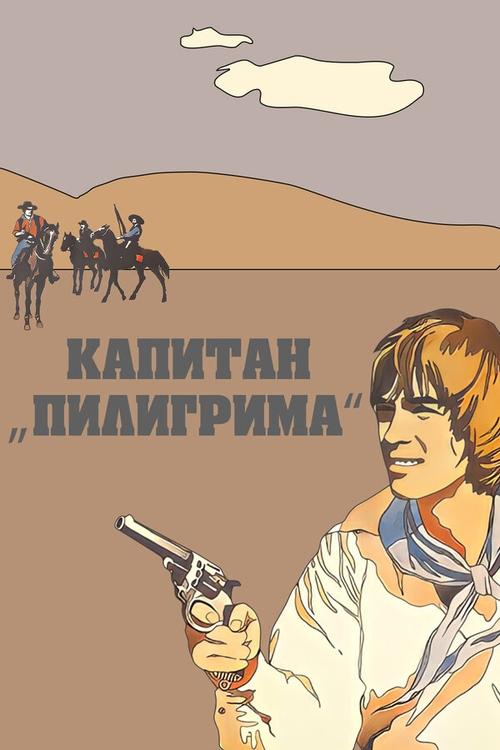
Junga Dick Sands takes the place of the dead captain and brings the Pilgrim ship to Africa, and not to America, as the vile villain and slave trader Negoro put an ax under the compass. So the fifteen-year-old captain, the wife of the shipowner with his young son, the professor and the crew were captured by the villains who profit from living goods.
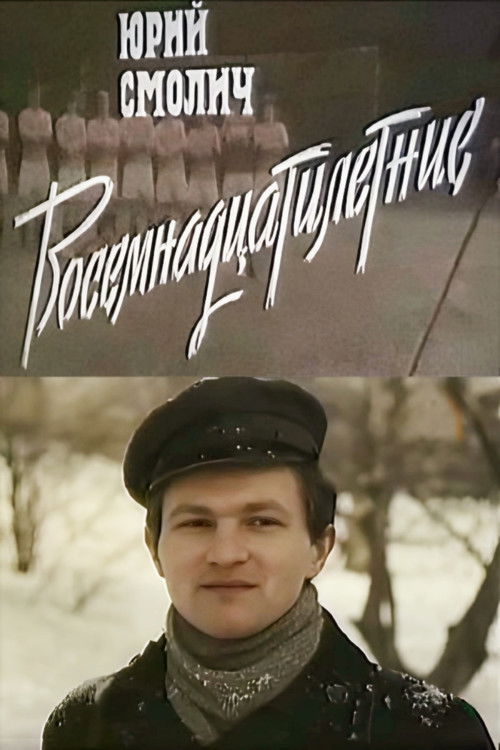
Based on the novel of the same name by Yuri Smolich about the struggle of young people to establish Soviet power in Ukraine.
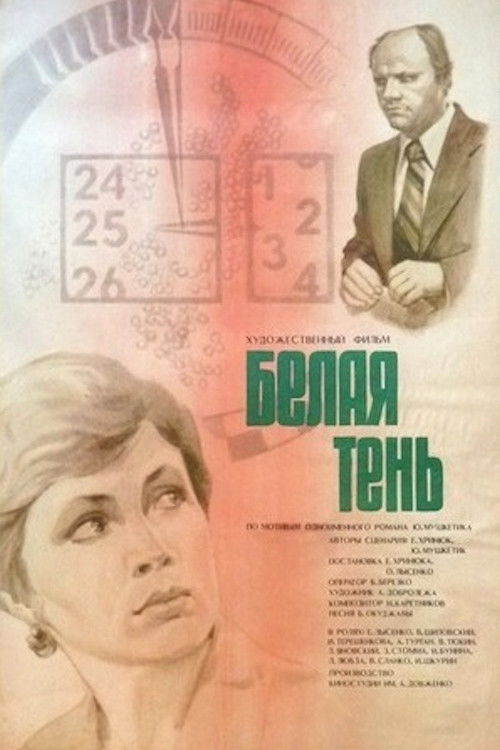
Based on the novel of the same name by Yurii Mushketyk. For the second year, a laboratory headed by professor Marchenko has been working on the problem of photosynthesis. The work absorbs the entire team – each new result seems to confirm the correctness of the leader’s theory. The scientist Borozna, convinced that his colleague’s research path is mistaken, makes it clear to a doctor that it is time to stop and take a more critical look at the results.
The film tells about the difficult and dangerous everyday life of submarine officers in love with their profession during the Cold War.
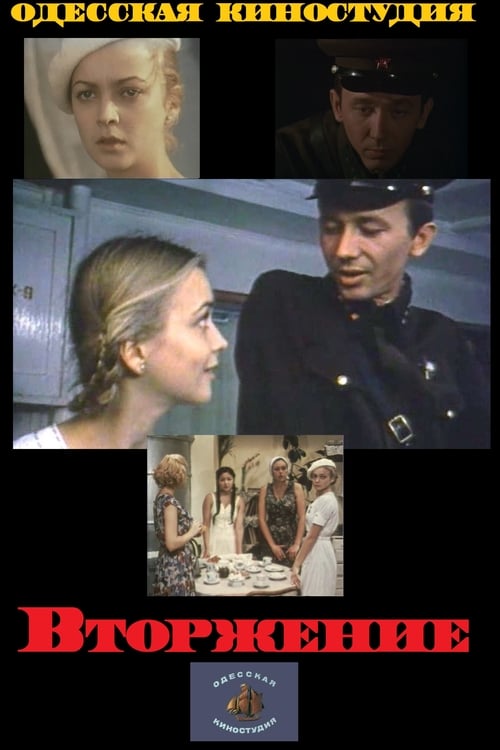
They fell in love and got married - border guard Pavel Glazkov and medical school student Liza. And now he must return to his duty station. They are sure that the separation will be short-lived. And in the morning the war began ...
A Ukrainian poet visiting his emigre cousin is threatened into working for the CIA's operations through Radio Free Europe/Radio Liberty.
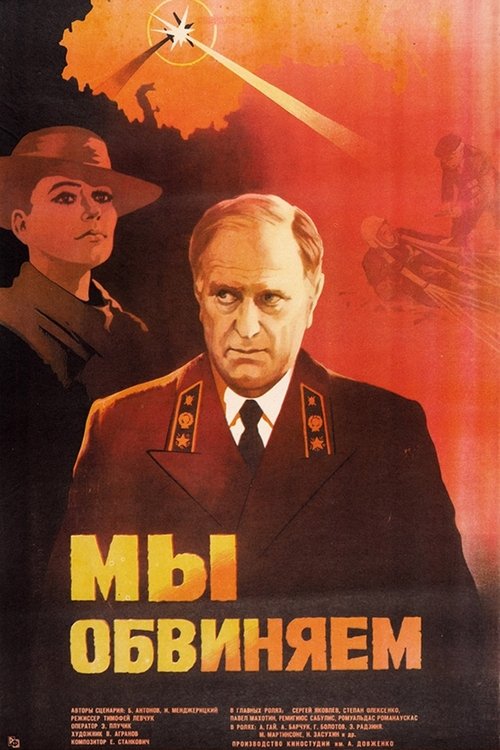
On May 1, 1960, on the eve of the meeting of the heads of government of the USSR and the United States, American pilot Francis Powers carried out a provocative "Flight" action on a Lockheed U-2 aircraft. While crossing the border, the plane was shot down, and a secret CIA agent, pilot Powers, appeared in court, and soon fully admitted his guilt. Fragments of the process and all the events related to the provocative flight are reproduced with documentary accuracy.
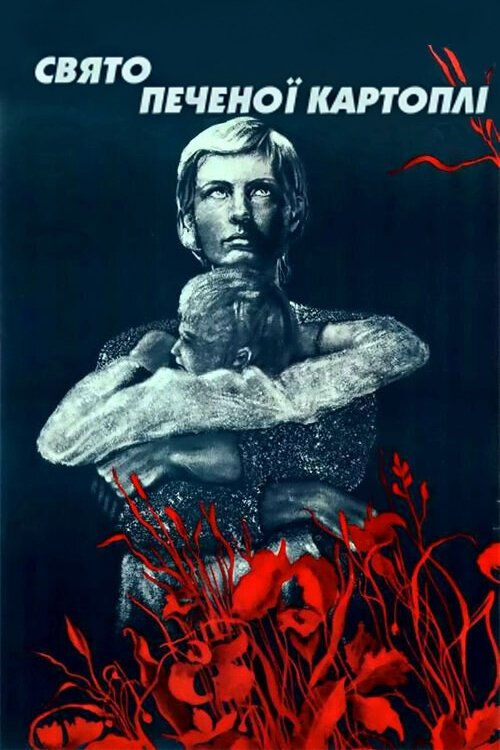
Drama about Aleksandra Avramovna Derevskaya (1902-1959), who, between the two wars - the Civil and Great Patriotic War, raised 48 orphan children of different nationalities. After her death, each birthday, her large family gathers at the table, to preserve the tradition of serving baked potatoes, which was a favorite dish of the household head.