Directing
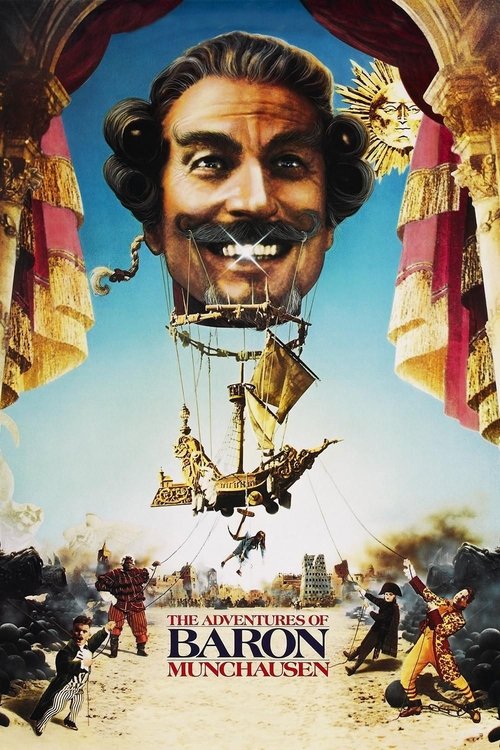
An account of Baron Munchausen's supposed travels and fantastical experiences with his band of misfits.
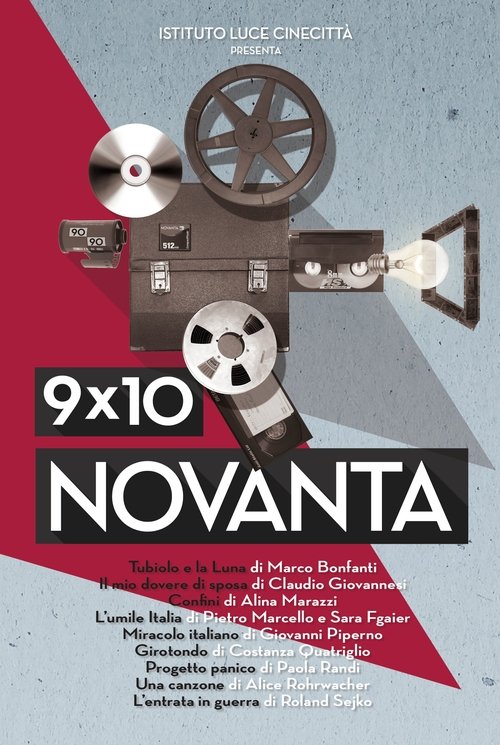
The Istituto Luce turned ninety in 2014, its decades-long history intertwined with that of Italy itself, through cinema and that unique treasure trove of images known to all as the Luce Archives. To celebrate its anniversary, some of the most acclaimed rising filmmakers in Italy were invited to make a small film, with each director selecting ten minutes of footage from the archives, out of the thousands of hours of footage to be found there. The result is an album full of different narratives.
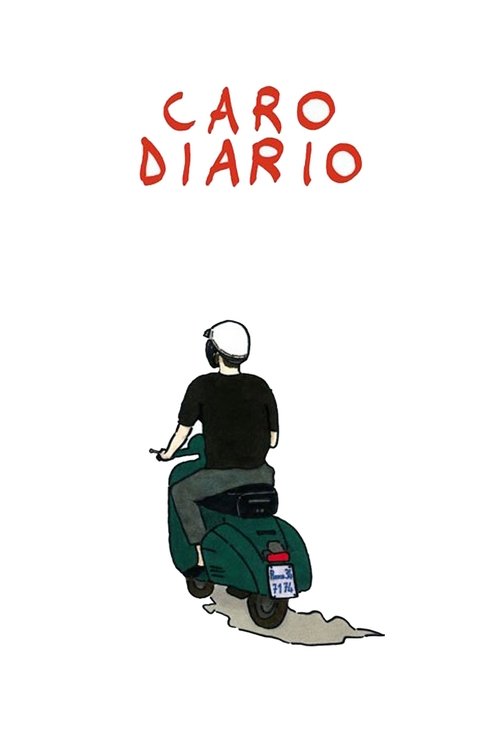
Nanni Moretti recounts in his diary three slice-of-life stories marked by a dry, ironic gaze: in the first, he rides his Vespa through a deserted, sun-drenched summertime Rome; in the second, he visits a reclusive friend on an island, who ropes him into an impromptu journey between islets in search of quiet; and in the last, he finds himself grappling with an unknown illness.
No description available.
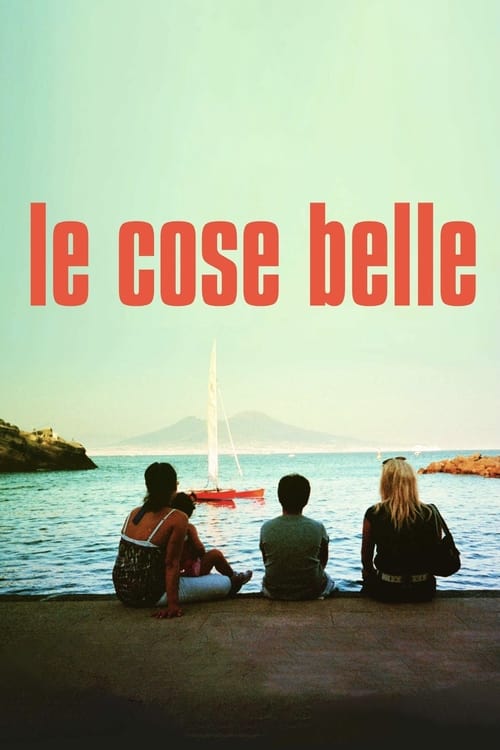
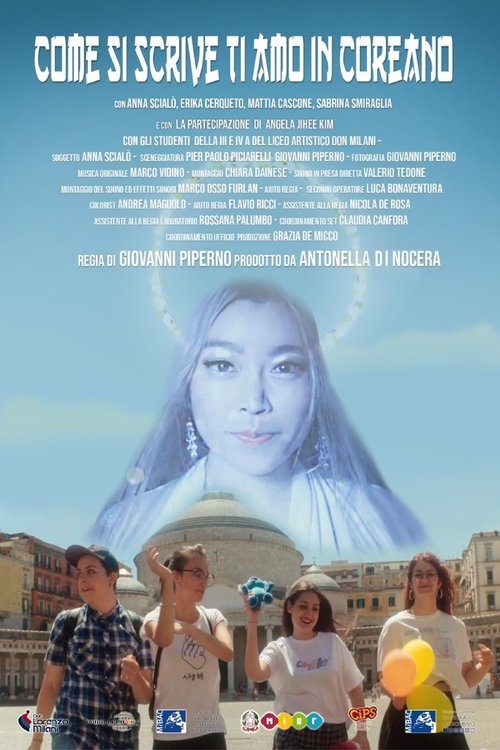
Naples 1999, two boys and two girls full of hope. Naples 2013, the same protagonists disenchanted in a paralyzed city.
A passionate, disillusioned and possibly (self)ironic portrait of a generation of filmmakers who decided to tread the rugged paths of real cinema.
Marguerite receives as a gift from a filmmaker friend: a very modern, automatic camera, complete with remote control. Her life will change dramatically, as the machine reveals to her not only her husband's betrayal with her best friend, but also the desolation of her own existence.
It's Christmas. Mario, a forty-year-old unemployed grandfather who lives by his wits but has an equally chronic dream of becoming an actor, is hired as a caretaker (sixteen hours a day) of a grotesque nativity scene set up on the main street of Bari by a photographer who uses it as a backdrop for photographing children. For us, it's a great opportunity to make a documentary about him... But for Mario, too, we are an excellent opportunity to make his film, the dream he had in his drawer, the film about his life: we are his crew and he is the director! The result is a constant battle: between us, who want moments of the real Mario, the cheerful and optimistic one despite the objective difficulties of his existence, and him, who proposes a tragic but partial Mario, convinced that by loading his testimony with suffering and melodrama, the story of his life will have more appeal...
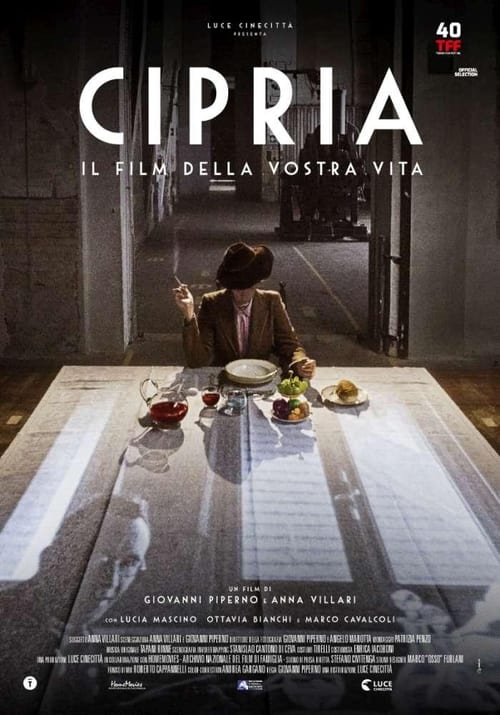
Cipria is a ghost film: three Italian women who lived during fascism had told their lives hoping they could become a film, but the war had shattered the dream. We didn't even have an image of them: only the stories, still current, of their lives, which had been waiting for eighty years to be seen and heard. The challenge was to visualize their stories with footage shot between the 1920s and 1940s and new footage, to give each of them a face, a voice and a body.
Valerio, a boy scout, must cycle to a conference on the environment in which he is expected to intervene. He has some problems with words and wants his friend Alfonso to accompany him, but the journey seems to never end.
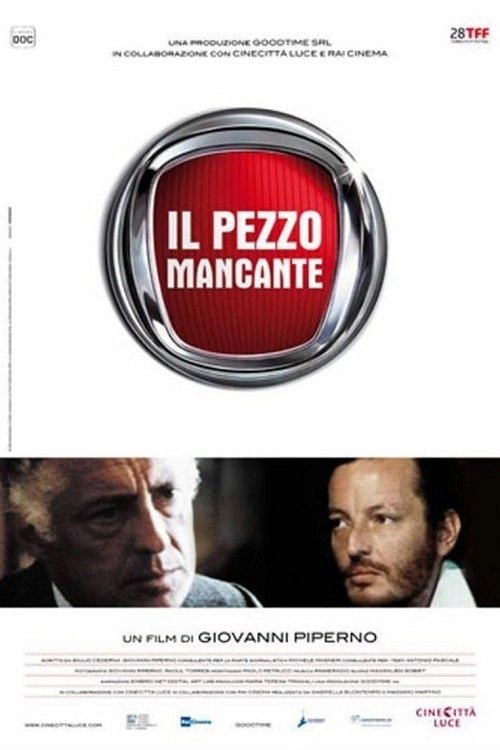
"The Missing Piece" - Founded 1899, Fiat builds cars to make the Italian economy go faster. The history of this pillar of industrial capitalism is also the story of a very powerful and very prominent family: the Agnellis.
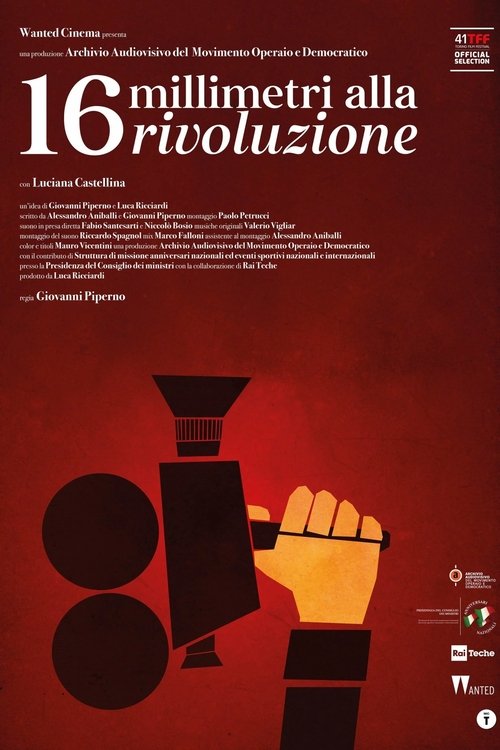
Navigating freely among the images produced for the Italian Communist Party between the 1950s and the '80s by important Italian directors, and after encountering the gaze of Luciana Castellina, the legendary communist politician and a founder of the “Manifesto,” a woman who has never been orthodox and still today is a tireless organizer, Giovanni Piperno ponders the significance of the “party-giraffe” - as Togliatti once defined it – and, above all, what still remains of an experience that involved millions of people in an attempt to transform themselves and the world.