Cine de la Base
Directing
Biography
In the latter half of the 1960s, the Cine de la Base group emerged as the leading exponent of the cultural arm of the revolutionary left-wing faction ERP (People's Revolutionary Army), within the context of an Argentina marked by military dictatorship, the proscription of Peronism, and the birth of the revolutionary struggle. Led by filmmaker Raymundo Gleyzer, they created a body of work unique for its urgent political content and its heterogeneous modes of representation within the documentary format. Producing a significant number of short films—some of which have been lost forever—and establishing a clandestine distribution and exhibition network, they found themselves at a historical juncture that placed them at the center of the aesthetic-political debate: how to advance the construction of a militant aesthetic that could reach the working masses without using the representational models of classical cinema? This article aims to provide an initial approach to this cinema, which Gleyzer termed "counter-information."
Known For
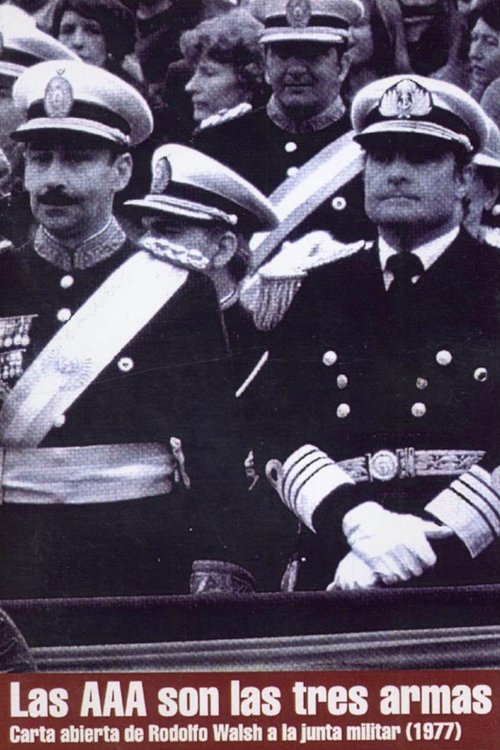
Short about the disappearance of the body of the political Argentinean writer Rodolfo Walsh after he was shot in an ambush by a special military group in Argentinia on March 25 1977.
Las AAA son las tres armas: Carta abierta de Rodolfo Walsh a la junta militar
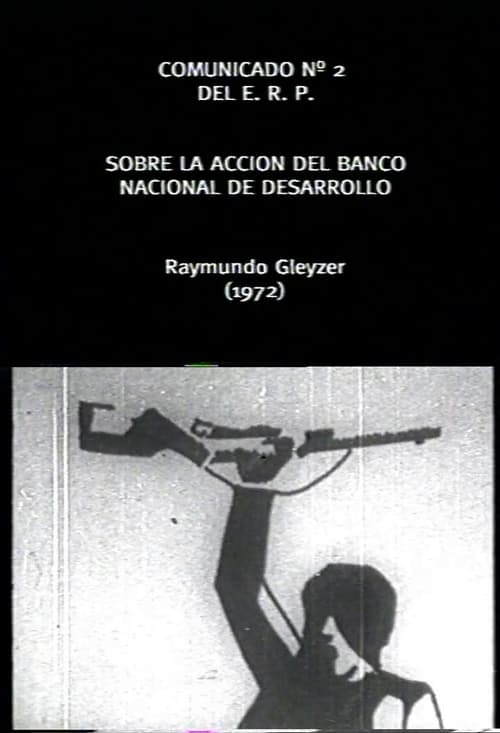
Short that relates how members of the ERP (Ejército Revolucionario del Pueblo) carried out an spectacular blow by entering the vault of the national bank (Banco Nacional de Desarrollo) thanks to the collaboration of two sympathizers of the group.
Comunicado Cinematografico del ERP Nº2: Banco Nacional de Desarrollo
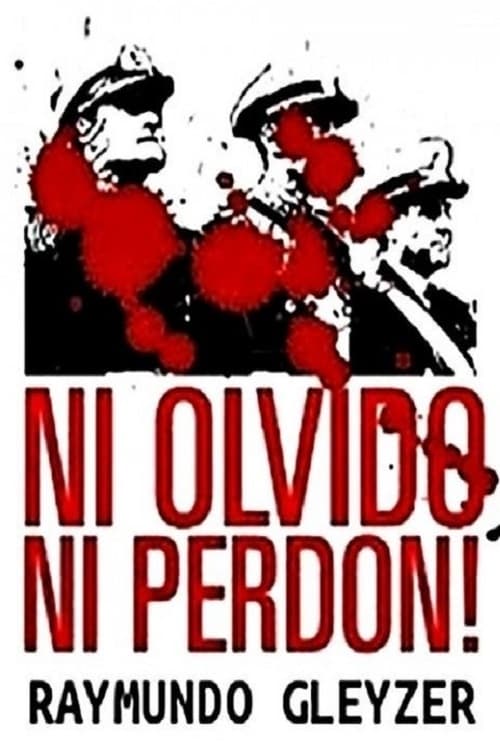
On August 15, 1972, during the dictatorial government of General Lanusse, twenty political prisoners belonging to the PRT- ERP, FAR and Montoneros, escaped from Rawson prison in the Patagonian province of Chubut.
Don't Forget, Don't Forgive
El compa Clodomiro teaches viewers about the economic reforms of the Sandinista government in Nicaragua
El compa Clodomiro y la economia
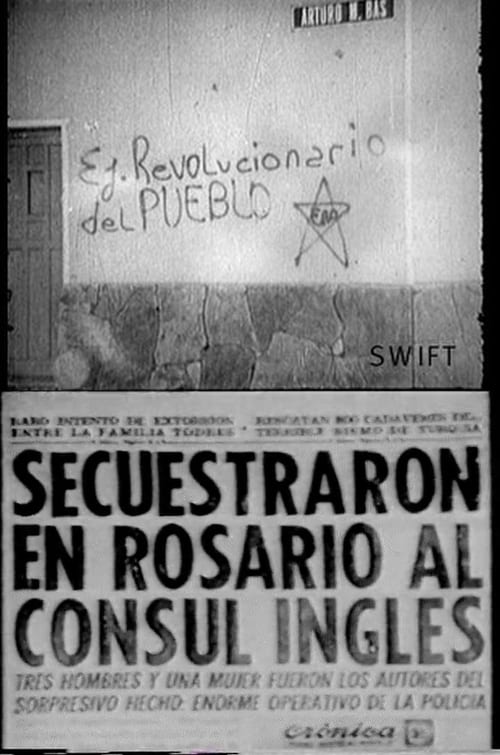
The Popular Revolutionary Army (ERP) was a military unit of an Argentine political party, looking up to Mao's cultural revolution as its model. Its way of fighting involved kidnappings and assassinations of government officials as well as representatives of foreign firms. The crusade of the military junta against its terrorist practices later became a pretext for state terror against civilians who had nothing to do with ERP. Gleyzer's so-called "secret film" records the kidnapping of a manager of the meat processing factory and cooling plant Swift. The partisans request an improvement in the working conditions in the factory in exchange for his release.
Swift, 1971
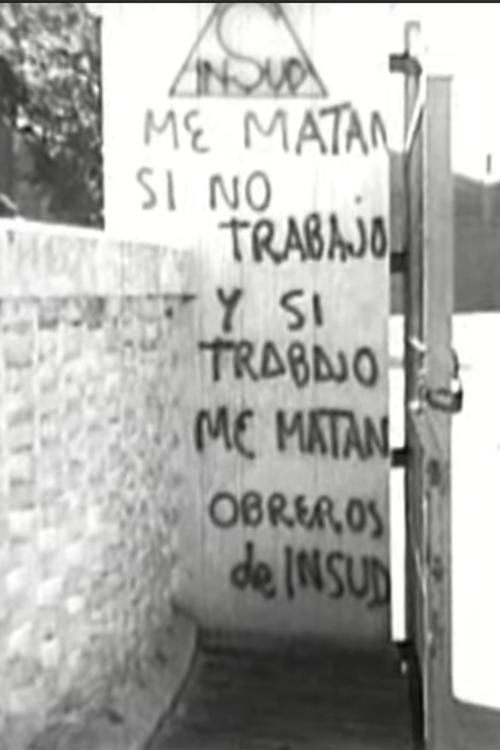
Documentary on the situation of INSUD factory metalworkers, who, because of lead and poor working conditions, suffer from sickness and death by lead poisoning.
They Kill Me If I Don't Work and If I Work They Kill Me
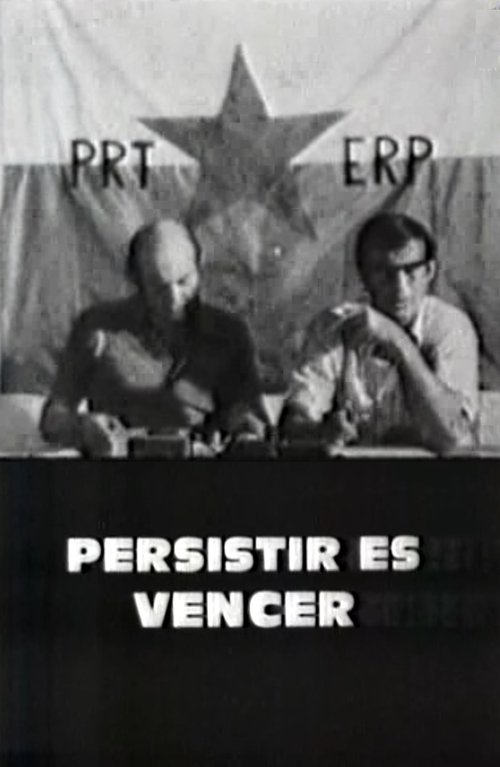
An interview of Luis Mattini, general secretary of the Workers' Revolutionary Party (PRT), and Enrique Gorriaran Merlo, member of the political bureau of PRT and commander of the People's Revolutionary Army (ERP), is the basis of this short documentary completed in Rome in 1978. Archive images accompany the voices of the guerrilla militants who denounce the crimes perpetrated by the Videla dictatorship and they present an overview of militant and political organization against the forces of imperialism.