Marie Eykel
Acting
Biography
Marie Eykel is a Quebec actress born on April 2, 1948. The daughter of a Dutch father and a Quebec mother, Marie's mother was Rose Léonard and her mother was Irish. Marie lived a good part of her youth in Saint-Lambert. A theatre festival from her youth, she exercised her talent in several experimental theatres, worked for Paul Buissonneau's Roulette, before playing the role of Passe-Partout in the tele-series of the same name broadcast at Télé-Québec (Radio-Québec at the time) from 1977 to 1998. This series was remarkable for a whole generation, at a point called the "Passe-Partout Generation". Later she remained associated with this character, which greatly harmed her to gain a significant role after the withdrawal of the waves from the series.

Known For

Each day, Jean-Philippe Wauthier welcomes guests on the show in warm, friendly setting. His interviews focus on their newsworthy achievements but also, and most importantly, on their passions, interests and opinions.
Bonsoir bonsoir!

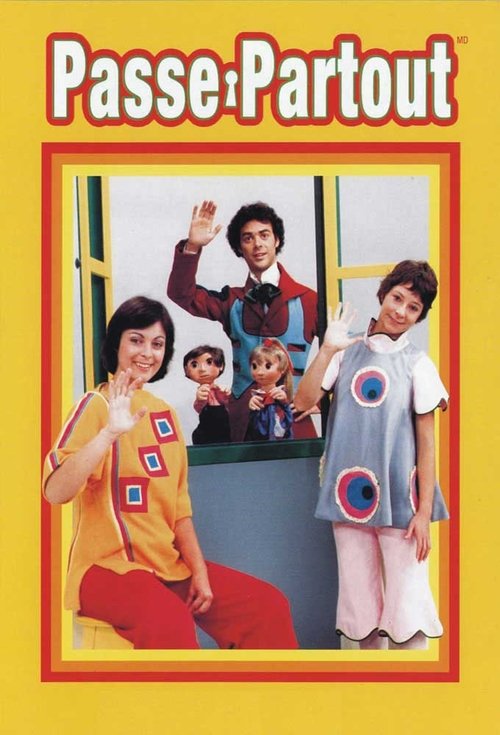
Passe-Partout was a Quebec French language children's television program produced by Radio-Québec that was in production from 1977 to 1987. It aired on Radio-Québec as well as on Radio-Canada for thirty minutes, lasting on some networks until 1998. It incorporated both live actors and puppets although neither group interacted with the other.
Passe-Partout
No description available.
Ça va être ta fête!

No description available.
La journée (est encore jeune)

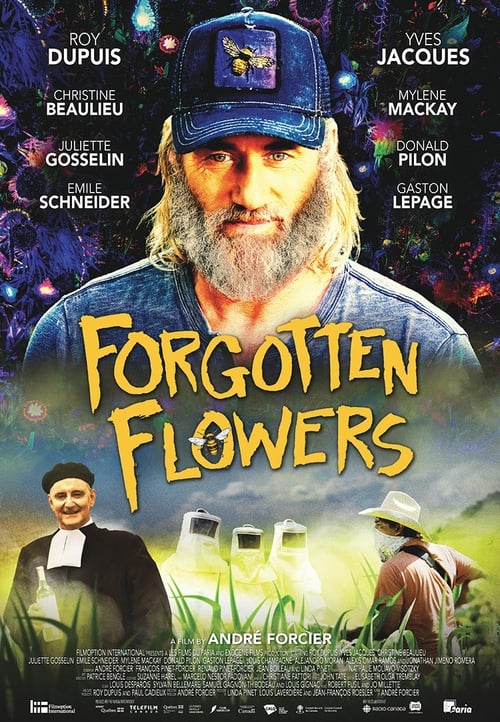
Brother Marie-Victorin, founder of Montreal’s Botanical Garden, is bored with heaven and decides to return earth to help former agronomist turned beekeeper Albert save Quebec’s flora from a multinational that is poisoning the Earth with chemicals.
Forgotten Flowers

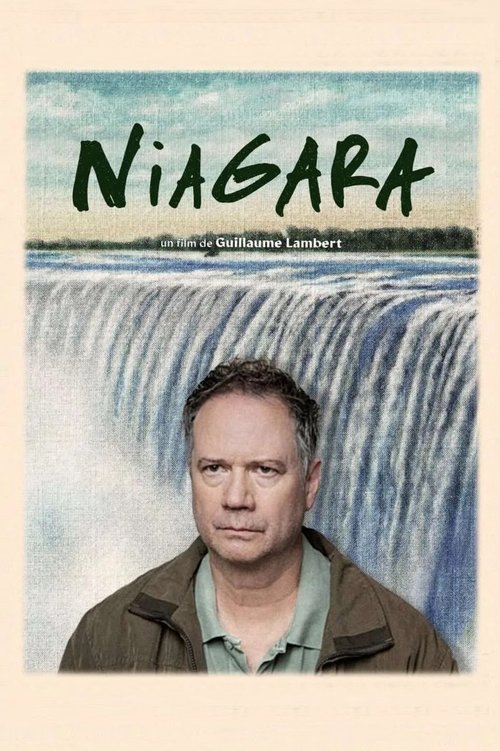
A comedy drama about the fall, mourning and rebuilding of oneself around three brothers in their fifties who will have to reconnect after the death of their father who died prematurely from an unfortunate Ice Bucket Challenge.
Niagara

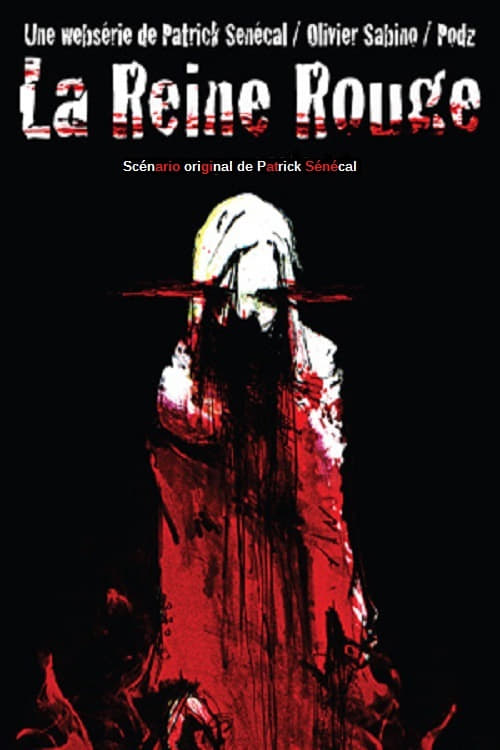
La reine rouge is the direct sequel to the novel 5150, rue des Ormes by Patrick Senécal, telling the story of Michelle Beaulieu, who has become a merciless killer, fleeing to start a new life following the terrible events of the kidnapping of the young Yannick Bérubé and the murders perpetrated by his father Jacques Beaulieu.
La reine rouge

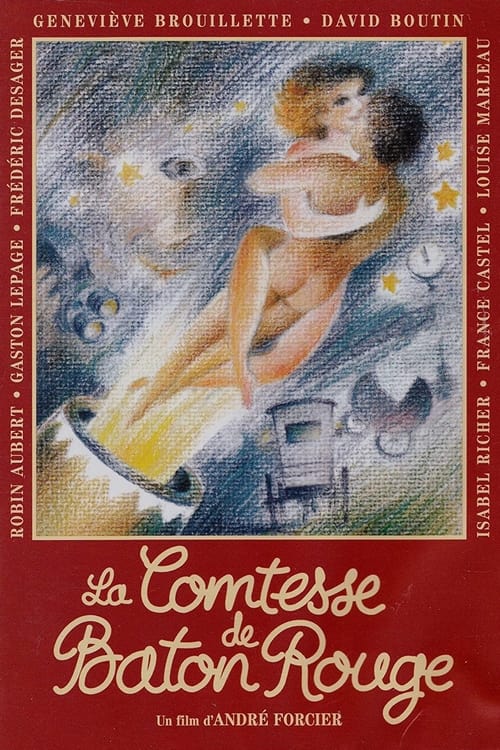
In a style evocative of Fellini at his most surreal, this bizarre French Canadian fantasy follows the romance between a young filmmaker and a bearded lady from a local circus during the 1960s. The story begins in a contemporary theater where a projectionist describes, to movie director Rex Prince, the ghostly spirit that seems to be haunting his film. The story then races backward to the 1960s when a half-mad, idealistic Rex was busily making his first film, a Marxist tract depicting poverty in Montreal. Edouard Dore, a well-connected editor works with him and it is he who takes Rex to a carnival late one night to meet the performers in a freakshow. The first person Rex meets is Le Grand Zenon, a hulking one-eyed fellow with the amazing ability to use his eye to project movie images on a screen with neither a projector nor film.
The Countess of Baton Rouge
Images and sounds are spliced together in this journey to the heart of the political, economic and cultural oppression of the Quebec people. A reflection on neo-colonial exploitation and the cancer of alienation. To the very Canadian multiculturalism of Trudeau and the métissage of the multinationals, celebrated by the high priests of the dominant ideology, is contrasted the idea of acculturation, even deculturation. A way of resisting as good as any other.
Pea Soup

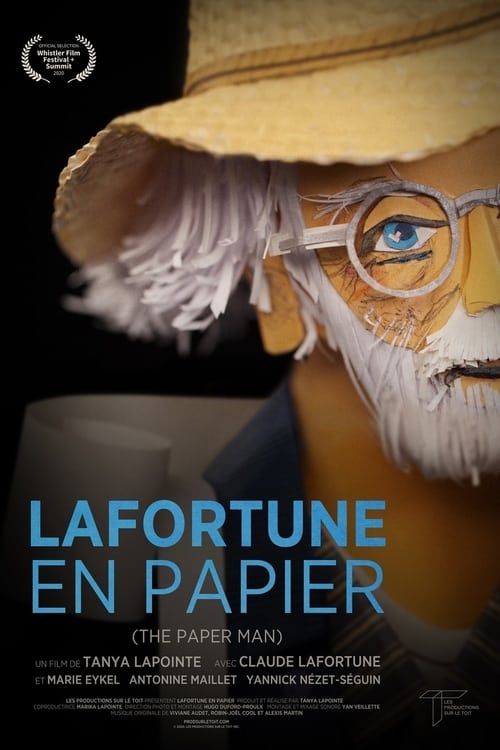
Much like Fred Rogers and Bob Ross in the United States, Claude Lafortune was a staple of French-Canadian television. The beloved children's television host inspired generations of children through his celebration of creativity, inclusivity and diversity. For over five decades, he dedicated his life to transforming mere paper into whimsical sculptures, creatures and film sets. "The Paper Man" reveals the depths of Claude Lafortune's work, as well as his continuing legacy.
The Paper Man

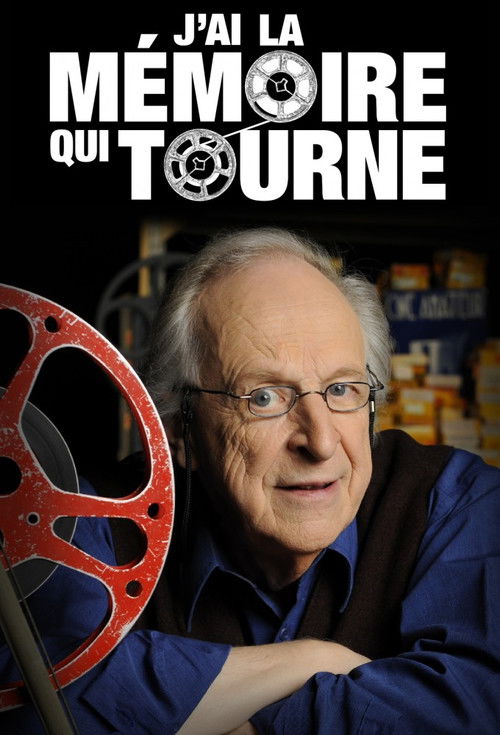
No description available.
J'ai la mémoire qui tourne

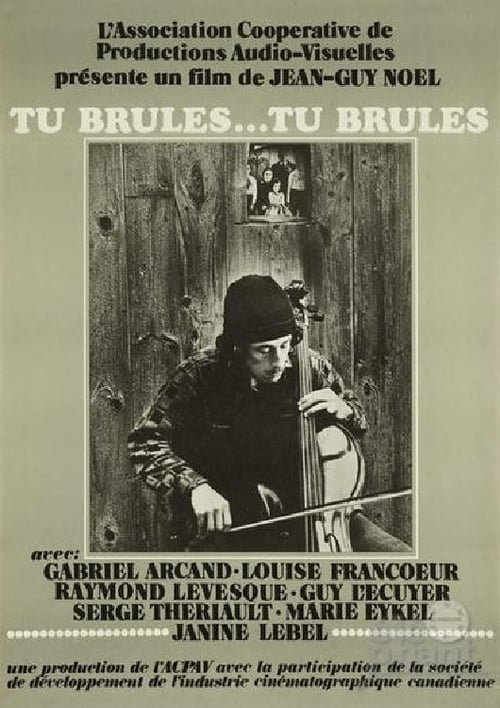
A dropout gets the margins of society and resists his father’s pressure to return to the bosom of the village. The film transcends anecdote by diving into a wacky and unusual universe, full of fantasy, imagination, and visual and sound gags.
Tu brûles... tu brûles...

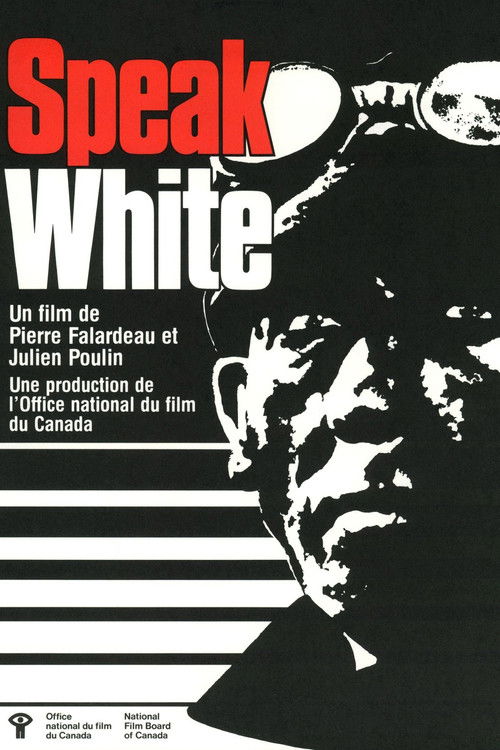
Speak White is a French language poem composed by Québécois writer Michèle Lalonde in 1968. It was first recited in 1970 and was published in 1974 by Editions de l'Hexagone, Montreal. It denounced the poor situation of French-speakers in Quebec and takes the tone of a collective complaint against English-speaking Quebecers. In 1980, Speak White was made into a short motion picture by polemicists Pierre Falardeau and Julien Poulin, the six-minute film featured actress Marie Eykel reading Lalonde's poem. It was released by the National Film Board of Canada.