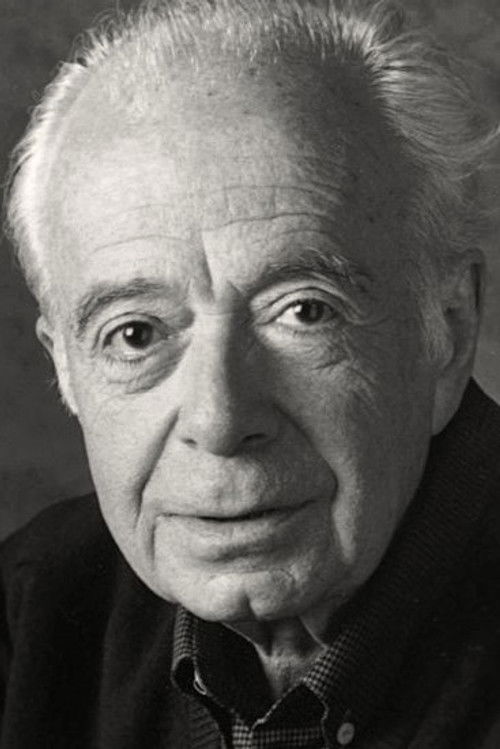
Antonis Samarakis
Writing
Biography
Antonis Samarakis (Greek: Αντώνης Σαμαράκης; August 16, 1919 – August 8, 2003) was a Greek writer of the post-war generation whose work explores themes of humanism, dangers of totalitarianism and aspects of social alienation. He is considered one of the most prolific Greek writers, and the second most translated one, after Nikos Kazantzakis. Antonis Samarakis was born in Athens in 1919. After graduating from the Varvakeio High School, he studied law at the University of Athens. During the Nazi occupation he participated in the greek resistance by joining the National Solidarity, a precursor of the main leftwing resistance organisation, the National Liberation Front. In 1944 he was arrested by the Nazis and sentenced to death, but managed to escape. In 1963 he married Eleni Kourebana. Samarakis worked as an expert of the International Labour Organization of the United Nations in many countries on social issues and in 1989 he was named a UNICEF Goodwill Ambassador for the children of the world. His first substantial appearance in the literary field took place in 1954 with the publication of the collection of short stories "Hope Wanted". He is one of the most translated Greek prose writers, as his works have been translated into more than 30 languages. In 1965 he published "The Flaw", his best known work. A rare example of greek police literature, part thriller and part political satire, it won Samarakis world-wide praise and brought him in contact with some of the great writers of the era. In 1975, it was made into a movie under the title La faille (translated as "Weak Spot" in English) directed by Peter Fleischmann. In 1973 he wrote his longest short story, "The Passport", which reflects his experiences under the Regime of the Colonels, when he was denied a passport unless he wrote something favourable about the regime. The story is not merely autobiographical but generalises the plight of the innocent victim of a totalitarian regime. Samarakis had great critical attention and commercial success in continental Europe, especially Germany, Scandinavia and France, than the US or Britain. His work was held in high regard by writers like Arthur Koestler, George Simenon and Agatha Christie. The film maker Luis Buñuel was also a great fan of his work. Samarakis' work has a strong element of social complaint and reflects his personal concerns about the present and the future of modern society. He used simple language and an unpretentious style and approached his subjects from a strongly anthropocentric angle. He was characterized by his love for the young. It was his idea for the Greek State to create a Youth Parliament, leading to the organization of informal meetings of the Parliament, where young people from all over the country are given the floor. Antonis Samarakis died on August 8, 2003 in Pylos. According to his wishes, his body was donated to the University of Athens for research by medical students.
Known For
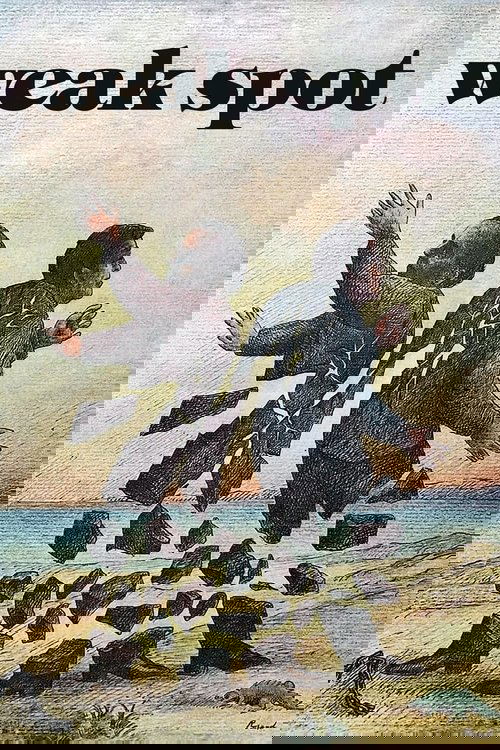
During the brutal era of the military government, an innocent tourist manager is accused of being a member of the illegal resistance movement.
Weak Spot

This films tells four different stories, all connected by the banks of a river.
The River
Set in a dystopian world dominated by the Regime, a ruthless Interrogator is ordered by the Special Service to follow a perfect plan to prove a suspect's guilt. But once the interrogation gets underway, he comes to realize that there is a flaw not only in the plan, but also in the Regime itself.
The Flaw
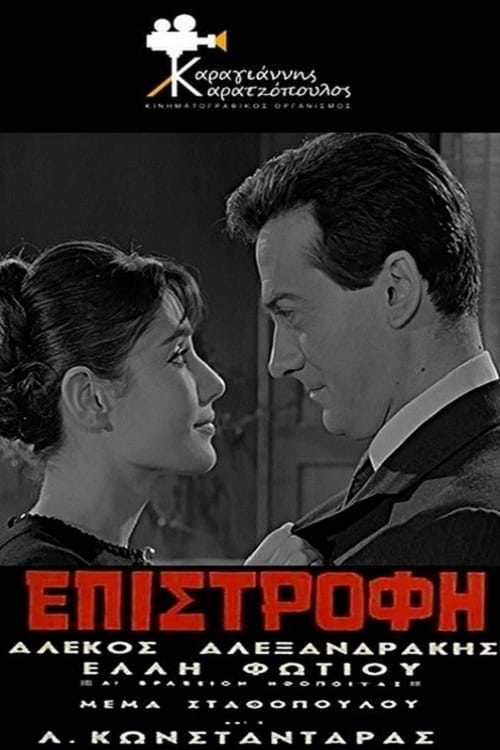
When a woman learns that her fiancé has been killed in an air raid during World War II, she is forced to become a prostitute in order to support herself and their child. When her fiancé, having survived the accident, returns, she ends her life, unable to hide the shame she felt for what she had to do during the years of occupation.
Return
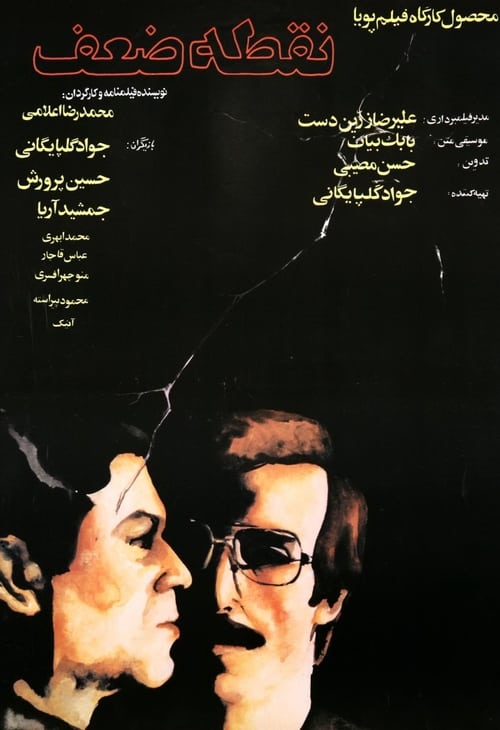
Before getting to the security office, the culprit is set up and left alone with his interrogator for an hour so that maybe they could get the information they need. That hour they spend together means something different to each of them and they both glimpse at their different stages of life in one day and live their lives backwards. The two men stroll in an unknown city and come to their young days. The time ends. The interrogator who’s been impressed by the culprit, tries to get him back to life and since he doesn’t succeed in doing so, he goes mad.