Acting
Os Trapalhões was a Brazilian comedy group and also a Brazilian television series created by Wilton Franco. Its members were Dedé Santana, Zacarias, Mussum and their leader Didi Mocó, that was played by Renato Aragão. The name Trapalhões is derived from the Portuguese verb atrapalhar, which means the opposite of helping, to do something the wrong way or to Those that confuse. The name is translated "Tramps" in English DVD subtitles. It was aired by Rede Globo from 1977 to 1999. On March 18, 1990, Zacarias died due to respiratory failure, but the group and the series didn't come to an end until July 29, 1994, when Mussum died due to an unsuccessful heart transplant.
No description available.
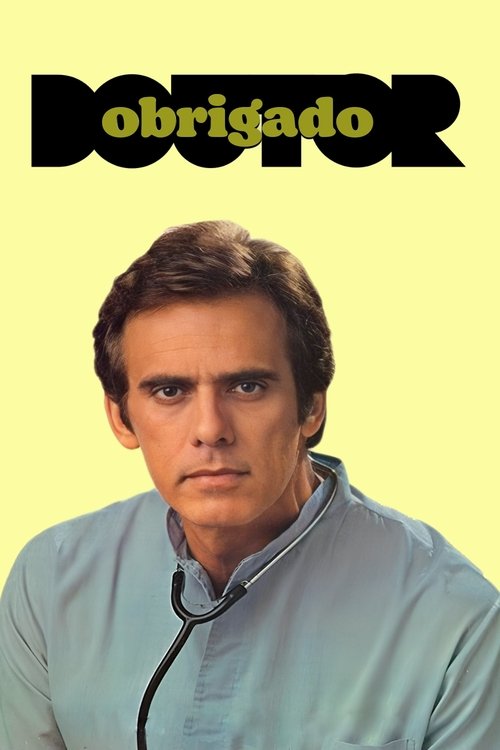
Romantic and dreamy, Eliana works at a five-star hotel and becomes involved with unrequited love, a bumbling gang, and a complex police story.
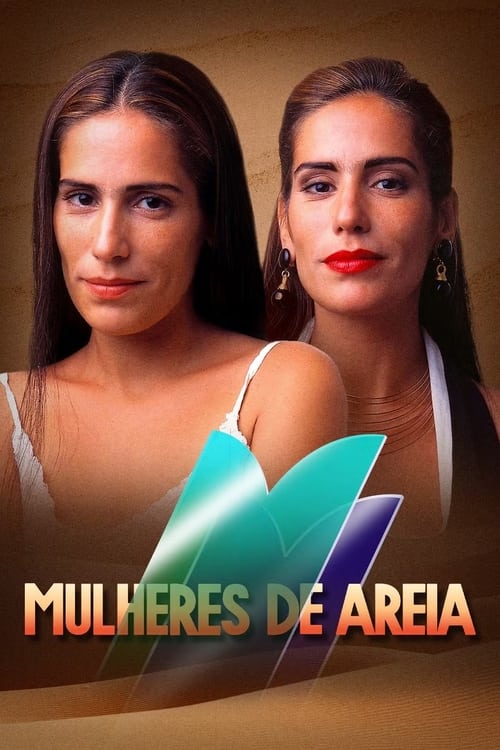
Twin sisters with contrasting personalities, Ruth and Raquel, rival in the fictional Pontal D'Areia, on the coast of Rio de Janeiro.
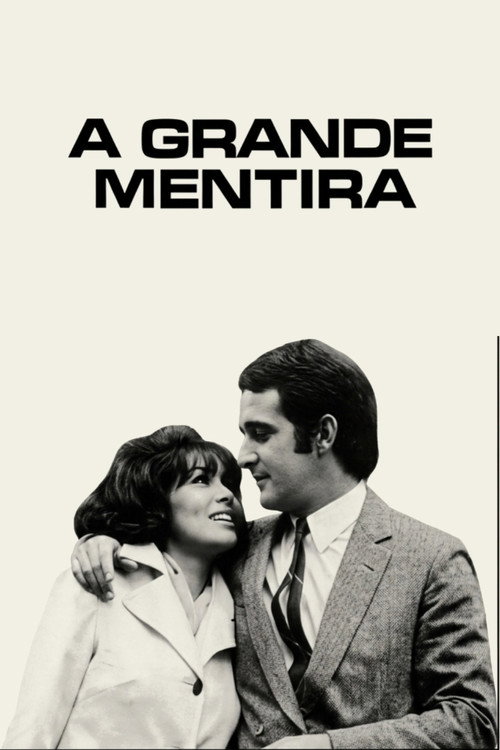
César, a sugar mill owner in Pernambuco, lives in Rio de Janeiro with his wife Maria Luiza and daughters, Débora and Suzy. One day, tired of his life, he decides to fake his own death and assume another identity. César does this with the help of França, the financial director of the sugar mill – which also belongs to Alaor. César and França stage a car accident, plunging off Avenida Niemeyer in Rio and disappearing into the sea. César leaves Alaor on the verge of bankruptcy and Maria Luiza and the two girls in poverty, completely transforming their lives.
After an accident, Marcela arrives in SĂŁo Paulo and decides to assume a new identity. Torn between love, she plunges into a world that is not her own.
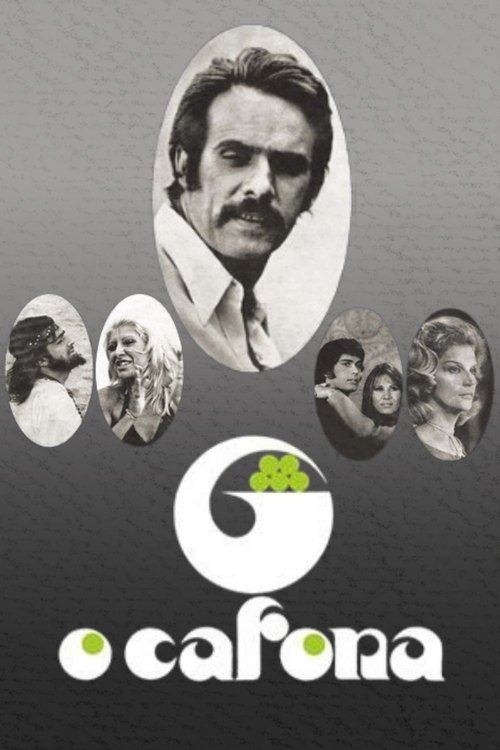
Serafina is a romantic young woman who dreams of experiencing great love. Claude is a wealthy businessman who is in the country illegally. The two make a deal that will transform their lives.
Cousins ​​Charlô and Otávio once had a romance, but today they detest each other. However, fate plays a trick on them: they will receive a large inheritance, on the condition that they live together.
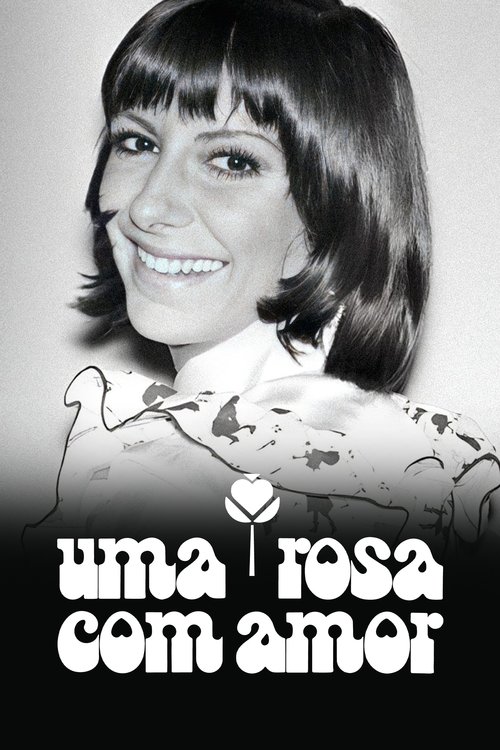
Millionaire Roberto Albuquerque runs over Maria Cristina, and the two fall in love. But the young man's mother, Viridiana Albuquerque, disapproves of the relationship because the girl is poor. In the final chapters, already driven mad, Viridiana sets her own dress on fire.
The cheerful and outgoing Jordana lived alongside Silas for 20 years, helping him become wealthy. Despite this, he abandons her to run away with the opportunistic Carla. After the separation, Jordana faces financial difficulties. She then meets Dona Mena, an eccentric and lonely old woman abandoned by her family. Jordana takes care of Dona Mena and, when she dies, inherits four bronze cupids containing a million dollars. The problem is that the cupids disappear without a trace. The cupids become the subject of a fight between Dona Mena's nephews, Loreta and Carlito. The two are the villains of the story. Jordana, however, ends up falling in love with Carlito. In the final chapters, Jordana manages to recover the cupids and rebuild her life. She has the help of her friend Vieira.
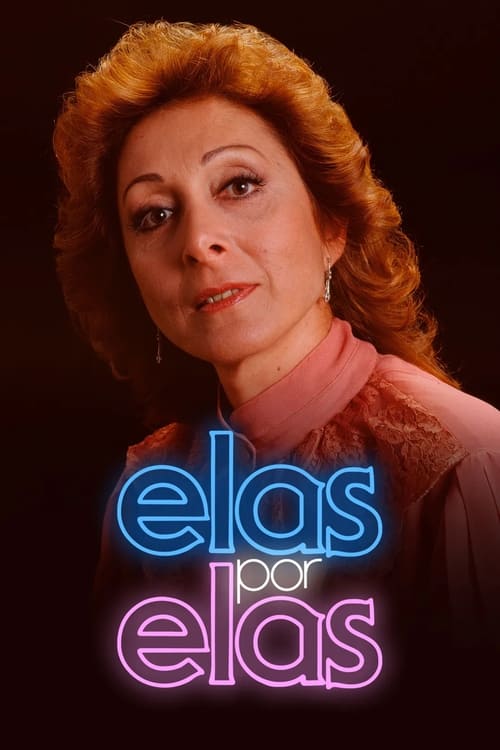
Seven high school friends reunite after 20 years. Memories of the past and coincidences of the present reveal the secrets and affections that bind the women and their families.
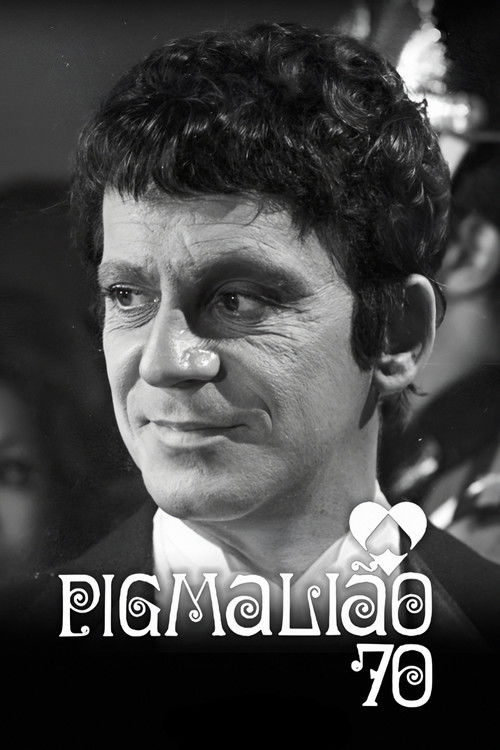
The soap opera told the story of Fernando Dalba, or Nando, a fruit vendor who works with his mother, the Baroness, and his friends Gino and Guiomar. His life changes after he meets the wealthy widow Cristina GuimarĂŁes, owner of a beauty salon, who decides to teach him how to behave like a man of high society. Cristina's intention is to win a bet, but she falls in love with Nando, who is engaged to Candinha.
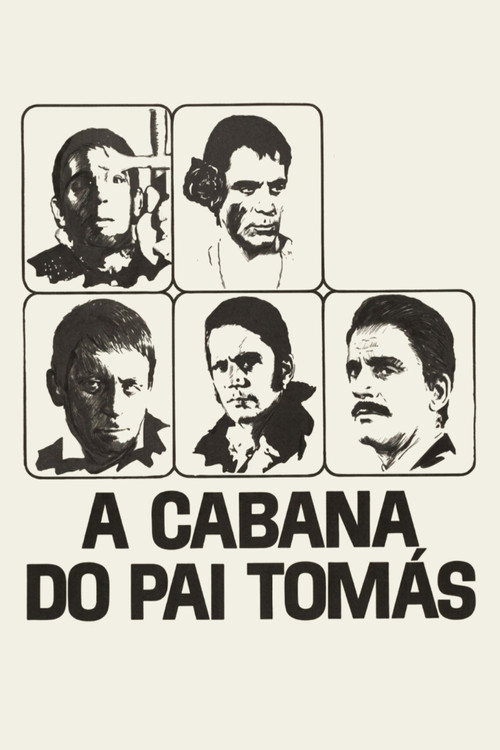
The story, inspired by Harriet Beecher Stowe's novel of the same name – which fueled the abolitionist movement in the United States – depicts the conflict between enslaved American cotton planters and wealthy landowners in the South. The fight for freedom is led by Uncle Tom and his wife Chloe.