Production
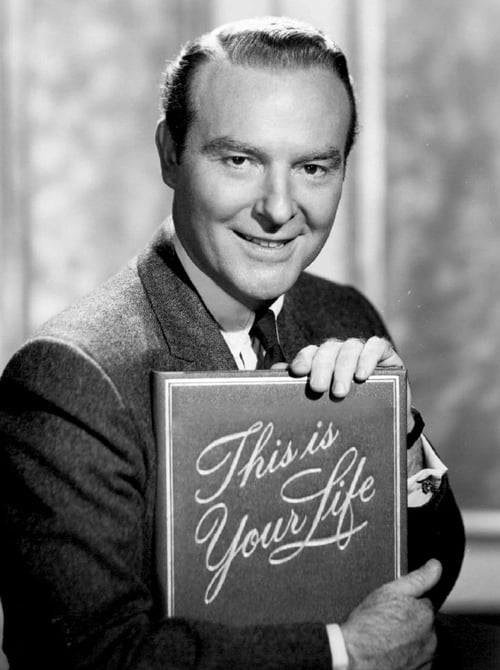
This Is Your Life is an American television documentary series broadcast on NBC, originally hosted by its producer, Ralph Edwards from 1952 to 1961. In the show, the host surprises a guest, and proceeds to take them through their life in front of an audience, including special guest appearances by colleagues, friends and family. Edwards revived the show in 1971-72, while Joseph Campanella hosted a version in 1983. Edwards returned for some specials in the late 1980s, before his death in 2005. The show originated as a radio show on NBC Radio airing from 1948 to 1952.
A tale of the World War I love affair, begun in Italy, between American ambulance driver Lt. Frederic Henry and British nurse Catherine Barkley. Eventually separated by Frederic's transfer, tremendous challenges and difficult decisions face each as the war rages on.
Dr. Henry Jekyll believes that there are two distinct sides to men: one that is good and one that is evil. He believes that by separating the two, man can become liberated. He succeeds in his experiments with chemicals to accomplish this and transforms into Hyde to commit horrendous crimes. When he discontinues use of the drug, it is already too late.
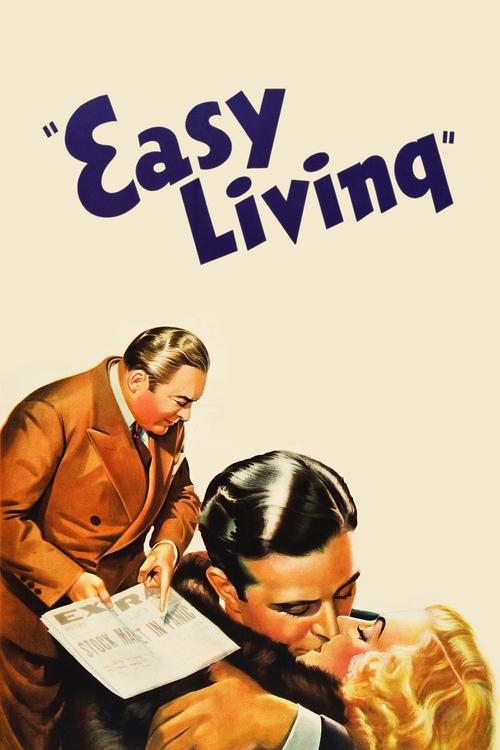
J.B. Ball, a rich financier, gets fed up with his free-spending family. He takes his wife's just-bought (very expensive) sable coat and throws it out the window, it lands on poor hard-working girl Mary Smith. But it isn't so easy to just give away something so valuable, as he soon learns.
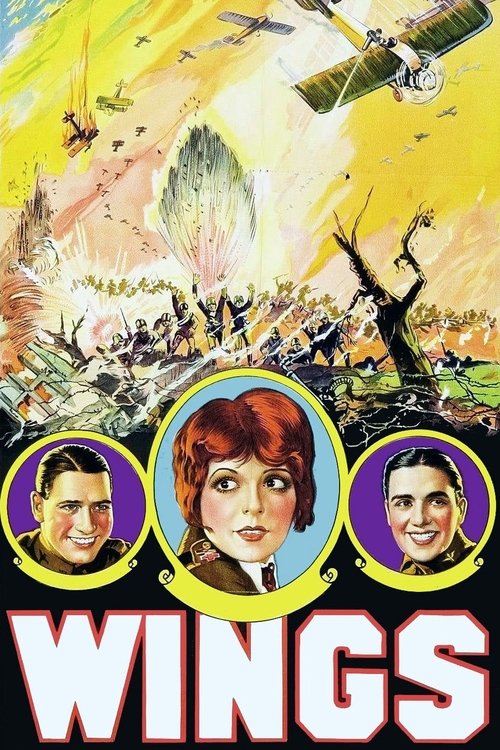
Two young men, one rich, one middle class, both in love with the same woman, become US Air Corps fighter pilots and, eventually, heroic flying aces during World War I. Devoted best friends, their mutual love of the girl eventually threatens their bond. Meanwhile, a hometown girl who's the lovestruck lifelong next door neighbor of one of them pines away.
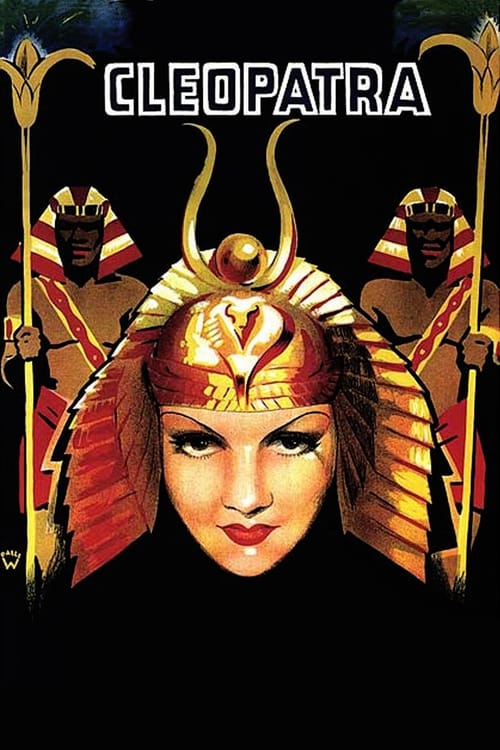
The queen of Egypt barges the Nile and flirts with Mark Antony and Julius Caesar.
A Swedish princess boards an ocean liner in Europe en route to an acting career in America and finds herself getting inconveniently attached to a bandleader returning home. To complicate matters, a blackmailer on board apparently knows she is not who she claims to be - and he has his sights set on other passengers with secrets of their own. In the meantime an escaped killer has stowed away under someone else's identity, and is killing again to cover his tracks; five international police detectives on board are heading the investigation to find him. When evidence points to the princess and bandleader, they must find the killer themselves - before he finds them.
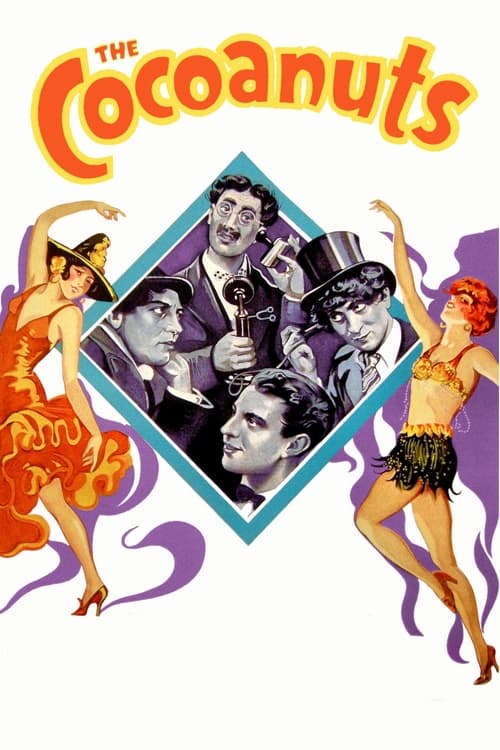
During the Florida land boom, the Marx Brothers run a hotel, auction off some land and thwart a jewel robbery.
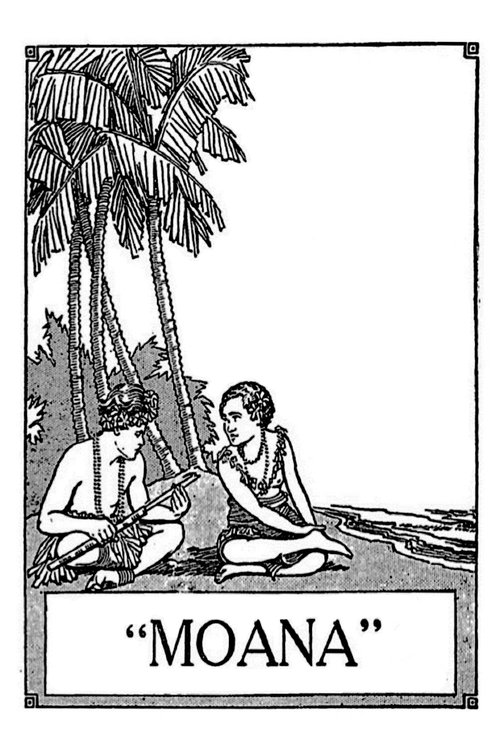
Robert J. Flaherty’s follow-up to Nanook of the North shifts from the Arctic to the South Seas, portraying Samoan village life with a painterly eye. Blending ethnographic detail with a romanticized “Gauguin idyll,” the film celebrates daily rituals, communal traditions, and the passage into adulthood, suffused with what Flaherty called “pride of beauty, pride of strength.”
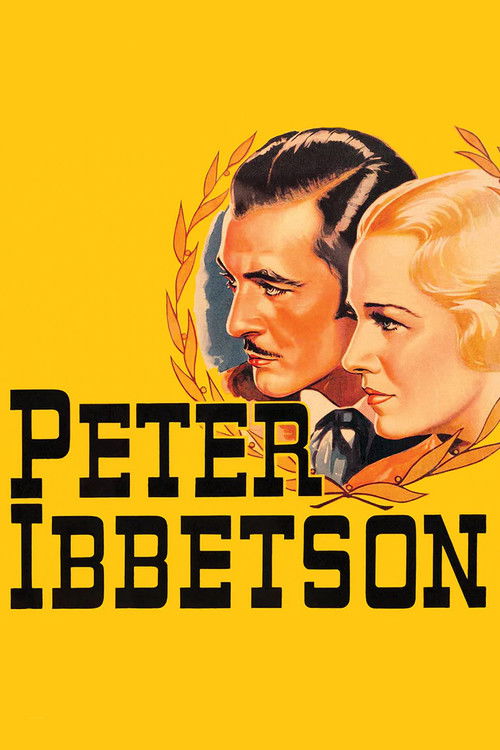
When his mother dies, young Peter Ibbetson leaves Paris and his best friend, Mary, behind to live with a severe uncle in England. Years later, Peter is an architect with little time for women, until he begins a project with the Duke and Duchess of Towers. When Peter and the duchess become great friends, she reveals that she is Mary — but the duke soon suspects his wife of infidelity and challenges Peter to a duel, threatening the pair's second chance.
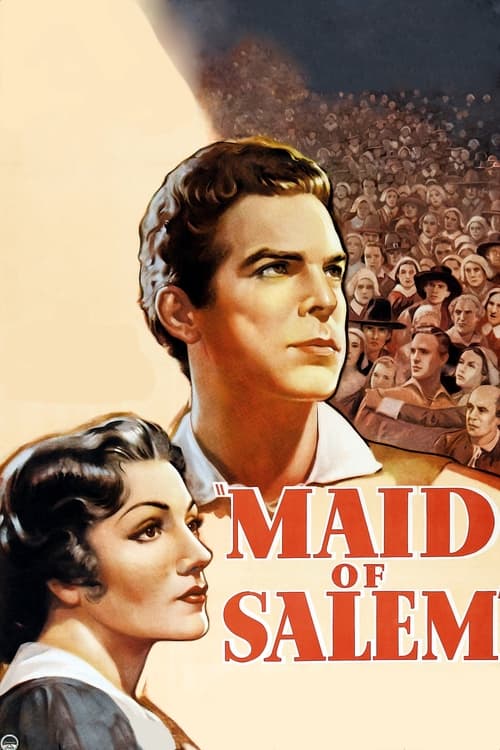
When a young woman named Barbara Clarke has an affair with adventurer Roger Coverman, it causes a scandal in the Puritanical town of Salem, Massachusetts. After a meddling girl arouses their suspicions, the town's elders accuse Barbara of being a witch. She is tried, convicted of sorcery and sentenced to death. As the townspeople prepare to burn Barbara at the stake, Roger tries desperately to save the woman he loves.
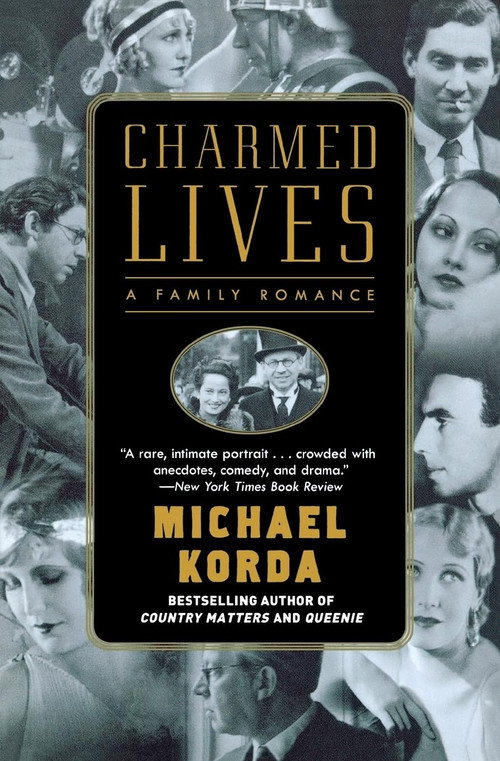
Sir Alexander Korda, one of the world's most flamboyant movie tycoons, rose from obscurity in rural Hungary to become a legendary filmmaker. With him were his brothers, Zoltan and Vincent, all living charmed lives in circles that included Vivien Leigh, Sir Laurence Olivier, Marlene Dietrich, H.G. Wells and Merle Oberon, who was soon to be Alex's wife. But along with Alex's flair for success lies an equally powerful impulse for destruction.
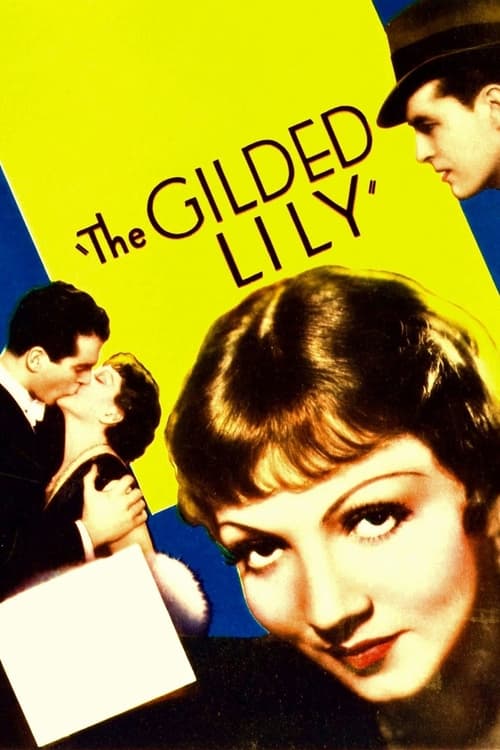
Secretary Marilyn David falls in love with British aristocrat Charles Gray, to the dismay of her best friend, reporter Peter Dawes, who secretly loves her. When Peter learns that the already-engaged Charles has hurt Marilyn, he fabricates an article casting her as the "No Girl" who refused to marry a callous aristocrat. But when the publicity brings Marilyn unexpected fame, and Charles returns, she is forced to choose between the two men.
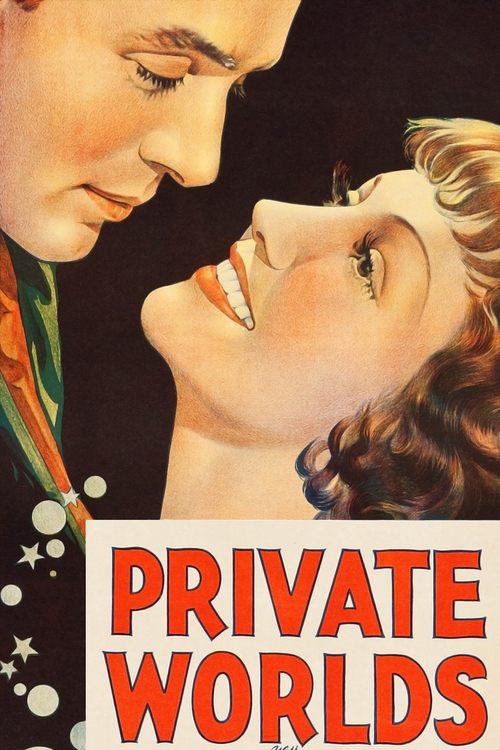
At the Brentwood Asylum for the mentally ill, psychiatrist partners Jane Everest and Alex MacGregor are broken up by the new superintendent, Dr. Charles Monet, who has a low regard for women physicians. Jane and Charles clash on patient treatment, and Jane learns that Charles has a sister, Claire, with a mysterious past.
A wanted-fugitive, called "Nevada," is wounded by a pursuing posse of lawmen, and is left to die on the desert by his companion, Bill Hall. He is rescued by a young rancher, Ben Ide, who is in love with Ina Blaine, daughter of a neighboring rancher. While "Nevada" is recovering, he and Ina fall in love but, through his loyalty to Ben, he sends her away. Going home, Ina falls into the clutches of Bill Hall, now heading a gang of rustlers, but the real leader is Les Setter who is posing as an honest rancher, and he has designs on Ina himself.
A young flapper tricks her childhood sweetheart into marrying her. He really loves another woman, but didn't marry her for fear the marriage would end in divorce, like his parents'. Complications ensue.
A young American girl in Paris falls in love with a handsome nobleman, but he is about to wed in an arranged marriage. She hatches a plan to overcome that obstacle and get her man.
Mr. Morris, the owner of a large metropolitan department store, gives jobs to paroled ex-convicts in an effort to help them reform and go straight. Among his 'employed-prison-graduates' are Helen Roberts and Joe Dennis, working as sales clerks. Joe is in love with Helen and asks her to marry him, but she is forbidden to marry as she is still on parole, but she says yes and they are married. In spite of their poverty-level life, their marriage is a happy one until Joe discovers she has lied about her past, in order to marry him. Disillusioned, he leaves, goes back to his old gang and plans to rob the department store.
Someone is murdering the cast and crew of a new Hollywood movie, and the leading lady may be next. As a police detective locks down the lot and refuses to let anyone leave, the studio’s publicity head and his secretary attempt to solve the murders themselves.
Rubber-legged comedian Leon Errol made his talkie starring bow in Paramount's Only Saps Work. Based on a play by Owen Davis Sr., the film casts Errol as James Wilson, a kleptomaniac who starts with picking pockets and ends up robbing a bank. Wilson's friend Lawrence Payne (Richard Arlen) inadvertently aids our hero during one of his heists, ending up in deep doo-doo with the law. Before Wilson is able to extricate Payne from his dilemma for the sake of heroine Barbara Tanner (Mary Brian), he pauses long enough to pose as a private eye -- and even gives bellboy Oscar (Stu Erwin) tips on how to spot a crook! If only all of Leon Errol's feature films had been as consistently hilarious as Only Saps Work.