Acting
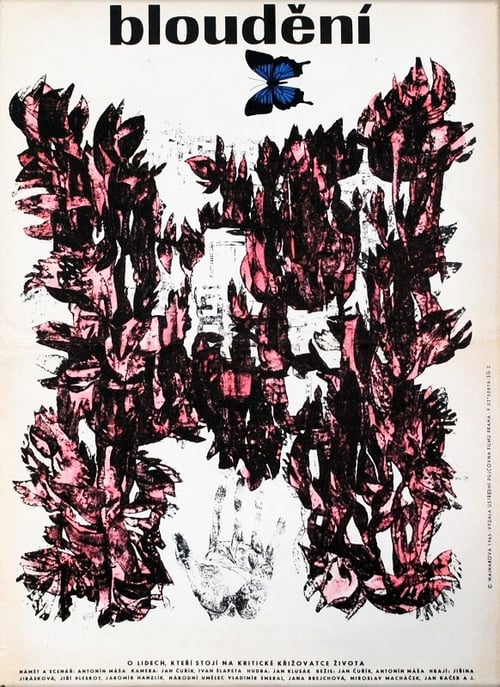
Michal's father and his friends are stigmatized by their war experience and the post-war social deformations in which they took part either directly, or watched them cowardly and in silence. They are trying to repress their feelings of guilt and justify their behavior to the young generation with memories of their heroic war feats. Michal, however, does not want to have anything to do with their problems. He subconsciously perceives the unpleasant atmosphere in the family as well as his father's hypocrisy. After one of many quarrels with his father, he runs away from home, determined to go his own way.
No description available.
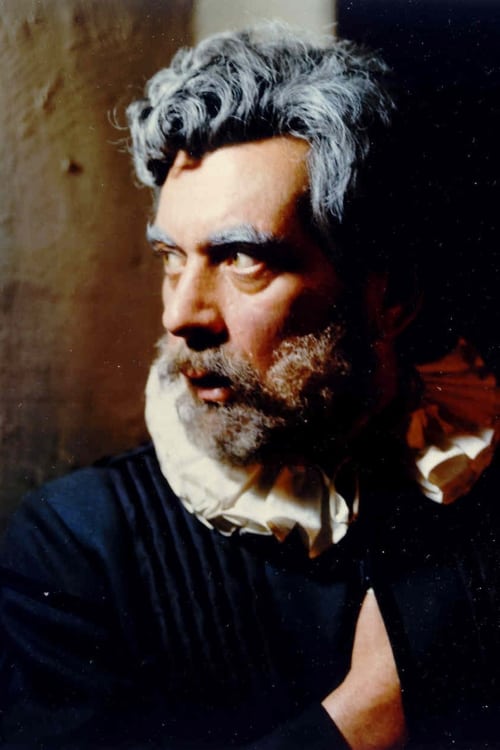
Series about the life of Renaissance anatomist, scholar and politic Johannes Jessenius. Already legendary series today, was produced by Czechoslovak Television Bratislava, directed by Slovak director Miroslav Luther in the first half of 80's in Barrandov Studios in Prague. The story and screenplay of the series wrote Czech writer Vladimír Körner. Five-episodes epic historical narration is a biographical story of distinguished Renaissance scholar, anatomist and politic of Slovak origin, Johannes Jessenius (Ján Jesenský, 1566–1621). It displays his life from the first studies and successes. In 1594 he became professor of surgery and anatomy on Wittenberg University, which he had attended years before. From that moment, his life went through social and personal wins and losses, to the sad end on the Prague Old Town Square gallows, among 27 noblemen, knights and burgenses, after lose Bohemian Revolt in 1621. His destiny was coupled with key events of Czech history in the break of 16th and 17th century, when Renaissance and European humanism slowly fade out.
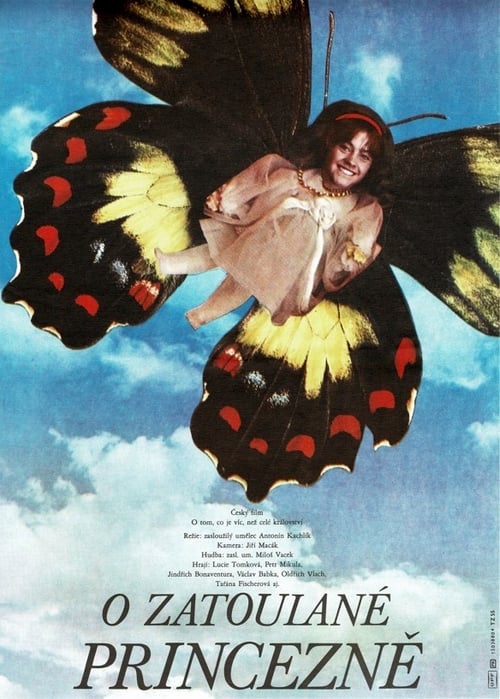
Let's go to the kingdom, where a ball is being held, where the most beautiful prince is to get engaged to the richest princess. But he only thinks about himself, and she only thinks about what she owns. However, at the engagement party, the irresistible dancer Juanita appears, flatters the prince, and the two flee the castle together. But before that, the prince sends the Wise Man to prison for creating a statue of him out of stone instead of gold. The Wise Man's daughter decides to ask the prince for her father's freedom. The Wise Man brings the prince's statue to life so that it can rule for him. And the two meet...
At the beginning was the Slovak television series Lekár umierajúceho czasu (Doctor of Dying Time), dedicated to the Rudolphine-era scientist Jan Jesenius. He ended up on the scaffold along with other gentlemen after losing the anti-Habsburg uprising. When director Miloslav Luther conceived the idea of making an abridged version of the footage for cinema, he had to not only rebuild the storyline but also dub it into Czech. However, the result was only an illustrative puzzle, describing the various stages of the hero's turbulent life.
Getting out of prison doesn't mean being free. After the bloody suppression of the Prague Revolution in 1848, one of its participants, the writer František Vinický, spent eight years in prison. Returning to Prague in 1857, he tries to make contact with his former friends. The main one is his former comrade-in-arms Antoš. Of course, the man's steps also lead him to his former love Ida, who has been married to the councillor Mayer for several years. Vinicky is followed at practically every turn by the secret police, who will not allow him to get a decent job, let alone publish his new book. Police Councillor Berger makes it clear to the writer that a lot could be arranged if Vinicky would commit to cooperating...
After their young daughter dies suddenly from a viral infection, Marie and Petr struggle to cope with the silence and emptiness left in their apartment. The couple drifts apart as Marie sinks into deep isolation while Petr attempts to distract himself through work and social interactions. Eventually, they decide to try for another child in an effort to move forward and rebuild their fractured relationship.
The theatre director encounters the disinterest and irresponsibility of the acting troupe, whose members are scheming and looking for side income. The tired and sick artist wants to finish his work at any cost.
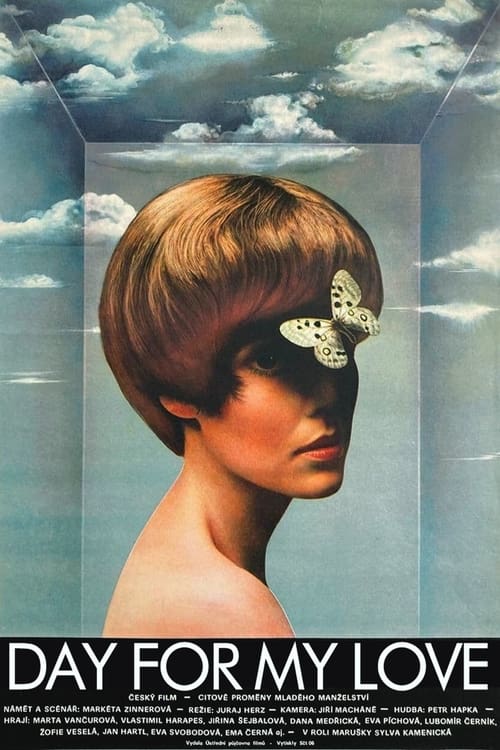
Young script-writer Frantisek (Petr Cepek) is hired to write a film script based on the successful novel Looking Back. He meets with the novel's female author, a University professor and writer named Olga Machová (Jirina Trebická), approximately ten-years-older than him. In the beginning, they do not understand each other at all. Frantisek is a skeptic experiencing a moral crisis, unsatisfied with both his work and his private life - he lives separated from his wife and has no deeper feelings for his numerous lovers. He even gets drunk from time to time and breaks the public peace. Olga is lonesome, too, but considers her life fulfilled.
The hero of the story is a forty-something intellectual, a sensitive composer of classical music. His exclusive profession, his work, which is actually incomprehensible to those around him, and his deep inner passion set him apart from the conformist milieu. Therefore, he tries to search for the "lark's silence" - a new strength, purity, truth, essence and roots of Czechism. However, on his return from the oppressive, alienated big city to his native village, to his former home, to nature, a deep disillusionment awaits him: he discovers that the once idyllic village has lost not only its face, but also any manifestation of spiritual life in its foolish attempt to resemble the city.
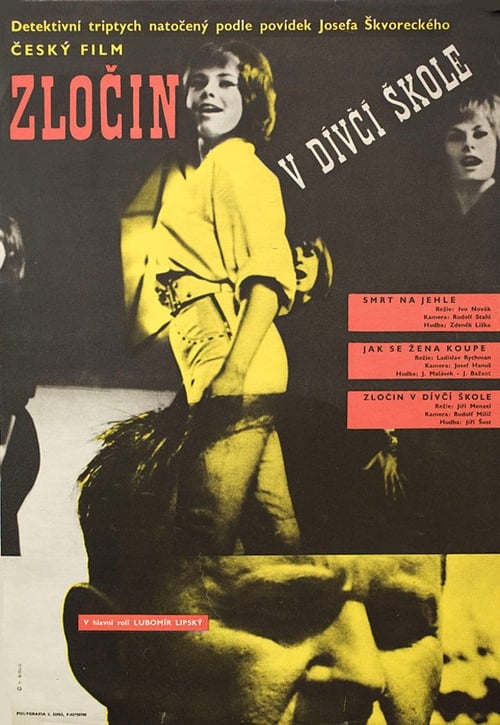
Three short story omnibus. The main hero and connecting link is Lieutenant Boruvka, created by Lubomír Lipsky. He deals with the murder case between climbers, the death of the dancer in the music theater and the strange disappearance of the mathematics professor.
Based on an autobiographical novella by Ivan Olbracht, the film tells the story of Hanele Safarová, who grows up just after the First World War in a little Ruthenian schtetl which, in true Hassidic fashion, awaits the arrival of the Messiah. But Hanele decides to follow the Zionists instead. She moves to the city to prepare for her departure to the Promised Land, where she meets a successful businessman named Ivo Karadzic, who has renounced Judaism to become a free-thinker. Their love for each other doesn’t only drive Hanele’s parents to distraction, it also threatens to destroy the entire community in the schetl.
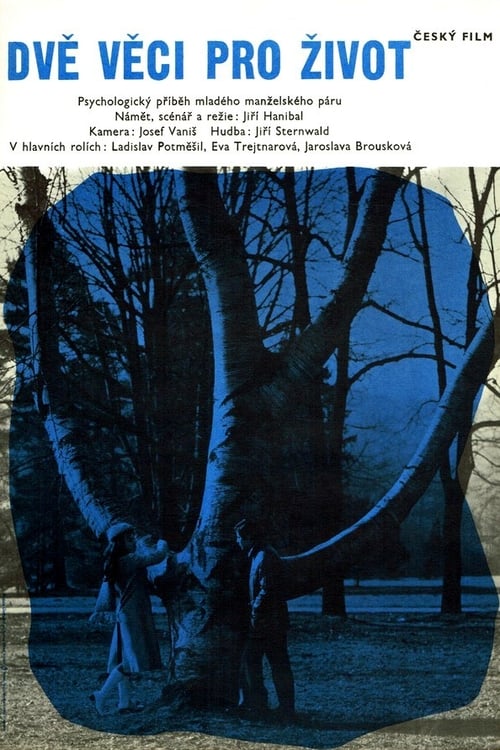
After returning home from the army, Vasek (Ladislav Potmesil) has married Bozka (Eva Trejtnarová) and the couple now live at her parents' house. Vasek is unhappy both with his work and with sharing the house with Bozka's parents. He and his friend Ruda (Oldrich Vlach) decide to take a temporary job in Ostrava for a year. Bozka is against this, but Vasek gets his way. Mining is hard work but Vasek gradually adapts to it. He gets homesick from time to time and wants to go back, but his pride always wins out. Once he really does travel back to see Bozka, but he doesn't find her at home.
The common theme of the short story film is the famous duels between two important historical figures: Pushkin and Casanova. Pushkin's tragic duel, which ended his life prematurely, is portrayed in connection with the creation of his short story "The Dirty Shot", while Casanova's story is conceived in a rather ironic and humorous way. The point is that the famous seducer never actually seduced, on the contrary, all his life he was in a constant battle with female seductions.
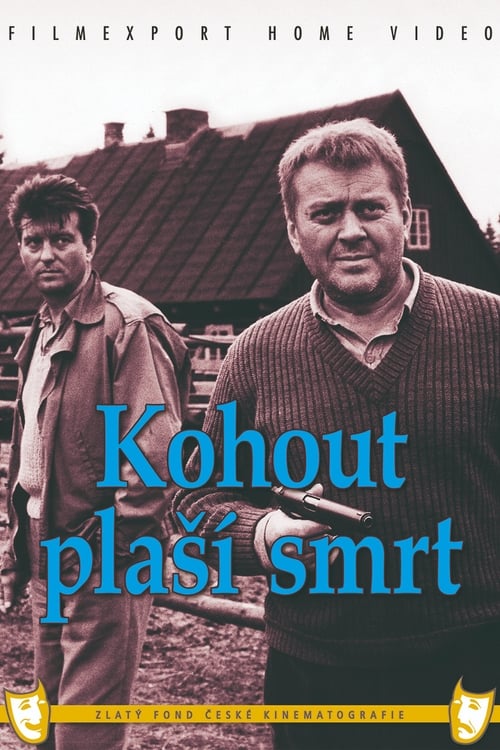
A group of saboteurs search for a weapons cache hidden by the Nazi army. Beskydy in the summer of 1950: the StB agent Borek infiltrates a group of saboteurs hidden in the Beskydy mountains. They are preparing terrorist actions against the ongoing collectivisation in the village. The group is led by Ervín Kopal and Metud Hanák. Borek is to make contact with them, secure the saboteurs and discover a weapons depot. After many dramatic events, the task is accomplished, but at the highest cost...
Princess Julia doesn't want to marry an old prince Hubert so she runs away from home. She meets two old magicians and join the circus, where she meets lovely Franta Kuldan and evil devil performer.