Directing
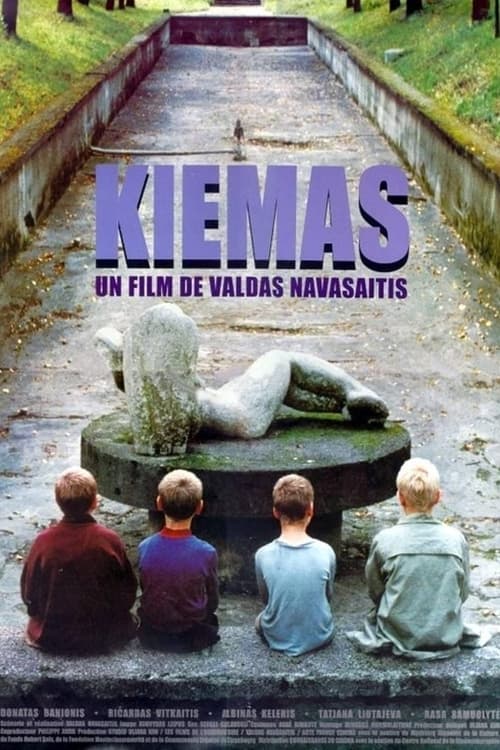
The first feature of Lithuanian Valdas Navasaitis is a drama which unravels the hopeless 1970s, when people were deprived of their roots and forced to sit and watch their lives slip from their fingers. In a decrepit house that once belonged to a bourgeois family, several families seek shelter. Senis, a 65-year-old alcoholic, lives on the ground floor with his wife and their 16-year-old daughter. Senis is a survivor of the Nazis as well as the communist camps. He drowns the pain of his memories in a nearby pub and in talking to a depressed young laborer, Lorenca. Later on, a young couple and a lonely eccentric who enjoys only his cat's company join the inhabitants. Children wile away the time with useless games or spying on adults. When Lorenca hangs himself at the ruins of a nearby factory, the lives are shaken up. During the dinner held for the deceased, they find a moment of common hope.
An ironic story about the unpredictability of human existence. The heroes of the film: two bloated grandmothers riding a velomobile, a young photographer capturing moments of sadness and joy, and his new acquaintance, a beautiful girl. Grandmothers think about impending death, young people - about eternal love. Unfortunately, not everything in life can be predicted in advance.
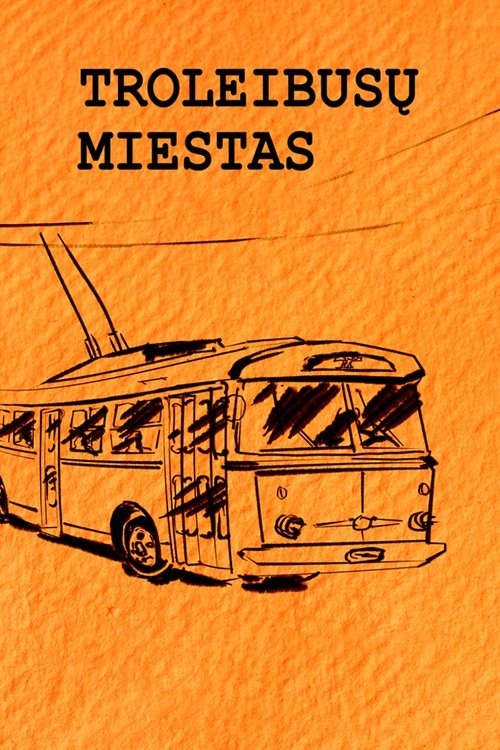
The documentary reveals the relationship between Vilnius public transport ticket inspectors and freeride passengers and at the same time it comments on our own daily rut, unfulfilled dreams and desire of a better life.
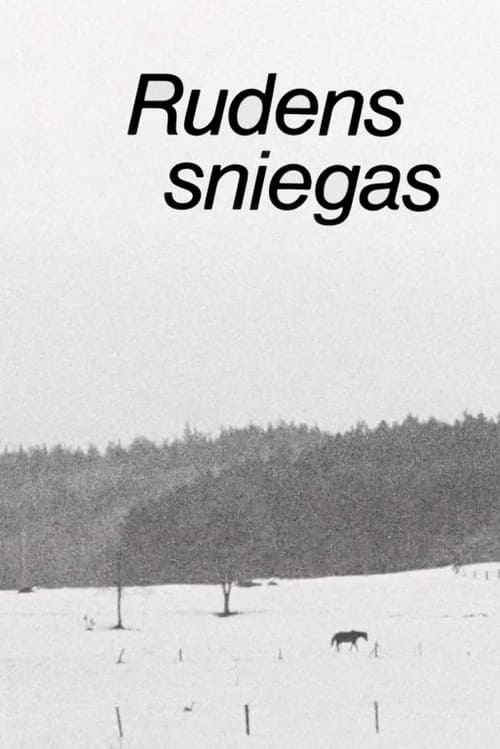
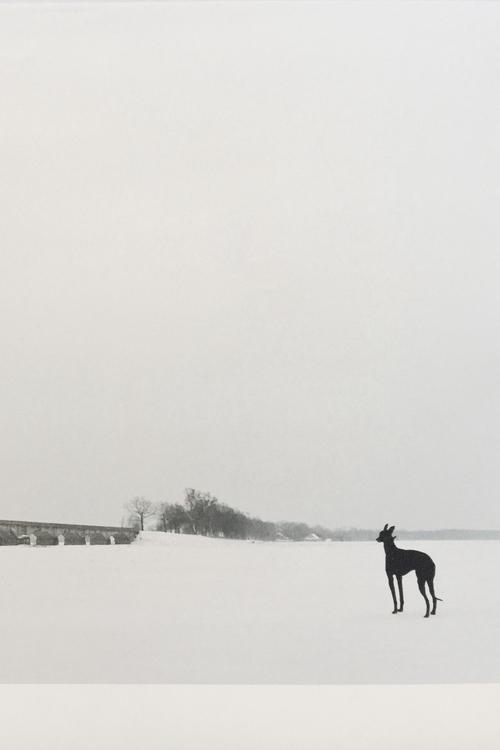
The first autumn snow is falling. At the same time a man passes away. Death comes with the beginning of winter.
Vulkanovka is a poor village in Crimean steppe, as local people say, forgotten by God and by people. Nonetheless that place came very much alive when famous Lithuanian film director Sharunas Bartas crew stayed here for almost two years filming Seven Invisible Men. Most of local people helped filmmakers a good deal. But the Grand Cinema left and probably won’t come back. So the life of Vulkanovka returned to its usual routine. But it’s not for everyone. Film director Giedre Beinoriute with her crew came to Vulkanovka nine months later. In her documentary people speak about their “cinematographic” experience with great enthusiasm. They tell about how it was and how it was different from their earlier understanding about filmmaking. Different moods and people’s openness in the film are interwoven into daily life of Vulkanovka with its rituals of caws’ feeding, shopping in the only shop “Produkty”, collecting metal and other.
The film is a portraiture of an old farmer at work doing his daily chores in an area that is completely flooded. The situation is catastrophic, but for the man it is only one of the many floods he has experienced in his life.
Ron has lost his job and watched his family fall apart. He spends his days at the club of his childhood friend, Adi, where he plays cards for money. It is springtime. He meets Dina, an old friend of Adi. They quickly become close, start playing as a team, and move in together. One evening, Ron loses all his money at the tables, gets drunk and is thrown out by Adi’s bodyguards. Dina takes advantage of the turmoil to steal from Adi. She convinces Ron to skip town. The two hide out in a fishing village. It is autumn. Ron and Dina discover that they know nothing about each another. They are strangers who can’t so much as look into each other’s eyes much less tell each other the truth.
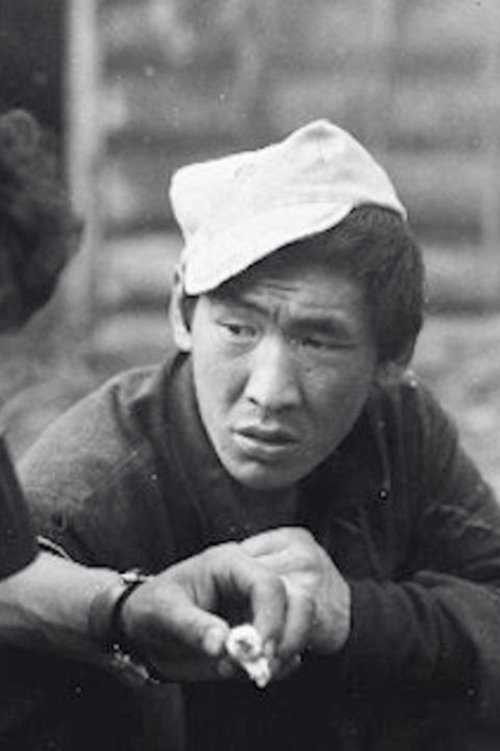
A short documentary about a small Tofalar nation living in the remote lands of Siberia.