Writing
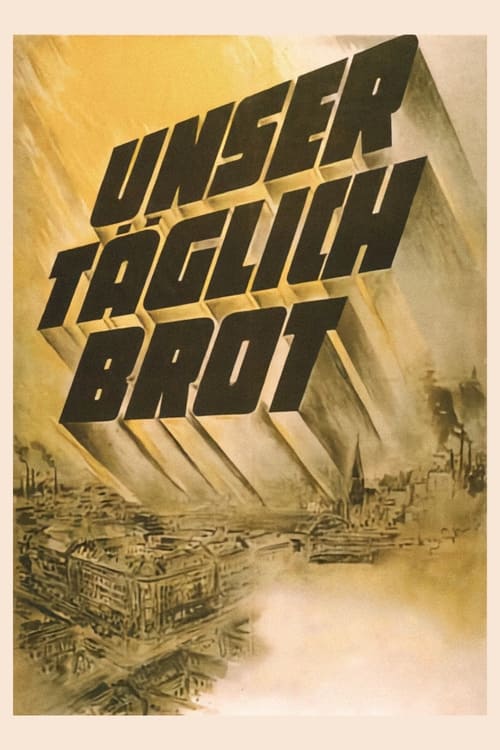
A story about a family after the Second World War. The petty bourgeois cashier Karl Weber of Berlin observes from a distance how his son Ernst participates in the building of a new socialist society. Karl does not understand Ernst's visions, instead he confides in his other son Harry. However, Harry becomes involved in illicit business and Karl quickly realizes that it would be best to join his son Ernst in the citizen-owned factory.
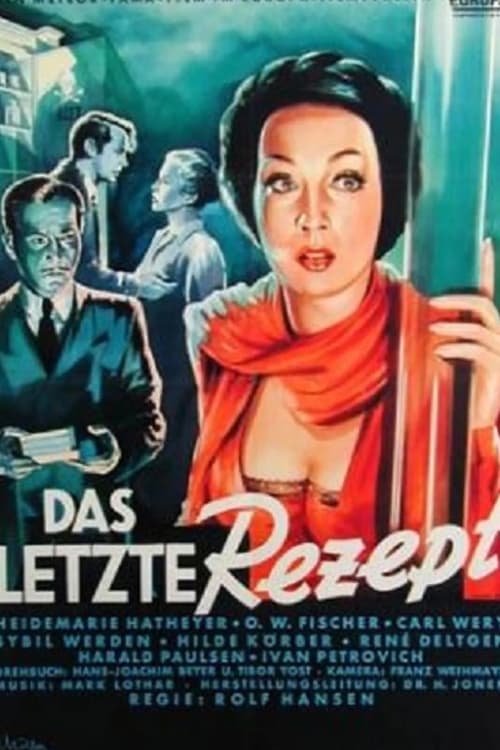
A drug-addicted ballerina seeks morphine during the Salzburg Festival, nearly ruining pharmacist Hans Falkner’s marriage to Anna. A doctor prescribes a lethal dose of morphine to the ballerina, but Anna, tempted to eliminate her rival, ultimately chooses morality and administers the correct dose.
Young Beatrice has trained as a dancer against her father's wishes. At the circus, she meets the famous tamer Ruda and falls in love with him. But the next day, Ruda disappears with the circus. Beatrice gets a new engagement with another circus and makes a career as a dancer among live tigers.
The farmers on the Lohhof, the largest farm in the area, are well known all around and have the highest prestige amongst their peers, not the least, because they never suffer any shortage of water. When in times of drought the water everywhere else has dried into nothingness, the water on the Lohhof is abundant and fresh. But one very dry summer, the drought comes to the Lohhof, too, and this time, the source of the water has dried up. And so, with diving rod in hand, one of the farm's old peasants goes on his merry little way to find a new source of water. At one point, the diving rod bends so strongly, that it almost slips out of the old man's hands. Convinced that there must be a huge source of water nearby, all the farmers of the Lohhof bend their backs to find the new well. They dig long, but they dig in vain: no water is found, only a strange sand, which is yellowish, shiny and flickers golden in the sun.
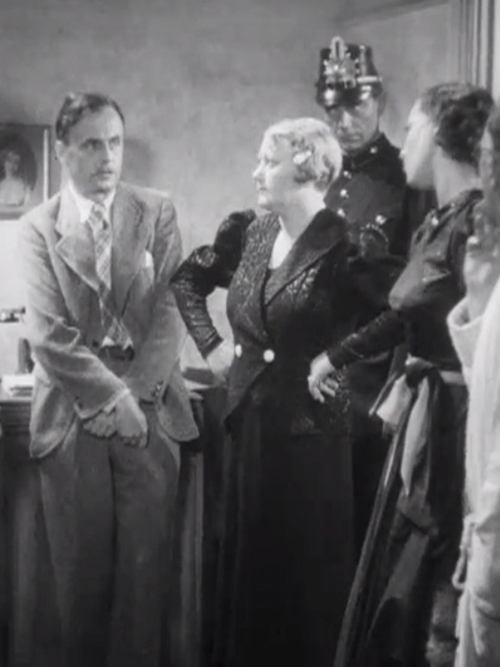
An unknown curiosity even for experts, this is a film from the late work of the director of the classic films Mother Krause's Journey to Happiness (1929) and Berlin, Alexanderplatz (1931). Although the communist Philipp Jutzi readily switched sides to the new rulers of Germany after the change of regime, the Goebbels administration did not forget his past. At first, he was allowed to make feature films for two more years (including The Cossack and the Nightingale with Jarmila Novotná, 1935), then only short films, such as this detective story with an educational mission.