Directing
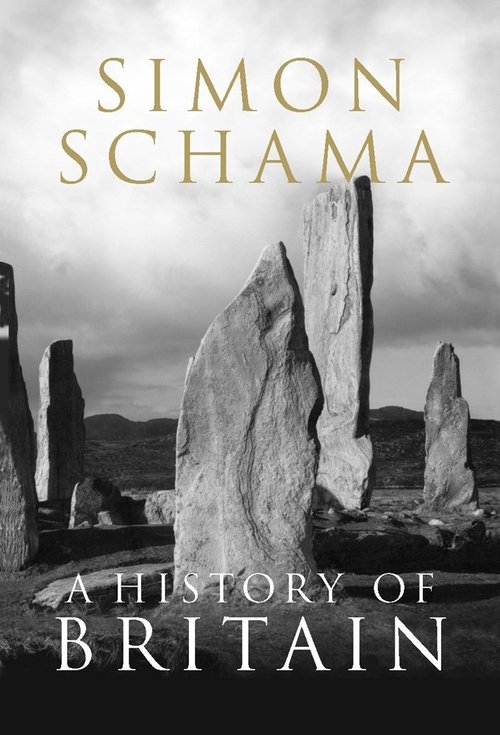
Stretching from the Stone Age to the year 2000, Simon Schama's Complete History of Britain does not pretend to be a definitive chronicle of the turbulent events which buffeted and shaped the British Isles. What Schama does do, however, is tell the story in vivid and gripping narrative terms, free of the fustiness of traditional academe, personalising key historical events by examining the major characters at the centre of them. Not all historians would approve of the history depicted here as shaped principally by the actions of great men and women rather than by more abstract developments, but Schama's way of telling it is a good deal more enthralling as a result. Schama successfully gives lie to the idea that the history of Britain has been moderate and temperate, passing down the generations as stately as a galleon, taking on board sensible ideas but steering clear of sillier, revolutionary ones. Nonsense. Schama retells British history the way it was--as bloody, convulsive, precarious, hot-blooded and several times within an inch of haring off onto an entirely different course. Schama seems almost to delight in the goriness of history. Themes returned to repeatedly include the wars between the Scots and the Irish and the Catholic/Protestant conflicts--only the Irish question remains unresolved by the new millennium. As Britain becomes a constitutional monarchy, Schama talks less of Kings and Queens but of poets and idea-makers like Orwell. Still, with his pungent, direct manner and against an evocative visual and aural backdrop, Schama makes history seem as though it happened yesterday, the bloodstains not yet dry.
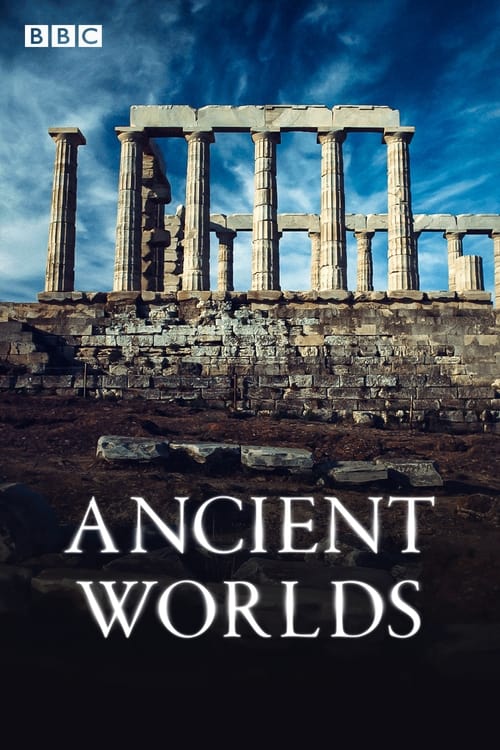
Archaeologist and historian Richard Miles traces the development of Western civilization, from the first cities in Mesopotamia to the fall of the Roman Empire. In this six-part series, Miles travels through the Middle East, Egypt, Pakistan and the Mediterranean to discover how the challenges of society -- religion and politics, art and culture, war and diplomacy, technology and trade -- were dealt with and fought over in order to maintain a functioning civilization. Stories are told of disappeared, ruined and modern cities, from ancient Iraq to modern Damascus, to reveal how successes and failures of the ancients shaped the world today.
Documentary series exploring the history of photography - from daguerreotype to digital, from portraits to photo-journalism, from art to advertising.
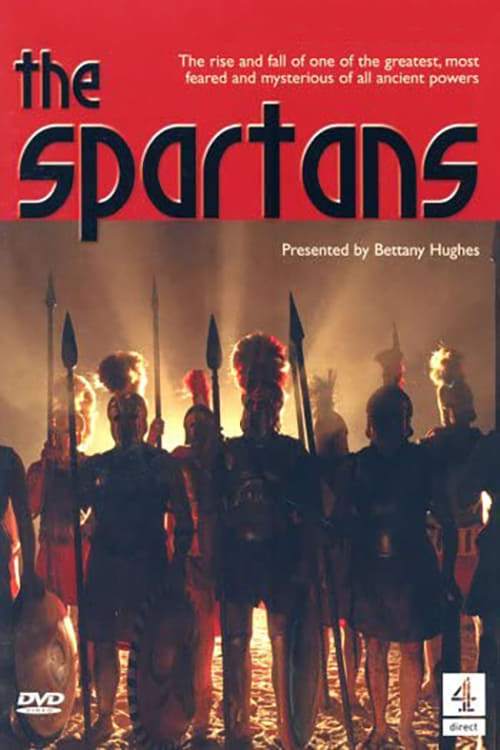
The rise and fall of one of the most extreme civilisations the world has ever witnessed – one founded on discipline, sacrifice and frugality, centred on the collective, whose goal was to create the perfect state and the perfect warrior.
British historian David Olusoga, along with other historians, narrates the story of millions of Indian, African and Asian troops who fought and died alongside French and British troops to help win the war against Germany, Austro-Hungary and the Ottoman Empire.
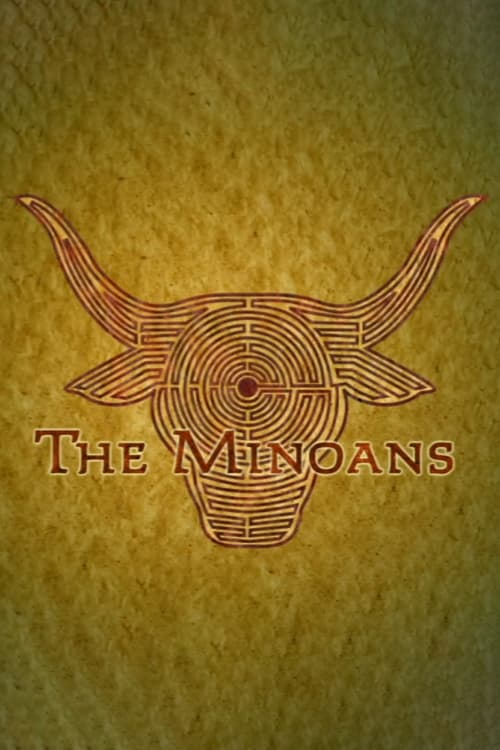
Best known for the myth of the Minotaur, Crete gave birth to Europe's first civilization. Yet little is known about those who inhabited the island. But now, with fresh archeological evidence, light is finally being shed on this ancient culture.
Documentary the career of Alfred Hitchcock with Tippi Hedren bringing up allegations against the director.
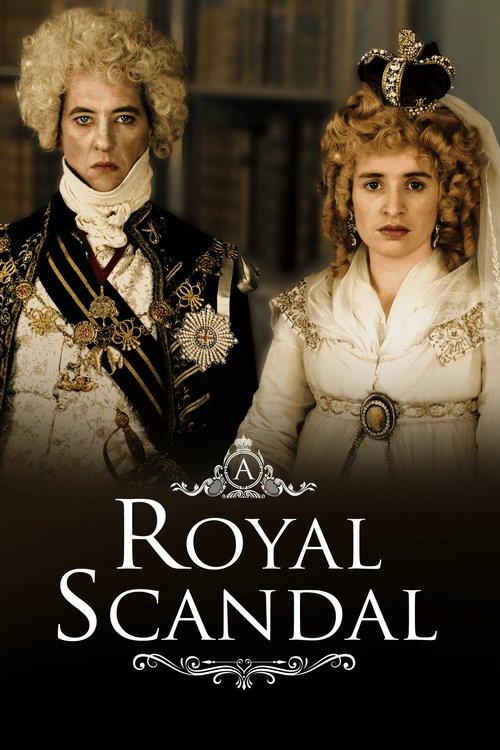
The doomed marriage of the Prince Regent and Caroline of Brunswick.
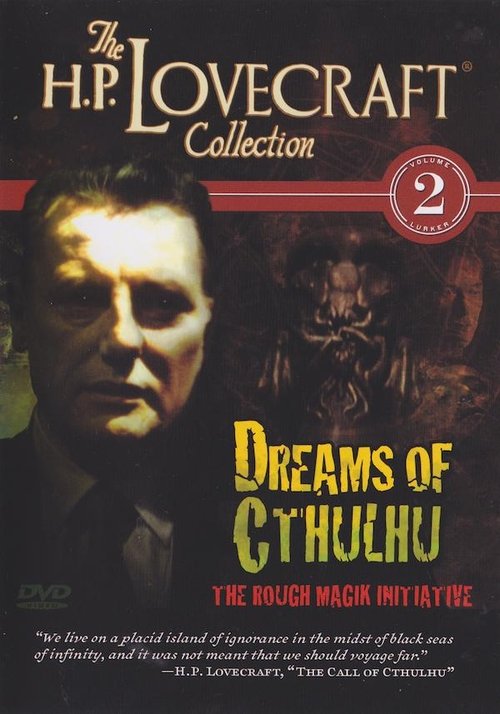
Rough Magik is about The Night Scholars, a clandestine organization setup to monitor the ancient cult of Cthulhu. After decades of compiling an enormous database of arcane information, they have come to a single, incontrovertible conclusion: the Sleeping God is waking.
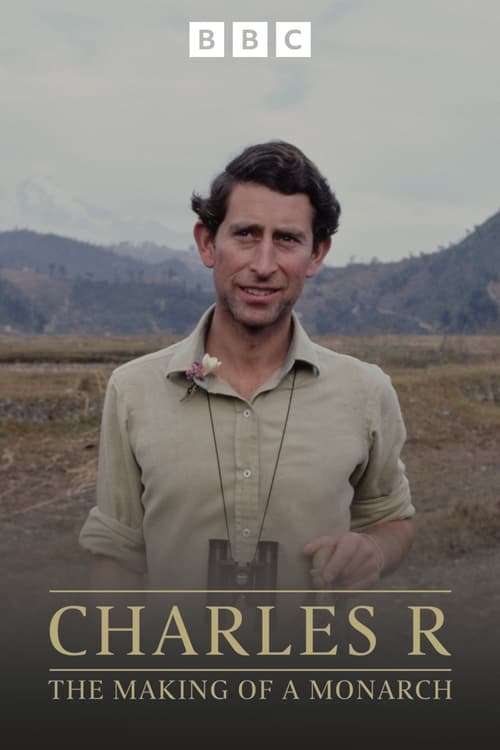
This is the story of how a prince became a king, a revealing portrait of our new monarch across the seven decades he spent as heir to the throne. It’s a journey from cradle to crown told almost solely in his own words, from film and television recordings to private home movies and featuring a wealth of material, some of which has never been seen before. As well as drawing on home movies from the Royal Collection, the film-makers were given exclusive access to sequences featuring the prince, shot for the landmark 1969 film Royal Family, including private unseen moments.
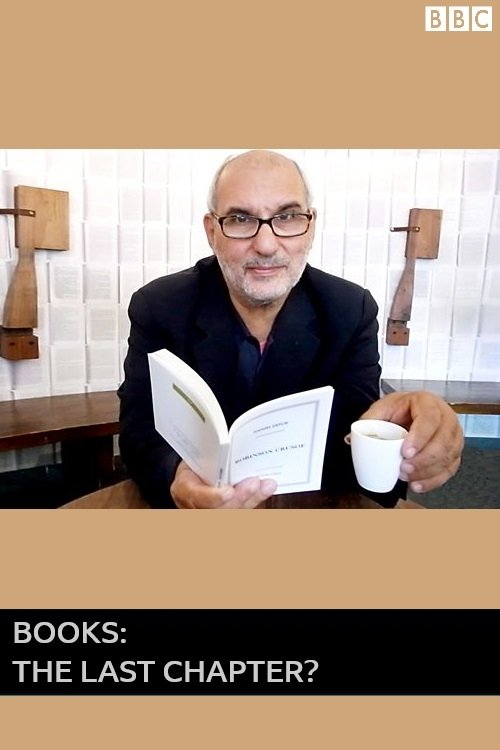
Will the rise of electronic books mark the final chapter in the love story between traditional books and their readers? Alan Yentob discusses the subject with a host of writers.
The arias of La traviata are instantly recognisable. Yet at its London premiere in 1856, it was denounced for bringing 'the poetry of the brothel' to the stage and unleashing uncomfortable truths on Victorian society.