Carsten Unger
Directing
Biography
Carsten Unger was born in Gütersloh in 1977. From 2001-2007, Carsten studied "Directing Scenic Movie" at the Baden-Württemberg Film Academy. In 2004 he completed the master class "The Hollywood Perspective" at UCLA in Los Angeles. During his studies at the Film Academy, he realized several short films as a writer and director. In 2011 he made his debut movie "Bastard".
Known For

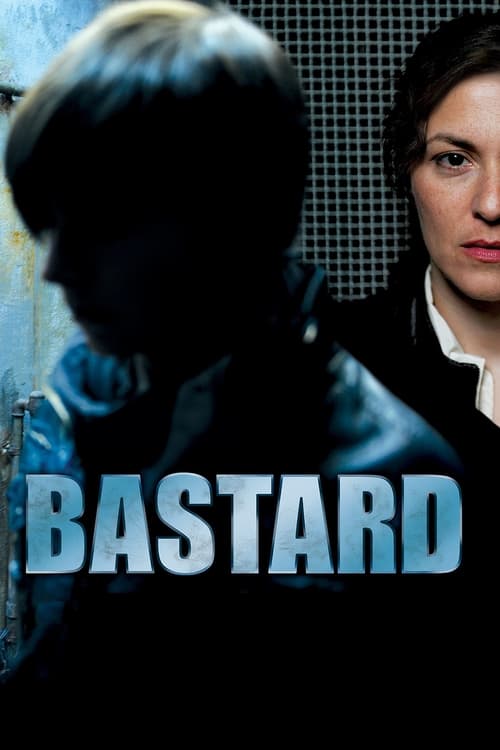
The nine-year-old Nikolas has been missing for days. The criminal psychologist Claudia Meinert notices contradictions in her conversation with the parents of the missing child. In particular Nikolas' mother appears to be hiding something. When a video of the missing Nikolas surfaces, showing him tied up in a cellar, the trail leads to his school. The 13-year-old Leon and Mathilda strike the psychologist as conspicuous and provocative. Shortly afterwards, Meinert encounters the children with Nikolas' parents at the local swimming pool and her suspicions are confirmed: the parents are entangled in an insidious father-mother-child game with the possible suspects Leon and Mathilda. Now it is up to the psychologist to resolve the dark mystery of Nikolas' disappearance and save the child.
Bastard

Charly was a clown before he lost his talent for making people laugh. When Charly loses his last engagement, he decides to take his own life. He jumps off a bridge under which Karla, a notorious merrymaker, is disposing of her latest victim. His suicide attempt fails, so Charly blackmails Karla: either she kills him or he betrays her to the police. Karla is a lust murderer, she only kills who she loves - and Karla simply can't feel anything for the world-weary clown. When all attempts to kill her fail miserably, Charly has a plan: laughter is the best aphrodisiac. Charly wants to make Karla laugh, make her fall madly in love with him and then finally be able to kill him.
Karigula - Monster der Liebe
No description available.
Fass mich an
No description available.
Zahme Vögel
A short movie about people trying to forget about their everyday life in the Weimarer Republik. But it was not an ordinary day, it was the dark friday - the last night of the golden 1920s.