Writing
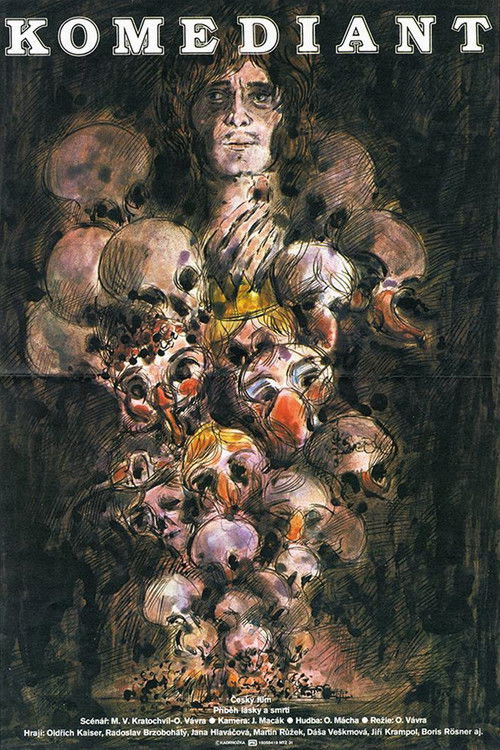
Saxony, devastated by the Thirty Years' War, is led by the comedy troupe of the principal Fortunato. The student Vavrinec has fled Bohemia and greatly values the text of Shakespeare's tragedy Romeo and Juliet, which he has acquired on his wanderings around the world.
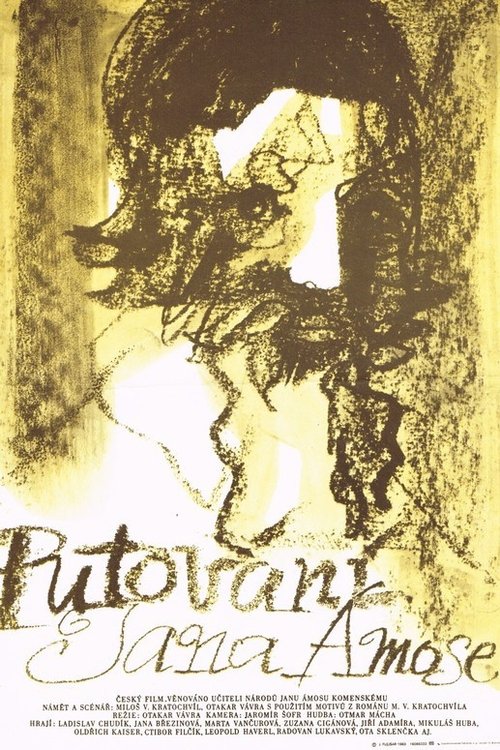
The distressing fate of the Czech great Jan Amos Komenský, forced to leave his homeland after the White Mountain disaster. It depicts his encounters with various European personalities of the 17th century - the Queen of Sweden, artists and scientists. It emphasises the hero's nobility, but also his inner resilience, which allowed him to overcome many personal and professional tragedies. The parable of The Labyrinth of the World and the Paradise of the Heart becomes part of the story. However, Comenius's concept is sculpturally lifeless and, in particular, the religious dimension is "erased" from it. The simplistic biography therefore does not avoid schoolboyish dryness.
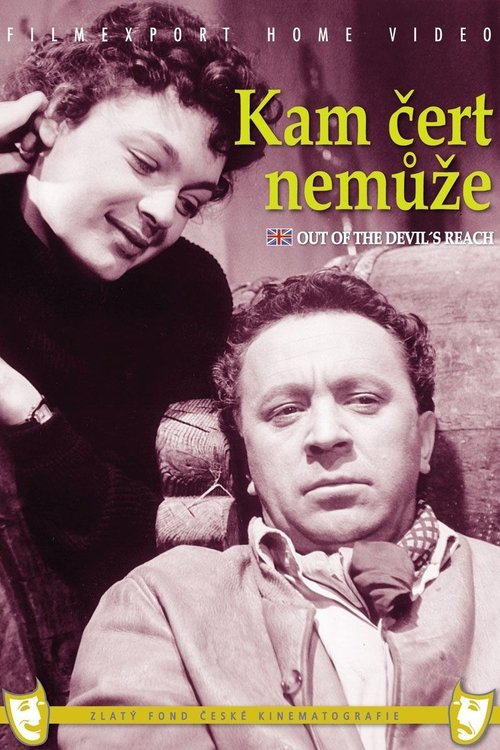
A small town is one day visited by a priest who is there on a secret mission. He is a member of the Inquisition sent to investigate the activities of a local miller. The miller and his son are the descendants of an old family whose ancestral home burned down a century ago, but was rebuilt from scratch. The miller inherited much of his knowledge about the land, water, and a building's stability from generations of family experience. His reputation for finding water and predicting when a structure might collapse have come to the attention of the Inquisition -surely he must be in league with the Devil.
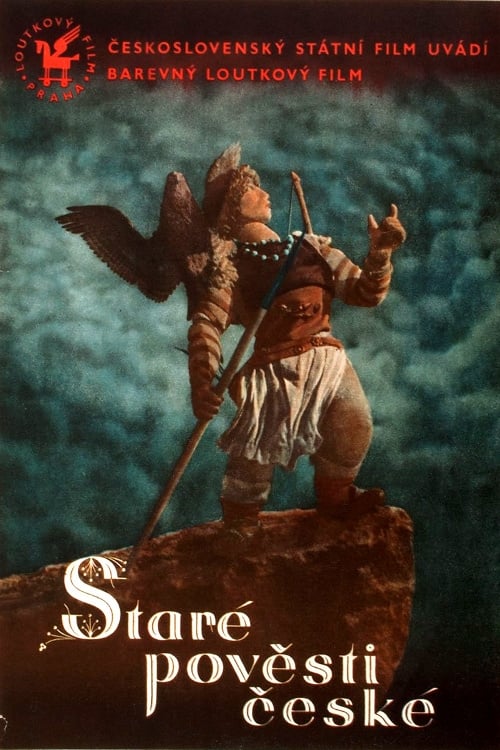
A monumental piece of art bringing the heroes of the ancient Czech myths back to life. The picture consists of seven parts: Cech the Forefather, Bivoj, Libuse, Premysl, Girls War, Horymir, Lucka War.
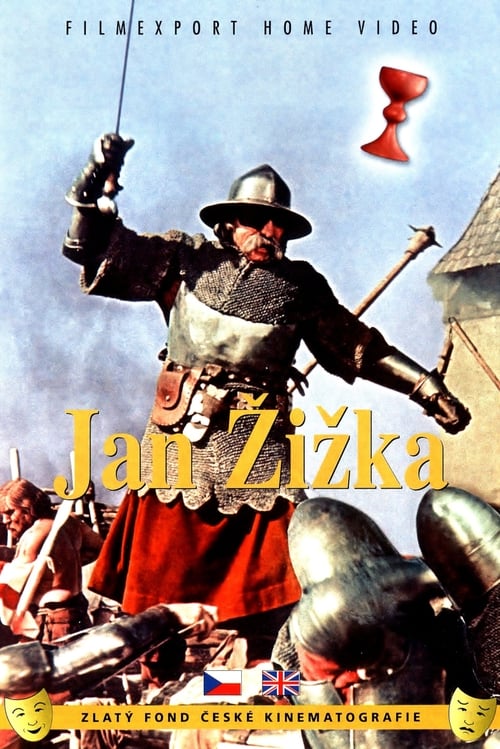
After the battle of Sudoměř the Hussite teaching spreads through the whole country and people start leaving their homes to help build the fortification of Tábor. Prague citizens request help against the army of Zikmund. The Hussite army with Jan Žižka in the lead make their way towards Prague. They fortify themselves on the mountain Vítkov and engage in a bloody battle with Zikmund’s huge army.
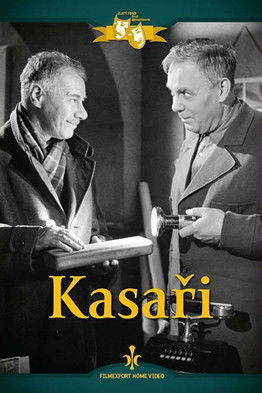
A detective comedy about ex-cashiers who - except for one - have improved and lead a proper and peaceful life and mostly desperately resist the slightest reminder of their past. However, one of them, Josef Fiala, formerly known as Procházka, is one day asked to open a safe in the Sitex factory that has been slammed open with keys inside by careless employees. The operation goes well, but in time Fiala finds himself suspected of theft...
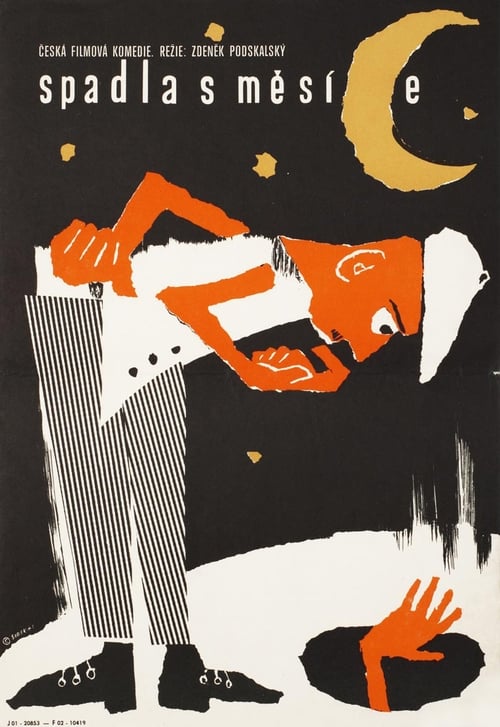
Miroslav Hornicek is a deluded young man who is convinced he is Faust incarnate. This turn of mind leads to some ludicrous situations, such as when he believes a woman is really a cat. Before he can be rounded up and interned wherever they keep people with this type of a problem, love enters his life and the clouds that obscured his vision begin to dissipate.
The second part of the revolutionary Hussite trilogy takes place in the years 1419-1420.
The 50th anniversary of the Barrandov studios was celebrated with a spectacular show: many directors and other important people gathered in the expensive decorations of the Variety Theatre auditorium (built for the Circus Humberto series). They smiled and showed well-deserved relaxation after a job well done in managing socialist cinema. Vladimir Sís interspersed this with excerpts from films, mainly his own and also a little of others who had worked on the "Hill of Dreams".
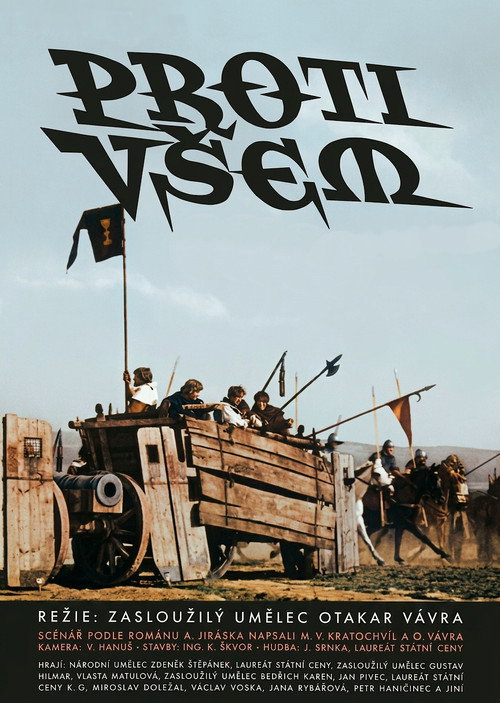
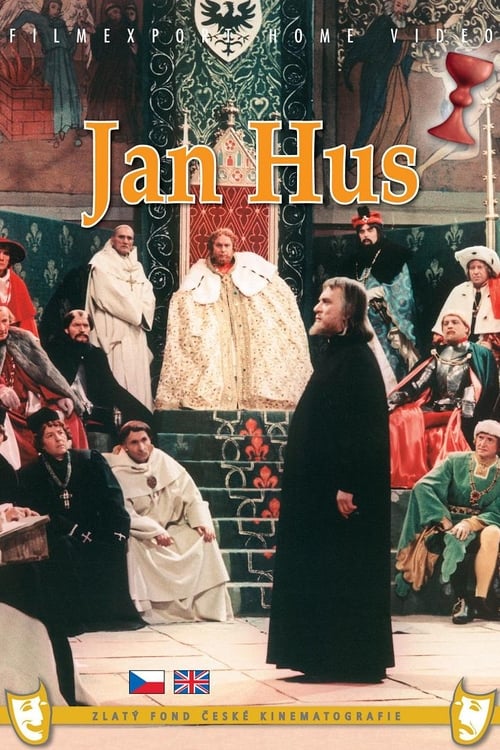
The first part of the "Hussite Revolutionary Trilogy", completed with Jan Žižka (1955) and Proti všem (Against All Odds, 1957). The film captures the period from May 1412 to the summer of 1415, a turbulent time in the Czech Kingdom, during which there were protests in Prague against the sale of "omnipotent indulgences" whose sale throughout the kingdom was announced by Pope John XXIII. The ideological leader of this movement is the preacher Master Jan Hus, whose words, calling for the elimination of church abuses, are listened to in the Bethlehem Chapel by thousands of ordinary Praguers, Czech lords and Queen Sophie, wife of the Czech King Wenceslas IV.
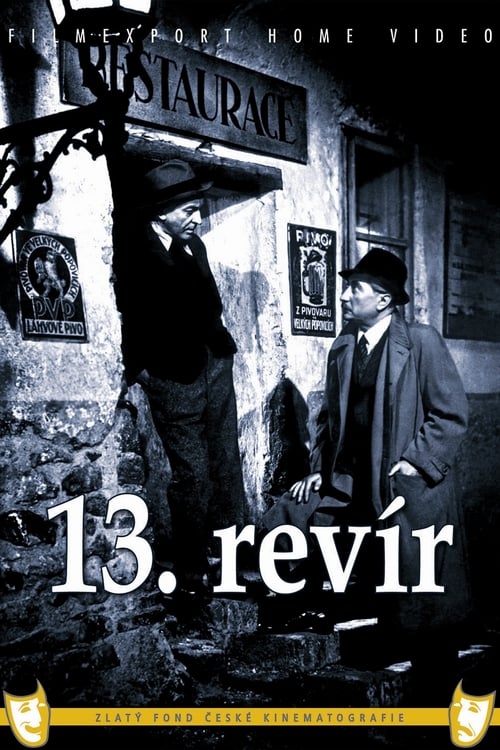
Inspector Cadek from the 13th police station keeps an eye on the released safe-cracker nicknamed The Cat. He rightly suspects that Cat will go and pick up his last loot which the police didn't manage to find and that he will want revenge on Karta who helped put him behind bars. At the hospital, Cat's ex-lover Fróny hopelessly falls for doctor Chrudimský and decides to start a new life. She still refuses to help the inspector in his search for The Cat and Karta.
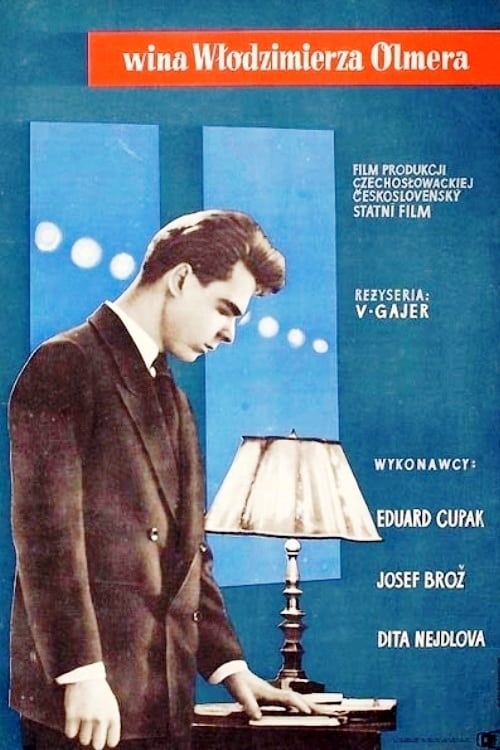
Vladimír Olmer is a student at the Faculty of Medicine. His father, a famous Prague surgeon, is rightly proud of him. One day, Vladimír accidentally meets his former classmate Emil Prokeš. He introduces him to his frivolous friends, who only care about how to earn money for an idle life without any effort. The trusting Vladimír takes a liking to his new friends, especially when the beautiful Helena shows interest in him. Soon, parties with alcohol are more important to Vladimír than his studies. Mirek, his only real friend, warns him in vain. His frivolous life ends with a fateful party at which Emil is shot. The case cannot be covered up, the security services get involved, and Vladimír is expelled from the faculty for a year.
Young script-writer Frantisek (Petr Cepek) is hired to write a film script based on the successful novel Looking Back. He meets with the novel's female author, a University professor and writer named Olga Machová (Jirina Trebická), approximately ten-years-older than him. In the beginning, they do not understand each other at all. Frantisek is a skeptic experiencing a moral crisis, unsatisfied with both his work and his private life - he lives separated from his wife and has no deeper feelings for his numerous lovers. He even gets drunk from time to time and breaks the public peace. Olga is lonesome, too, but considers her life fulfilled.
A story about the uproar caused by the arrival of a new, young and, by local standards, too energetic zookeeper in a village JZD. Her name is Maya Četná and one evening she arrives like a tornado on a motorbike in the semi-truck of a typical Czech village. The chairman, leaving the next day for a long-term training, has no time to get to know the girl properly, so it's no wonder he can't help wondering when she returns.
The Czech revival movement is divided at the end of the first half of the 19th century. While the older generation, such as František Palacký, urges restraint, students lean towards radical positions. A report on the revolutionary events in Paris prompts Czech Prague residents to write down the demands of the Czech nation for self-determination and the proclamation of a constitution. Tensions peak during the All-Slavic Congress in Prague's Žofín. Vienna rejects the Czech demands and the congress is brutally dispersed by the Austrian police. Prague begins to build barricades...
Otakar Vávra dedicated his latest film to events accompanying the devastation of the first World War. It takes place in representative centers of power, in the courts of Vienna, Berlin and Moscow. In parallel, it develops the fate of the Czech archivist, who will take part in the Serbian anti-Austrian branch.
Jean-Paul is a Frenchman who yearns to live in communist Czechoslovakia. His wish is granted when, mistaken as a masseur of a French boating team, he manages to elude the democratic authorities long enough to scamper over the Czech border.
Olga finds her husband Karel Brand, whom she has just divorced, shot dead after returning from the cinema. It appears to be a clear case of suicide, but Lieutenant Dusek of the Public Security Service suspects that it is a murder, which, it is not impossible, as a number of evidences point against it, could have been committed by Mrs Olga. A letter from the dead man to his wife seems to dispel any doubt that it could have been murder. Lieutenant Dusek, however, investigates further. Much more than he, however, learns about the true circumstances from Mrs. Olga's legal advisor, Dr. Klimesh. He learns that the letter is indeed a forgery and that Brand's death is linked to the raids of an anti-state gang. He hesitates for a long time whether to confide in security, believing that doing so would testify in favor of Dusek's theory that the murder was committed by Olga...
Emperor Francis Joseph I is about to arrive in Prague, and among those who came to Stromovka to welcome him is Veronika Pavlitová. She wants to submit a request for clemency for her imprisoned father to the emperor, because she is barely able to support herself and her siblings on the meager salary of a seamstress. By chance, the girl meets Božena Němcová, whom she admires immensely. She becomes her friend and confidant for a while. However, police director Paümann, who has been following Božena Němcová for a long time, takes advantage of the naivety of the young girl. Veronika, in her simple-mindedness, tells him many things. Only later will she understand how she was abused.
Explores young adults' fears of being conscripted by the communist government into working outside of Prague, a relative oasis of creativity and freedom of thought. From an early script by Milos Forman.