Writing
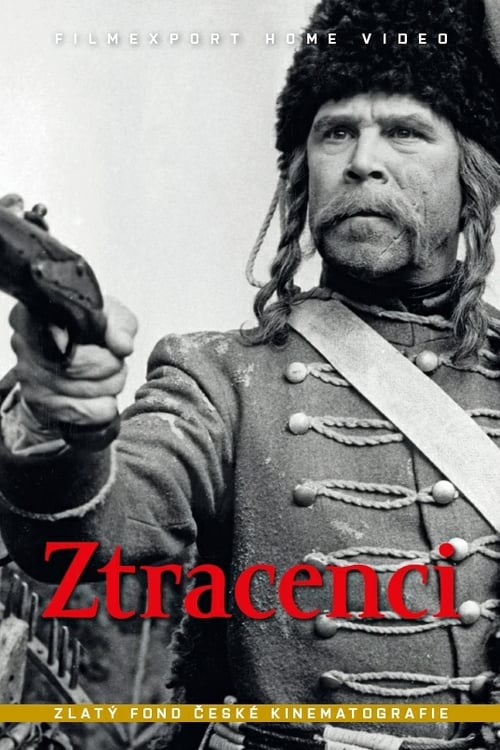
In the middle of the eighteenth century, at the time of the Prusso-Austrian War, a cuirassier, a hussar and an infantryman meet by chance and hide together in a secluded place. The war has left different marks on each of them, but they all long for normal human happiness. Although they initially have different attitudes towards military service, they are changed by their stay in seclusion and the atmosphere of life in a peasant cottage and refuse to return to the Austrian army. But all three Theresian "misfits" take up arms again, which they no longer want to touch, when the solitude is overrun by the Prussians. They manage to cover the escape of the family and their child, but pay with their lives.
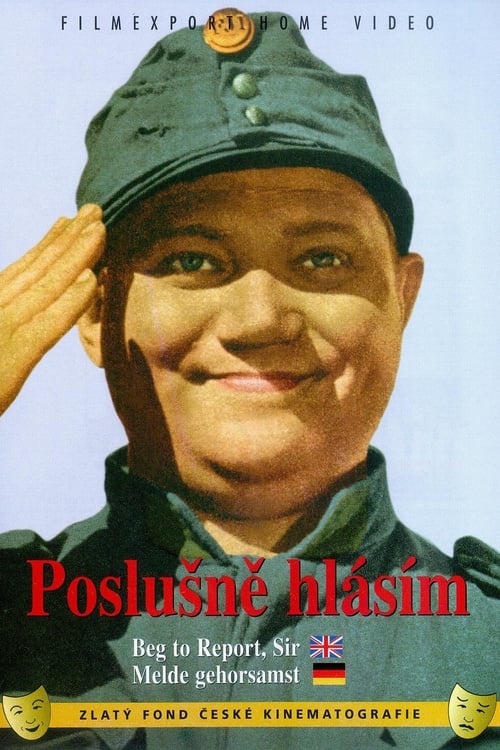
A comedy based on the novel of Jaroslav Hašek's The Good Soldier Svejk happens during the World War I. I Dutifully Report: In the introduction to the second part of the film adaptation of Hašek's novel The Good Soldier Švějk presents his main character Josef Švejk. With the distinctive traditional Czech cartoon character of a soldier Svejk, this time you meet on the way to the front and eventually right in the firing line. You can look at his famous train events, and also probably the most famous episode of the novel, Švejk's Budějovice anabasis. Don't miss the scene with the secretly bought cognac, the episode with Svejk as a fake Russian prisoner of war, including the court scene, and the scene in which lieutenant Dub is caught in a brothel. Despite the criticism, Steklý's adaptation is undoubtedly the most famous and memorable at present.
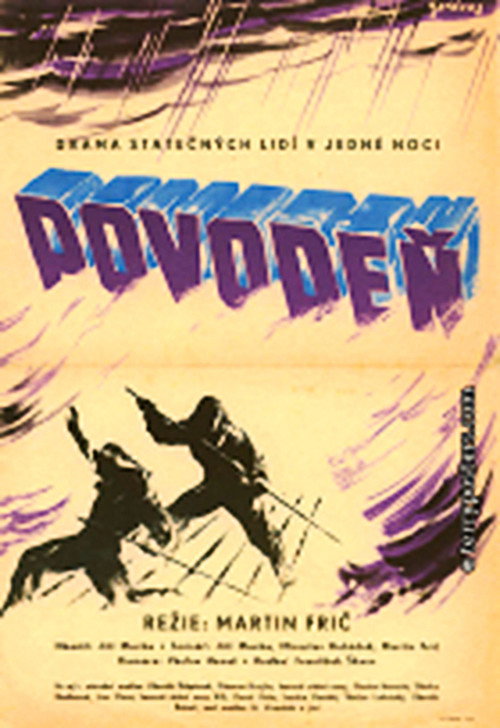
The construction of the new dam deprived the ferryman Ryba of his trade. The new dam replaced the ferry. However, Ryba's ancestors were ferrymen and the old man would have liked his two sons to take up the same profession. But Joseph is an indecisive weakling and Karel found work on the dam. That's why old Ryba drove him out of the house. The persistent rain brings Ryba miserable joy. The man knows well that a sudden flood can endanger the unfinished dam. In his fanatical hatred, he forgets that the water from a broken dam would sweep away his house and his daughter-in-law and sick grandchild in the first place...
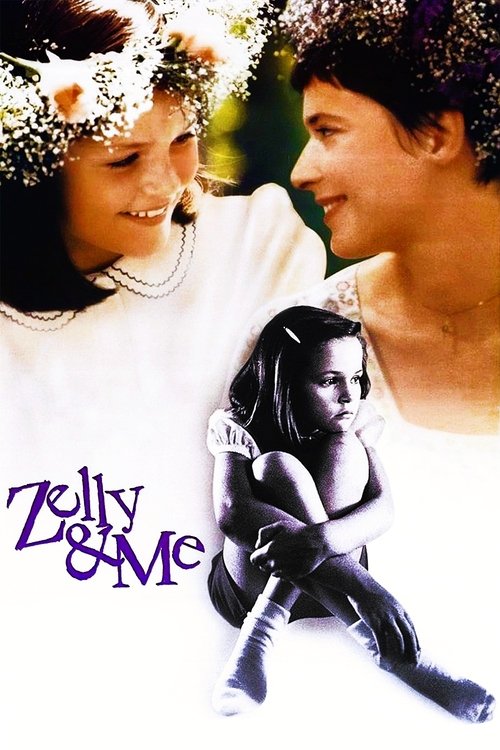
A young orphan who lives with her grandmother in a large Virginian home infatuates herself with the voices of Joan d'Arc. Her French nanny seeks out the help of a rich suitor to take her and the orphan away when she realizes that the grandmother cannot offer the orphan the love that she needs.
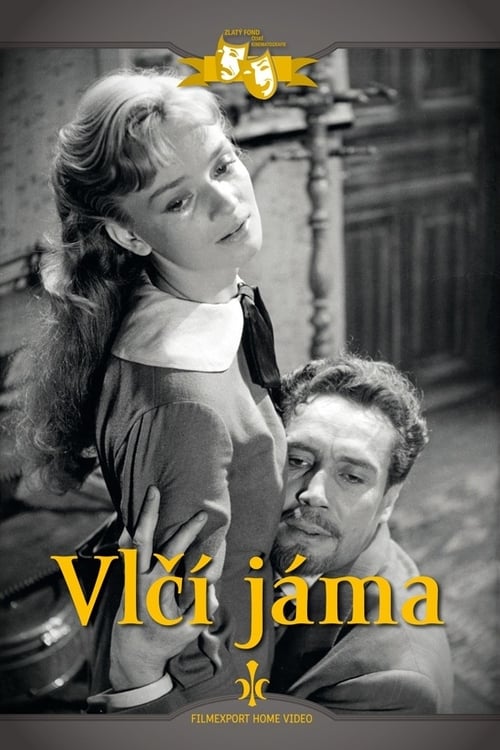
An orphaned young woman named Jana moves into the household of Robert and his older, possessive wife, Klára. While Klára maintains a strict and manipulative control over the home, a mutual attraction develops between Robert and Jana. The three characters continue to live together as their domestic tensions increase.
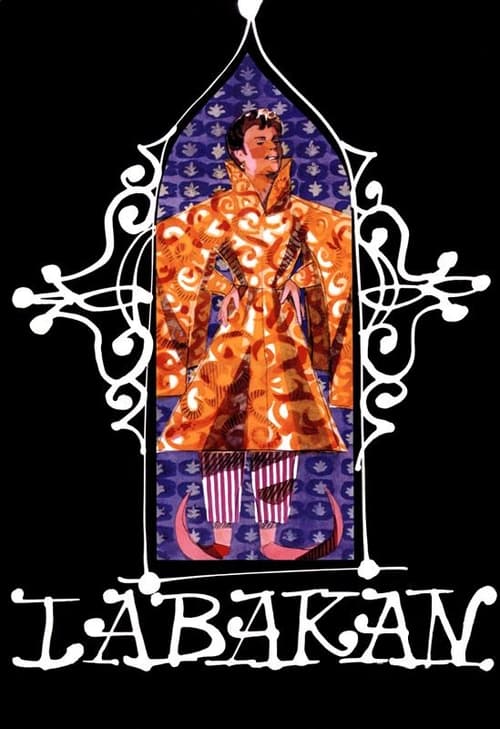
Labakan is a lazy tailor's journeyman dreaming of a life of luxury and dresses himself in fancy clothes for the rich emir, and when he sees how respectfully people greet him in the marketplace, he seizes the opportunity that unexpectedly presents itself. For he meets the Sultan's son Omar, who was brought up by the noble Cairo Pasha and is now returning home. Labakan steals the Sultan's dagger, his trademark, and sets out to find him. However, the Sultan's wife recognizes her true son and forces the Sultan to put both men to the test. Both have to prove their skill by sewing a coronation gown, which of course only the real tailor Labakan will be able to do, and so the executioner awaits him. Fortunately, it was all a dream and the foolish young man will make amends in time.
The year is 1941 and the German Nazis rule Bohemia with a free hand. Engineer Otakar Racek is an extremely cautious man who tries to avoid problems at all costs. While some of his colleagues are being arrested by the Gestapo, he receives an offer to become the director of a new department. When he refuses to help the wife of an arrested resistance fighter, his wife Vlasta is shaken. However, she loves him, to the point of even resigning herself to the hatred of Otakar's wealthy mother. One day, Vlasta lets her old acquaintance Ondřej Rýdl, who is on the run from the Gestapo, stay at her house for a few days. The wife passes him off to her husband as a distant relative. However, Otakar succumbs to jealousy and, on his mother's advice, hires a private detective to follow Vlasta. However, the detective is also a Gestapo informant and receives a hefty reward for every arrested resistance fighter...
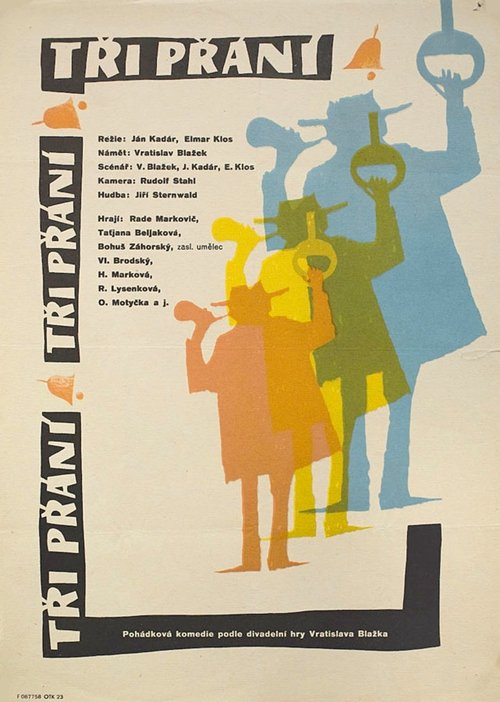
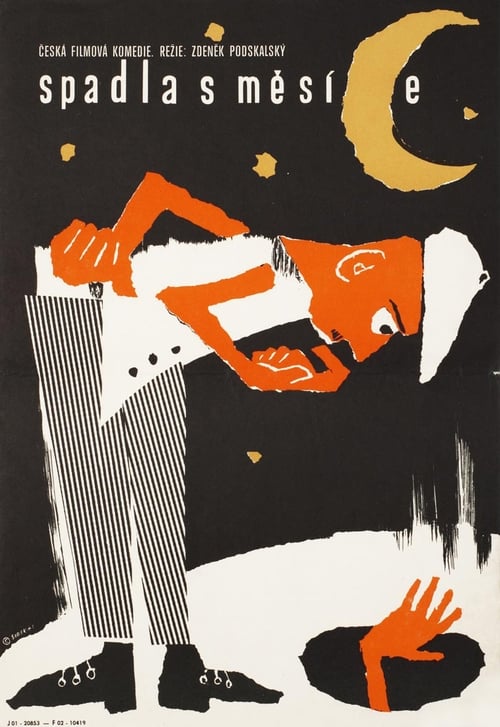
The sad hero of the story, Petr, an ordinary lawyer in a construction company, is crowded into a small apartment in Žižkov with his wife and grandparents, desperately struggling with the lack of money. One day he offers an old man a seat on a crowded trolley bus and is generously rewarded for his good deed, for the unknown old man is a fabulous grandfather. He gives Peter a magic bell and the opportunity to make three wishes, but the first two slip through his fingers. For the third, the astonished man must take time to think...
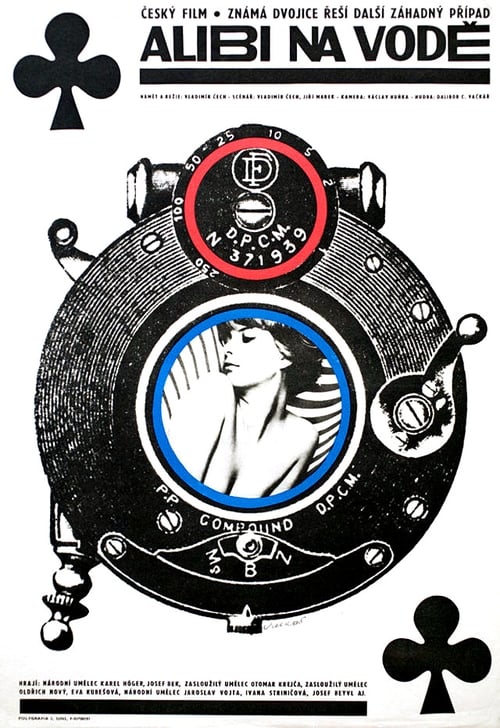
Miss Nováková reports to Major Tuma (Karel Höger) from the police about the disappearance of her roommate, the model Zuzana. Shortly afterwards, a film director named Konrád (Otomar Krejca) asks Tuma to cooperate on a new cinéma-vérité film describing the story of Zuzana's disappearance.
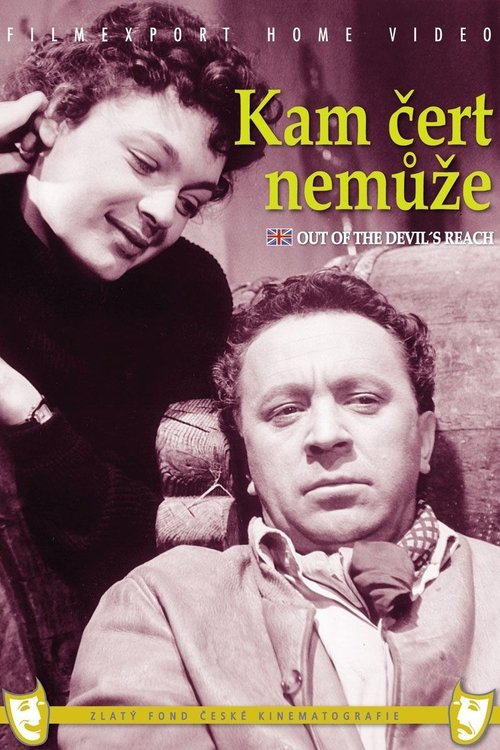
Miroslav Hornicek is a deluded young man who is convinced he is Faust incarnate. This turn of mind leads to some ludicrous situations, such as when he believes a woman is really a cat. Before he can be rounded up and interned wherever they keep people with this type of a problem, love enters his life and the clouds that obscured his vision begin to dissipate.
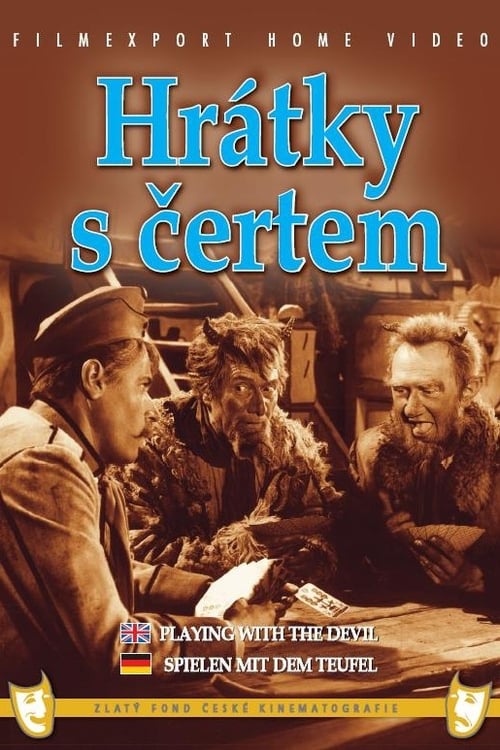
Two marriageable girls, Princess Disperanda and her maid Káča, sign a betrothal with their own blood in exchange for fairy-tale grooms. Although both devilish betrothals accidentally fall into the hands of the brave retired soldier Martin Kabát, the cunning devil Solfernus takes possession of them through cunning, and Martin has no choice but to go to the burning hell.
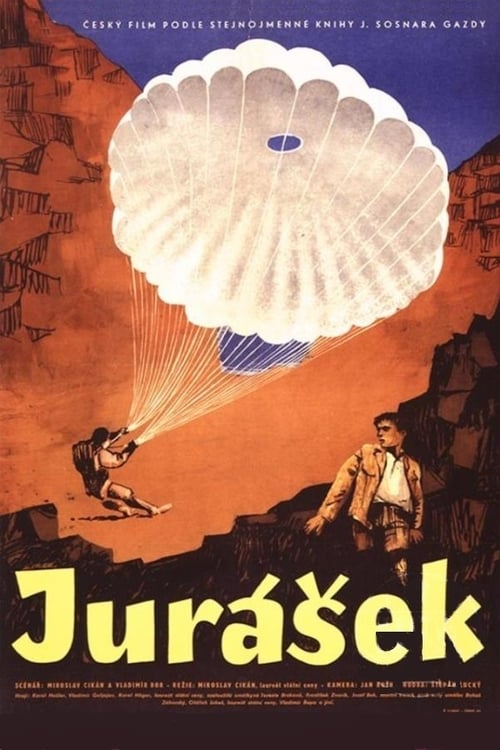
The Czech feature film, based on the book of the same name by J. Sosnar-Gazda, focuses on teenagers. The hero of the film is a boy named Jurášek from the Moravian Slovácko region, who helped the partisans during the war. He confirmed that his father was with the partisans and went to the forest at night to follow him when the partisans were expecting the Soviet paratroopers to jump. Jurášek finds a paratrooper who had been blown aside by the wind and finds a suitable shelter for him where he could heal his injured leg. Jurášek continues to help the partisans a lot. He informs them about the upcoming raid in the village and thus saves the Soviet paratrooper from being captured. When he then accompanies the paratrooper into the forest to a place from where he could safely broadcast, and when he says goodbye to him, he gets into a firefight with the Germans together with him and his bravery stands up well in it.
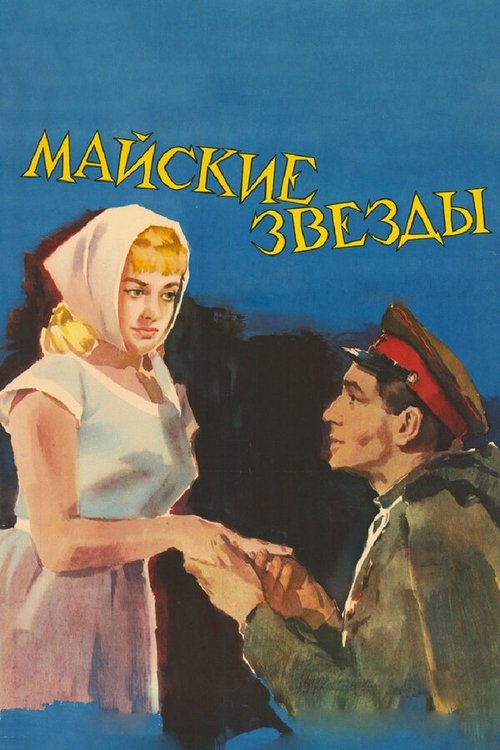
May 1945. On the outskirts of Prague, ordinary people meet Soviet soldiers-liberators with tears of joy in their eyes. In the early days of the lull, someone sadly recalls a pre-war life; someone unexpectedly meets his love; someone is returning from enemy dungeons looking hopefully into the future; and someone, having moved from a tank into a Czech tram, warmly recalls his craft as a car driver... These days, all those who survived the Great War fire swear an oath to keep peace on Earth forever, honoring the memory of those who gave their lives for simple human happiness.
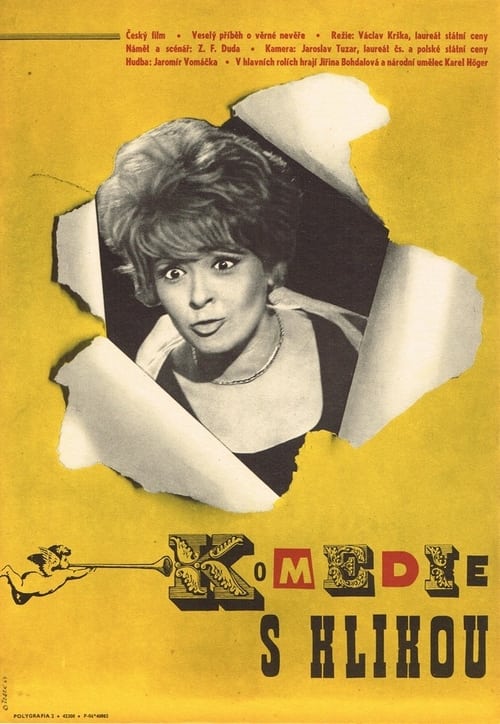
On the train to Prague, the bride-to-be Zuzana Vítová accidentally meets the clerk Dr. Karel Jánský. Upon arriving in Prague, it seems that Jánský follows the girl on her way from the station, but it turns out that the two of them have only a common journey. When Zuzana discovers that her fiancé Petr Klika is not at home and that she has lost the keys to his apartment, Dr. Jánský gallantly helps her and keeps her company until deep into the night...
A psychological study of the life of a woman, a working mother of two young children. The film captures a small slice of her life, just one day, during which the heroine takes stock of what she has experienced so far and what she has succeeded or failed in. And it's not an optimistic one, as she searches in vain for a clue: her marriage has failed and her affair with a married man does not offer a bright future...
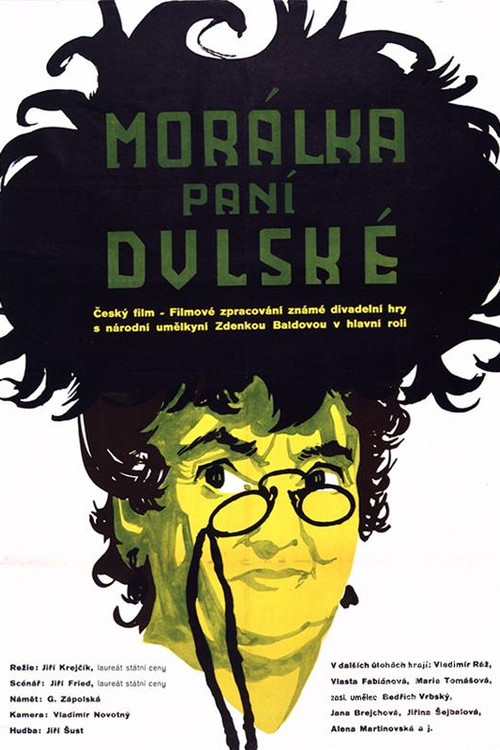
The suffocating conditions in a bourgeois family were depicted in several films in the second half of the 1950s - this one is one of the lesser known, although it achieves great emotional impact, free from the first ideological pressures. The title character, the owner of the tenement house Mrs. Dulská, controls her relatives and tenants with a firm and despotic hand. To achieve her goals, she masterfully combines tears, blackmail and insidious intrigues, or does not hesitate to abuse the trusting and handsome maid Hanka when she wants her son not to fool around. Everything suddenly turns around when Hank gets pregnant... But the appearance of a good reputation is more important to her than anything.
A story about the uproar caused by the arrival of a new, young and, by local standards, too energetic zookeeper in a village JZD. Her name is Maya Četná and one evening she arrives like a tornado on a motorbike in the semi-truck of a typical Czech village. The chairman, leaving the next day for a long-term training, has no time to get to know the girl properly, so it's no wonder he can't help wondering when she returns.
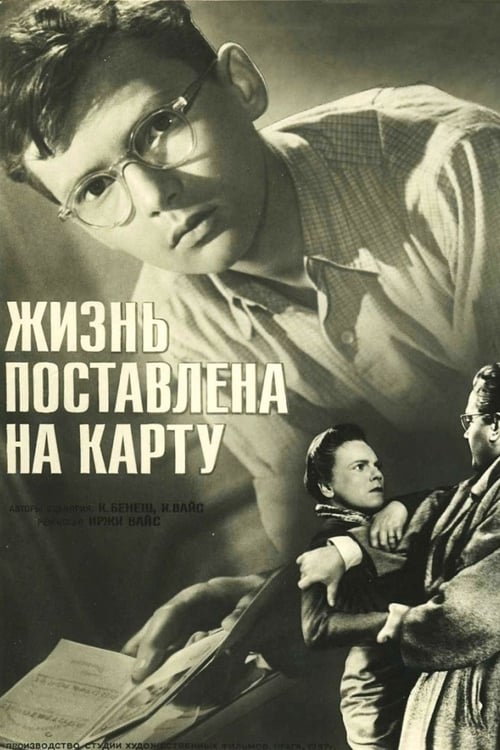
The unfortunate 1930s also befell the student Standa Půlpán. For existential reasons, he had to abandon his studies and entered the mines. However, he only slowly and with difficulty became close to the older miners, rough men who were closed in on themselves. Only his brave stand in rescuing people who were trapped in a mining accident will win him the solidarity of the entire mining collective. Even Karel Čapek's draft once lent itself to promoting an exacerbated class interpretation of social relations.
A student commits suicide out of unhappy love to a married man; story is recounted in retrospective by a "judge" who asks the audience to decide who is the guilty party.
A film about life in the Czech borderlands after the expulsion of the Sudeten Germans.