José Luis Tirado
Directing
Known For
No description available.
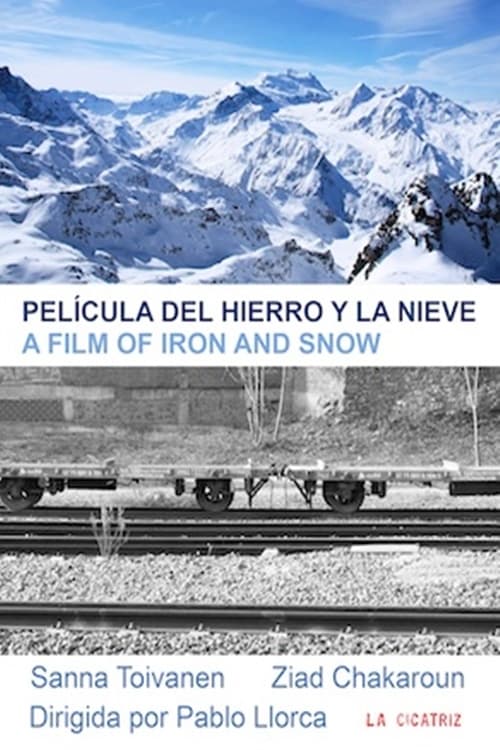
Película del hierro y la nieve
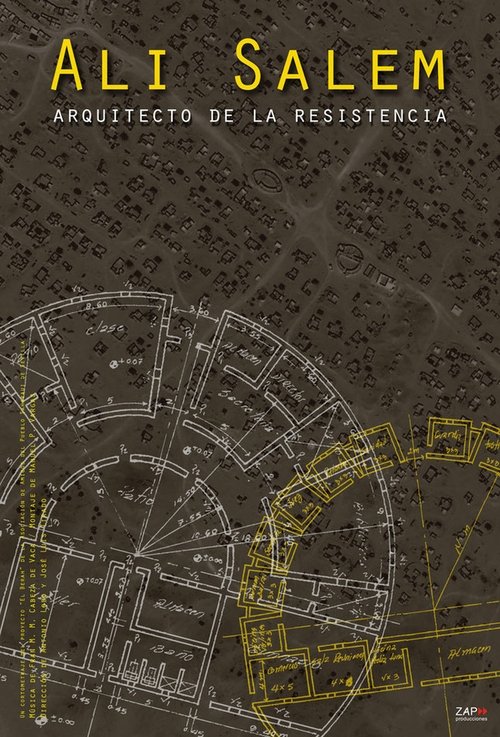
Ali Salem Hamudi Mohamed - Yahdih, was born in 1955 in El Aaiún (Western Sahara). He completed his secondary schooling in the "Spanish" Sahara. A scholarship allowed him to enrol at the Universidad de la Peninsula in 1975, but Morocco's invasion of the Sahara led him to return to the city of his birth and go into exile with his people, participating in the resistance and helping to organise the Tindouf Refugee Camps (Algeria). In 1980, the Polisario Front and the Government of Cuba offered him the opportunity to study Architecture at the University of Havana. On his return to the Camps in 1985 he worked for the SADR's Department of Construction. He designed more than twenty public buildings, including town halls, schools and nursery schools, and also collaborated with international aid organisations to build hospitals and training colleges. All of these buildings were built collectively by the Saharan people. ;In 1999 he emigrated to Spain. His family joined him five years later.
Ali Salem, architect of resistance
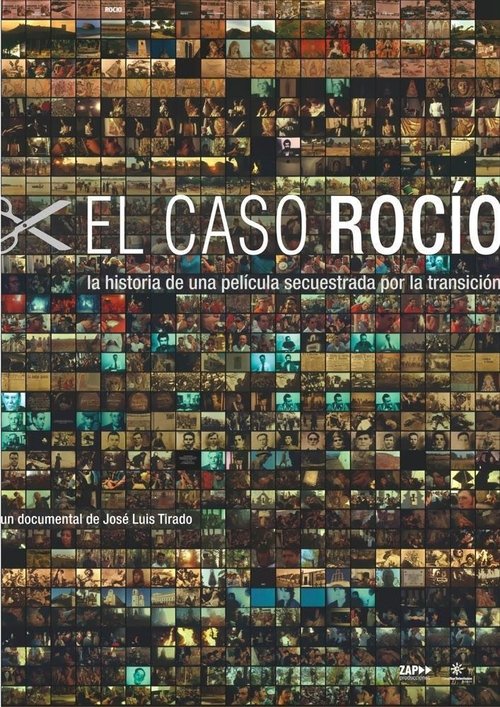
"El caso Rocío" narrates the making, prosecution and persecution of the film "Rocío", directed by Fernando Ruiz Vergara and released in 1980, which has gone down in history as the first film judicially seized in Spain already in times of democracy and after the repeal of the film censorship in 1977. A choral story that reflects on film censorship, Andalusian culture, and the Spanish Transition.
El caso Rocío
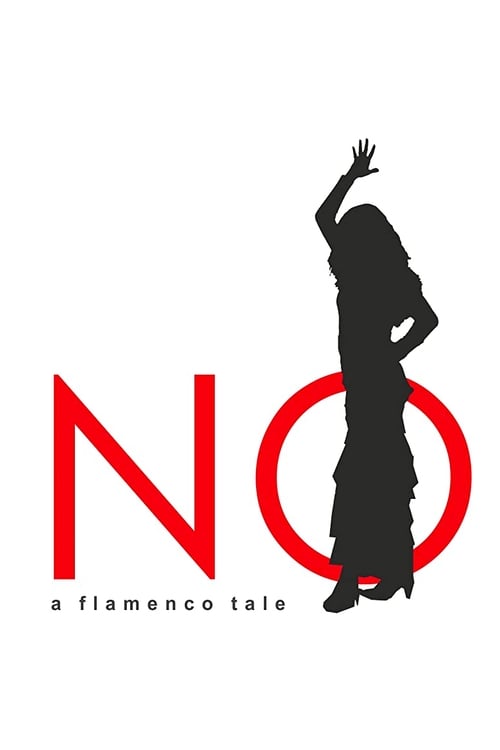
An urban, contemporary flamenco opera in which the action is expressed through dance and the original text is narrated through song.
NO, A Flamenco Tale
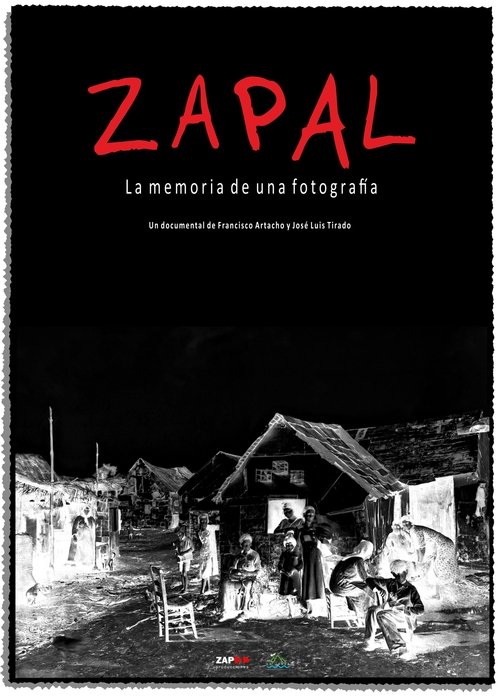
Our gaze scans a photograph taken in 1937 in Zapal, Barbate (Cádiz), featuring six women, four boys and three girls. One of the women, María 'La Rata', describes life in the slum settlement of a seafaring town that was a destination for migrants during the Spanish Civil War, a time of repression and of prosperity for the local oligarchy as a result of the growth in tuna purse-seining and long-lining. Zapal invites us to reflect on the underworlds on the outskirts of cities and on forced displacements caused by poverty and war.
Zapal, la memoria de una fotografía
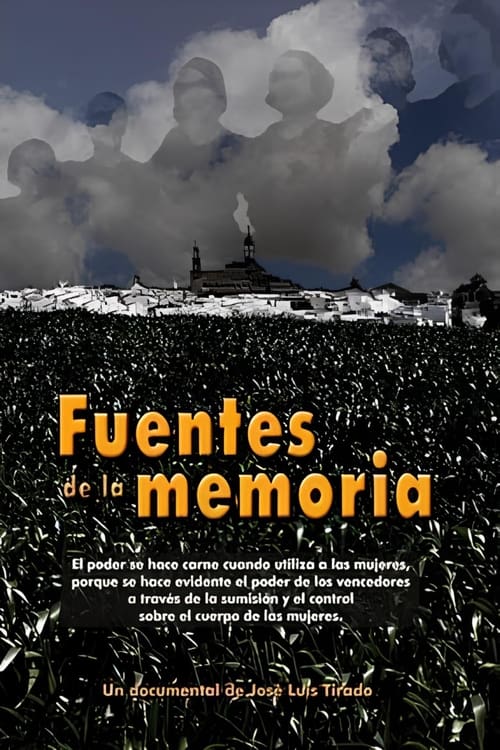
t narrates the repression suffered by the local population of Fuentes de Andalucía after the military coup of 1936.