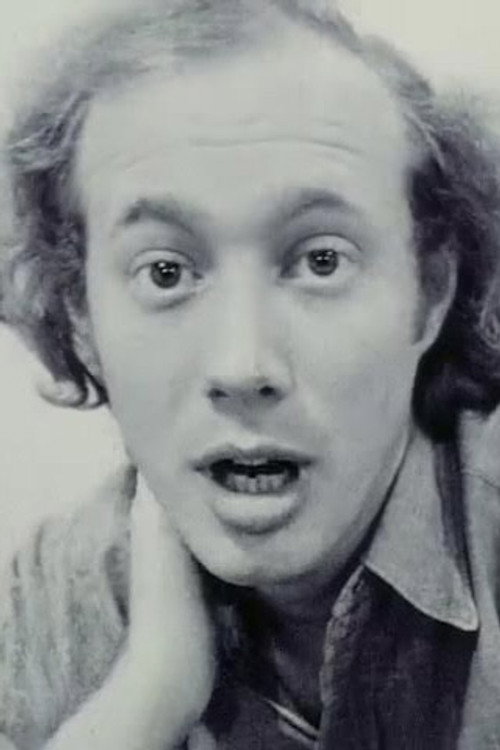
Robert Fulton
Directing
Biography
Robert Fulton was a professional pilot and aerial cinematographer in addition to making his own documentary and experimental films. Filming in the United States, the Andes, Nepal, Africa, and elsewhere, Fulton often combined places and images to create dream-like flows of thoughts and associations. The exquisite kinetic rhythms of his camera movements and his editing, as well as his use of superimpositions, create lyrical and breathtaking visions with Fulton’s travelling camera embodying both internal and external journeys.
Known For
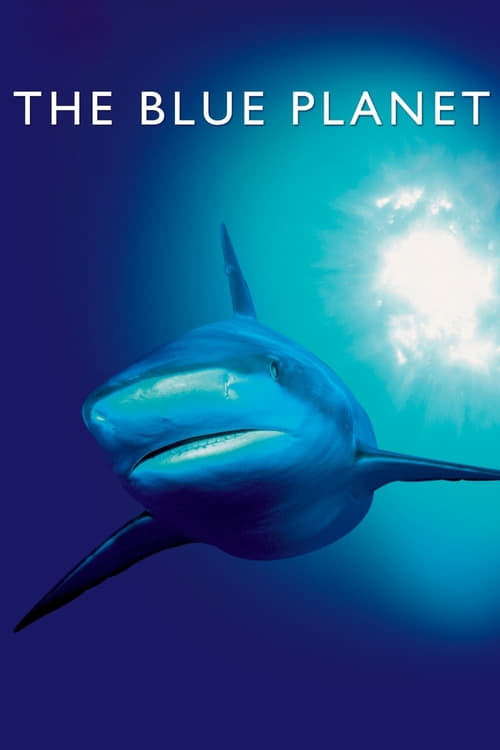
Sir David Attenborough narrates this critically acclaimed series that dives deep into the marine environment of Planet Earth. Although two-thirds of the world's surface is covered with water, scientists know less about the oceans than they do about the surface of the moon. This limited series travels from various coasts to the poles to examine watery denizens ranging from the gigantic blue whale to microscopic coral polyps.
The Blue Planet
Independent filmmakers are given a chance to show and discuss their work on a commercial (ABC-TV) affiliate station.
Screening Room
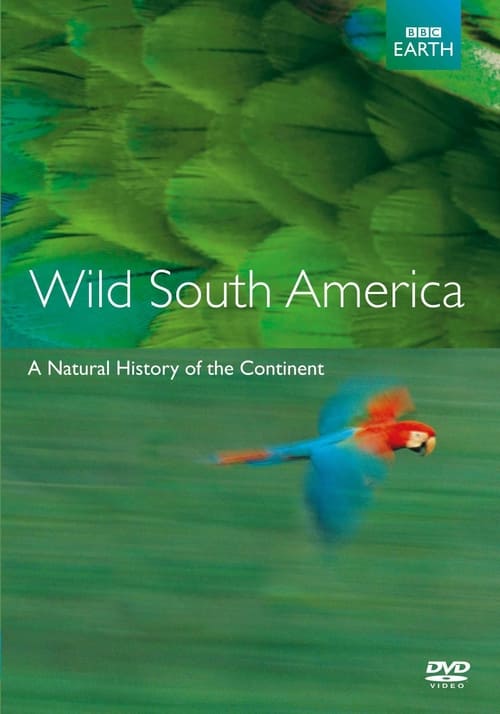
The South American continent is a land of great extremes, stretching from the Antarctic to the Equator. It has the planet's greatest river system, longest mountain chain, biggest and richest rainforest and driest desert. Using the latest camera techniques, including infrared night vision cameras, rarely seen animals are revealed, while a special aerial camera soars over the continent, revealing an entirely new perspective on its varied and dramatic landscape.
Andes to Amazon

David Attenborough sets out on an intrepid quest across seven continents to create a unique television event to celebrate the wealth of natural features that makes Planet Earth so varied, so distinctive and so spectacularly beautiful.
Great Natural Wonders of the World

The Living Edens was a Public Broadcasting Service series that began in 1997. Narrators included Peter Coyote and Linda Hunt. Its most recent episode was broadcast in 2003. It was partially funded by Reader's Digest in exchange for various marketing rights. Its state-of-the-art cinematography creates an intimate sense of place and captures a world of wonder, transporting viewers to isolated, undisturbed corners of the globe so pure they remind us of how the ancient world once was.
The Living Edens
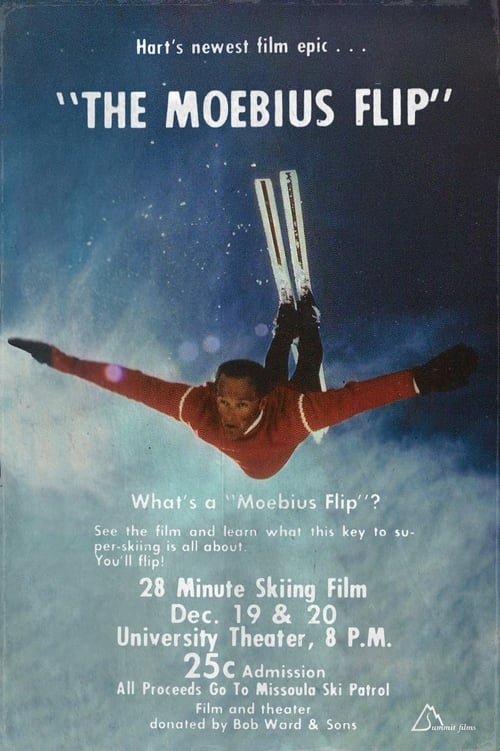
A science fiction fantasy on skis with spectacular glacier skiing, extraordinary acrobatics, unique optical effects, and an original score. The world's polarity is mysteriously reversed, requiring the skiers to regain the realm of normal perception by performing maneuvers inspired by the ambiguous nature of the "Moebius Strip."
The Moebius Flip
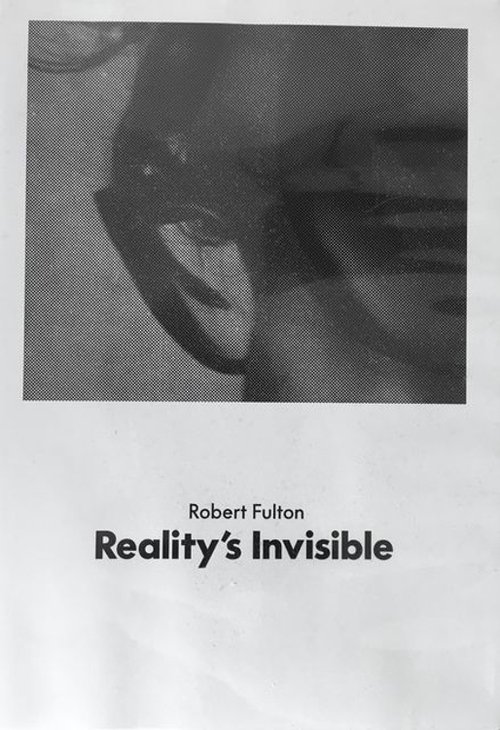
Fulton made the film during his brief time at Harvard, where he had been invited to teach by Robert Gardner, his friend and collaborator (Fulton would later serve as a cinematographer on Gardner’s 1981 documentary Deep Hearts, among others). Reality’s Invisible could be described as a portrait of the Carpenter Center, yet it is a portrait of an extremely idiosyncratic and distinctive sort. Fulton moves us through the concrete space of the Center’s Le Corbusier-designed building—the only structure by the architect in North America—but, more centrally, presents us footage of students making and discussing their work alongside figures like Gardner, theorist Rudolf Arnheim, artist Stan Vanderbeek, filmmaker Stan Brakhage, and graphic designer Toshi Katayama.
Reality's Invisible
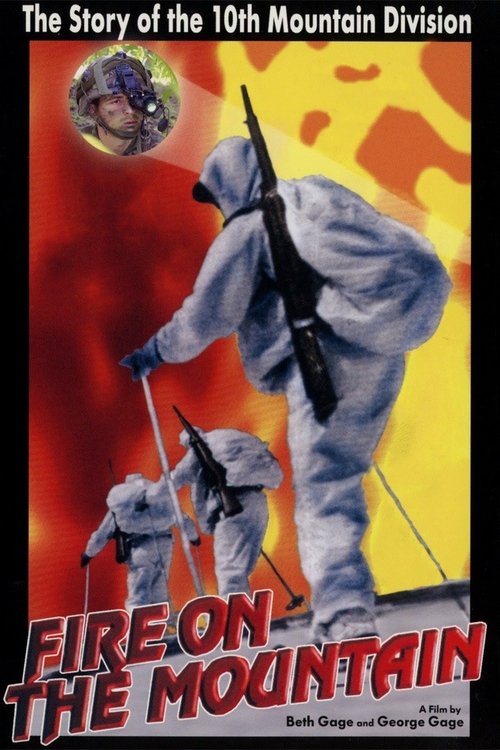
A documentary film about the exploits of the 10th Mountain Division, an elite group of mountain climbers who fought decisive battles against the Nazis in the Italian Alps during the final days of World War II. From the intensive training atop the Colorado Rockies to the spectacular night climb of Italy's Riva Ridge.
Fire on the Mountain
Filmed during the months of June and August 1984 in the Glen Canyon National Recreation Area, Mesa Verde National Park and the Navajo Nation. This program reveals scenes of the lushness of California's summer accompanied by the music of Windham Hill artists, William Ackerman, Alex de Grassi, Mark Isham, Shadowfax, and Liz Story.
Windham Hill: Western Light

Acid rain, economic development, and a century of mining pollute Rocky Mountain waters.
Poison in the Rockies
Nature is our common impressional and biological ancestor. Its history is now, an open book of essences which we have largely, through the intervention of the industrial state, forgotten how to read. This film is a return to immanence, a restorative immersion, and does what film is best at: inducing a mood of informative ecstasy.
Wilderness: A Country in the Mind
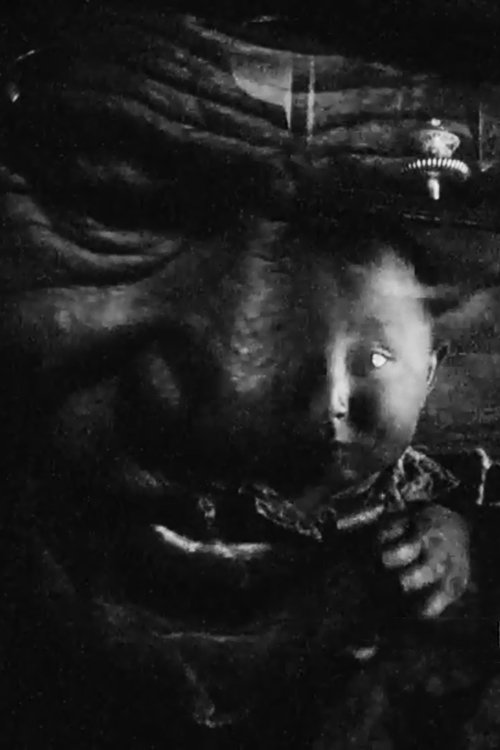
In PATH OF CESSATION the image that is communicated to us by Fulton is a highly mystifying one. Rather than analyze, or enter into a dialogue with the Tibetan culture that he photographs, Fulton has succumbed to it, and through the process has presented us a work of great surface, as well as formal, beauty.
Path of Cessation
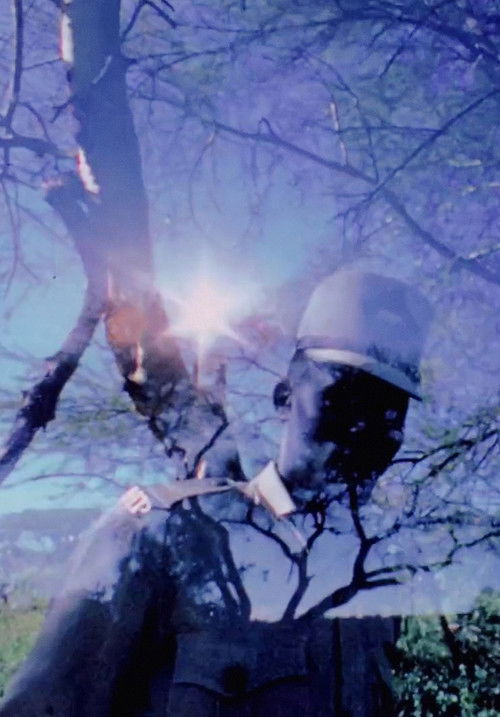
Moonchild is one of Fulton’s very earliest ethnographic projects. Filming in East Africa while on another production, he shoots with single frame bursts from his Bolex camera with an Angenieux 5.9 lens. He could shoot inconspicuously from the hip, an approach he learned from his father, filmmaker Robert Fulton Jr. In Moonchild, he shares his first impressions of Africa.
Moonchild
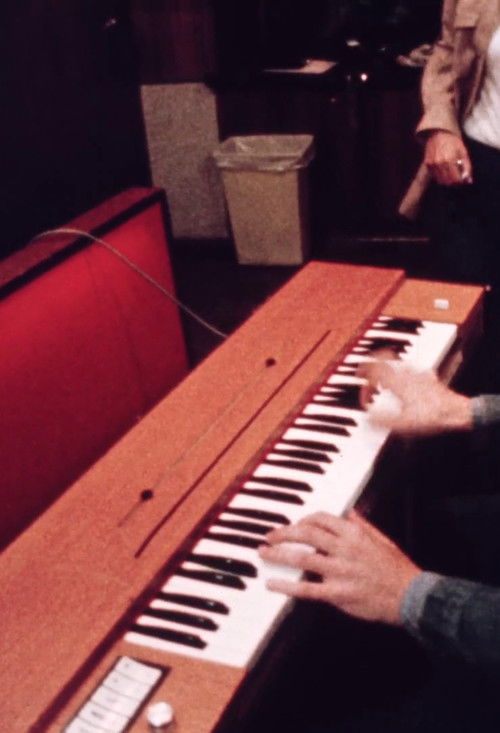
Behind the scenes look at the recording of a Dr. Pepper jingle. Commercial work.
Dr. Pepper
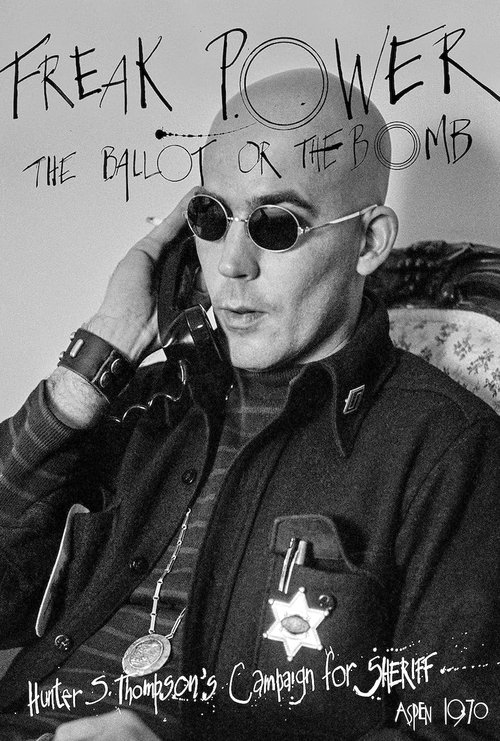
Hunter S. Thompson went to the 1968 Democratic Convention in Chicago as a journalist and returned home disgusted, yet motivated by what he’d just seen: violently suppressed protests, riots, corrupt politicians, and abusive cops. Back in Aspen, he finds more of the same. The local police and sheriff’s departments are targeting young people, harassing and charging them with absurd crimes and trying to push them out of town. Hunter decides he has to do something to change the police brutality that has become the norm.
Freak Power: The Ballot or the Bomb
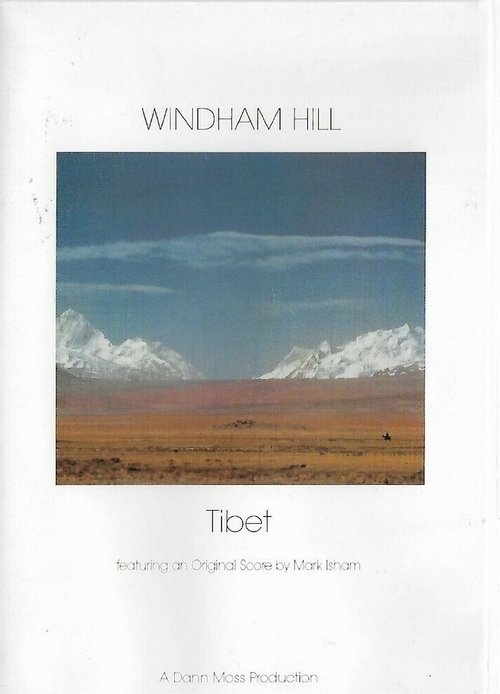
Tibet – Mere mention of the word Tibet evokes images of a rich and magical country, its culture shrouded by a remote and inaccessible location. The music on this recording was composed and arranged by Mark Isham for the Windham Hill video, Tibet. It provides a look at the place called the “Roof of the World,” where the heavens and the earth meet, and where centuries old rhythms continue. It is a brief glimpse of vast stretches of empty, high plains and snowcapped peaks. The monasteries and the monks who live there are the last of an ever diminishing religious culture which has no parallel in the West.
Windham Hill: Tibet
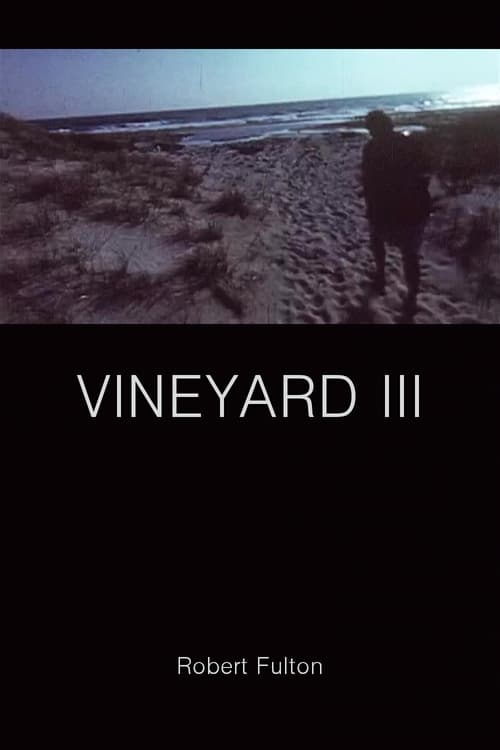
Crashing waves, the cry of a gull, silence.
Vineyard III
This dreamvideo was filmed primarily in California during the months of June and August of 1984. Featuring the music of Windham Hill artists William Ackerman, Scott Cossu, Daniel Hecht, Michael Hedges, Bill Quist, Shadowfax, Ira Stein and George Winston.
Windham Hill: Water's Path

A cascading tapestry of sight and sound, rejecting nothing, clinging to nothing, saturating and ultimately defeating the discriminating mind, until unstructured primary space begins to unfold within the viewer.
Street Film Part Zero
Short film by Robert Fulton