Acting
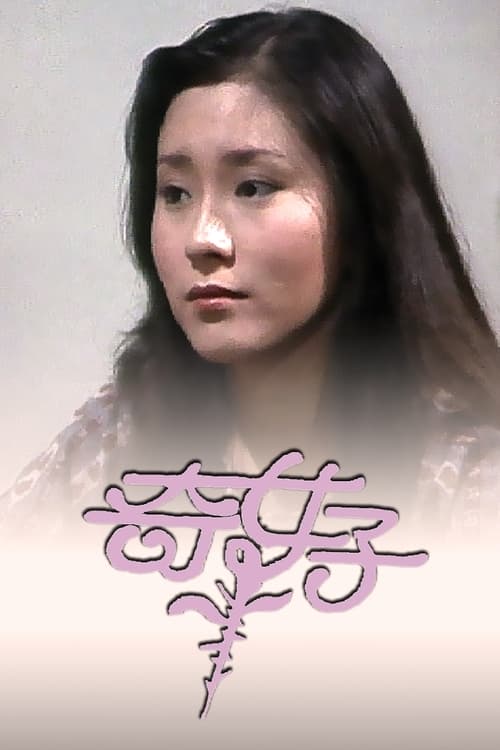
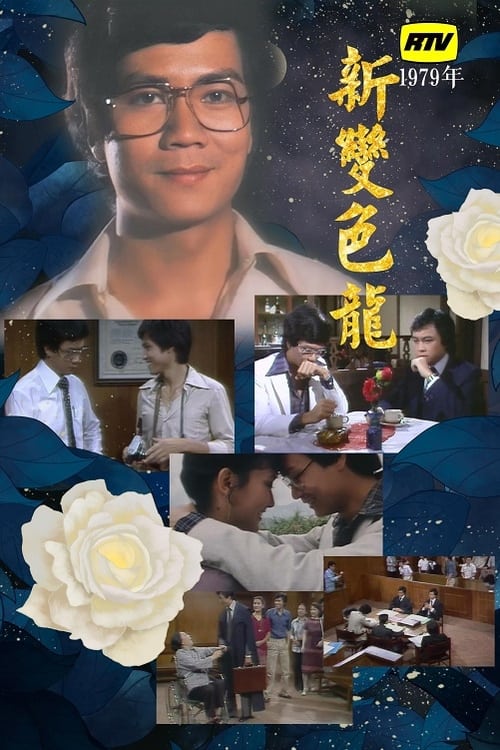
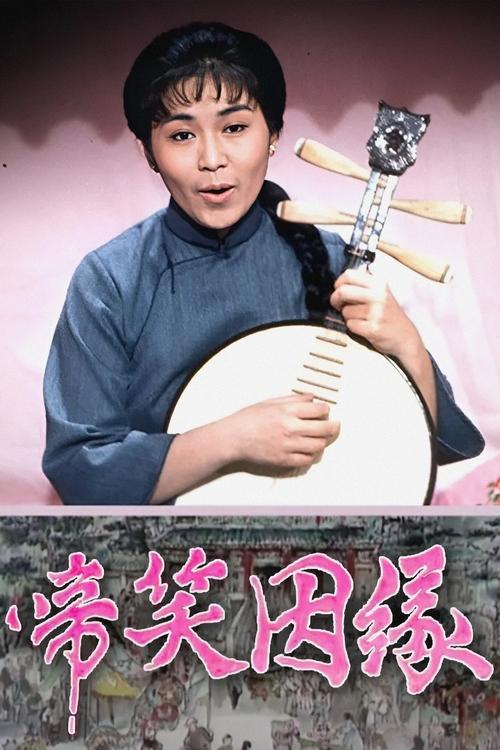
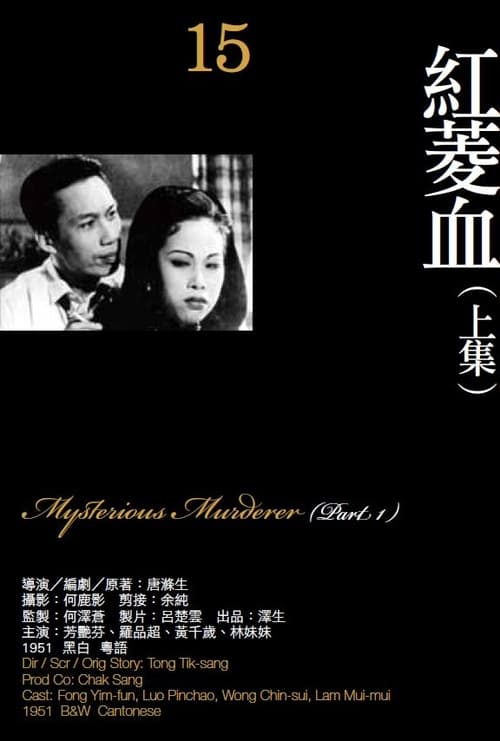
Song Fangting was pursued by Li Kangrui, and the two could fight hot, but unexpectedly, Kang Rui later empathized with Jian Ruoqi and broke up with Fang Ting. Fang Ting followed her mother's advice and became a dancer, but unfortunately met someone else. Fang Ting met Kang Rui again, and the two communicated again, but Ruoqi found out that she insulted Fang Ting in front of Kang Rui, embarrassing Fang Ting. Fang Ting was arranged to serve a general in Thailand, after which the general was killed, Fang Ting got his property and devoted herself to developing her career, and she joined the entertainment industry and became a celebrity. Unfortunately, in the end, Fang Ting ended up bankrupt and owed a huge debt, she married Ruoqi's father Jian Ruiming for money, and wanted to take revenge on Ruoqi, and the struggle between the two became more and more fierce.
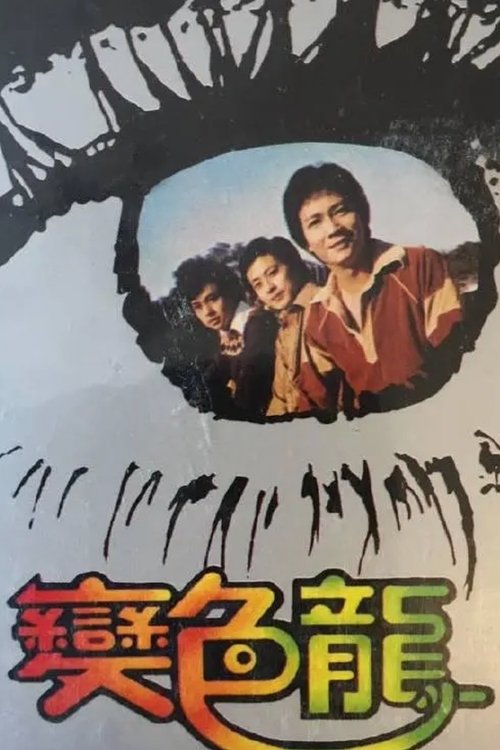
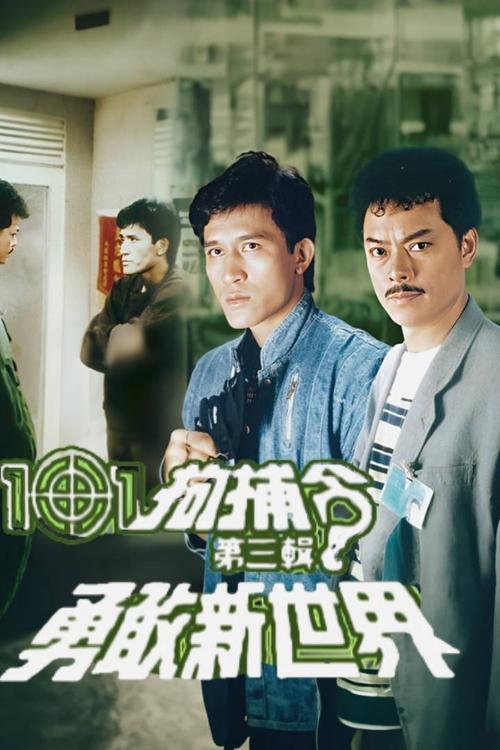
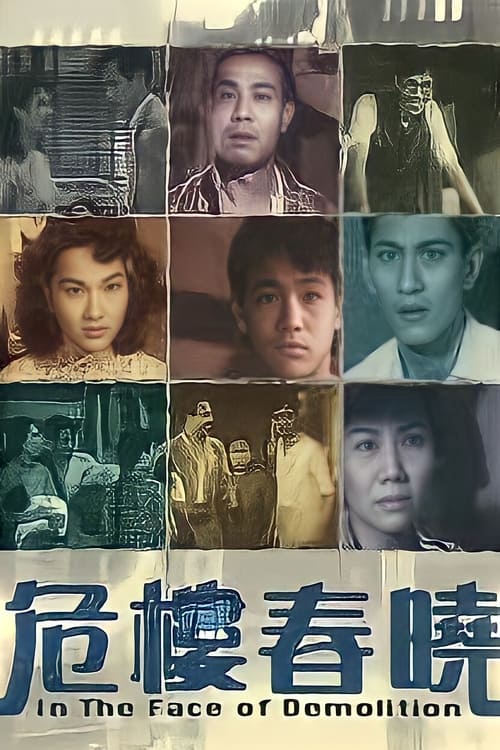
Keung, Ho, and Ching are good friends who grow up together. However, when Keung discovers that Ho killed his fiancée, he seeks revenge and uses Ching to gather evidence against Ho. The three men's relationship deteriorates, and they end up as bitter enemies. Keung is determined to bring Ho to justice by any means necessary.
No description available.
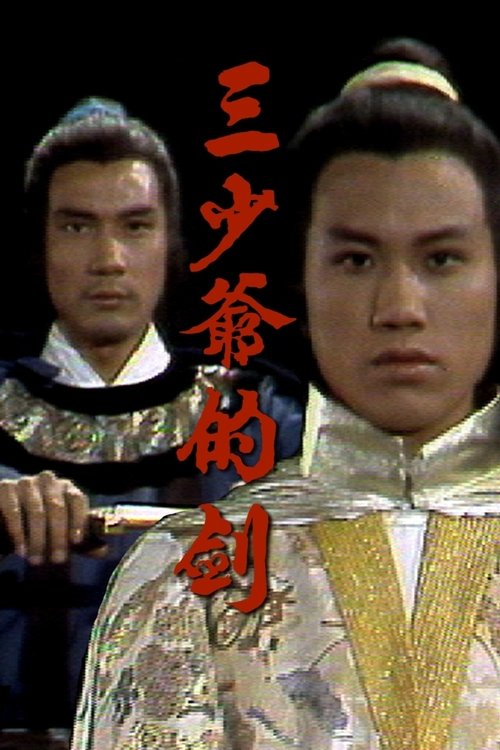
The swordsman Xie Xiaofeng and Yan Thirteen did not taste a defeat, the two met for a decisive battle, and Thirteen went to the appointment to learn that Xiaofeng had died. However, Xiaofeng did not die, he hid in a brothel and disappeared, hoping to quit the rivers and lakes. However, his identity was finally discovered, and he was retaliated by his old lover Murong Qiudi, and his belated decisive battle with Thirteen was finally staged.
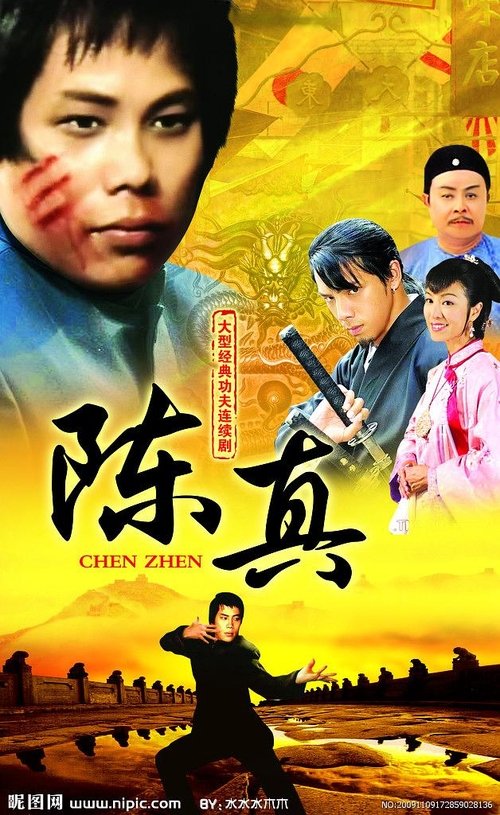
Huo Dongjue is Huo Yuanjia's son, and he and Huo Yuanjia's apprentice Chen Zhen are dependent on each other. The two travel around the world, enjoying their grudges. Chen Zhen has always been strict with Huo Dongjue, hoping that he can grow into an upright and promising young man. The Japanese martial artist Sato wants to dominate the Chinese martial arts world. In order to combat Sato's gradually rising power, Chen Zhen decides to rebuild the Jingwu Sect. Sato was very unwilling to suffer the blow, so he kidnapped Huo Dongjue, hoping to get Chen Zhen into committing suicide. After learning that Huo Dongjue had been kidnapped, Chen Zhen was extremely anxious and immediately decided to bravely break into the tiger's den alone. However, there were so many enemies that Chen Zhen was outnumbered, and was eventually killed by Sato's trick. However, before his death, Chen Zhen was so heroic that he greatly weakened the power of Sato's party and promoted the glory of China.
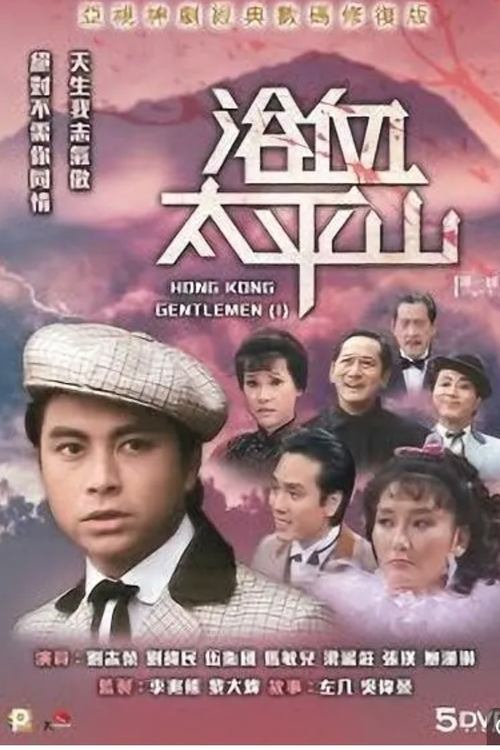
This early leftist social drama from Hong Kong offers a panoramic portrait of a crumbling apartment complex and its down-and-out denizens, including a taxi driver, an unemployed teacher, a professional reduced to selling his blood and, of course, a venal landlord. In addition to establishing an omnipresent theme in Hong Kong cinema – the plight of the urban poor – the film is also a prime example of the popular melodramas of the time, which featured displaced Mainland film stars.
A Hong Kong drama
Orphan Lee Dan-hung is made a scapegoat by her cousin Chor Kwai-ping. Facing drug trafficking charges, Lee is released on parole with the doctor To King-chung as guarantor. Lee works as a sanatorium nurse. The modest caretaker, Matriarch To plays matchmaker for her son To Ngan-sing and Lee. Ashamed of her past, Lee listens to the doctor's advice and keeps the Tos in the dark. Chor returns and coerces Lee into colluding with smuggling ring by threatening to kill her newborn daughter. The reluctant Lee is arrested in a police raid together with the gang members but is later acquitted. With a reputation to defend, To toughens his heart and expels Lee. Lee leaves for Borneo with a touring opera troupe but a yearning for her daughter brings her back several years later. Feeling for the upset in-law, Matriarch To grants her stay until his son's return from business in a few months' time. When To returns, he decides to make up for the wasted time by bringing Lee and her daughter home.
Hong Kong horror movie from 1950.
Early Shaw Brothers thriller.
A traitorous businessman conspires with commanding officers to sell military supplies to the enemy. The plan is discovered by a group of poor but righteous people led by Lui Pang (Cheung Ying), who join hands with the guerrilla group to foil the plot. While making a harsh statement on those who exploited the national crisis to get rich, Tang Xiaodan portrayed vividly the sorrow and joy of the working class as well as an altruistic utopianism. The film begins with a song by Leung Mo-sik that describes the severity of war and the hardships endured by common people, intercut with real footages from war zones. The anti-war sentiment of the film is less political in nature and imbued with grave and genuine concern for the poor.
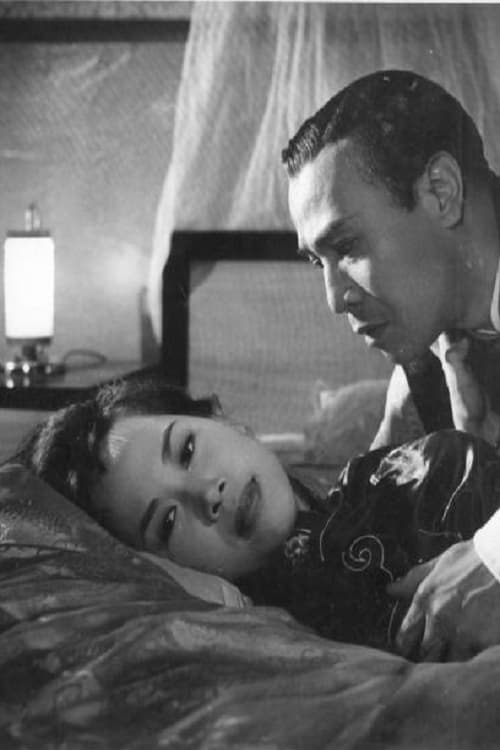
Fong Yim-fun puts on a tour de force as an ill-fated woman, separated from her lover through an arranged marriage to the terminally ill and impotent son of a warlord. The power struggle within the family led to an inevitable murderous consequence. Seven years later, the heroine's ex-lover, now an ambitious detective, is keen to solve this almost forgotten case, only to discover that he is also part of the enigma.