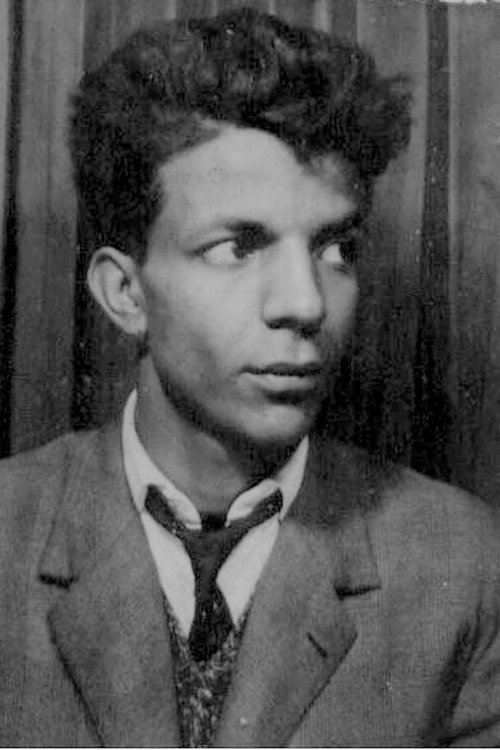
Ahmed Bouanani
Directing
Biography
Ahmed Bouanani (Casablanca, 16 November 1938 - Demnate, 6 February 2011) was a Moroccan film director, poet and novelist. He was best known from the 1979 film The Mirage, which featured as no.61 on the list of the best and most important 100 Arabic films commissioned by the 10th Dubai International Film Festival in 2013. In 1983 he also made a comic strip for the newspaper Al Maghrib. In addition to filmmaking, Bouanini wrote three collections of poetry and one novel, The Hospital, translated into English by Lara Vergnaud and published by New Directions in 2018.
Known For
Tahar is a retired blacksmith living with his son from his first marriage. After seeing his late second wife in a dream, he decides to visit her grave, in Azemmour. In the trip, he meets Driss who is going to Essaouira, looking for his mother whom he has never known after receiving a letter about her. The two men go to Marrakech together where Driss gets a combination motorbike that Tahar calls "wind horse". And they begin their journey together, first to Azemmour, then to Essaouira, looking for their past.
Wind Horse
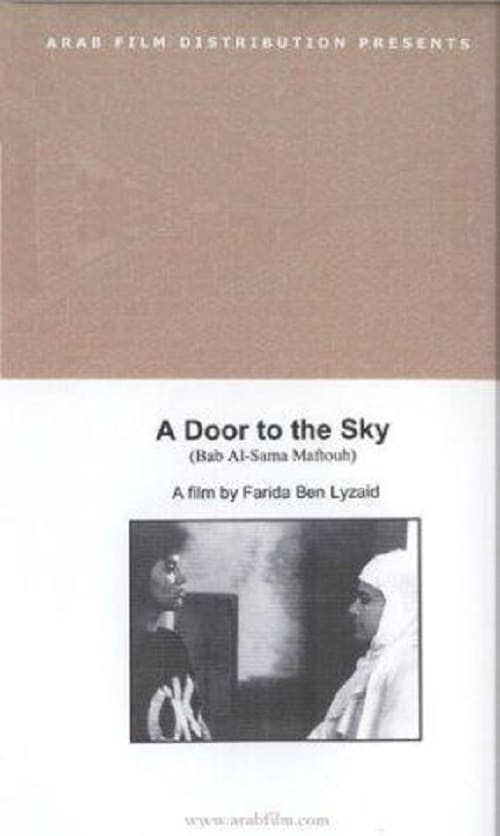
In this Sufi tale, Nadia, a young Moroccan emigre returns from Paris to Fez to visit her dying father. At his funeral, she is overcome by the voice of Karina chanting the Koran. A powerful friendship develops between the two women as they decide to turn the father's palace into a shelter for Muslim women.
A Door to the Sky
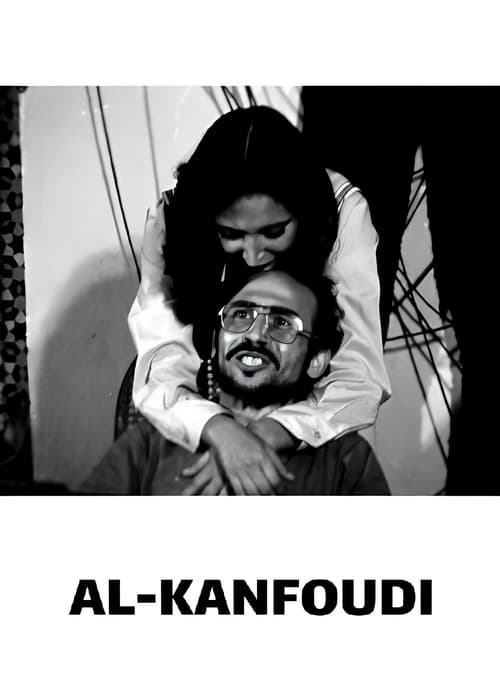
Hamid Kanfoudi, an orchestra conductor, wins the lottery. Contrary to his beliefs and expectations, he sees no improvement in his life.
al-Kanfoudi
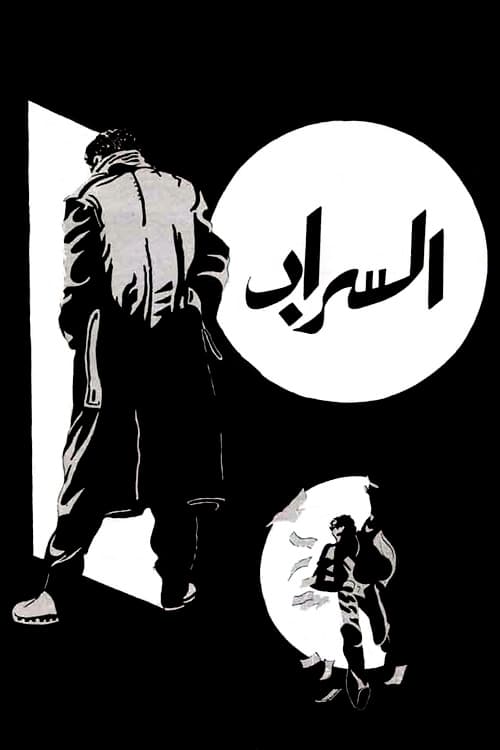
Ahmed Bouanani’s first feature film played a pivotal role in bringing experimentalism to Moroccan cinema. It’s a fable-like story of a poor young farmer who finds treasure in a flour bag. This takes him on a journey where nothing is as it seems. The film’s narrative structure frequently makes reference to mythology and literature, utilizing Morocco’s rich history and oral traditions.
Mirage
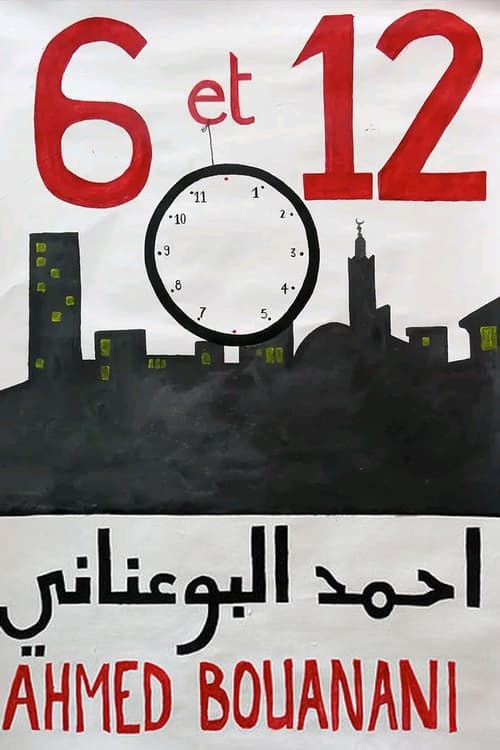
Six and Twelve is one of a series of short films and documentaries produced under the auspices of the Centre Cinématographique Marocain in the years after Moroccan independence. While most of these were utilitarian in nature, Bouanani, Tazi, and Rechiche took a different route with this film, creating a modernist “city symphony” film that documented six hours in the life of the city of Casablanca. Combining a hard bebop soundtrack with stunning black and white cinematography and a radical editing style, the film stands as a document to the energetic experimentation of this period of Moroccan art and cinema.
Six and Twelve
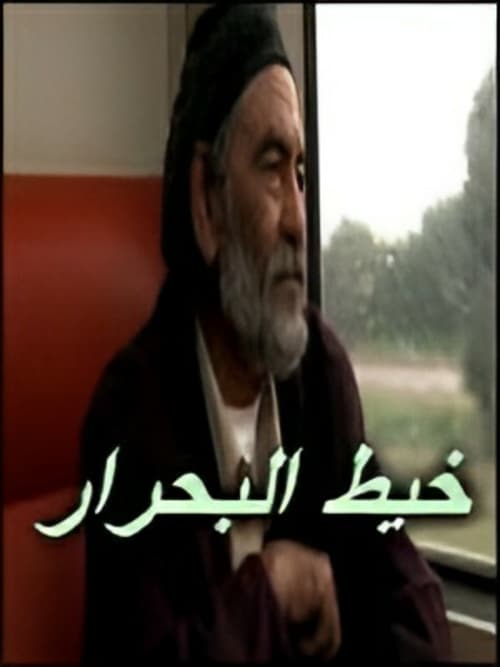
A father searches for his son after he disappeared from view, especially after doubts were raised about his possibility of joining extremist groups
The Shell Necklace

Heper's 7-minute short "Dawn" follows, in a single space between two windows, a triangular love relationship of three people.
Dawn
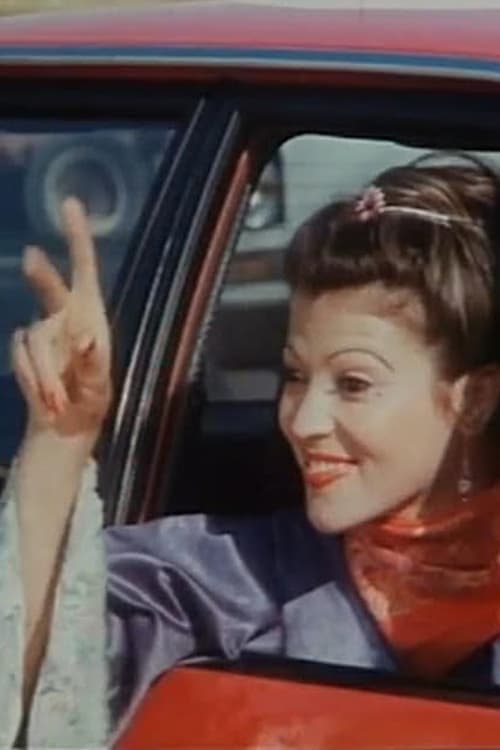
Said, an eight-year-old boy, is tasked with returning his mother's caftan to the tailor. On his way back, he steals the caftan. Fearing his mother's punishment, Said travels from Salé, where he lives, to the neighboring city of Rabat with his aunt to ask for help. During this journey, Saeed discovers another side of the city and society...
From the Other Side of the River
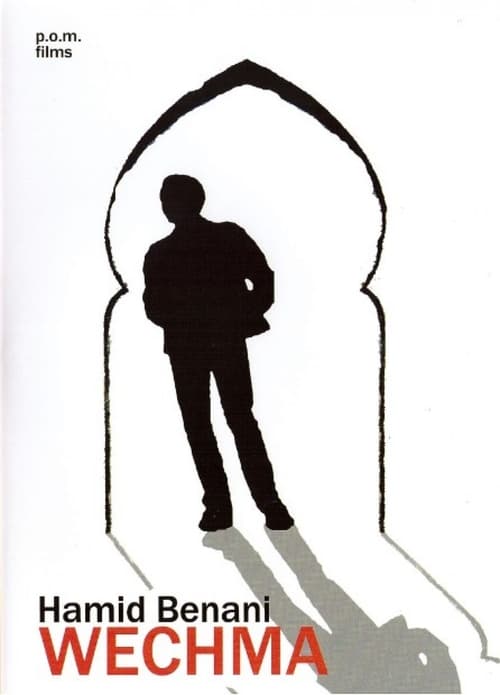
The story of Massaoud, a rebellious young man, oppressed by both his family and the sclerotic society.
Traces
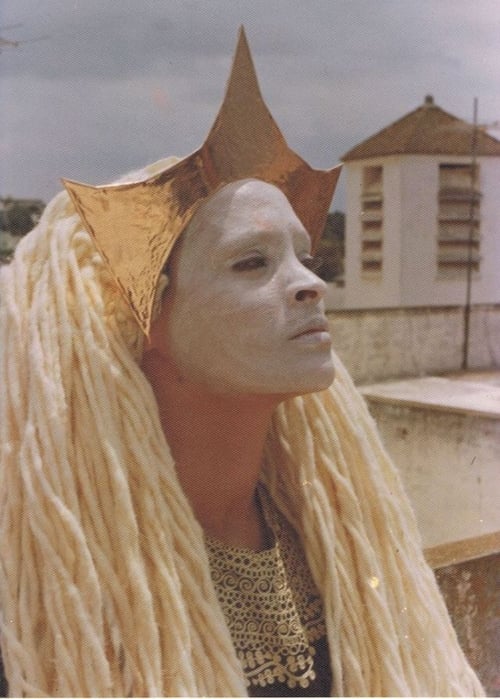
Ahmed Bouanani’s Al-Manabe' al-Arba'a (1974), a very low-budget fantastical adaption of a poetic fable, features his wife Naïma Saoudi, who also worked as an art director and set designer. It is his only film in colour, which convinced him that his vocation was to work in black and white.
The Four Sources
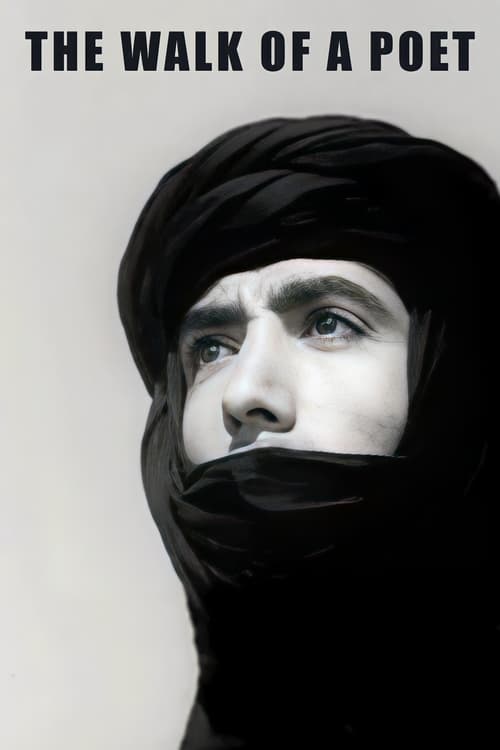
A man from Tarfaya, penetrated by the magnificence of his country, the power of its beauty and the nomadic life of his ancestors goes in search of a great popular poet. He would be able to teach him wisdom, music, and the wonderful art of singing and poetry.
Tarfaya (or The Walk Of A Poet)

Crafted exclusively from film archives, Thakirah Arba’at 'Ashar (1971) was Ahmed Bouanani’s first feature, but the censors forced him to cut it down from 2 hours and 18 minutes to 24 minutes.
Memory 14

Ali Essafi visited Bouanani three years before the latter’s death. The filmmaker, poet and novelist who also made drawings was leading a reclusive life in a remote village with his wife Naïma and many cats, living in the midst of huge piles of books and manuscripts.
Crossing the Seventh Gate
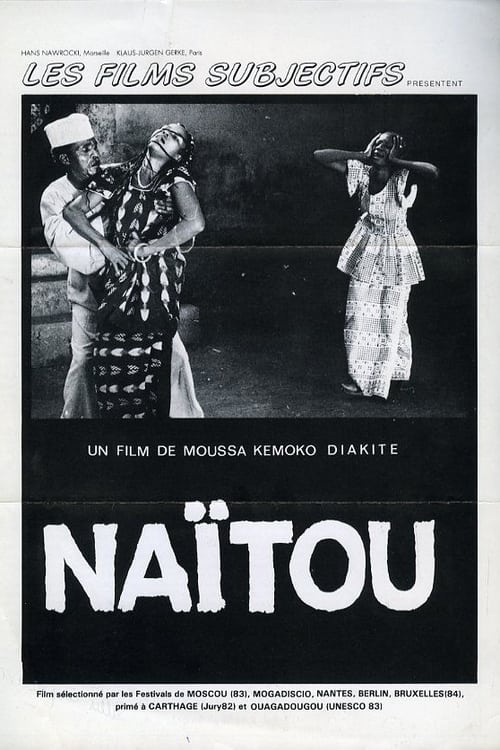
A musical about a young girl, Naitou, whose mother is assassinated by a jealous stepmother. The stepmother abuses Naitou and prevents her from taking part in the traditional initiation for all young girls. The stepmother is finally punished by an old lady who symbolizes justice. The film's originality lies in the fact that it is narrated through dance and music by the Ballet National de Guinée.
Naïtou, the Orphan Girl
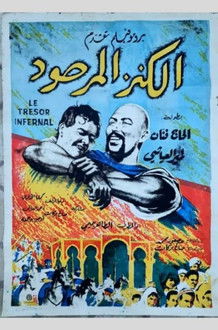
A plowman finds a treasure in his field but when looters rob him of his find, his son Farès starts chasing after them.
The Devil's Treasure
One day, a potter buys an old frame in which to put the family photos. But the merchant refuses to sell the frame without the photo of a stranger that it already holds. The potter sets off to look for the stranger in order to give back the picture.