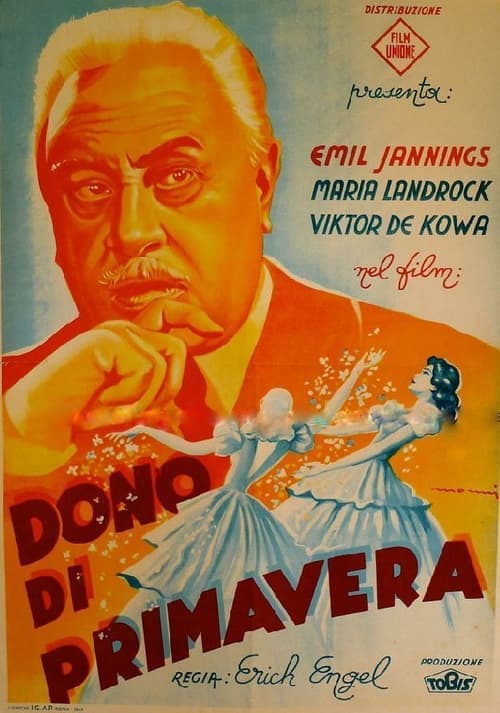
Acting
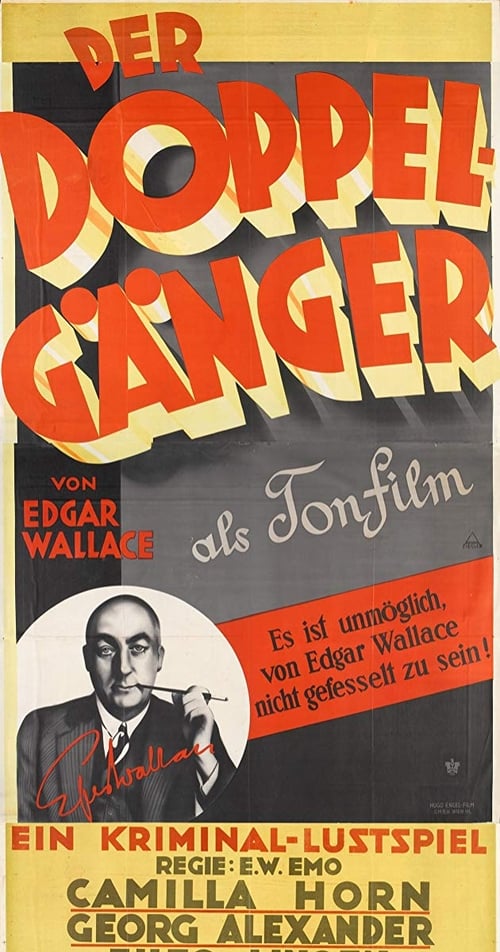
Jenny confronts her cousin Harry: Did he embezzle her fortune? No. But he escapes with married lover Germaine only to return quickly because her husband pursues them. Jenny is convinced Harry is his own double and arrests him at gunpoint.
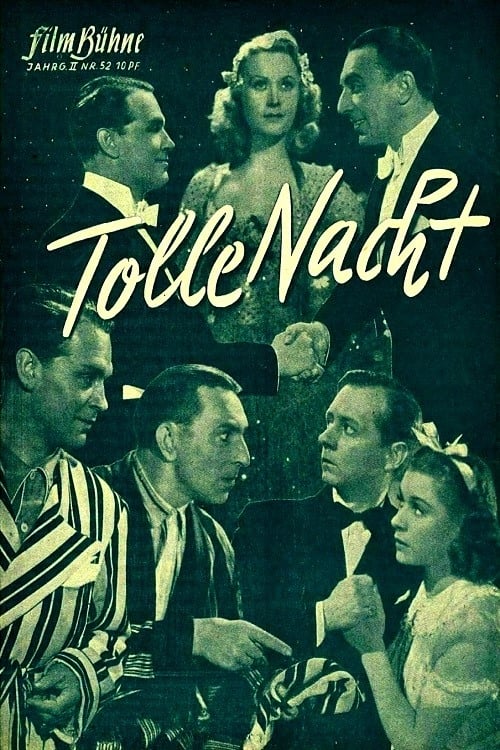
The niece of a wealthy manufacturing aunt has secretly married. Her husband has lost his way during the night in his pajamas at a spa and ended up on the balcony of an attractive singer.
Walter is in love with the 17-year-old Erika, but she raves for older, experienced men. When Walter and Erika visit his parents' estate after passing their exams, Erika shows increasing interest in Walter's father, Werner von Schlettow.
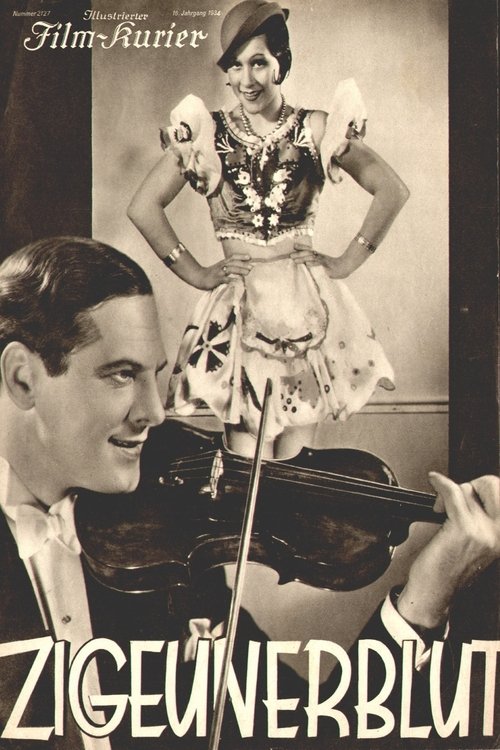
Princess Stauffenstein has arranged a marriage for her grandnephew Poldi and orders him to meet his unknown bride Steffi. But he falls for alluring dancer Ilonka while his uncle Leopold, sent to reason with him, is enchanted by Steffi.
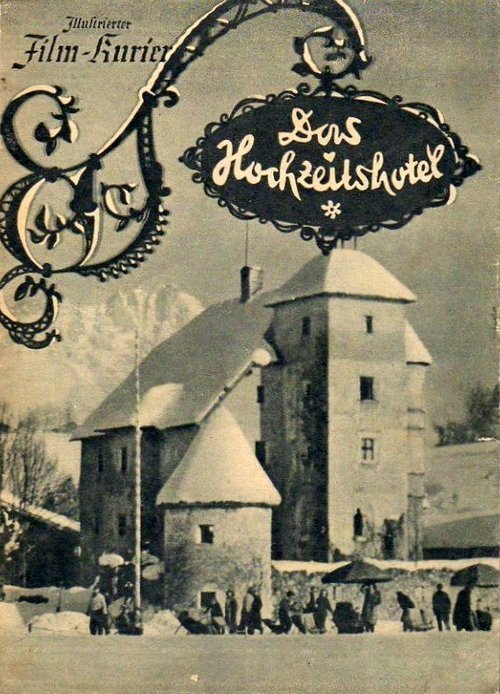
A group of artists and journalists enjoy a series of romantic entanglements in a country hotel. An author, Vera von Eichberg "of whom no photo exists," has mentioned the hotel in her work, boosting its notoriety. When another female guest arrives, everyone assumes she is the author, despite her repeated assertions to the contrary.
Legendary, immortal nobleman Baron Munchausen regales a lovestruck woman with tales of his amazing adventures.
Professor Dr. Burkhardt is a much celebrated surgeon. Obsessed with his career, he is always available when an unexpected operation comes up. That his personal life is suffering because of this obsession is something the successful doctor doesn't notice. His wife Vera, who, after the death of their three year old son, is always alone anyway, feels increasingly neglected. And the love, which she apparently isn't able to get from her husband, she seeks from Dr. Groone, her husband's assistant.
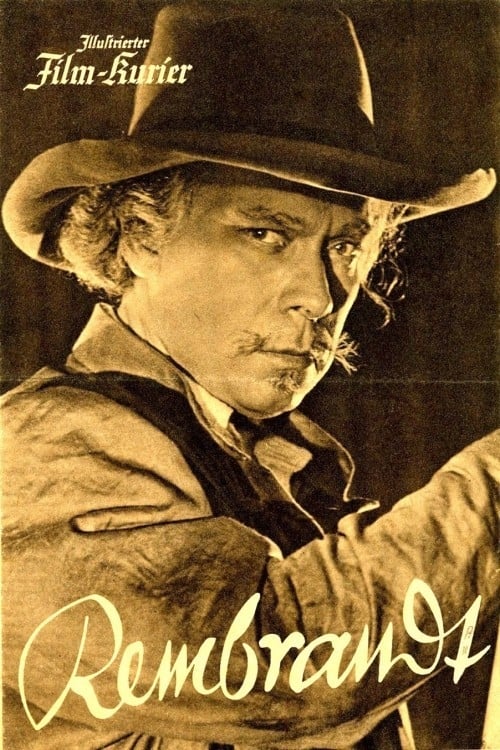
Already a famous painter, Rembrandt van Rijn is commissioned to paint the Amsterdam Archers' Guild. But upon completion of the picture, the men of the guild feel duped, because they don't consider themselves flatteringly depicted in the painting. They therefore decline to pay for the work. During this dispute, the painter finds out his wife is close to death. He finds himself terribly lonely after her passing and suffers from depression until he decides once more to marry.
Alexander and Poldi, the “Sunday Children”, work as a headwaiter and servant in the Palasthotel in a southern German spa resort. Like many people, they dream of one day being rich. But when their lottery ticket actually wins, their friendship is destroyed, when it turns out, that Poldi stopped buying tickets to save money. Both then fall in love with beautiful Steffi, whose aunt won’t hear of anything other than a marriage to a rich man. Steffi gives her heart to poor Alex, while Poldi actually receives a fortune. When a crook ends up taking his money away, Alex helps Poldi to convict the fraudster and get his money back.
Xanten am Rhein, 1870/1871. Roffer Rottwinkel has two sons. His favorite is Mathias, whom he prefers to Lonius, a quiet and introspective man. Lonius, for his part, is shyly revering Christine ... and his brother's in love with her, too. For this reason, the father sends Lonius away, to fight in the Franco-Prussian War, which turns the introverted boy into a brave and strong man. Highly decorated, he returns home. In the meantime, his brother Mathias and Christine are unhappily married. Mathias is slipping more and more and finally becomes a con man. As Lonius is still very much in love with Christine, he wishes to save his father's business from ruin and rebels against his brother, who now goes to extremes.
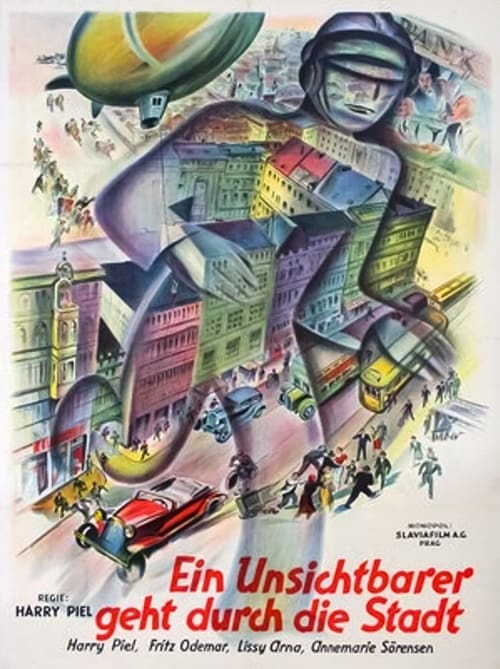
A taxi driver, (Piel), finds an odd contraption on the back seat that renders him invisible, but his friend steals the device to rob a bank. An inventive comedy.
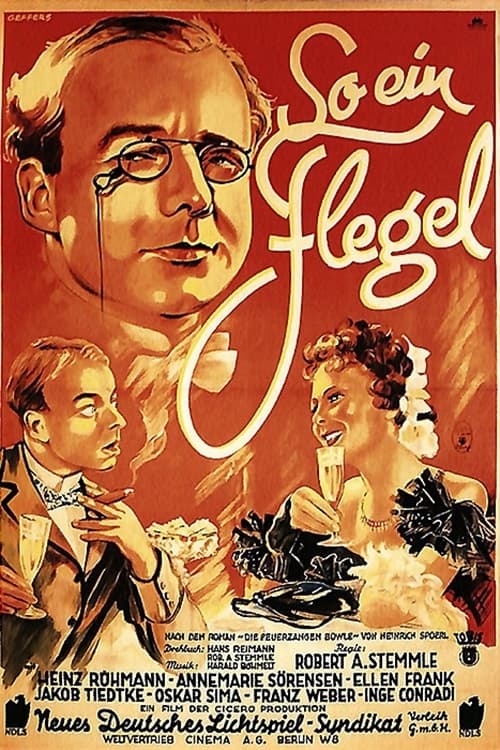
The great Dr. Pfeiffer plays the little Primaner Pfeiffer. As the successful playwright Dr. Hans Pfeiffer, he is planning a play about school. In order to gather material, he takes the place of his brother, who is a primary school pupil. The seasoned doctor finds pleasure in the craziest of pranks, while his brother tries to fill the role of theater man in the big city. And then love intervenes for both of them.
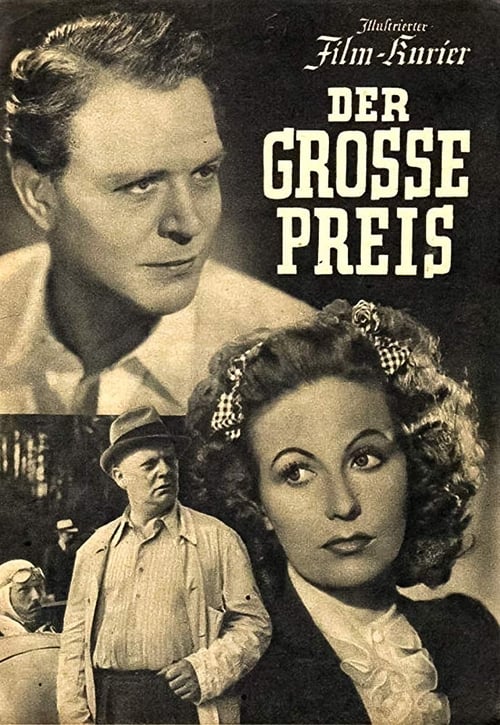
The moral is simple: keep your mouth shut, especially when you're working during the wartime in a factory, which produces racing cars only, or someone can (or even must) get murdered. Not a good movie, not a bad either. The ending is abrupt and artificial, which seems to be a common plague of Third Reich's crime movies. Gustav Fröhlich could never get rid of his silent era mannerisms and overacting. But on the other side, this film is not boring and has to offer some decent plot turns and acting.
A man comes into money unexpectatly. That's when the trouble starts.
A car tells its story and the story of its seven owners during the years of the Third Reich.
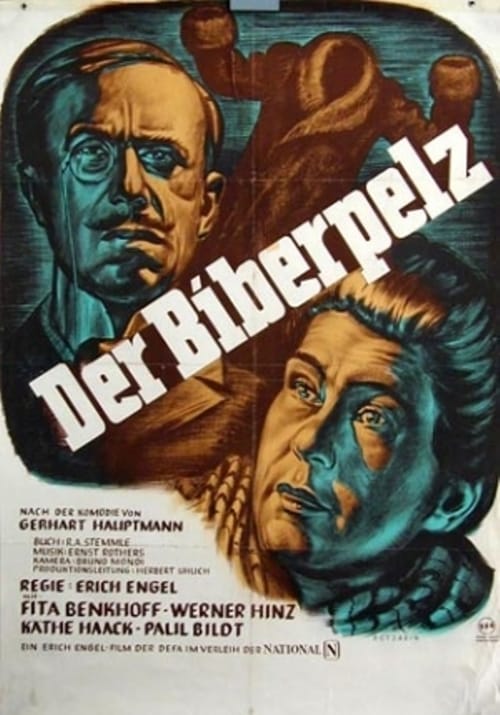
Mother Wolffen, a washerwoman, is a woman of principle: A poor man must do what he must to get through life, only he mustn't get caught doing it. All sorts of crooked deals contribute to the improvement of the daily menu and the increase of household funds. When everyone is searching for pensioner Krueger's missing beaverskin coat, Mother Wolffen and her family are calmly enjoying fresh roast venison.
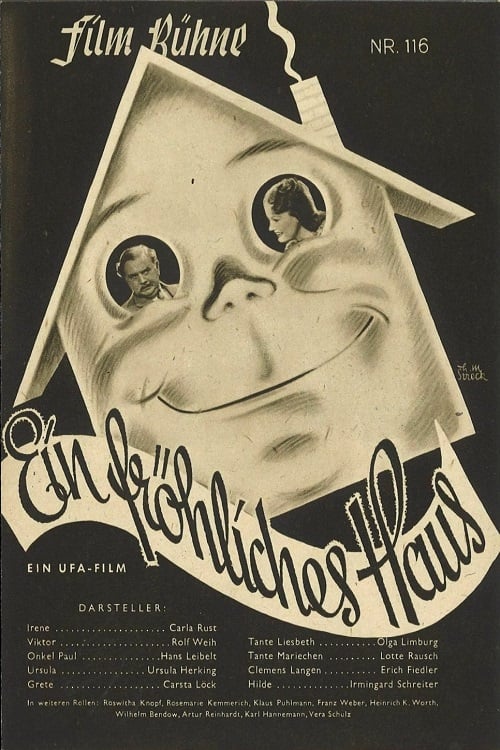
Viktor Werneberg is a widowed swimming instructor with three children, who meets the sophisticated Irene Müller advice column in a newspaper. Although the two strike up a bond he is concerned that his chaotic household, including a lazy uncle Paul and an domineering housekeeper Grete, will put Irene off.
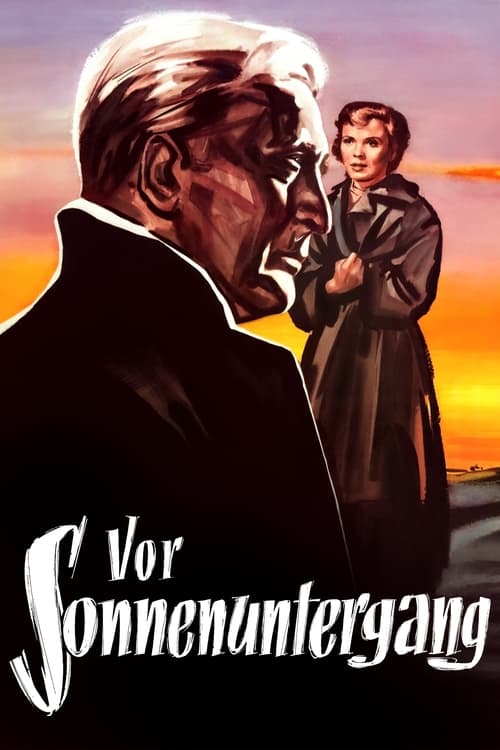
Based on a play by Gerhardt Hauptmann, the film details a bittersweet May-December romance between ageing Mathias Clausen and young, beautiful Inken Peters.
Yvette is the daughter of a courtesan who serves men of wealth and status. She is unaware of how her mother makes money and why they are always in the presence of princes, dukes and barons. Only when Yvette goes away on a holiday she realizes that the Banker Saval is engaging her mother in such activities, she suddenly feels dirty.
All throughout his entire life, Friedrich Wilhelm Hoffmann let his career run roughshod over his personal life. He had no wife, because he was married instead to his chocolate factory. Now he’s old and gray, and his relatives, who are greedily waiting for him to kick the bucket so they can get their hands on his worldly goods, keep their distance from him. Then one day, an astonished Hoffmann is visited by a young woman named Brigitte, who asserts, that she’s his granddaughter. Suddenly, it all comes back to the old man: as a young man, he had a short, but intense, love affair, which he had to end on the insistence of his father.