Nenad Puhovski
Production
Known For

The Eurovision Song Contest is an international song competition, organised annually by the European Broadcasting Union (EBU) and featuring participants representing primarily European countries. Each participating country submits an original song to be performed on live television and radio, transmitted to national broadcasters via the EBU's Eurovision and Euroradio networks, with competing countries then casting votes for the other countries' songs to determine the winner.
Eurovision Song Contest

With his film Generation '68, the author makes a homage to the generation with which he shares his youthful enthusiasm and the idea about a revolution that will change the world, while being "realistic and demanding the impossible". At the same time he questions the true impact of these changes on social and - probably more important - private level. Having ideas is easy; making them look credible to the generations that follow is somewhat more difficult. By rejecting the ideals of the 1968 as unworkable, the new generations are coming up with some of their own, maybe even more unrealistic ones...
Generation of 68'
‘Dead Harbor’ deals with the people who were living in worst asylums at that time – institutions in which the society was throwing a way all those who they wanted to get rid off and marginalize: psychiatric patients, alcoholics, old people who no one wanted, ex prostitutes and the other social cases. Work was filmed in Asylum for adults in Bidružica. Without any real care or therapy, under hard sedatives and drugs, inhabitants of Asylum wasted their days without any meaningful activities – walking in circles in the yard, sitting on the benches or in the best case drinking in local pubs.
Forbidden: Dead Harbor
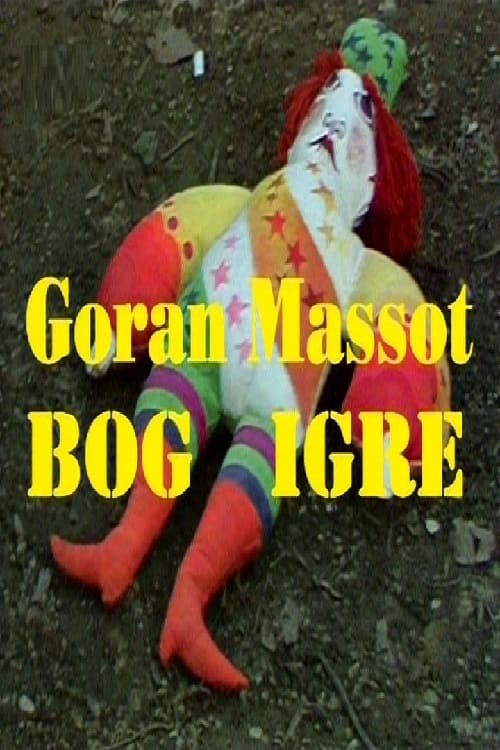
The plot depicts lives of several young people from Zagreb from the perspective of a girl carrying a “god of the play” doll.
God of the Play
The urban space of Zagreb is dominated by the investors' interests, while the identity of neighborhoods and the quality of life of residents are threatened.
Not for Sale
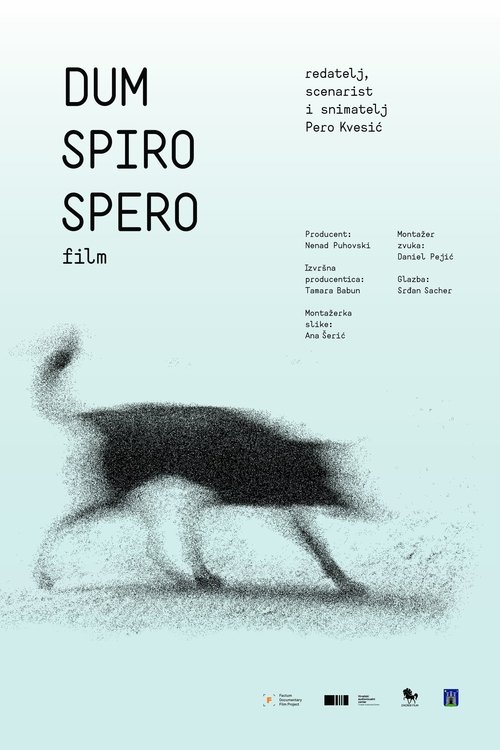
Well-known Croatian author Pero Kvesić, who has been struggling with a severe lung disease, documents his death from his own point of view. Recording his everyday struggle, the picture resembles a peculiar blog filled with self-irony and witty comments about life and death. Although the world around continues to shrink, the hero and the director in one does not cease to fill it with sense.
Dum spiro spero
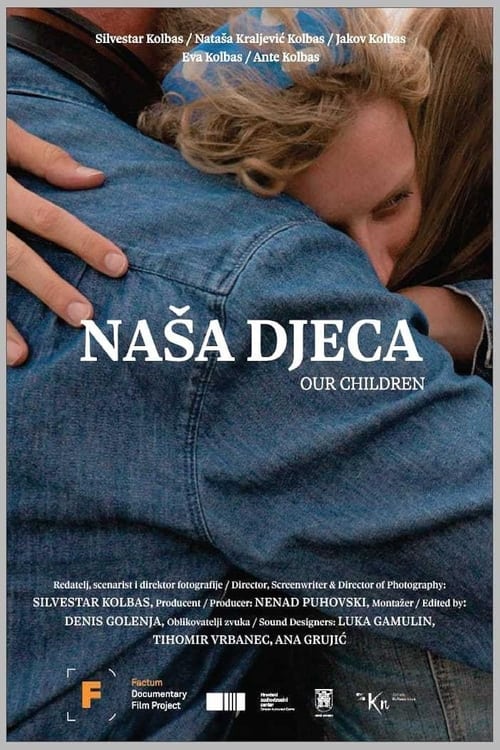
How do the children affect the feelings and opinions, as well as the relationship between Silvestar and his wife? How does he affect each child? Do children change him? Does each of them do it differently?
Our Children
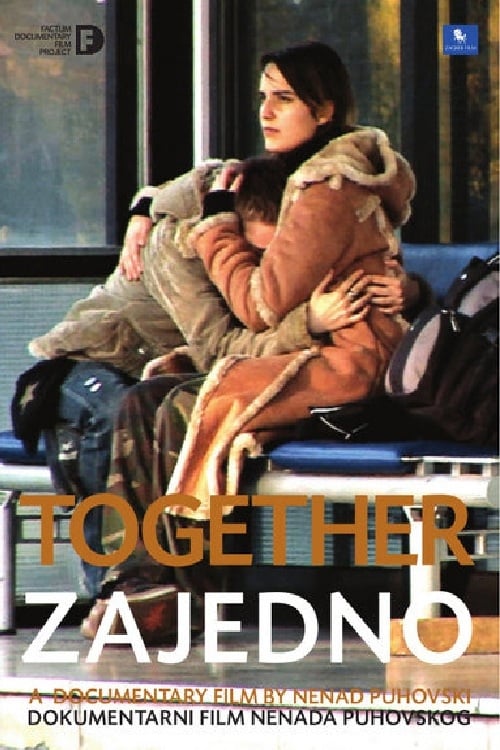
Love has probably never been so commercialized and falsely portrayed as today. It became a commodity that everybody can afford. However, very often the real picture is something completely different.This film tells about this different picture.The film "Together" tells about love relationships that encounter difficulties. Those are real difficulties that test not only the relationship but very often also the destinies of the persons involved.
Together
Milan and Silvana live in Medulin, a small coastal town in Croatia. Milan rears cows on the nearby island of Finera, tending them daily, as many did before him. But Silvana wants much more and keeps complaining that Milan should pay more attention to their house and possibly rent it to tourists. However, a dramatic event in Milan's life will clearly show that the times have changed and they are not getting any younger.
On Cows and Men

We begin with a fragmented portrait of Činča, between the stories she tells and the thoughts of those surrounding her. In The Head, a girl is confronted with the possibility of dying. Intermezzo focusses on the moments of abstraction amid the hustle and bustle of a city. In Our Stock Exchange, unemployed people seek work. Second Floor, Basement shows us a hospital where only two floors separate birth and death.
Cinca

An intimate story about the author's search for her brother who went missing in action during war in Croatia in 1991. In a way, the film is a follow-up of the author's grandmother whose husband was killed in World War II. For the rest of her life the grandmother was awaiting his return. The Boy Who Rushed won numerous national and international awards, including the annual Vladimir Nazor Award for Film. It was shown at more than twenty international festivals. In 2001, it was Croatian candidate for Oscar for Best Documentary Film. The Boy Who Rushed is one of the best and most awarded Croatian documentaries in the past two decades.
The Boy Who Rushed
Combining the style of a documentary essay and stop motion animation, and inspired by the short story "Palle Alone in the World", Puhovski shows the fantastic, but also terrifying world of Miroslav Šutej's "mobiles". In that world where there are no people, "mobiles" move independently and have their own life, parallel to the life of people, who, due to the different dimensions they live in compared to "mobiles", simply do not notice them.
In the Quest for Sutej
In a flurry of social anxiety, entertainment and general unpredictability, we get an idea of what it is like to experience a documentary film festival, and what stays with us when it is all over.