Jacques de Casembroot
Directing
Biography
Jacques Louis Georges Auguste de Casembroot, born in Brussels on November 19, 1903 and died in Boulogne-Billancourt on November 7, 1988, is a French director of Belgian origin. He would have used the pseudonym Jean Milva to make “Le Perroquet Vert”, a film for which he was the screenwriter. His career spanned from 1928 (first known title: "Ernest and Amélie or Le cruel destin") to 1971 (last known title: "Les Rencontres de Mérimée"). This very important director in the field of short films has shown great expertise in a series of documentaries with very careful writing. Among his works of fiction, we owe him in particular “The Guardian Angel” (1942). Died on the eve of his 85th birthday, Jacques de Casembroot is buried in the Parc cemetery in Clamart not far from the grave of his compatriot the actress Laure Paillette.
Known For

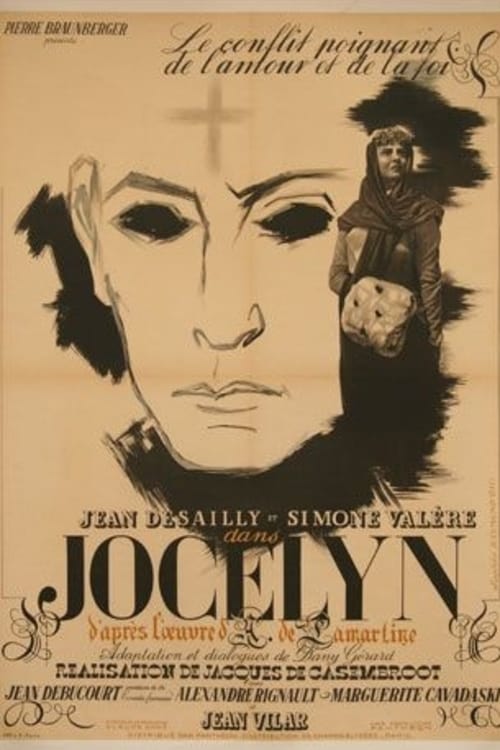
In 1786, Jocelyn entered the Seminary. He leaves his share of the inheritance to his younger sister Julie. In 1793, on the point of being ordained a priest, the Revolution forced him to take refuge in the Alps. There he meets Laurence, first disguised as a young boy. A great friendship binds them which turns into love when Jocelyn discovers the girl's true identity. Yet faithful to the promise he made to the Superior of his Seminary, Jocelyn will not abandon his faith.
Jocelyn

A proud femme fatale who works at a mountainous farm property manages, after being prodded by her lover, to become the heiress, but she plays the rival men against each other.
Wench
Because he spent his youth with a gang of thugs, a tennis champion is forced to help his former comrades rob his mistress's house. He opposes it and is seriously injured the day before a match, he loses it. The one he loves learns the truth and keeps her love for him.
La dernière nuit

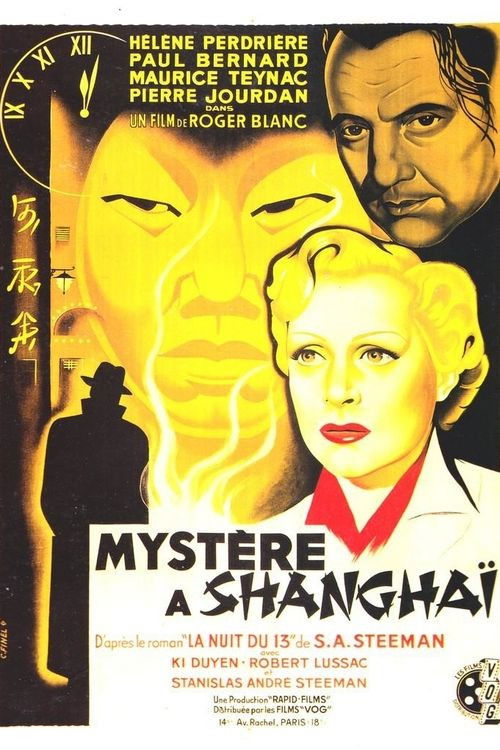
In Shangai, the "Green Dragon" threatens to kill Herbert Aboody, a rich exporter, unless he pays him 50,000 dollars. One of Aboody's secretaries calls inspector Wens for help. An amazing fact occurs, Wens kills Aboody and then disappears. What is the key to this mystery?
Mystère à Shanghai

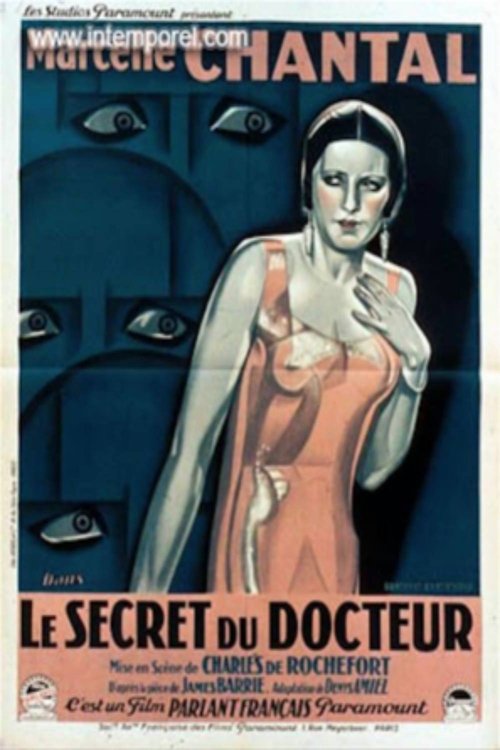
A young woman is married to a cad. She writes him a break-up letter and decides to run away with her lover to Egypt. But her lover is run over by a car and a doctor friend advises her to go back home.
Le secret du docteur

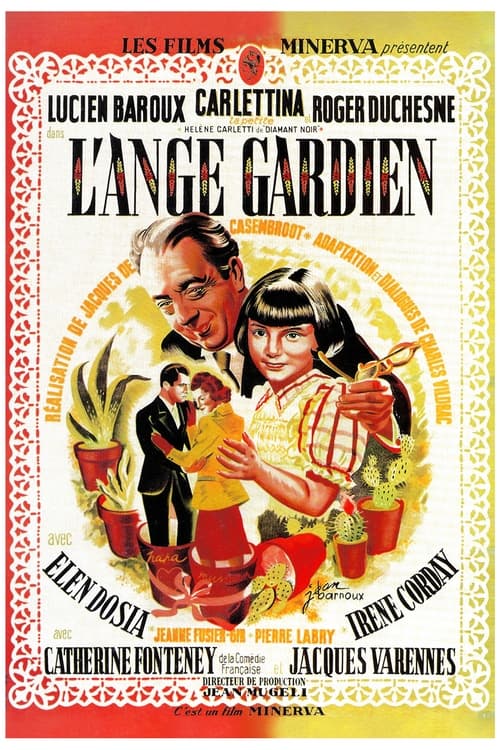
A former colonial official lives far from Paris with a dry cousin who pays attention to his heritage. He never took care of his son, married to a singer, even less of his granddaughter Colette. The chances of life mean that the grandfather is obliged to take in Colette for a while. This works wonders, unmasks the cousin conniving with cronies, unravels the intrigues, thwarts the machinations and reconciles all the members of the family.
L'Ange Gardien

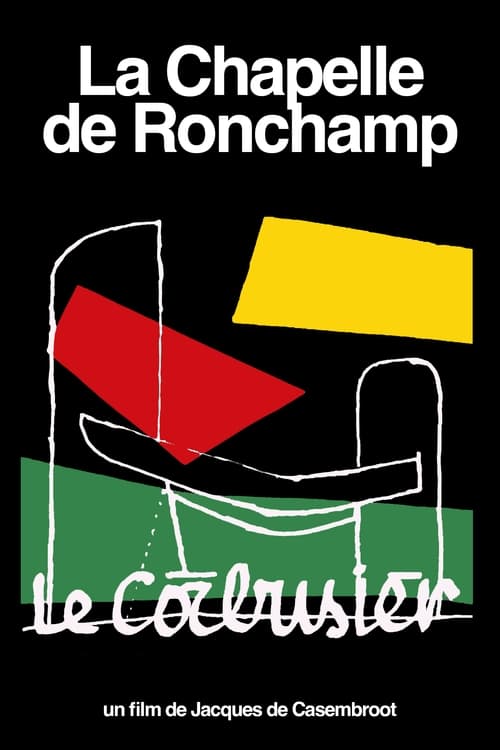
Harmonious, inspired by nature, moving, luminous... there is no shortage of words to describe La Chapelle Notre-Dame du Haut in Rochamp (France) and its curves. To create this Catholic place, at the beginning of the 1950s, Le Corbusier was inspired by the mosque of the Algerian Sahara of Sidi Brahim, by a crab shell for the shapes of the roof, and by the nearby Vosges valleys. .. Multiple influences for a building full of contradictions, a mixture of round and square lines, slender or squat depending on the angle of view, apparently vast from the outside, but small and intimate from the threshold crossed. Both a place of contemplation and major architectural innovation, the Chapelle de Ronchamp has been listed as a Historic Monument since 1965. Labeled “Heritage of the 20th century” in 1999, it entered the UNESCO World Heritage list in 2016 with 16 others works of Le Corbusier.
La Chapelle de Ronchamp
No description available.
Les taciturnes
A young couple, exiled by Napoleon, travel to Ascension Island on a privateer ship. The captain befriends them, but during the voyage, discovers orders to shoot the rebel. He must obey and Laurette sinks into madness.
Laurette ou Le Cachet rouge
No description available.
Vincennes, cité royale

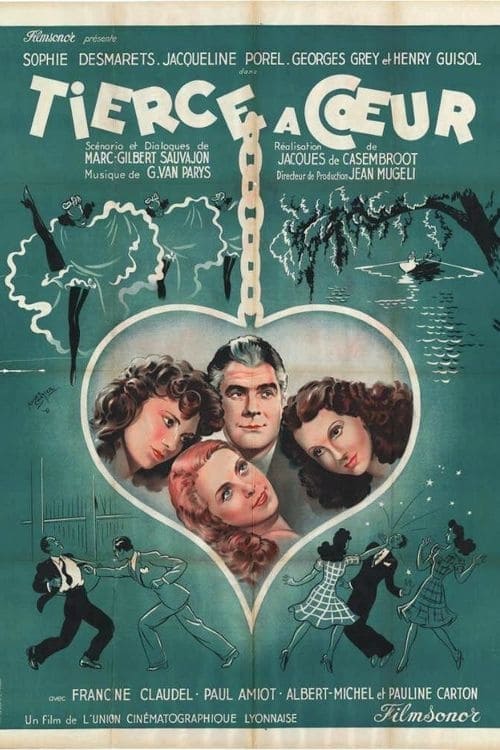
Maitre de Latour Martin had been reported missing during the war. Peace returned, he finds his two wives. Guilty of bigamy, he shelters the ladies in his home and a third woman arrives whom a dowry hunter had married thanks to the papers lost by the lawyer. Life at four is stormy and Maitre Latour regrets his life as a soldier.
Third at Heart
An evocation of the childhood of the great French writer François-René de Chateaubriand at his father's château in Comboug in Brittany. The text supporting images of the château and its surrounds consists of extracts from the writer's famous "Mémoires d'outre-tombe".