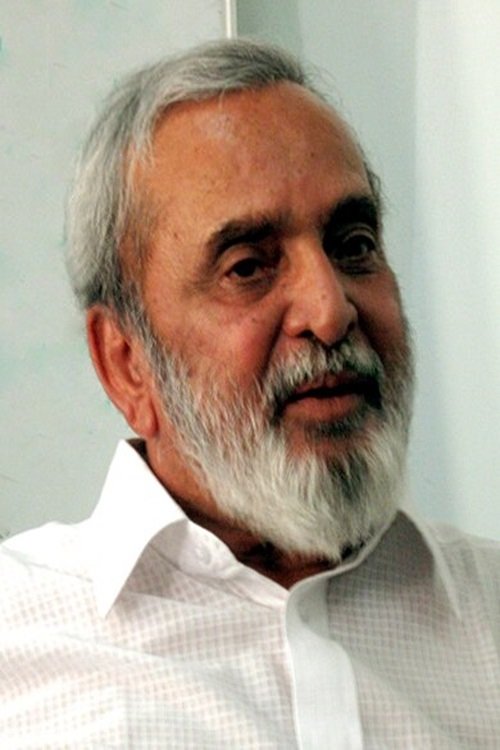
U. R. Ananthamurthy
Writing
Biography
Udupi Rajagopalacharya Ananthamurthy (21 December 1932 – 22 August 2014) was an Indian contemporary writer and critic in the Kannada language. He was born in Thirtahalli Taluk and is considered one of the pioneers of the Navya movement. In 1994, he became the sixth Kannada writer to be honored with the Jnanpith Award, the highest literary honour conferred in India. In 1998, he received the Padma Bhushan award from the Government of India.[4] He was the vice-chancellor of Mahatma Gandhi University in Kerala during the late 1980s.
Known For

Narayanappa, a Madhwa Brahmin man, dies in the Agrahara of the village Durvasapura. As per Madhwa customs, his last rites must be performed at the earliest. However, due to Narayanappa's rebellious actions in life, which included eating meat, consuming liquor and marrying a prostitute, there is disagreement amongst the Brahmins of the village as to who will perform his rites.
Samskara

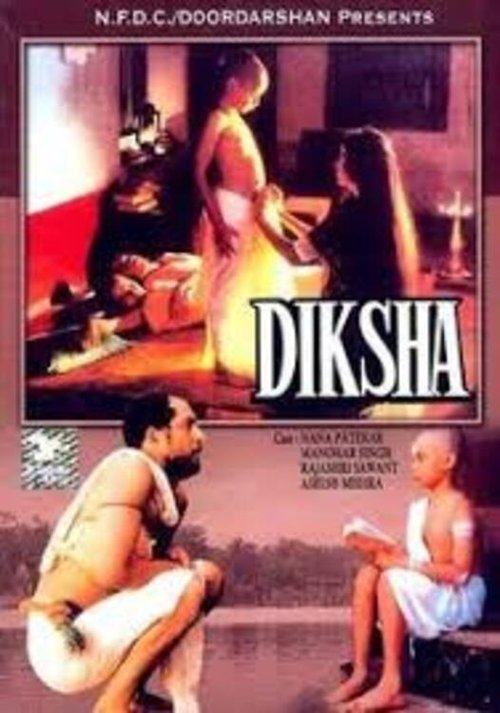
Circa British Rule in India, a man vows to make his only surviving son, Narayan, alias Nani, a Brahmachari to atone for the deaths of five of his children. He takes this child to a remote village in Karnataka, South India, where he leaves his 11 year old son in the care of a learned Archarya, Udup Pandit. Here Nani gets to meet two other disciples of the Archarya, as well as his widowed daughter, Yamuna, and another male by the name of Shrikar Upadhyay, who also teaches the British how to read and write in Hindi. The Archarya goes away for a few days, and when he returns nothing is the same anymore. His daughter is pregnant, the villagers are all set to remove her from the village, they are also angry with him for refusing Yamuna to follow the traditional way of a Hindu widow.
Diksha

Based on the Kannada novel Bara by eminent writer U. R. Ananthamurthy, the story deals with the politics of famine in Karnataka. An idealistic officer eventually succumbs to bureaucratic apathy - famine relief arrives, but too late. Simultaneously shot in Hindi as Sookha; that version was released in 1983.
Bara

1987 Kannada political drama film directed and co-produced by Krishna Masadi and is based on the novel written by the acclaimed writer U. R. Ananthamurthy. The film starred Anant Nag in the lead role along with a host of real-time politicians like J. H. Patel, D. B. Chandre Gowda, M. P. Prakash and B. K. Chandrashekar in the key roles.[1] Other pivotal roles were played by B. V. Karanth, M. Bhaktavatsala, Chandrashekhara Kambara, Archana and Bhargavi Narayan. The film's score and songs were composed by Vijaya Bhaskar. The film upon release was critically acclaimed and won multiple awards at the Karnataka State Film Awards for the year 1987–88.
Avasthe

A young brahmin boy studying in a village away from home and a young widow isolated by her condition form a bond.
The Ritual
Samskara, the film by Pattabhi Rama Reddy, created a revolution in Indian cinema 50 years ago. Winning National and International awards. It broke barriers of caste and other social taboos, both in the process of production and on its release. 50 years later it still remains relevant and raises political and social questions that need our reflection. 'Revisiting Samskara’ is a journey back in time, in an attempt to piece together the motivation, circumstances and process. It recounts the experience of the cast and crew revisiting the same locations and recounting anecdotes of ‘Predestined Synchronicity’.
Revisiting Samskara

Based on the Kannada novel Bara by eminent writer U. R. Ananthamurthy, the story deals with the politics of famine in Karnataka. An idealistic officer eventually succumbs to bureaucratic apathy - famine relief arrives, but too late. Simultaneously shot in Kannada as Bara, which was released in 1982.
Sookha

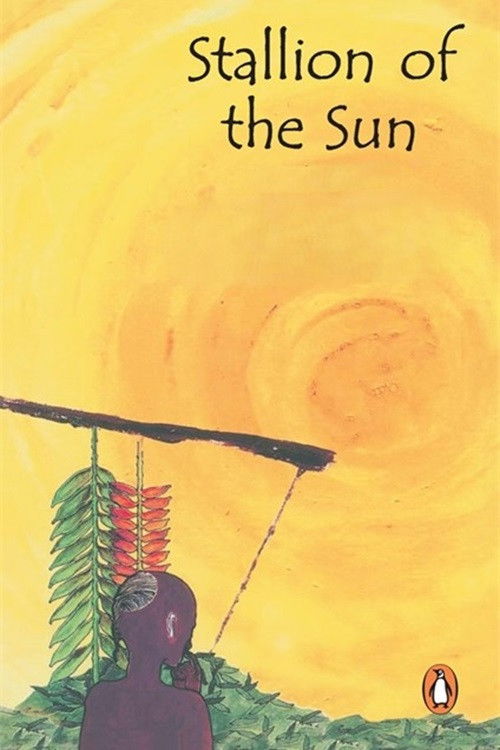
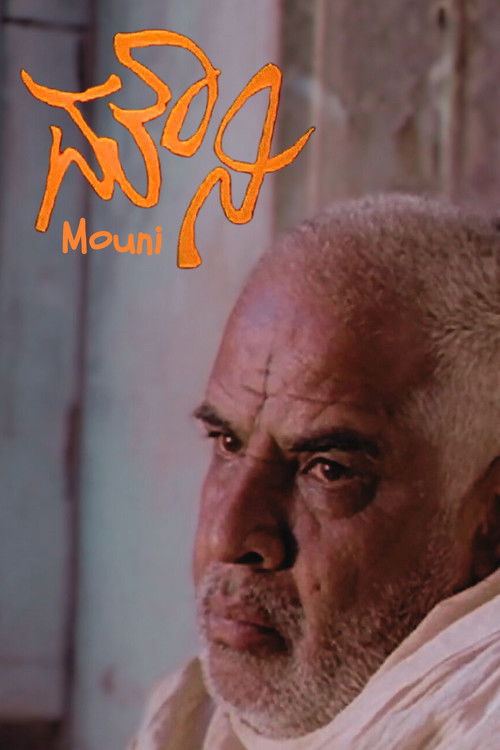
The story revolves around two areca cultivators and the tensions and circumstances that shape and influence their relationship, is based on a novella of U. R. Ananthamurthy
Mouni

A poignant short story following an urbanized narrator, Ananthu, returning to his village and reconnecting with his childhood friend, Hade Venkata. If you feel at home and tune in to DD Chandana, you might catch this film. There is also a wonderful play by Students of Ninasam Theatre Institute 2008-09 by same director.