Nitin Bose
Directing
Biography
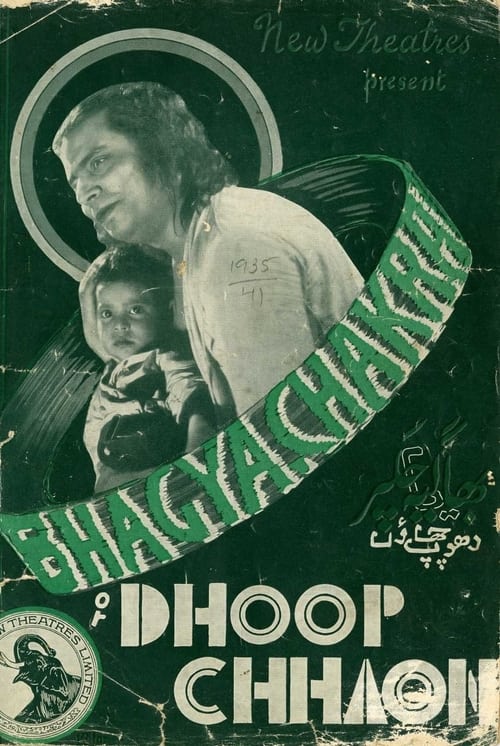
An Indian film director, cinematographer and screenwriter of the nation's film industry. In the 1930s and early 1940s, he worked with New Theatres, who made bilingual movies: in both Bengali and Hindi. Later, he moved to Bombay and directed under the banners of Bombay Talkies and Filmistan. The first use of playback singing in Indian films occurred in films directed by Bose in 1935: first in Bhagya Chakra, a Bengali film, and later the same year in its Hindi remake, Dhoop Chhaon. His most well-known work is Ganga Jamuna. Satyajit Ray was a nephew of Bose and worked under him in the movie Mashaal (1950), which was produced by Bombay Talkies. Bose also mentored Bimal Roy
Known For

A traumatized and blind young man makes a living singing, and searching for his childhood sweetheart.
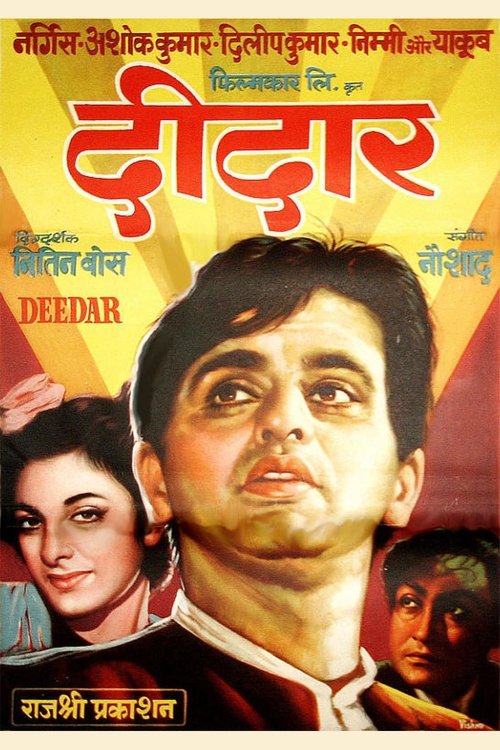
Deedar

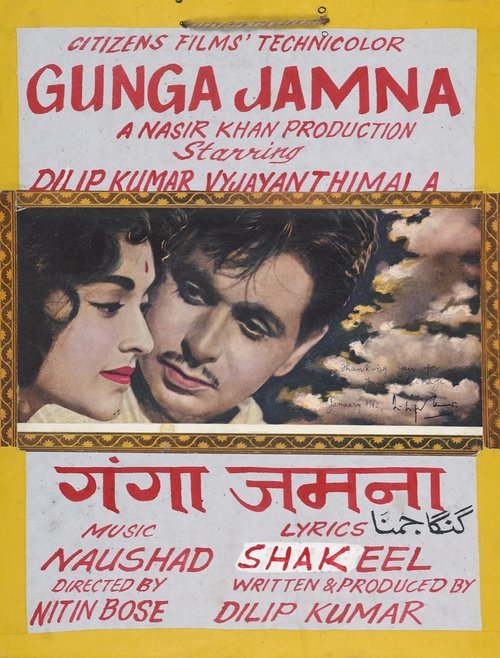
Widowed Govindi lives a poor lifestyle in Haripur along with two sons, Gungaram and Jumna. While Jumna is studious, Gungaram is the opposite, but has a good heart and decides to use his earnings to ensure his brother gets a decent education. After her employer, Hariram, accuses Govindi of theft, the shock kills her. After her passing, Gungaram works for Hariram while Jumna goes to the city to study and becomes a police officer. His first assignment is in Haripur, where he will be forced to confront Gungaram, who is now is the leader of a dreaded band of killer bandits.
Gunga Jumna

This costume drama, adapted from Agha Hashar Kashmiri's classic Urdu play, unfolds a tale of rivalry, revenge, and love set against the backdrop of Roman persecution of Jews. The story centers on the Jewish merchant Prince Ezra, whose young son is tragically lost due to the cruel Roman Priest Brutus. In an act of vengeance, Ezra's slave kidnaps Brutus's infant daughter, Decia, bringing her to Ezra. Unable to harm her, Ezra raises Decia as his own, renaming her Hannah. Years later, Hannah falls in love with Marcus, a Roman prince (played by K. L. Saigal), leading to a complex web of mistaken identities, betrayal, and a dramatic confrontation that exposes the intertwined fates of both families and challenges notions of religion and lineage.
Yahudi Ki Ladki

Bicharak is a powerful film that explores the complexities of fate, judgment, and redemption. Through the lives of a tragic woman and a morally conflicted judge, the film delves into the depths of human nature and the consequences of societal prejudice.
Bicharak

A modern reformist professor helps a courtesan in her endeavour to achieve high academic level and respectability. They face open opposition and hostility by society but do not relent.
Nartakee

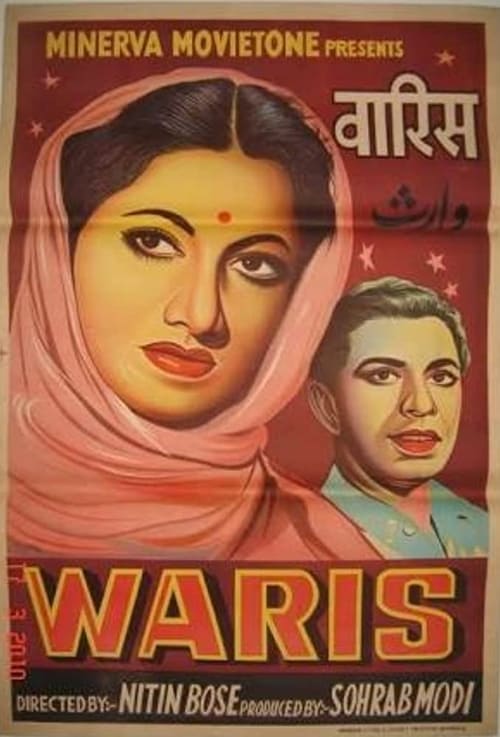
An inheritance melodrama about Kunwar (Mahmood), the son of zamindar Himmat Singh (Sethi). Kunmar marries Shobha (Suraiya) and is disinherited, forcing him to join the army during WW2. When he is reported missing and presumed dead, a repentant Rana invites Shobha to stay with him. However, it is Kanta (Nadira), a young woman betrayed by Rana's villainous secretary Kailash (Yakub), who arrives at the house and his mistaken for Shobha. Masquerading as Shobha, who lives nearby in absolute poverty, Kanta moves in, causing a moral dilemma and generating suspense since she could be caught at any moment.
Waris

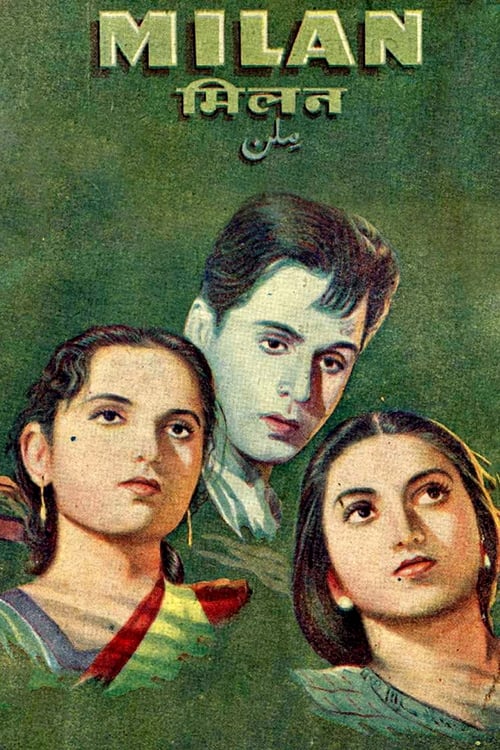
A young law student is forced into an arranged marriage though he is in love with somebody else. Following the wedding the drama focuses on the bride's mistaken identity and the search for her husband.
Milan

The legend of Prince Puran, born under King Silwan of Sialkot's curse which binds his parents never to set eyes on him until he is 16. Accused of leading a debauched life by an evil general and by the king's second wife, Puran is sentenced to death. Rescued by the mystic Gorakhnath, he becomes an ascetic. When the king is overthrown, Purna rises from his meditations to depose the general who has seized power, before returning to his life of renunciation.
The Devoted

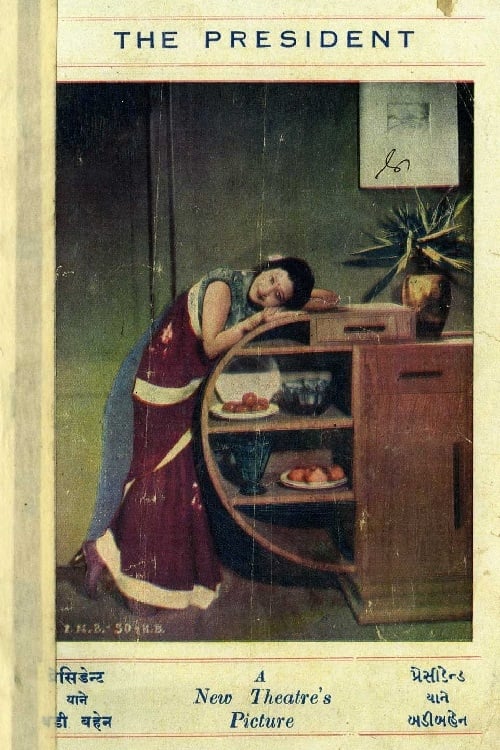
Badi Bahen aka President is a 1937 Hindi social romantic drama film (the Bengali version was called Didi and starred several different actors). The story according to the credit roll of the film is "A tale of love and greater love" developed on an idea by M. M. Begg. It was a love triangle with a social content that highlighted the conditions of the mill workers. It was also the first film to show a liberated educated woman managing her own factory
President

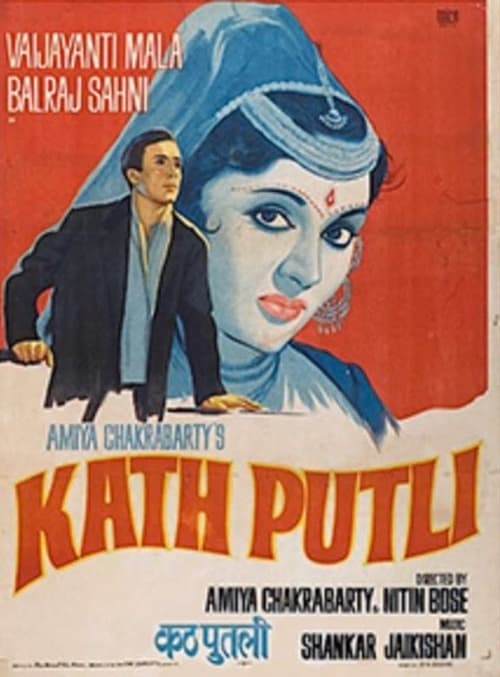
In this Bollywood classic tearjerker, a romance for the ages blooms between the puppeteer Shivraj and the young admirer Pushpa after Shivraj loses the use of his hands and his livelihood. But love turns to resentment when Pushpa begins paying the bills with money made through her budding stage career. Will fierce pride keep them apart, or will Pushpa's faithful agent find a way to bring them together again?
Kath Putli

A remake of the Bengali film Bhagya Chakra, it was the first Hindi film to use playback singing. It was director Nitin Bose who came up with the idea of playback singing.
Dhoop Chhaon

Sisir Kumar Bhaduri's Palli Samaj. A 1932 Bengali Talkie Film directed by Sisir Kumar Bhaduri.
Palli Samaj

Mansoor, a feared bandit who falls for Husn Pari, the sister of a tyrannical caliph. After taking shelter with a merchant, he’s pursued by the merchant’s daughter Meher. Torn between love and guilt, Mansoor faces betrayal, loss, and a final choice between his past and redemption.
Daku Mansoor

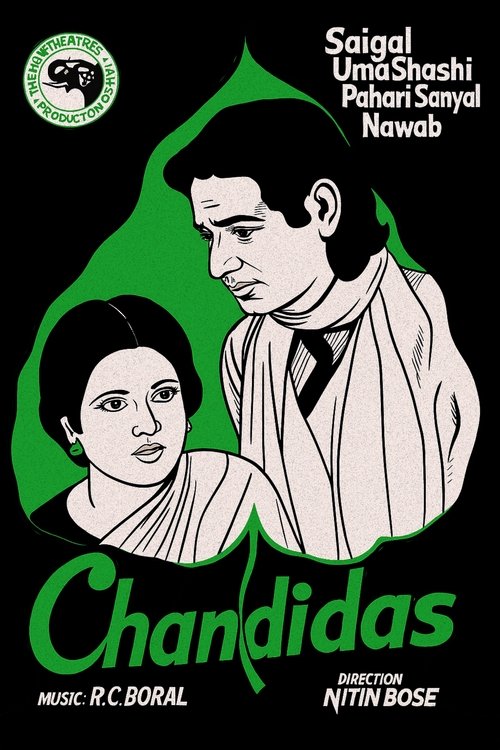
The story revolves around the 15th century poet-saint Chandidas who acts out against the deep-rooted bigotry against caste, untouchability and the hypocrisy of society, as he falls in love with a washer woman.
Chandidas

Uttam Kumar's debut film. A tragic tale of love, loss, and redemption.
Drishtidan

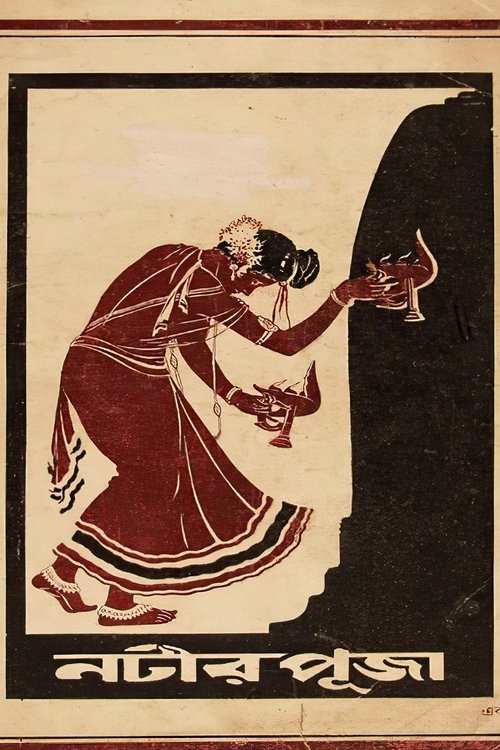
A simple recording of Tagore's 1926 dance drama on Buddhist legend.
Natir Puja

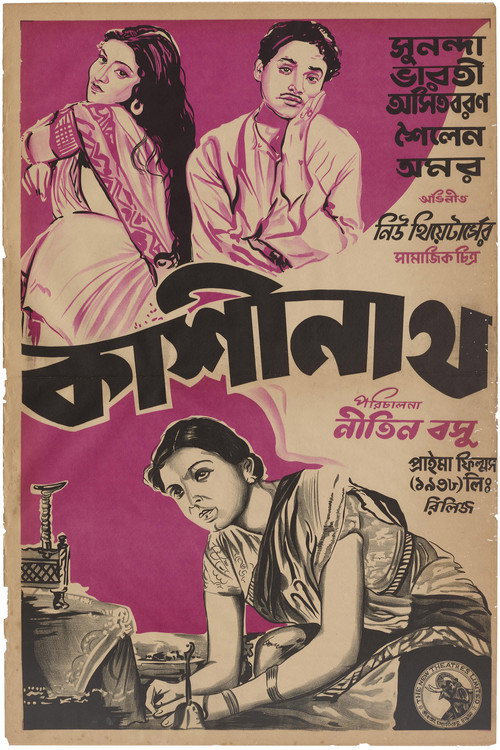
Shiromoni, a village priest sends his son on an errand to the house of Mr. Mukherjee. On his return Kashinath discovers his father is no more. With no kin to support him Mr. Mukherjee suggests that Kashinath should move over to live with Mr. Pitambar Chakraborty, the zamindar [Landlord]. Kashinath however, is in no mood to leave Mr. Mukherjee's home as he has started to grow attached to Mukherjee's daughter Bindu.
Kashinath
A famous Saigal musical narrating a strange love story set against 1930s industrialization and worker-management relations. The 16-year-old Prabhavati inherits a mill and turns it into an extremely profitable enterprise. Prakash is a worker who designs a more efficient machine for the factory for which he first gets sacked and then is re-employed. He falls in love with Prabhavati's sister Sheila, who later makes way for Prabhavati who is also in love with Prakash. Her withdrawal distresses Prakash, causing him to bully the workers who then go on strike.
Didi

Meera is immersed in her love and devotion to Lord Krishna since a young age. When she grows older, her family get her married to the Rana of Mewar. Misunderstandings occur when her devotional poetry is thought to be love songs for someone. Several hardships are inflicted on her by her husband and her in-laws. She takes to sitting in the temple and singing bhajans (sacred songs) composed by her. Her brother-in-law tries to have her killed many times, but fails. She finally renounces her life in the palace and wanders from place to place singing devotional songs.
Rajrani Meera

No description available.