Acting
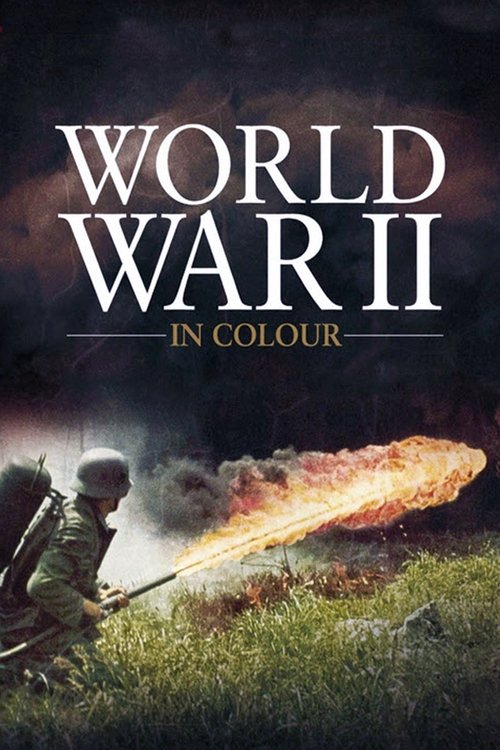
World War II In Colour is a 13-episode television documentary miniseries recounting the events of World War II narrated by Robert Powell. The show covers the Western Front, Eastern Front, and the Pacific War. It is on syndication in America on the Military Channel. This series is in full color, combining both original and colorized footage.
Using highly advanced colourisation techniques, critical moments from World War II, from Stalingrad to The Battle of Britain, are shown in a whole new light.
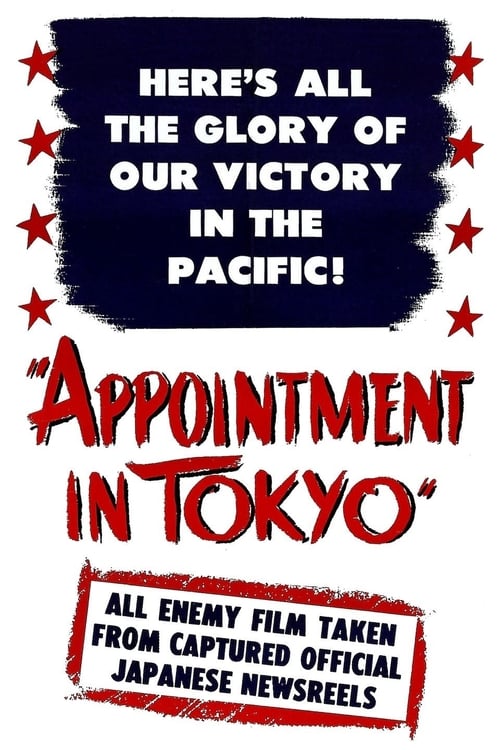
Produced by the Army Pictorial Service, Signal Corps, with the cooperation of the Army Air Forces and the United States Navy, and released by Warner Bros. for the War Activities Committee shortly after the surrender of Japan. Follow General Douglas MacArthur and his men from their exile from the Philippines in early 1942, through the signing of the instrument of surrender on the USS Missouri on September 1, 1945. Preserved by the Academy Film Archive in 2013.
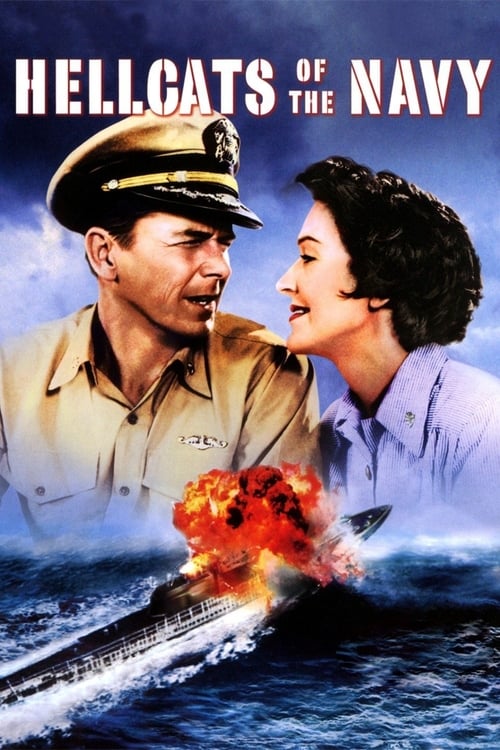
Captain Casey Abbott commands an American submarine in the Pacific during World War II. When a perilous mission to retrieve a new Japanese mine for study goes awry, he's forced to abandon a likable combat diver. Abbott's orders to leave a man behind appear to be justified, but his second-in-command believes he had ulterior motives:
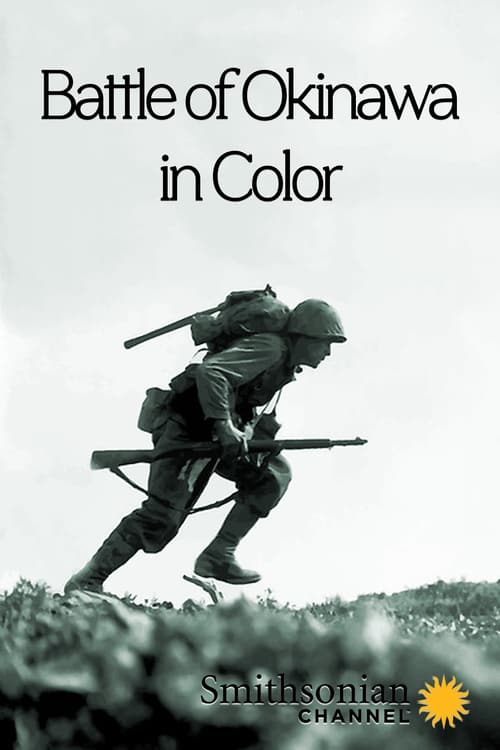
By mid-1945, Hitler is dead and the war has ended in Europe. Halfway around the world, however, the fighting is still going strong on a small island in the Pacific. Okinawa was the site of the last battle of the last great war of the 20th century, with a casualty rate in the tens of thousands. Through it all, military cameramen risked their lives to film the conflict, from brutal land combat to fierce kamikaze attacks at sea. See the footage they captured and experience this intense battle the way the soldiers saw it -- in color.
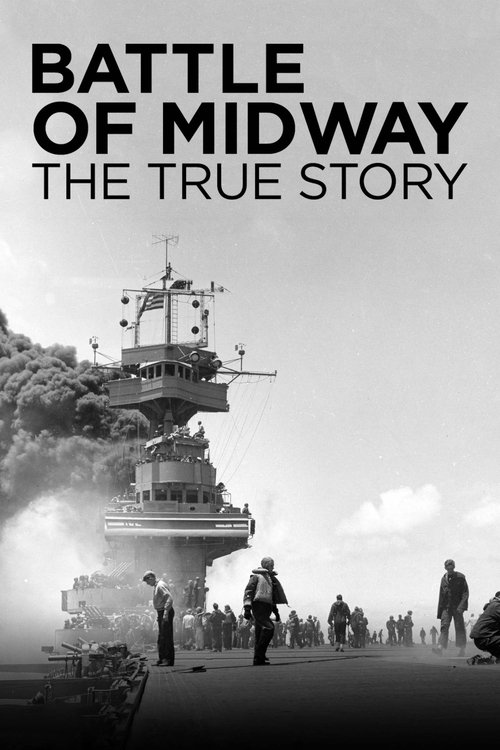
It was one of the largest naval engagements ever and a turning point in WWII. The Battle of Midway changed the face of warfare and made victory in the Pacific possible.
By spring of 1942, Japan controlled the western Pacific, the Philippines, and large parts of Indochina. America and her allies knew that final victory could only be achieved by unconditional surrender and that would involve occupation of the Japanese homeland. This is the story Operation Downfall, the plan to invade and occupy Japan that would dwarf the D-Day landings in Europe. According to the plan, on X-Day--November 1, 1945--General MacArthur would lead an invasion force onto the beaches of Kyushu, the southern most of the Japanese Islands. Y-Day would follow six months later when the largest beach landing in military history would take Tokyo. Politicians and military strategists knew that Japanese resistance would be ferocious. Plans for the invasion continued throughout 1945 until President Truman made the decision to drop the atom bomb. We trace the invasion plans from Pearl Harbor to Hiroshima and analyze why Truman chose the bomb over Operation Downfall.